Where is the most common place to find wolves?
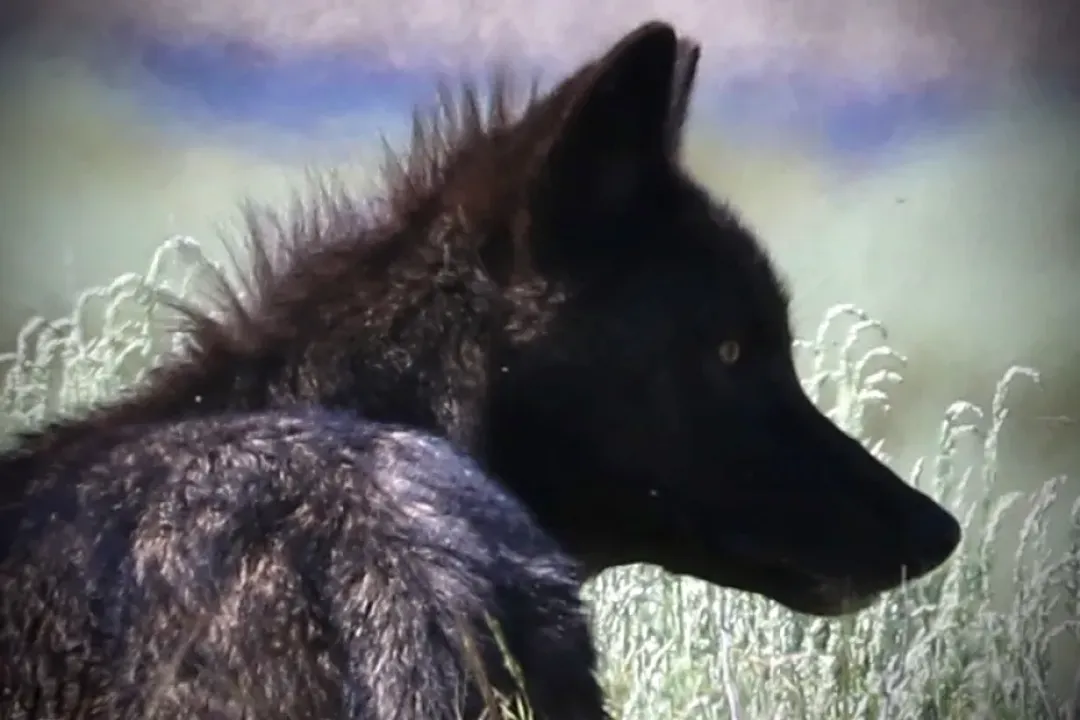
The original domain of the wolf, Canis lupus, covered the majority of the Northern Hemisphere, spanning across Eurasia and North America above specific northern latitudes. [5] Today, the picture is far more fragmented. While the gray wolf is generally listed as Least Concern by the IUCN because its range is still relatively widespread, deliberate human persecution, loss of habitat, and competition for livestock have dramatically reduced its presence to roughly one-third of that historical territory. [3][5] When seeking out these apex predators, one must remember that survival boils down to three core necessities: a good food source (adequate prey density), enough space (sufficient habitat), and, perhaps most complexly, a degree of tolerance from humans. [3]
# Global Footprint
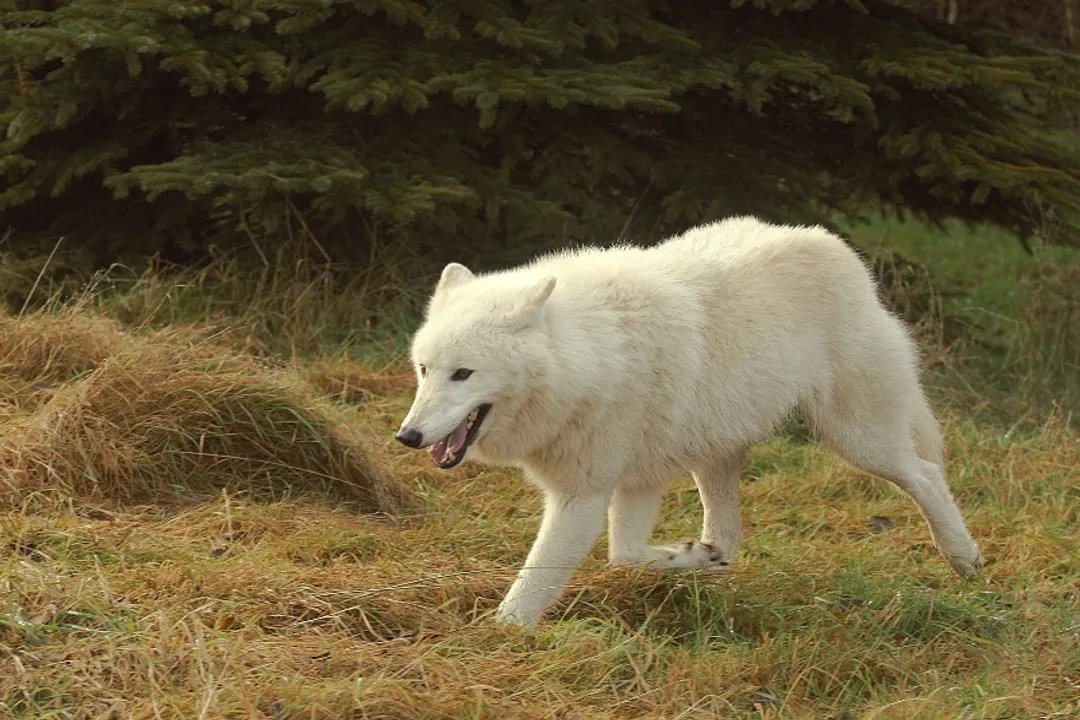

Globally, the largest concentrations of wild wolves today reside in the northernmost reaches of the world: Russia, Canada, and Alaska. [3]
Russia, in particular, hosts massive populations, estimated in the tens of thousands, where they are sometimes managed as a pest species with annual harvests that do not significantly affect overall numbers. [5] Similarly, Canada is a significant stronghold, maintaining wolves in about 80% of their historical range, potentially hosting between 50,000 and 60,000 individuals. [5] These vast expanses of territory in the far north offer the greatest overall numbers of wolves across the globe. [3]
Beyond these major northern blocks, pockets of wolves exist in varied ecosystems, from tundra to deserts, demonstrating their adaptation to wide climates, as long as their basic needs are met. [3] In Europe, populations strongly declined until the mid-20th century, but recovery has been evident since the 1980s as rural economies changed and prey rebounded. [5] Specific areas showing recovery include the Carpathian Mountains, the Balkans, and the Italian peninsula. [5] For a taste of primeval wolf habitat, the Białowieża Forest, straddling the border between Poland and Belarus, provides an ancient ecosystem where one can observe Eurasian wolves interacting with bison and deer. [7] In Southern Europe, nations like Italy have seen their wolf populations rebound significantly after implementing protections. [5]
The distribution is not limited to the gray wolf, either. The endangered Italian wolf, a subspecies of Canis lupus, inhabits Italy’s Apennine Mountains, with Abruzzo National Park being a noted location to find them, though they are shy and often nocturnal. [7] Far to the east, species like the Arabian wolf persist in the deserts of Southwest Asia, with Israel’s effective enforcement maintaining a stable, smaller population that can radiate into neighboring countries. [1][5] In Africa, distinct species like the Ethiopian wolf are restricted to high-altitude areas of Ethiopia, separated evolutionarily from the main Canis lupus groups. [1][5] It is worth noting that where human population density is low—whether in the remote boreal forests of Canada or the desert tracts of Saudi Arabia—wolves have a better chance of persisting. [5] This correlation between low human density and wolf presence suggests that finding the most common place to find them often means seeking out the most remote, legally protected wilderness areas where human interference is minimal. [3]
# North American Strongholds
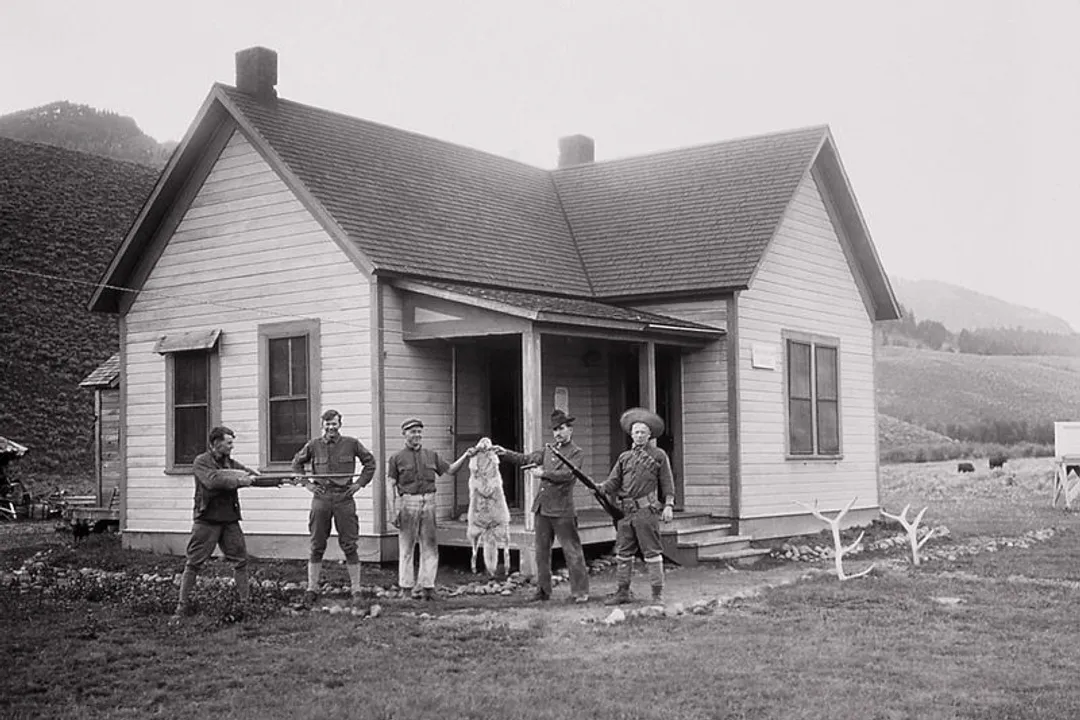
In North America, the picture is a mix of established populations in the north and hard-won recoveries in the lower forty-eight states. [2]
Canada and Alaska are key centers for Canis lupus survival. [5] Alaska alone holds an estimated 7,000 to 11,000 wolves, managed as both a game animal and a furbearer. [4]
The contiguous United States, however, hosts wolves in fragmented, protected areas, often following natural dispersal or specific reintroduction programs. [5][2]
# Great Lakes Region
One of the most significant recovery areas in the lower 48 is the Great Lakes region, which is inhabited by descendants of the Great Plains wolf (Canis lupus nubilus). [2][4] Minnesota has historically maintained a viable population, reporting nearly 3,000 wolves in the 2022-2023 winter. [4] Wisconsin and Michigan also host populations that have grown thanks to federal protection, though management authority often shifts between federal and state levels. [2][4]
# Rocky Mountain Rebirth
The Northern Rockies—Montana, Idaho, and Wyoming—form another critical zone for the Northwestern wolf (Canis lupus occidentalis). [2] The reintroduction of wolves to Yellowstone National Park in 1995 stands as perhaps the most famous modern conservation success story, bringing the species back to areas where they had been absent since the 1920s. [7] Today, over 100 wolves roam Yellowstone, forming distinct family groups. [8]
Yellowstone is widely cited as arguably the best place in the world to observe wild wolves. The Lamar Valley, often called the “Serengeti of North America,” is the primary hotspot here due to its open terrain and dense elk herds, making observation possible year-round, especially during the early morning and late evening hours. [7][8] In winter, the contrast of dark coats against the snow makes sightings more frequent. [8]
The recovery efforts in Yellowstone and Idaho have caused natural dispersal into neighboring states. Washington, Oregon, and even Colorado now host growing, managed wolf populations, with Colorado documenting its first resident pack pups since extirpation in the 21st century. [2][4] California also officially confirmed its first wild pack in nearly a century in 2015, with numbers slowly climbing above 50 individuals. [2][4]
# Rarest Pockets
For a glimpse of less common wolf types, one must look to the specialized environments of the southern US. The Red Wolf (Canis rufus) is critically endangered, with its wild population reduced to a tiny area in northeastern North Carolina, specifically around the Alligator River National Wildlife Refuge, where only about 18 individuals were known as of mid-2025. [2][4] Similarly, the genetically distinct Mexican gray wolf (Canis lupus baileyi) was nearly eliminated from the wild, with recovery programs successfully reintroducing small numbers across the shared recovery area in Arizona and New Mexico. [2][4]

# Viewing Experience

If the primary goal is the experience of seeing a wolf in its element, the best locations are often the major protected areas, which offer the necessary isolation and prey base. [3]
Beyond Yellowstone’s Lamar Valley, [8] another exceptional North American spot is Algonquin Provincial Park in Ontario, Canada, home to the Algonquin Wolf subspecies. [7] While sightings are tough due to their elusiveness, hearing their howls is described as a singular experience. [7] In Alaska, Denali National Park offers viewing opportunities, though the vast wilderness and limited road access make it a more challenging endeavor. [7] For a European option, the ancient forests of Białowieża provide a truly primeval setting. [7]
For any dedicated wolf watcher, understanding the animal’s cycle is crucial for success. While wolves can be seen year-round in places like Yellowstone, winter offers a distinct advantage: snow concentrates prey into lower valleys, making the wolves easier to locate and follow. [8] Furthermore, wolves are often most active during the twilight hours—dawn and dusk. Anyone planning a viewing trip should heed this: maximizing observation time means being in position before the sun rises in the coldest months, as this is when they travel and hunt most actively, often making the difference between spotting a track and witnessing a full pack movement. [8]
For those who prioritize high-certainty sightings in a controlled setting, places like the Tallinn Zoo in Estonia offer educational encounters, though it is not the same as witnessing their behavior in the true wild. [7] Ultimately, whether searching the high mountains of the Rockies or the remote plains of Asia, the successful location of a wolf is almost always contingent on finding the rare landscapes where wildlife management and public acceptance allow them to thrive undisturbed. [3]
Related Questions
#Citations
How many wild wolves are in the United States?
Wolf distribution
Wolves of the World
Wolves in the USA | California Wolf ...
The Call of the Wild: Top 10 Places to See Wolves in Their ...
Where Can You See Wild Wolves?
Where can wolves be found outside of North and South ...
Where to Find Wolves in Yellowstone National Park