What are common issues with Catahoula dogs?
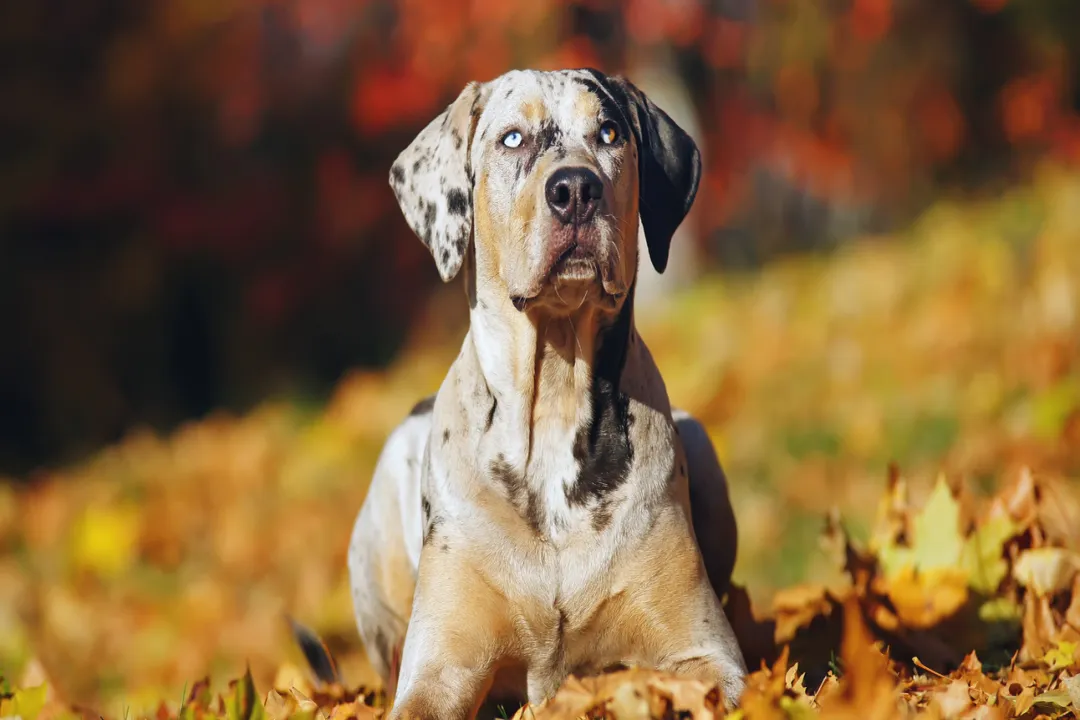
The Catahoula Leopard Dog, with its striking gaze and storied history as a working dog in the American South, presents a picture of rugged independence and capability. [6][7] While their beauty and drive are undeniable assets for the right handler, prospective owners must look past the marbled coat to understand the common challenges inherent in this breed. Understanding these potential issues upfront is key to ensuring a successful life together, as these dogs require significant commitment in terms of training, socialization, and specific healthcare monitoring. [6]
# Joint Health
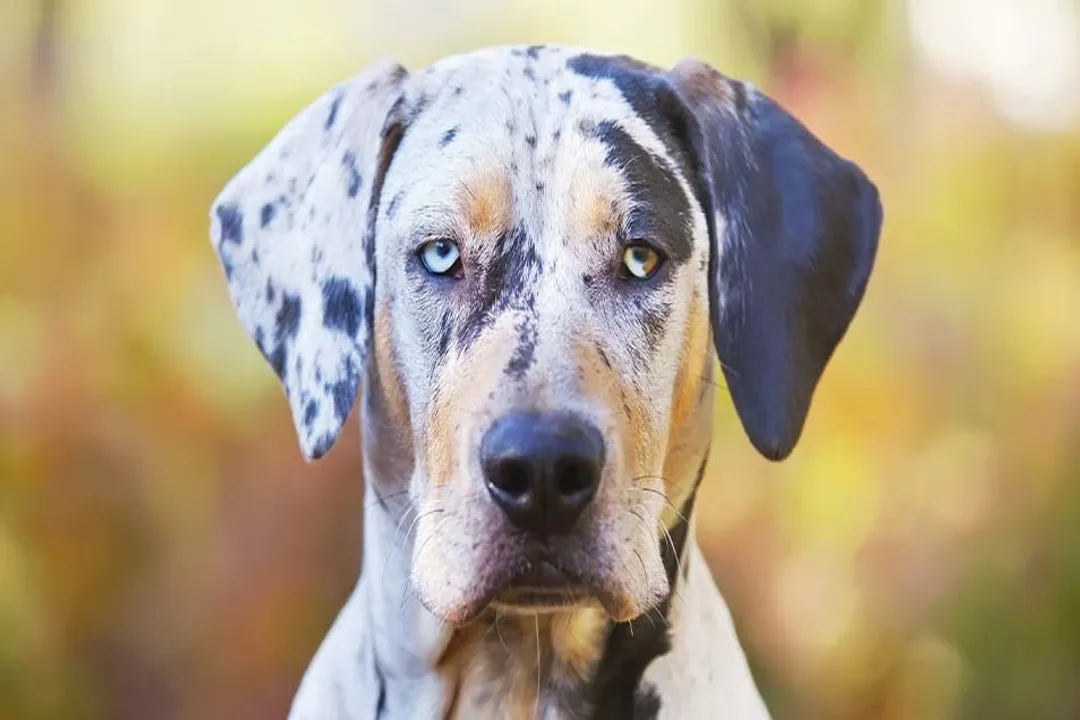
One of the most frequently cited concerns for the Catahoula Leopard Dog revolves around their musculoskeletal structure, specifically the prevalence of hip and elbow dysplasia. [3][5][7][9] Dysplasia is a genetic abnormality where the hip or elbow joint develops improperly, leading to looseness, instability, and eventually, painful arthritis. [3][4] While some sources mention general joint problems that may arise in a large, active breed, [2][4] the specific documentation points toward these hereditary conditions as being significant risks. [3][5][7]
If you are looking at a puppy, understanding the health history of the parents is crucial, especially since the breed is not officially recognized by the American Kennel Club (AKC), which means standard registry health clearances might not be automatically mandated or documented across all breeding lines. [6] Owners must be diligent about requesting certifications from organizations that track orthopedic health, such as the Orthopedic Foundation for Animals (OFA), even if the Catahoula isn't a fully recognized breed in their registry system. A responsible breeder should be able to provide evidence that the parents have been screened for these joint issues. [3]
For current owners, recognizing the subtle signs of early arthritis is important. While a Catahoula might mask pain due to their working drive, signs like hesitation before jumping, stiffness after waking up, or decreased overall activity levels warrant a veterinary examination focused on joint health. [4] Managing weight becomes critically important as an overweight Catahoula places exponentially more stress on already compromised joints, accelerating degenerative changes. [7]
# Sensory Deficits
Two major sensory issues frequently appear on lists of Catahoula health predispositions: deafness and various eye conditions. [1][3][5][8][9]
# Deafness
Hereditary deafness is a known potential issue, often associated with the gene responsible for the breed's distinctive merle or patchwork coloring. [1][3][5] This deafness can manifest in one or both ears. For potential owners, it is essential to know that while a puppy may pass a behavioral hearing test as a young dog, deafness related to pigment can sometimes develop later. [8]
If a dog is confirmed to be deaf, immediate training adaptation is required. A hearing Catahoula owner noted on discussion boards that they find their deaf dogs excel tremendously with visual cues and hand signals, often becoming exceptionally focused because their reliance on sight is heightened. [2] This adaptation points to an interesting dynamic: while deafness is a significant hurdle, the Catahoula’s intelligence allows for successful training once the owner commits to communicating differently. [6]
# Eye Concerns
The variety of eye issues reported is broad, including conditions like cataracts and Progressive Retinal Atrophy (PRA). [3][5][7] Cataracts cause clouding of the lens, impairing vision, while PRA is a degenerative condition leading to eventual blindness. [3] General eye problems are also noted as risks for the breed. [1][9] Responsible breeders should conduct regular eye exams by a veterinary ophthalmologist to screen for these heritable conditions before breeding stock is used. [3][5] Early detection of vision loss allows owners to manage the environment to keep their dog safer and more comfortable as the condition progresses. [1]

# Temperament and Training Demands
While not strictly a "medical" issue, challenges arising from the Catahoula’s natural temperament and intense energy levels often become the primary reason owners surrender or struggle with the dog. [6] These dogs were bred for demanding work—herding livestock over rough terrain or tracking wild hogs. [5] This history results in an animal with extremely high energy requirements and strong inherent instincts, such as herding and guarding. [2][6]
A key point for new owners to grasp is that the Catahoula’s need for purpose does not vanish in a suburban home. If they are not given rigorous physical exercise and engaging mental stimulation, they will create their own job, which often manifests as destructive behavior like digging or obsessive focus on minor disturbances. [2] They possess a deep instinct to control movement, which means they may try to "herd" children, other pets, or even vehicles. [2] Managing this requires early, consistent socialization and obedience training that recognizes the dog’s intense focus. [6]
When considering the Catahoula’s aloofness toward strangers, which is a recognized characteristic, [6] one realization often hits new handlers: this dog bonds intensely with their family unit but can be reserved or wary of everyone else. This is not necessarily aggression, but a protective nature that demands extensive socialization from puppyhood to prevent it from turning into true suspicion or defensiveness outside the immediate family circle. If an owner expects a dog eager to greet every passerby at the park, the Catahoula’s typical guarded nature will feel like a consistent management issue. [6]
# Physical Maintenance
The physical presentation of the Catahoula also brings specific care considerations, mainly relating to their coat and potential for rapid weight gain.
# Coat Care
Catahoulas come in various coat types—smooth, rough, or even "cur"-like—and while their coat is generally low-maintenance in terms of grooming needs like clipping, they are notable shedders. [1][5][8] The heavy shedding is particularly pronounced seasonally, and owners should be prepared for significant amounts of hair year-round, regardless of the coat length. [8] Regular brushing is necessary not just to manage the hair around the house but also to keep the coat healthy and distribute natural oils. [7]
# Weight Control
While many active breeds benefit from heavy exercise, the risk of obesity is specifically flagged as a concern for this breed. [7] This highlights a delicate balance: they need intense exercise to satisfy their drive, but owners must diligently monitor caloric intake. Unlike some breeds that burn calories relentlessly, the Catahoula, if under-stimulated or prone to joint issues, can quickly become overweight if food intake isn't strictly managed in relation to their actual activity level on any given day. [7] It is prudent to track weight gain not just by pounds, but by monitoring body condition score monthly, especially during periods of rest or convalescence from minor injuries. [7]

# Internal Risks
Beyond the musculoskeletal and sensory systems, there are internal health risks that require owner awareness, most notably the risk of Gastric Dilatation-Volvulus (GDV), commonly known as bloat. [5][9]
Bloat is a life-threatening condition where the stomach fills with gas and then twists on itself, cutting off blood supply and blocking the esophagus and intestine. [9] While often associated with deep-chested breeds, it is a recognized risk for the Catahoula Leopard Dog. [5] While there are few definitive preventative measures other than avoiding high-risk feeding behaviors, owners should be educated on the acute symptoms of bloat—unsuccessful attempts to vomit, restlessness, pacing, and a distended abdomen—as immediate emergency veterinary intervention is the only chance of survival. [9]
Furthermore, some anecdotal reports from owners suggest a propensity for general stomach sensitivity or issues, though this is less documented across general breed profiles than the orthopedic risks. [2]
# Synthesis of Commitment
The challenges associated with the Catahoula Leopard Dog are largely rooted in their function as a highly driven, independent working animal. The combination of genetic predispositions for joint, eye, and ear issues, coupled with an intense need for physical and mental occupation, means this is not a breed suited for casual ownership. [1][3][6] Successfully owning a Catahoula means actively screening for known hereditary issues via testing, [3][5] providing an outlet for their herding and guarding instincts through structured work or advanced sports, [2][6] and being prepared for the specialized care these issues require. The issues aren't insurmountable, but they demand a knowledgeable, dedicated partner ready to meet the dog's working heritage head-on. [6][7]
Related Questions
#Citations
Catahoula Leopard Dog - Health Care for Pets Hospital
Do you have health problems with your houlas? : r/Catahoula - Reddit
Catahoula Leopard Dog Health Issues - Pet Insurance Review
Expert Answers on Catahoula Mix Health Issues and Behavior
What are Catahoula Leopard Dogs? Beauty, Health and At Risk
Catahoula Leopard Dog - Dog Breed Information
Catahoula Leopard Dog Breed Information - MetLife Pet Insurance
Catahoula Leopard Dog: What You Need to Know in 2025
What health problems are common in Catahoula Leopard Dogs?