What are common health issues for Scotch Collies?
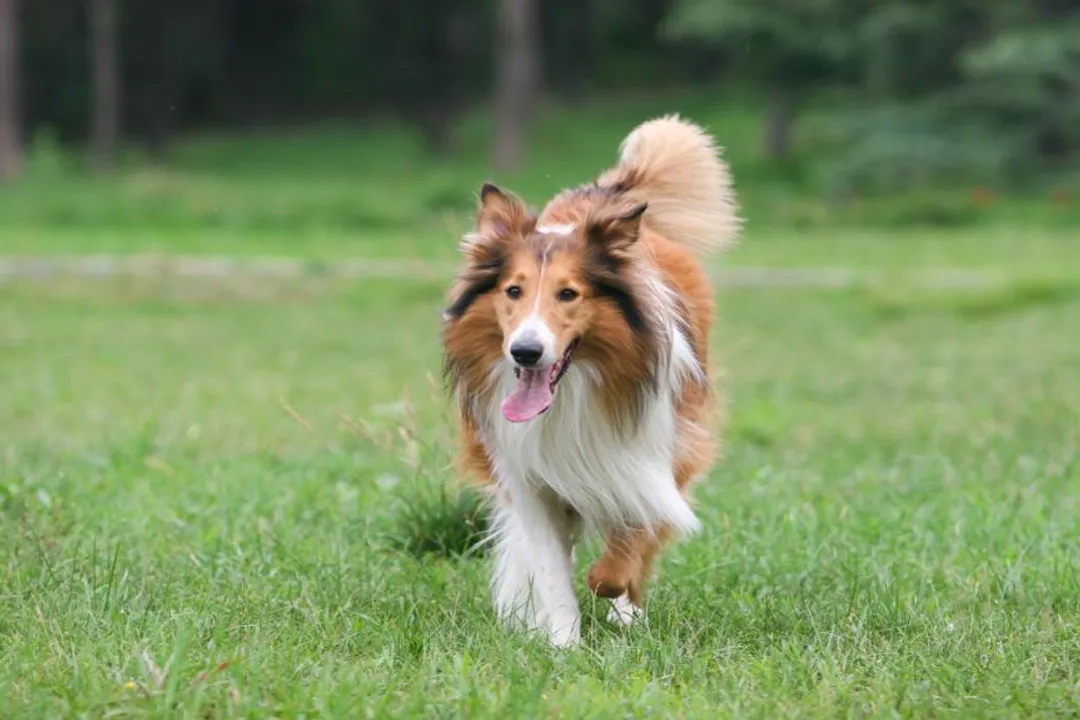
Scotch Collies, often recognized from the iconic Lassie, carry a heritage rooted deep in the Scottish countryside as versatile farm dogs, a lineage that influences their temperament and, naturally, their long-term health profile. [2][3] While generally considered a hardy breed, with reported lifespans averaging between 10 to 16 years depending on the specific type and source consulted, prospective owners must be informed about specific health concerns that are genetically predisposed within the Collie family. [1][4][5] The historical difference between the landrace Scotch Collie, bred for utility, and the standardized Rough Collie, bred for show, may contribute to the variation in reported general health resilience, with some sources suggesting the original Scotch Collie has a "low probability of having health issues". [2] Nevertheless, responsible ownership means understanding the risks inherent to the breed group.
# Eye Concerns
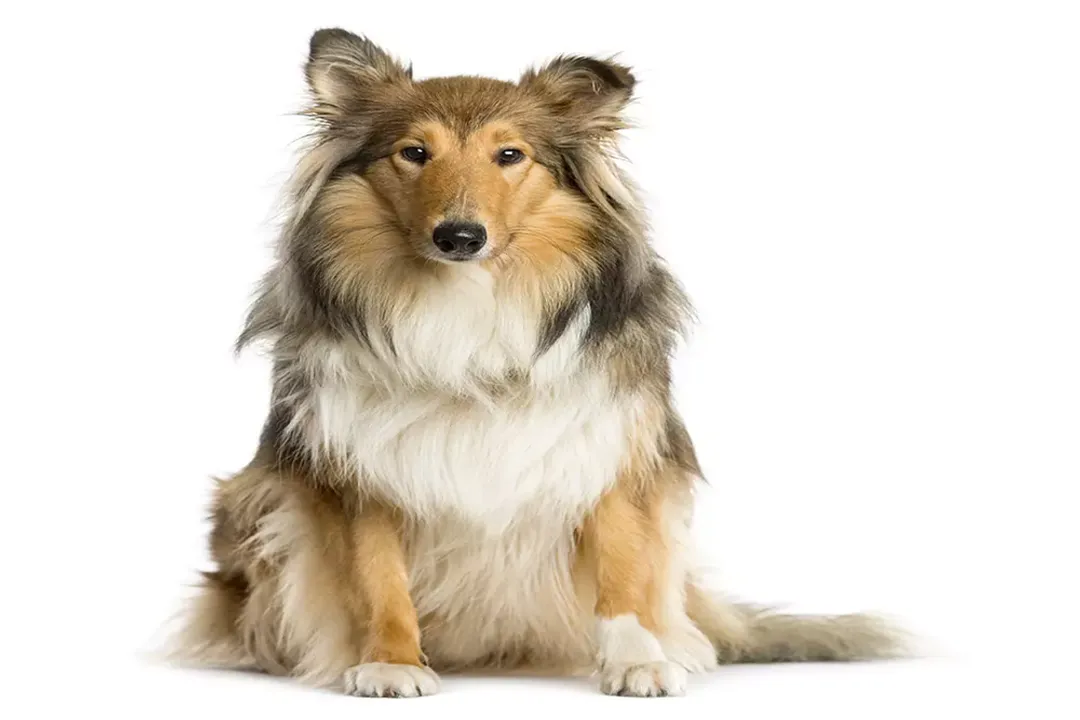
Vision health is a recurring theme in Collie care, largely due to genetic conditions that can affect puppies early in life. [1][5]
# Collie Eye Anomaly
Collie Eye Anomaly (CEA) is perhaps the most famous inherited eye disease affecting the breed. [5] This condition involves the incomplete development of structures within the eye, such as the retina, optic nerve, or choroid. [3] The severity can vary widely, meaning some affected dogs might only experience minor vision impairment, while severe cases can lead to blindness, sometimes before the dog reaches two years old. [1][3] Early diagnosis is possible, with veterinary ophthalmologists able to check puppies as young as five or six weeks old. [1][4] Responsible breeders should utilize genetic testing to screen breeding stock to reduce the incidence of this disorder. [1][6]
# Progressive Retinal Atrophy
Another serious inherited eye disease is Progressive Retinal Atrophy (PRA), a group of conditions causing the retina to degenerate over time, resulting in eventual blindness. [1][4] Collies are susceptible to a unique form known as red cone dysplasia 2, which can manifest as night blindness in very young pups, potentially leading to total blindness within a few years. [3] DNA testing is also recommended to determine a dog's status as normal, a carrier, or affected. [4]
# Other Eye Issues
Beyond these major inherited concerns, acquired or other genetic eye problems can arise. Cataracts, which cause cloudiness in the lens, are a common finding as Collies enter their senior years. [5] In contrast, Entropion involves the painful inward rolling of the eyelid, causing eyelashes to rub the cornea, a condition that often requires successful surgical correction if caught early. [2][5]
# Genetic Drug Sensitivity
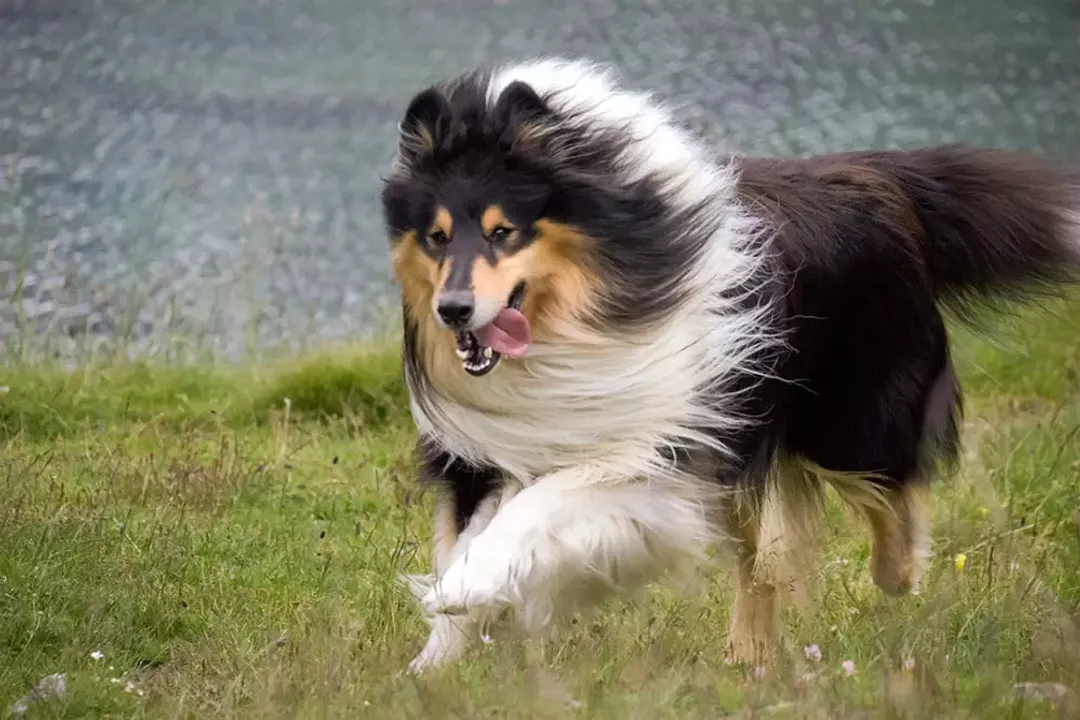
One of the most critical genetic issues for Collies relates not to organ function, but to how their bodies process medication.
# MDR1 Mutation
The MDR1 (Multi-Drug Resistance) Mutation is a defect in the gene responsible for producing a protein that pumps certain drugs out of the brain. [1] This genetic variation is much more frequent in herding breeds than in the general dog population. [1] Veterinarians must be aware of a dog’s MDR1 status because exposure to common medications, such as certain anti-parasitics (like ivermectin) or antibiotics, can cause severe, sometimes fatal, neurological toxicity in affected dogs. [3][4] One assessment suggests that between 50% to 75% of Collies carry this gene mutation, making DNA screening highly advisable for all owners. [4]
Thinking proactively about this is an essential strategy for any Collie owner. While the risk of a severe drug reaction might seem abstract until it happens, the cost of a one-time DNA test to ascertain MDR1 status is minimal compared to the potential emergency veterinary costs, or worse, the tragic outcome of an adverse drug event if an unaware veterinarian administers a standard protocol. Early genetic testing truly offers peace of mind and dictates safe prescribing practices throughout your dog’s life. [3]

# Neurological and Muscular Conditions
The breed also carries risks for debilitating neurological and muscular diseases.
# Degenerative Myelopathy
Degenerative Myelopathy (DM) is a progressive neurological disease akin to Amyotrophic Lateral Sclerosis (ALS) in humans. [3][5] It slowly attacks the hind limb nerves, resulting in increasing weakness, loss of coordination, and eventual paralysis. [3][5] While there is no cure, supportive care, including physical rehabilitation or the eventual use of mobility aids like dog wheelchairs, can help manage the quality of life for affected adults, who usually show signs around eight years of age. [3] A genetic test is available to identify at-risk dogs. [5]
# Epilepsy
Idiopathic Epilepsy (IE), characterized by seizures without an identifiable underlying cause like a tumor or metabolic issue, is often inherited in Collies. [1][4][5] Seizures often begin in young adulthood, typically between six months and three years old, and frequently require lifelong medication to manage frequency and severity. [5]
# Internal System Risks
Collies are predisposed to several life-threatening internal conditions, often associated with their deep-chested structure or immune system function.
# Gastric Dilatation-Volvulus (Bloat)
As a breed with a deep and narrow chest, Collies are at an increased risk for Gastric Dilatation-Volvulus (GDV), commonly called bloat. [1][2][5] This condition involves the stomach filling with gas and twisting, cutting off blood supply to vital organs—a rapidly fatal emergency. [2][5] Recognizing symptoms quickly, such as restlessness, an enlarged abdomen, or unproductive heaving, and seeking immediate emergency care is paramount. [2] Some owners opt for a prophylactic gastropexy, or "tacking" surgery, to secure the stomach and reduce the twisting risk. [2]
# Digestive and Blood Disorders
Exocrine Pancreatic Insufficiency (EPI) is another concern, stemming from the pancreas producing insufficient digestive enzymes. [5] This leads to severe malabsorption, resulting in noticeable weight loss, chronic diarrhea, and a dry, flaky coat due to an inability to process dietary fats. [5] Thankfully, this condition is manageable with daily lifelong enzyme supplementation added to the dog’s food. [5]
The breed is also susceptible to inherited bleeding disorders. [2] Von Willebrand’s disease, a common clotting issue in Rough Collies, can lead to abnormal bleeding or bruising, which can become critically apparent during injury or surgery. [5] Equally serious is Immune-Mediated Hemolytic Anemia (IMHA), where the immune system attacks its own red blood cells, leading to severe anemia, weakness, and pale gums. [2][5]
One very specific and severe inherited condition noted in Rough Collies is Canine Cyclic Neutropenia (or gray collie syndrome), a blood disorder that severely compromises a puppy's ability to fight illness, often resulting in death before three years of age. [4]

# Autoimmune and Skin Conditions
The Collie’s immune system can sometimes mistakenly attack its own body, leading to dermatological issues.
Dermatomyositis is an uncommon inflammatory disease seen in young Collies, causing skin lesions, hair loss, and potential muscle issues, with treatment varying based on severity. [1][3][5] Sunlight can trigger flare-ups of Systemic Lupus Erythematosus, an autoimmune disease that causes chronic inflammation of the skin, joints, and sometimes internal organs; Collies are noted as being more commonly affected. [5] For skin issues, parasitic infections like Demodex mange can occur if the dog's immune system fails to keep the mites in check, leading to irritated, hairless lesions. [5] Another autoimmune skin problem is Pemphigus Foliaceus, which starts around middle age and causes crusting and hair loss, often on the nose or ears. [5]
# Joint Health and Weight Management
Like many larger breeds, Collies face orthopedic risks, which are closely linked to proper early development and ongoing weight control.
# Osteochondritis Dissecans
Osteochondritis Dissecans (OCD) occurs when rapidly growing puppies experience cartilage not properly attaching to the bone in joints, such as the shoulder. [5] This often stems from overfeeding or supplementing with excess calcium during puppyhood, causing them to grow too quickly. [5] Sticking to a recommended growth rate, feeding a specific large-breed puppy formula, and avoiding extra calcium are preventative measures. [5] OCD may necessitate surgical correction. [5]
While Hip Dysplasia—a poor fit between the hip's ball and socket—is a risk for large dogs, it is specifically noted as being rare in Collies. [2][5]
Considering the link between rapid growth and OCD, a key piece of actionable advice for new owners is this: if you are feeding a puppy a large-breed formula, rigorously weigh them every three to four weeks and never exceed a growth rate of about four pounds per week, as recommended by your veterinarian. [5] This careful management of caloric intake is more important for joint structure than any supplement you might add later.
# Obesity
Obesity is a significant concern that exacerbates existing joint problems and can contribute to heart disease and back pain. [2] It is tempting to indulge the breed's expressive eyes with extra food, but owners must maintain firm control over treats and human food scraps, substituting affection with play or grooming instead. [2]

# General Preventative Care
To mitigate these risks, routine care is essential across multiple domains. Dental hygiene is non-negotiable, as dental disease affects up to 80% of all dogs by age two, and in Collies, poor dental health can unfortunately shorten their lifespan by one to three years due to secondary organ damage. [2] Daily tooth brushing is the best defense. [2][5] Furthermore, keeping up with core vaccinations against common canine diseases like parvovirus and rabies is standard protocol. [1][4]
For a breed where many issues are genetic, the partnership with a knowledgeable veterinarian who tailors preventive plans based on breed risks and DNA test results is invaluable. [5] Choosing a reputable breeder who actively screens parent dogs for conditions like CEA, PRA, and MDR1 is the most powerful step an owner can take before the dog even comes home. [3][5]
Related Questions
#Citations
Collie Dog Breed Health and Care - PetMD
Caring for Your Collie and Understanding Their Health - Walkin' Pets
Scotch Collie Dog Breed Facts - Traits - Health info | Vets Choice
Collie (Rough) - Breed Info – Sutton Animal Hospital
Understanding Collie Health Problems: What Every Owner Should ...
Scotch Collie Breed Information - Bow Wow Meow Pet Insurance
Scotch Collie (Lassie) Guide: Personality, Health & Joint Support Tips
Collies Dog Breed: History, Health Facts & Care - WebMD