What characteristic describes the muzzle and jaws of the Yakutian Laika in relation to their intended work?
Answer
The muzzle should be strong, tapering slightly, and the jaws capable of handling rough work or prey
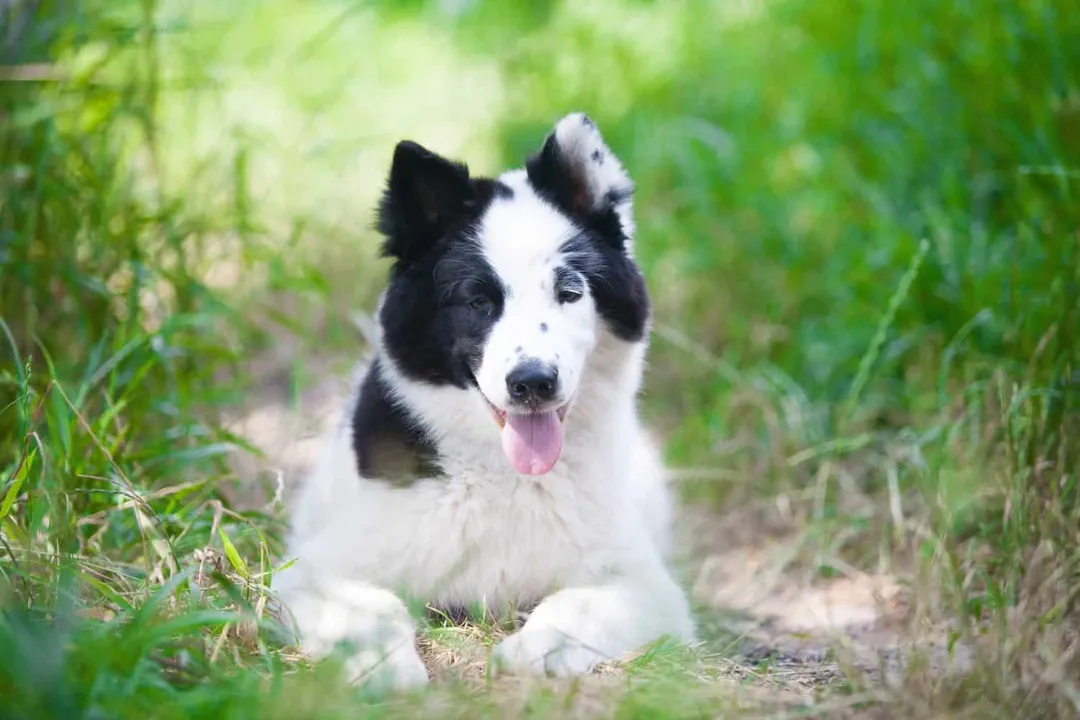
The cranial features of the Yakutian Laika reflect their utility as working dogs who historically hunted and performed rigorous tasks. The muzzle is required to be strong and taper slightly towards the nose, which ends in a well-developed nose leather, preferably black. Crucially, the jaws themselves must be strong. This strength is necessary to equip the dog to handle rough work or potentially secure prey if required in their traditional roles, confirming their hardy and capable physical design for survival and labor in the Siberian environment.
Related Questions
What profile shape results from the Yakutian Laika being slightly longer than tall at the withers?What layer of the Yakutian Laika's coat provides the primary thermal barrier against sub-zero temperatures?How frequently is the Yakutian Laika's undercoat noted to shed dramatically, a process sometimes called "blowing the coat"?How is the skull width of the Yakutian Laika described in relation to its length when viewed from above?What striking feature related to eye coloration is frequently noted in the Yakutian Laika breed?What is the functional purpose of carrying the tail curled tightly over the back when the Yakutian Laika is resting in deep snow?How is the movement or gait of the Yakutian Laika characterized in terms of efficiency and distance travel?Where is the luxurious double coat of the Yakutian Laika typically thicker and longer, forming a noticeable feature?What physical feature of the Yakutian Laika hints at the excellent lung capacity required for its high-output working life?What characteristic describes the muzzle and jaws of the Yakutian Laika in relation to their intended work?What does the fact that the AKC weight range covers both male and female Yakutian Laikas equally suggest about assessment?