What aspect characterizes the European Goldfinch's overall foraging adaptability across different environments?
Answer
Flexibility around a core preference for small, oil-rich seeds
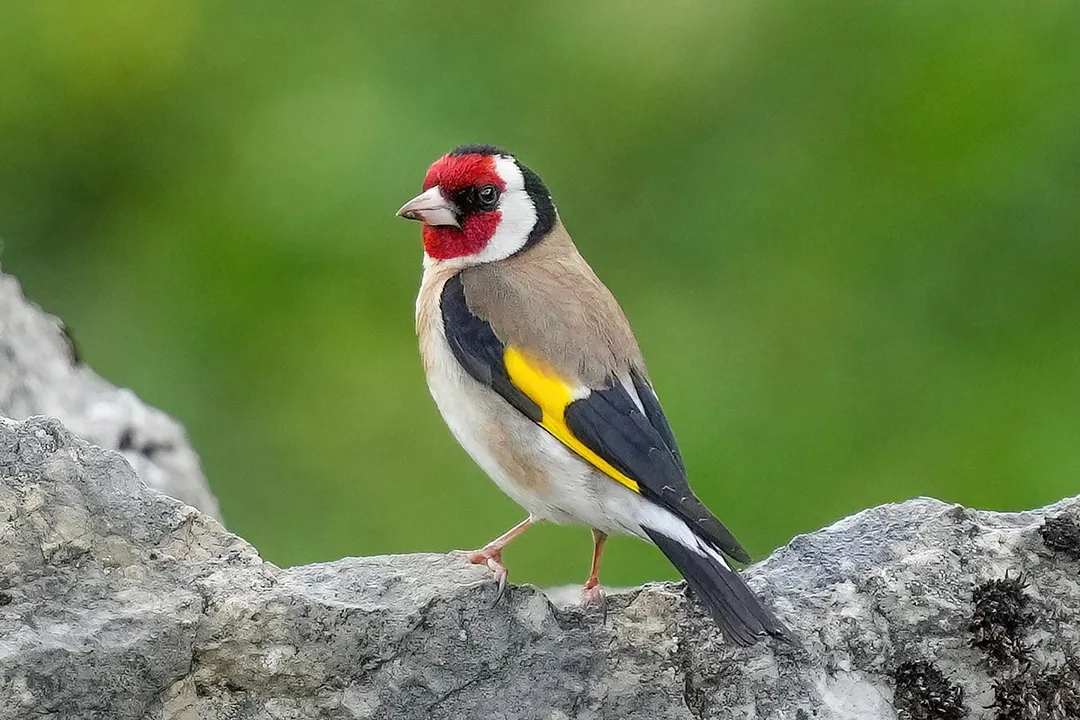
The success of the European Goldfinch in maintaining and increasing populations across various regions is attributed to a combination of specialization and flexibility. They are not strictly obligate feeders on a single plant species. Instead, their dietary success is characterized by a high degree of adaptability that surrounds a central requirement: a preference for small, oil-rich seeds. They can seamlessly shift between utilizing wild stands of plants like teasel and consuming cultivated garden offerings, provided the core characteristics of the food—small size and high energy content—are present.
Related Questions
What is the absolute favorite food source for the European Goldfinch mentioned in seed preference studies?How does the European Goldfinch's bill structure compare to many other finches?What essential high-protein food source do parents supplement for Goldfinch nestlings during the breeding period?What two components does the Goldfinch utilize to maneuver and extract the actual seed from a dried flower head like teasel?Beyond thistle, what other common seed-bearing flora do Goldfinches actively seek out across their European range?Why is niger seed structurally advantageous for attracting European Goldfinches to feeders?What term describes the actual seed that the Goldfinch extracts from the chaff within a dried flower head?What practical maintenance action is recommended when managing a Goldfinch feeder area due to their feeding habits?What advantage is gained by offering sunflower hearts instead of large, whole sunflower seeds to Goldfinches?What aspect characterizes the European Goldfinch's overall foraging adaptability across different environments?