What do European goldfinches eat?
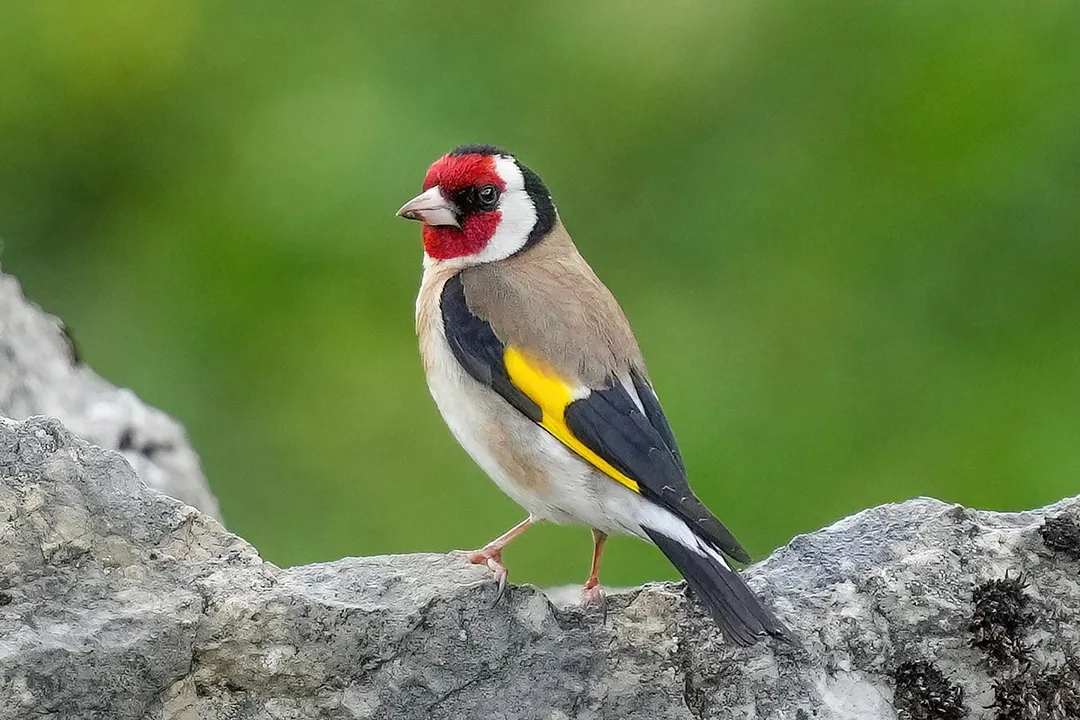
The diet of the European Goldfinch is a fascinating study in specialized adaptation, centered almost entirely around seeds, particularly those found on thistle-like plants. When you observe these bright little finches, whether flitting through scrubland or visiting a garden feeder, you are watching a bird with a beak perfectly engineered for its primary food source. While their needs are relatively straightforward—seeds, seeds, and more seeds—the nuances of which seeds, and when they eat other things, reveal much about their ecology.
# Seed Preference
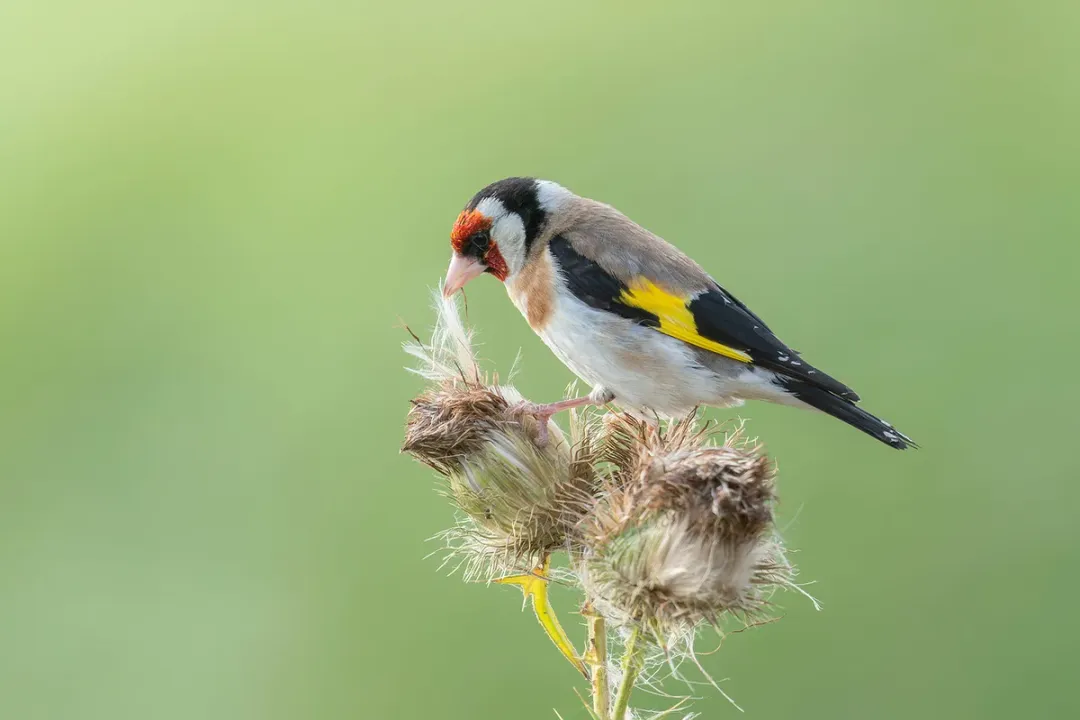
The absolute favorite food source for the European Goldfinch is the seed derived from thistle plants. This preference is so strong that the bird’s feeding habits and physical structure are often described in relation to thistle heads. However, their palate extends to a variety of other seed-bearing flora common across their European range.
Beyond the obvious thistle, they actively seek out seeds from plants like dandelion, burdock, and knapweed. During the warmer months, particularly in summer, you will commonly see flocks perched upon the tall stalks of these composites, methodically extracting their meal. It is not just roadside weeds; seeds from various grasses also contribute significantly to their natural intake. The focus remains on small, easily harvested seeds that can be secured from the seed heads themselves, rather than foraging exclusively on the ground for fallen debris.
For those looking to attract these birds to a garden setting, understanding their preferred natural menu helps immensely. While they are adaptable, mimicking their natural foraging opportunities yields the best results. A dense patch of teasel (a member of the thistle family) or even allowing some dandelions to go to seed can turn a backyard into a prime Goldfinch dining spot.
# Beak Mechanics
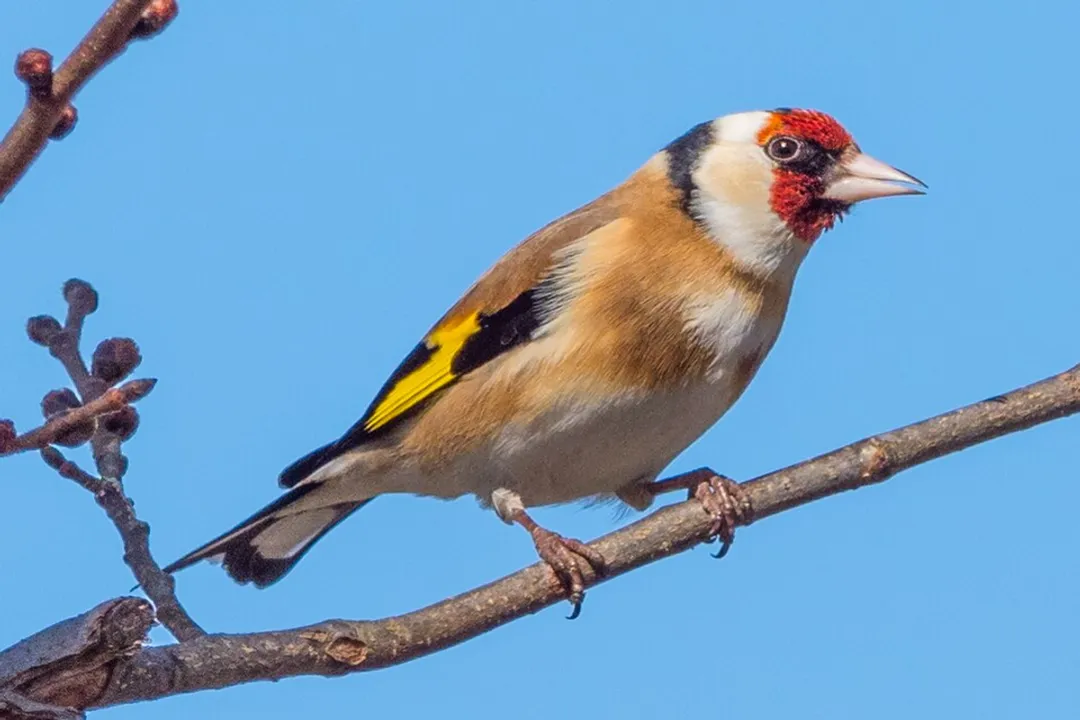
What allows the Goldfinch to thrive on such specific forage is its unique bill structure. Unlike the thicker, seed-crushing bills of many other finches, the European Goldfinch possesses a fine, pointed bill. This instrument is specifically adapted for the delicate work of seed extraction.
The process involves inserting the bill deep into the dried flower head, such as a teasel head, and then using its tongue and beak tips to maneuver and extract the tiny achenes—the actual seed—from the chaff. This dexterity is quite remarkable, allowing the bird to systematically clean out a seed head that might be too tough or complex for other small seed-eaters to manage efficiently. This mastery over thistle seeds sets the baseline for their feeding expertise.
Thinking about this adaptation in a modern context, it becomes clear why certain commercial seeds work so well. A bird that has spent generations perfecting the art of separating a tiny seed from a prickly, complex husk has the necessary fine motor skills to manage small items like niger seed or even shelled sunflower hearts. This built-in dexterity means they don't just eat what is available; they exploit food sources requiring a high degree of tactile skill.
# Seasonal Dietary Shifts
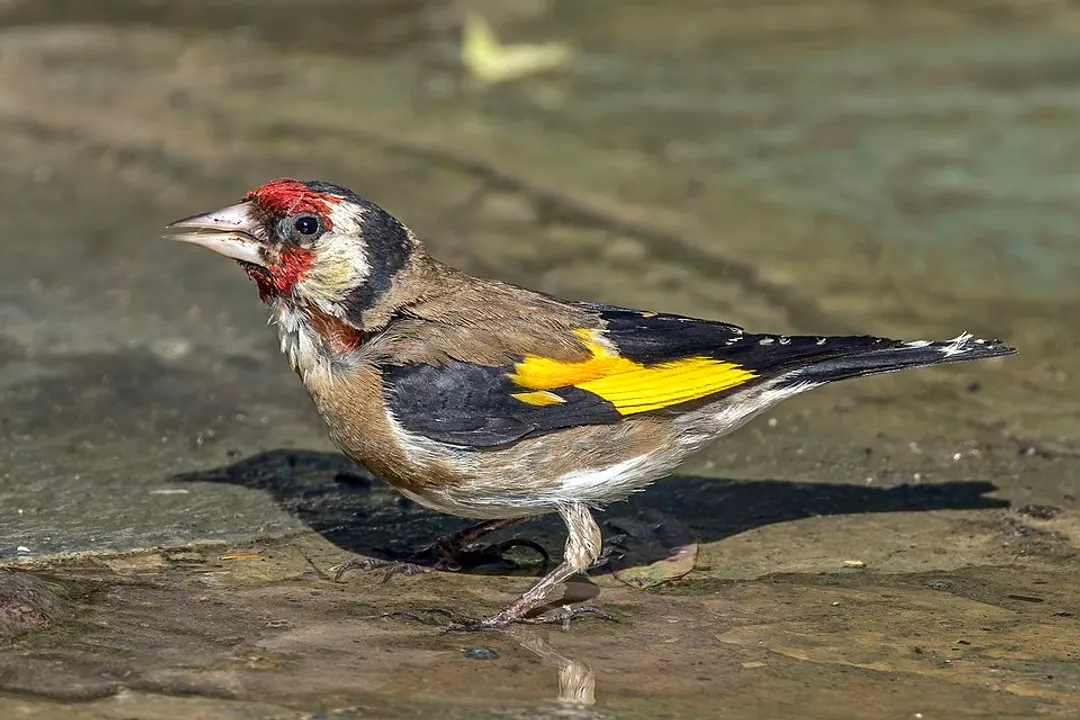
While seeds form the bedrock of the adult European Goldfinch diet year-round, there is a critical seasonal adjustment that occurs when nesting season arrives. When feeding their young, their dietary requirements change significantly to support rapid growth.
For the chicks, a diet composed purely of seeds is insufficient for development. During the breeding period, the parents must supplement their own foraging with high-protein food sources, which means insects and other small invertebrates become an essential part of the diet for the nestlings. Once the young fledge and are strong enough to handle harder seeds, the diet reverts primarily back to its seed base. This insectivorous interlude highlights a key survival strategy: utilizing seasonal protein spikes to successfully raise the next generation before returning to the reliable, durable energy of mature seeds for the rest of the year.
# Feeder Offerings
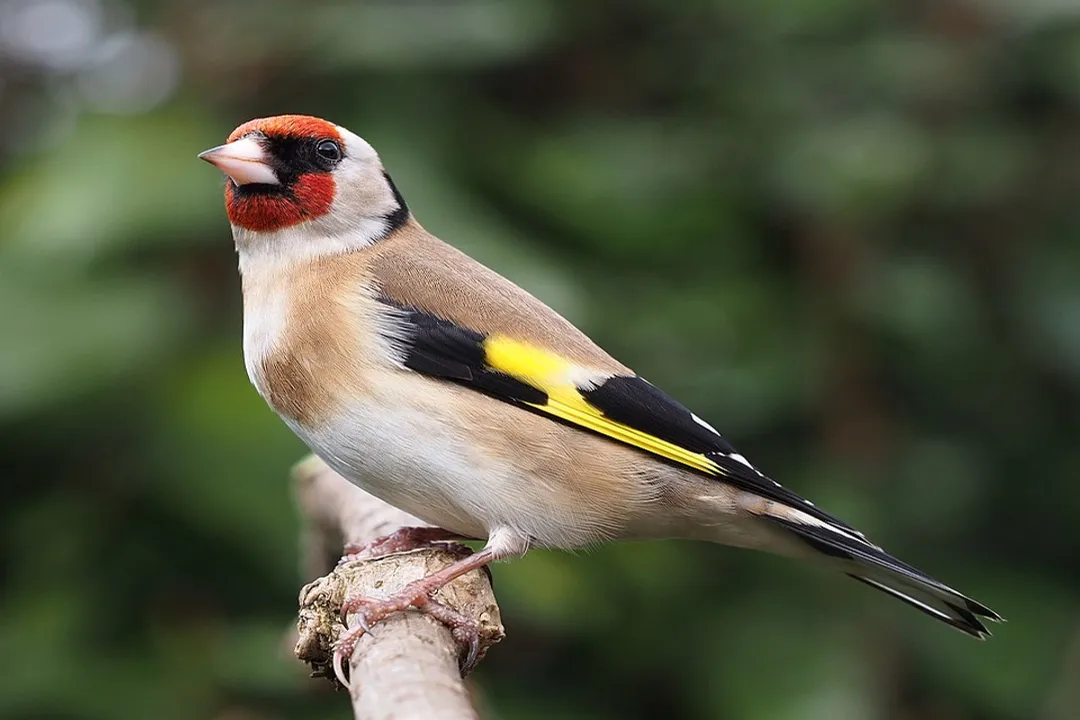
When Goldfinches visit garden feeding stations, they demonstrate a willingness to consume several types of commercial seed mixes, though they still show clear preferences. They are frequently observed feeding on the ground or clinging acrobatically to feeders.
Commonly accepted garden foods include:
- Niger seed (also spelled Nyjer).
- Sunflower hearts (shelled sunflower seeds).
- Small black oil sunflower seeds.
- Peanuts.
It is interesting to note the differences between what is easily provided and what they naturally seek. While large, whole sunflower seeds are certainly eaten, especially the oilier black varieties, the bird's preference for smaller items suggests that providing niger seed or sunflower hearts might be the most effective strategy for attracting and keeping them. Niger seed, being tiny and high in oil, is structurally similar to the small seeds they extract from dried flower heads, requiring a similar fine manipulation skill set. By offering shelled hearts, you bypass the need for them to hull the seed, allowing them to feed more quickly on a high-energy item.
A practical tip for managing a Goldfinch feeder is to consider the dispensing method. Because they often feed in small flocks and can be somewhat acrobatic, specialized finch feeders with smaller ports or tray feeders that allow them to perch comfortably are often very successful. Furthermore, because they are known to be quite messy and will often drop unwanted seed hulls, cleaning the area beneath the feeder regularly is important to prevent waste and deter unwelcome visitors like rodents. This simple act of maintenance ensures that the high-quality food you put out remains attractive and accessible to your target species.
# Foraging Adaptability
The European Goldfinch’s dietary success across different environments speaks to a high degree of foraging adaptability layered upon a specialized foundation. They are not strictly obligate feeders on one plant; rather, they are experts in seed quality and accessibility within the thistle family spectrum. This ability to shift seamlessly between natural stands of teasel and cultivated garden offerings is why they have maintained, and in many regions increased, their populations. Their diet is truly characterized by flexibility around a core preference for small, oil-rich seeds. Observing them in the wild or providing the right blend in a garden confirms that the Goldfinch is a highly skilled, dedicated seed specialist.
Related Questions
#Citations
The European goldfinch's preferred food is small seeds ... - Reddit
What Do European Goldfinches Eat? - Birdfact
European Goldfinch - That Pet Place
The Best Food for Goldfinches – UK Garden Feeding Guide
European goldfinch - Wikipedia
Birder's Notebook; European Goldfinch - Illinois Audubon Society
Goldfinch (Carduelis carduelis) - British Birds - Woodland Trust
Bird introduction-European Goldfinch - Birdfy
European Goldfinch Diet - Aussie Finch Forum