Why are the goldfinches not eating Nyjer seed?
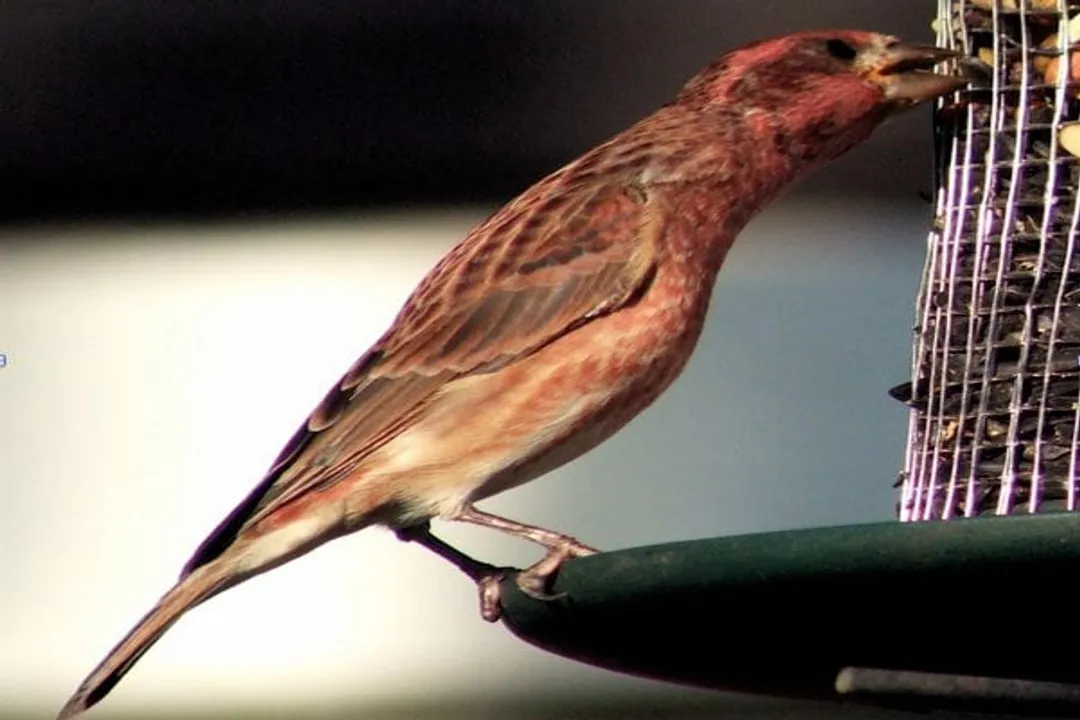
Seeing a beautiful, vibrant goldfinch flit past a feeder filled with fresh Nyjer seed, only to watch it ignore the offering and fly away, is a common source of frustration for backyard bird enthusiasts. The expectation is simple: if you offer Nyjer, the goldfinch will come. When they don't, the troubleshooting begins. However, the reasons behind this rejection are rarely singular; they involve a complex interplay of seed quality, feeder design, environmental safety, and the birds’ natural cycles. [1][6]
# Seed Quality
The primary reason a goldfinch bypasses Nyjer seed relates directly to its condition. Goldfinches possess a keen sense of smell, which helps them avoid danger and, importantly, avoid spoiled food. [2] Nyjer, which is technically a thistle seed, is high in oil content. [2] If this oil goes rancid, the seed develops an unpleasant odor that birds detect immediately, leading to total rejection. [2]
Rancidity isn't the only quality concern. Seed that has sat too long, particularly in humid conditions or in poorly sealed bags, can develop mold or mildew. [9] Furthermore, bird owners sometimes purchase very large bags of Nyjer when local bird activity is low, hoping to save money. [4] Unfortunately, if the seed isn't used within a few months, it loses its appeal or becomes unsafe. [2]
# Freshness Test
When you suspect the seed is the culprit, checking its actual freshness is the first diagnostic step. Truly fresh Nyjer should appear clean, black, and relatively uniform. [1] If the seed at the bottom of the bag feels clumped, looks dusty, or smells "off"—a bit like old cooking oil—it is past its prime. [2] A common issue that feeds into this is the practice of refilling a feeder without completely emptying and cleaning the old seed out first. [9] Even if you add fresh seed on top of seed that has begun to degrade, the entire batch becomes suspect to the birds, leading to waste underneath the feeder. [9]
It is worth noting that sometimes the issue isn't spoilage but adulteration. If you purchased a "finch mix" rather than pure Nyjer, the goldfinches might be selectively picking out any other desirable components, like small sunflower chips, and leaving the bulk of the Nyjer behind. [1][4] If you find a pile of untouched Nyjer beneath a feeder that also contains sunflower seeds, the birds have made their preference clear. [5]
# Feeder Style
Even perfect seed will remain uneaten if the delivery system is unappealing or impractical for the target species. Goldfinches are acrobats, but they still have preferences for how they dine. [1]
# Perch Preference
Goldfinches generally prefer to hang upside down or cling while eating. [1] They are often most attracted to tube feeders that offer small perches directly below the feeding ports. [1] While some feeders are explicitly marketed as "thistle socks," which appear soft and mesh-like, these can sometimes cause problems. These mesh socks can hold moisture, encouraging mold growth within the seed supply. [9] Furthermore, the loose nature of the mesh might not provide the stable gripping surface a finch is looking for, especially if they are competing with other small birds. [1]
# Access Points
The size and type of the feeding port are critical. If the holes are too large, seed spills out too quickly, creating a mess on the ground that birds may perceive as unsafe or unappetizing. [9] If the ports are too small, they can become clogged, especially if the seed absorbs any moisture, preventing access altogether. [1] Goldfinches are often drawn to feeders where they can easily see the seed and land securely, suggesting that the tube feeder design, when well-maintained, is often superior to many hopper styles for this specific bird. [1]
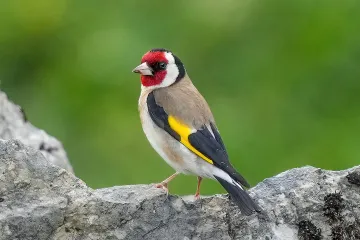
# Environmental Context
Birds, especially small, high-metabolism species like goldfinches, operate on a constant risk-assessment level. Their decision to visit a feeder is heavily influenced by perceived safety and visibility within the landscape. [6]
# Predator Awareness
A major deterrent is the presence of hawks or cats. If a feeder is placed too close to dense shrubs, overgrown hedges, or the eaves of a building, it provides perfect ambush points for predators like Cooper’s Hawks. [6] Goldfinches are wary; if their approach to the feeder is obscured, they may decide the reward isn't worth the risk and opt to feed elsewhere, or simply not feed at all. [6]
# Window Hazards
Placement relative to windows is another significant safety factor. Feeders placed directly against windows or too close to large reflective glass panes cause countless fatal collisions annually. [6] Even if the bird survives the initial impact, the trauma often leads it to avoid that general area for feeding afterward. Conversely, placing a feeder too far away—over 30 feet from a window—means the birds might not even notice it or consider it part of their recognized feeding territory. [6] The sweet spot for safety and visibility often lies between 10 and 15 feet from glass, but a clear flight path to the feeder must always be maintained. [6]
# Natural Rhythms
The presence of goldfinches and their preference for Nyjer seed shift dramatically depending on the time of year and local environmental conditions, sometimes overriding feeder appeal entirely.
# Seasonal Needs
During the late spring and summer months, goldfinches are focused on breeding and raising young. [1] This period requires a massive intake of protein to feed their rapidly growing nestlings. While Nyjer is high in fat, they often shift their preference to seeds with a higher protein content, such as sunflower hearts or even insects, making Nyjer a secondary choice. [1]
As autumn transitions into winter, the dynamic reverses. Once breeding is complete, the high-fat content of Nyjer becomes vital for maintaining the energy reserves needed to survive cold nights. [1] If your birds ignore Nyjer in July but readily take it in January, this seasonal shift is the likely explanation. [1]
# Local Food Availability
Perhaps the most overlooked reason is simple competition from nature. If the surrounding environment has a healthy population of native thistles, teasels, or other seed-bearing weeds that goldfinches naturally consume, they will almost always prefer the free, natural forage over paid seed. A particularly wet or prolific growing season can lead to an abundance of natural seeds, causing a noticeable dip in feeder activity, regardless of the quality of the seed you offer. [6] It is helpful to survey the immediate area; if there are standing seed heads from wildflowers, the finches have a strong alternative.
When trying to encourage birds during a time of natural abundance, consider providing what they are already eating, which might mean supplementing with black oil sunflower seeds (BOSS) temporarily until the natural food source is depleted. [5] Many experienced observers note that if BOSS is available, goldfinches will often choose it over Nyjer, even when Nyjer is fresh. [2]
# Maintenance and Cleanliness
Birds are instinctively drawn to hygiene, recognizing that soiled areas often harbor disease. A neglected feeder station is a major deterrent.
# Ground Mess
The area under the feeder is as important as the feeder itself. [9] If spilled Nyjer accumulates, it begins to rot, molds quickly, and creates a damp, unsavory environment. [9] Goldfinches may observe this mess from a nearby branch and decide the entire feeding spot is contaminated, causing them to avoid landing near it entirely. [9] Keeping the ground area swept or using specialized trays that capture seed without letting it mulch into the dirt is a preventative measure that encourages return visits.
# Feeder Health
The physical structure of the feeder must be kept clean. If you are using plastic tubes or socks, soap scum, dust, or dried bird droppings can create a film that makes the ports slippery or unappealing. [1] A good cleaning routine involves scrubbing the feeder with a mild bleach solution (one part bleach to nine parts water) and rinsing thoroughly, ensuring it is completely dry before refilling. [1] This practice not only keeps the seed fresher longer by preventing surface mold but also reduces the spread of avian diseases, building trust with your local flock.
When troubleshooting, approach the problem systematically. Start with the seed, move to the feeder type, evaluate the location based on predator awareness, and finally, confirm the time of year aligns with their feeding habits. A persistent lack of visits often points back to seed age or feeder security more than anything else.
Related Questions
#Citations
Why are my goldfinches no longer using my feeder?
Why are finches not eating nyjer seeds? - Quora
Birds not eating Nyjer (thistle seed)?
why won't goldfinches use nijer feeder? - BirdForum
why won't finches come to my feeders? : r/birdfeeding - Reddit
Why Don't I Have Any Finches At My Feeder? - 10,000 Birds
If it seems like goldfinches have stopped visiting your feeders, our ...
Mess Under Nyjer Feeders - Birdseed & Binoculars Blog Home