Unlike kangaroos which use foregut fermentation, what characterizes the wombat's digestive adaptation?
Answer
Slowness and persistence
While both wombats and kangaroos are grazers adapted to Australian dry conditions, their methods of processing bulk feed differ significantly. Kangaroos, like cattle, utilize foregut fermentation to rapidly process large amounts of fiber. In contrast, the wombat's primary digestive strategy relies on an extremely slow throughput time—up to 14 days—to extract nutrients over duration. This is described as an adaptation leaning heavily on slowness and persistence rather than rapid rumination. This slow, duration-based method achieves nutrient extraction efficiency through sheer time rather than rapid microbial processing chambers found in foregut fermenters.
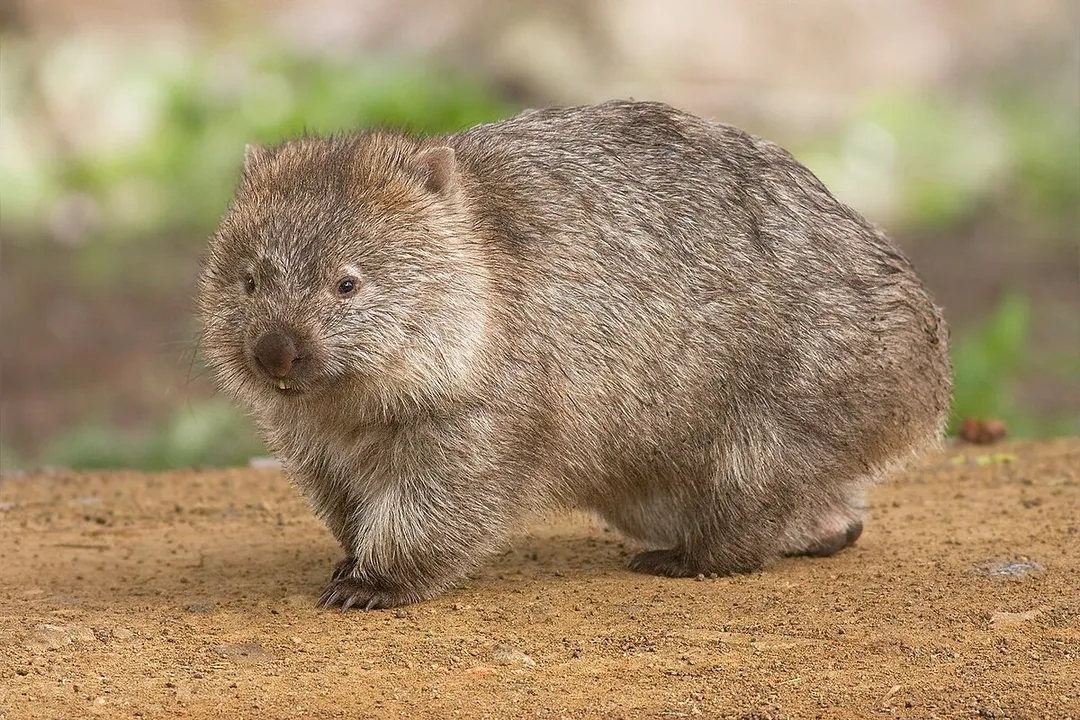
#Videos
What Do Wombats Eat - The Complete Wombat Diet - YouTube
Related Questions
What is the maximum residence time food spends in a wombat's system?Why do wombat incisor teeth continuously grow like rodents?What shapes the cube-shaped droppings of the wombat?What constitutes the overwhelming majority of a wombat's diet?How many kilograms of grass must an adult wombat typically ingest daily?Unlike kangaroos which use foregut fermentation, what characterizes the wombat's digestive adaptation?What specific items do wombats consume to supplement the bulk provided by grasses?Observing the condition of which specific grass genus indicates primary food source quality for wombats?As herbivores, what ecological role do wombats occupy in their ecosystems?What is the functional purpose of the cube shape of wombat droppings?