Wombat Diet
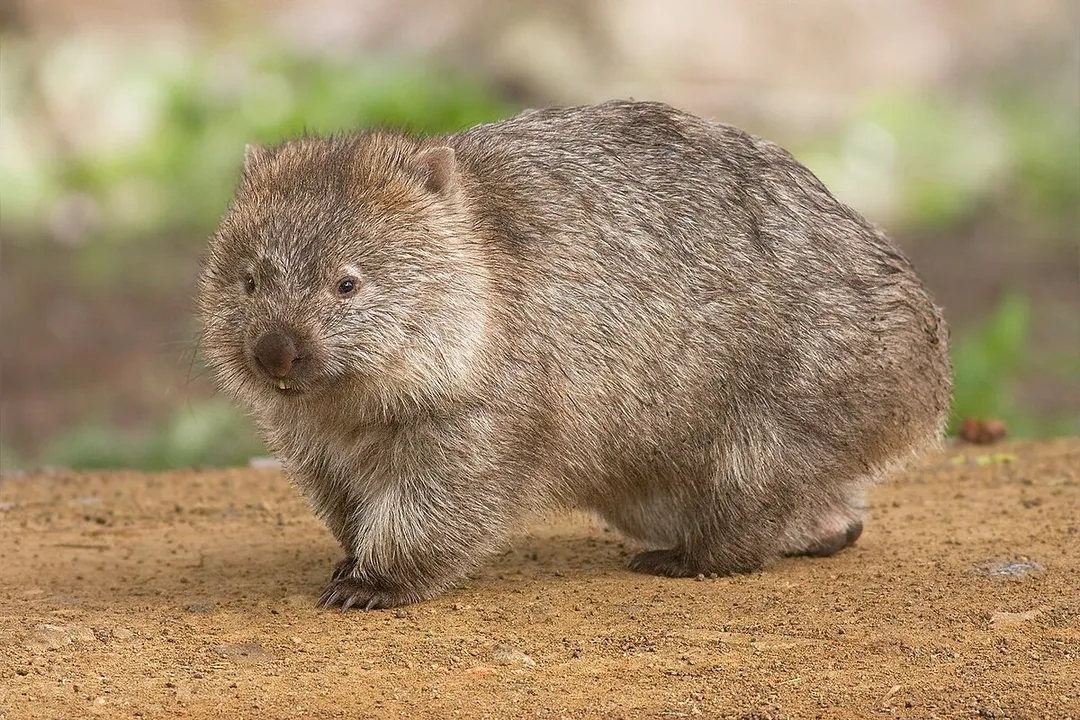
Wombats are creatures perfectly adapted to survive on the sometimes sparse vegetation of their Australian homes, built primarily around a strict herbivorous diet. While they are famously associated with eating grass, their menu, though simple, is finely tuned to the tough plant life they encounter daily. Understanding what they consume is key to appreciating their unique biology, especially how they manage to thrive on seemingly poor-quality forage.
# Herbivore Status
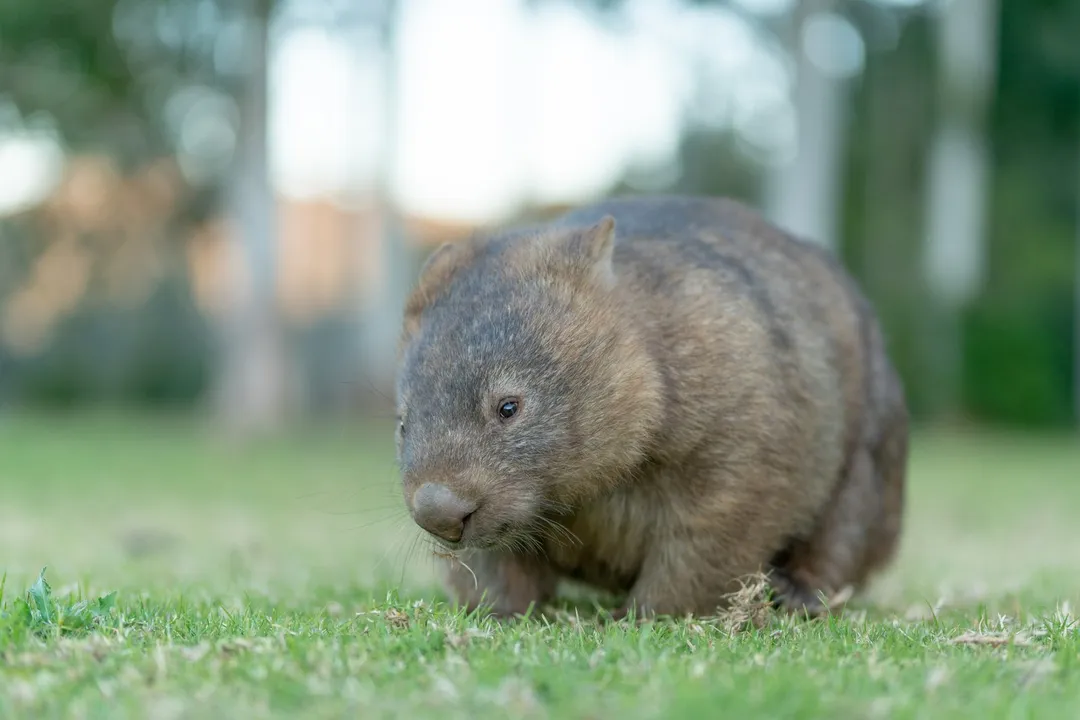
As herbivores, wombats occupy the role of primary consumers in their ecosystems. Unlike many other marsupials that might supplement their diet with browsing (eating leaves, shoots, and fruits), wombats are overwhelmingly dedicated grazers. This dedication dictates much about their behavior, as they spend significant portions of the night actively feeding to meet their energy requirements. Their digestive apparatus is geared entirely toward breaking down cellulose-heavy plant matter, which requires specialized adaptations.
# Staple Forage
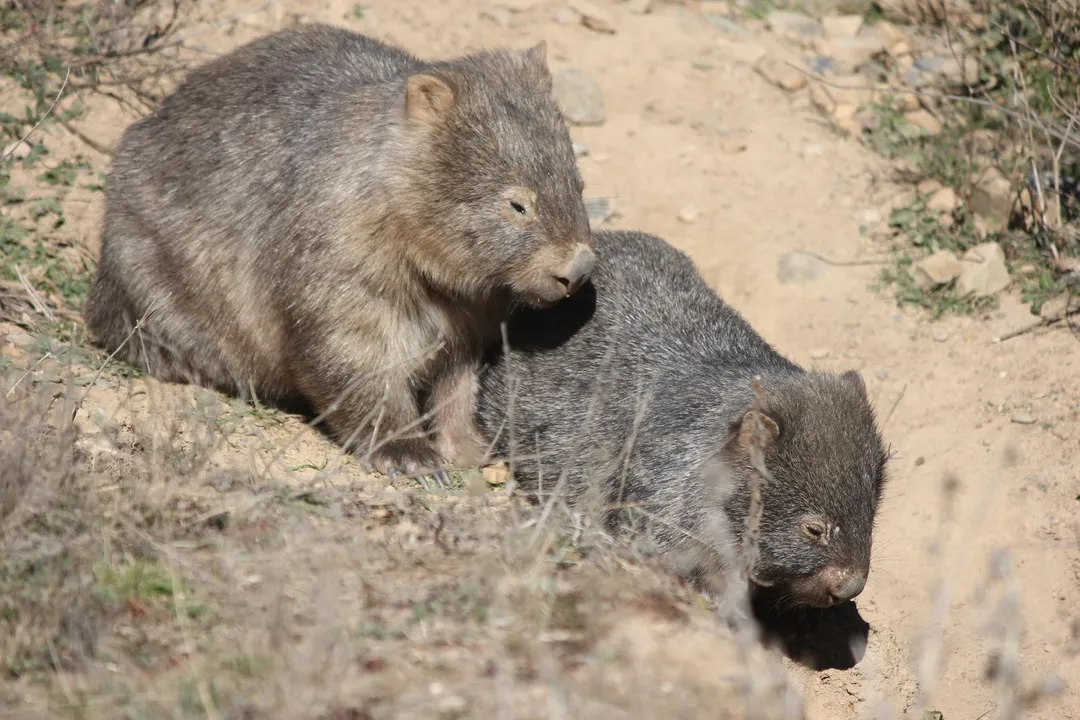
The overwhelming majority of a wombat's diet consists of grasses. This preference is particularly pronounced in the Common Wombat, also known as the Bare-nosed Wombat, which is largely a dedicated grazer. They tend to prefer shorter grasses, and studies have shown they can be quite selective, choosing specific species over others available in their immediate vicinity. However, their diet is not entirely grass-based. To supplement the bulk provided by grasses, wombats will also consume other available vegetation when necessary, including roots, bulbs, herbs, and even bark. This opportunistic inclusion of tougher material ensures they get necessary trace elements and bulk when grasses are scarce or when they are underground digging for roots.
If you are ever trying to understand the health of a local wombat population, observing the condition of the Poa grasses in their territory offers a direct indicator of their primary food source quality. The ability of the wombat to maintain body condition on these often dry, low-nutrient native grasses speaks volumes about the efficiency of their internal systems, far more than just knowing they eat "grass".
# Dental System
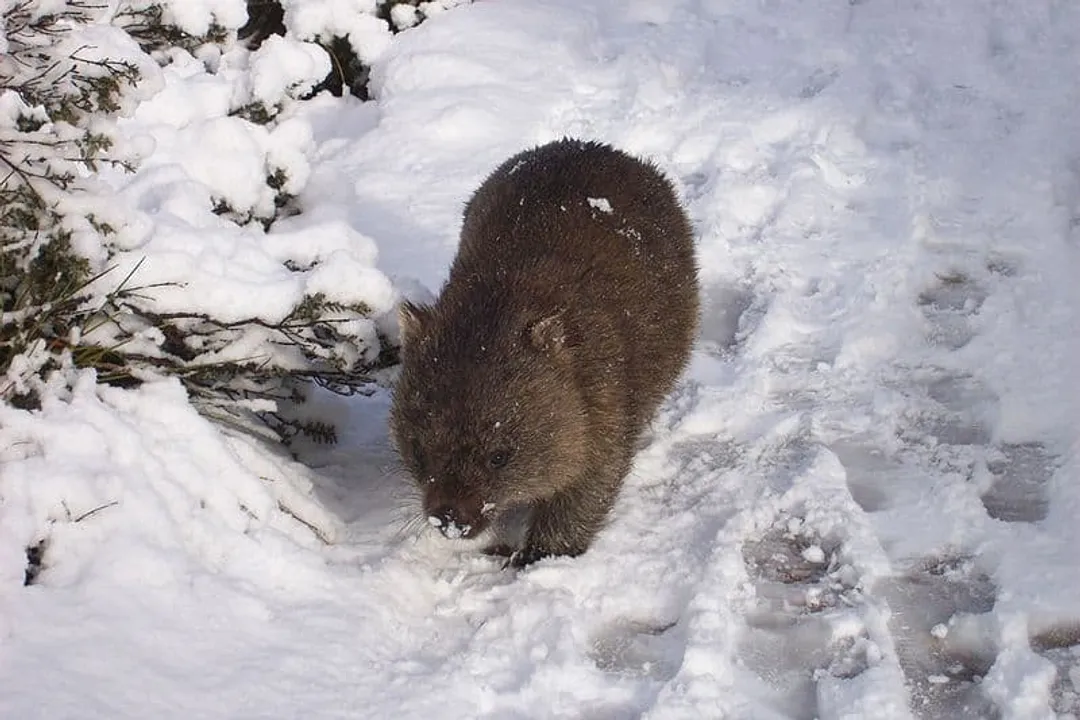
One of the most fascinating aspects linking the wombat's diet to its physiology involves its teeth. Like rodents, wombats possess continuously growing incisor teeth. This constant growth is essential because chewing tough, abrasive grasses and roots causes significant wear and tear on the enamel. If their teeth did not continuously erupt and replace the worn-down material, the animal would quickly be unable to graze effectively, leading to starvation. This dental feature represents a long-term evolutionary adaptation to a diet that constantly files down their tools of mastication.
# Digestion Efficiency
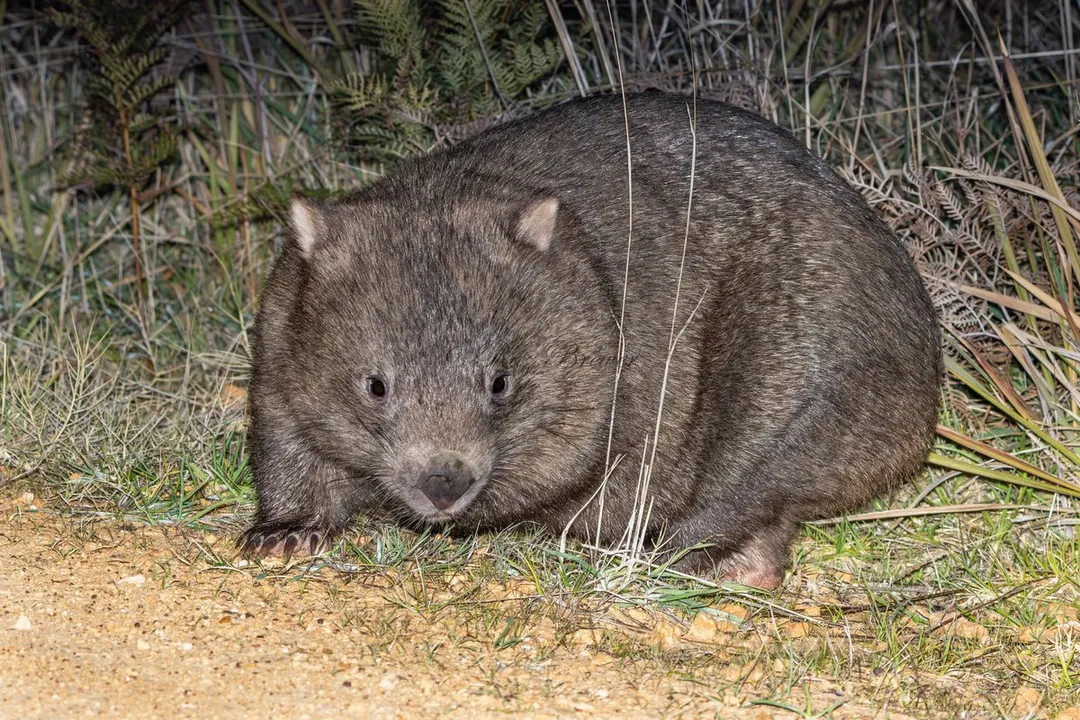
The payoff for the wombat's slow grazing is an incredibly efficient, slow digestive process. It can take a wombat up to 14 days for food to pass through its system. This extended residence time is critical; it maximizes the amount of energy and nutrients that can be extracted from relatively low-quality, high-fiber plant material. While a ruminant like a cow processes food quickly through fermentation chambers, the wombat achieves similar results through sheer duration. This slow throughput is also directly linked to their generally low metabolic rate, which helps conserve energy, a necessary trade-off for an animal that has to spend much of the night foraging.
To visualize this, consider a hypothetical 25-kilogram wombat consuming of dry matter in one night. If that material takes 10 days to fully process, the organism is essentially operating on a very slow-release nutrient schedule, minimizing the need for constant high-energy intake compared to a faster-digesting mammal of similar size. This adaptation is an excellent example of evolutionary specialization for resource scarcity.
# Daily Intake
To sustain their body weight and maintain their slow-but-steady metabolism, wombats must consume a substantial volume of food each night. An adult wombat typically needs to ingest between $2$ and of grass daily. Since they are nocturnal feeders, this entire intake occurs during their active hours after sunset. The amount required can fluctuate based on the season and the nutritional content of the pasture available at the time. During drier periods, the sheer volume they must consume to meet caloric needs can increase, even if the quality of the food source has dropped, putting more pressure on their digestive tracts.
# Fecal Structure
Perhaps the most famously unique aspect related to the wombat's diet is the shape of its droppings: they are cube-shaped. This distinct shape is not related to their diet in terms of what they eat, but rather how their intestines process the resulting waste. The final stages of the colon in wombats have walls with varying degrees of elasticity. As the dried fecal matter moves through this section, the hardening material is shaped by these unevenly elastic walls into the characteristic square blocks. This shape is highly functional; it prevents the droppings from rolling away, which is useful for territorial marking on uneven ground or rocks.
# Dietary Comparisons
When comparing the wombat diet to other large grazers in Australia, the contrast is notable. Kangaroos, for instance, are also grazers but employ foregut fermentation, similar to cattle, which allows them to process bulkier feed more rapidly, though both groups are highly adapted to dry conditions. The wombat’s adaptation leans heavily on slowness and persistence rather than rapid rumination.
| Food Category | Primary Species Examples | Key Adaptation Link |
|---|---|---|
| Grasses | Poa, other short grasses | Continuous teeth wear |
| Roots/Bulbs | Dug up opportunistically | Fiber processing; slow transit time |
| Bark/Herbs | Various tough plant material | Nutrient scavenging |
It is important for land managers to recognize that simply providing abundant volume of grass may not be enough; the type of grass dictates how easily the wombat can process it given its 14-day digestion cycle. A pasture heavily dominated by tough, indigestible stalks, even in high quantity, requires more physical effort to process than one with softer blades, potentially leading to lower net energy gain for the animal.
# Environmental Factors
The availability and quality of vegetation directly influence wombat behavior and health. In areas where human activity has altered the landscape, such as through land clearing or the introduction of non-native pasture species, the wombat’s diet can be inadvertently changed. While they are adaptable grazers, significant shifts in their environment mean they must constantly adjust their foraging paths and time spent above ground. For example, during a drought, the already low nutritional value of native grasses plummets, forcing them to rely more heavily on consuming roots and bark, which may contain compounds that are harder to process, stressing their slow digestive system. Protecting the integrity of native grasslands remains one of the simplest yet most effective ways to support wombat populations, as it supports the specific fibrous diet they are optimized to handle.
#Videos
What Do Wombats Eat - The Complete Wombat Diet - YouTube
Related Questions
#Citations
Wombats (Vombatus and Lasiorhinus spp.) Fact Sheet: Diet & Feeding
Wombat Diet - Wombania
Wombat Diet and Poo - Scats
Wombat - Wikipedia
[PDF] Our Wildlife Fact Sheet
Wombats are herbivores; their diets consist mostly of grasses ...
Wombat Facts, Size & Features - Study.com
What Do Wombats Eat - The Complete Wombat Diet - YouTube
What Do Wombats Eat? - A-Z Animals
Bare-nosed Wombat - The Australian Museum