In what type of environment is the Riparian woodrat found consuming roots and green vegetation?
Answer
Specific riverine environments
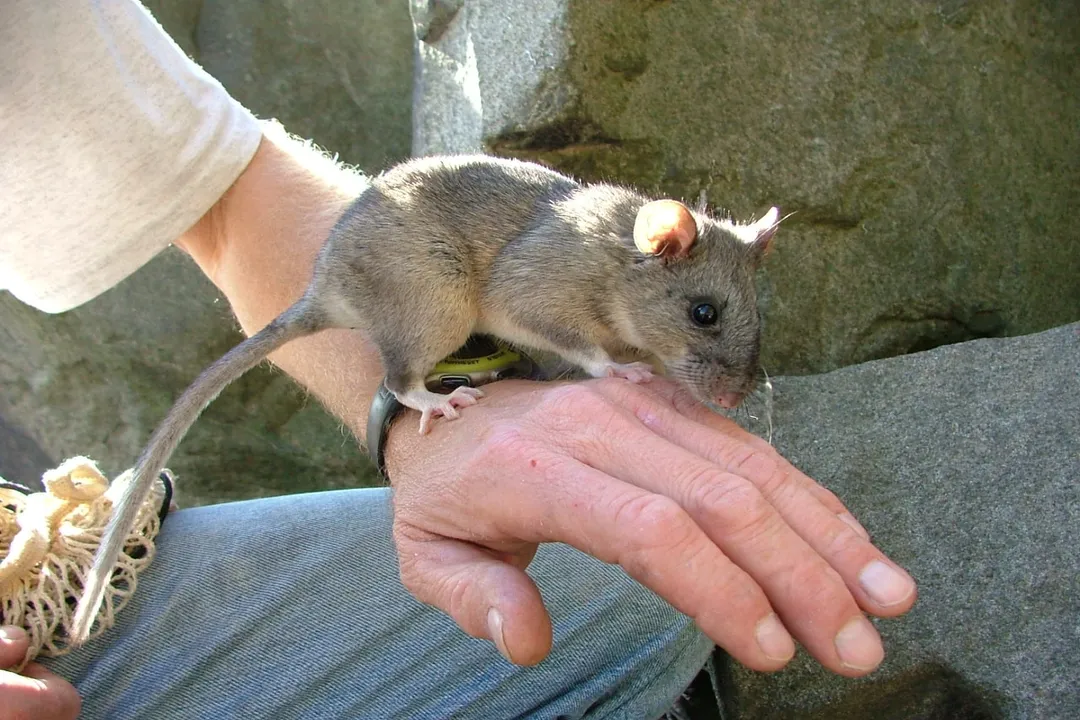
The Riparian woodrat is recognized as a subspecies of *Neotoma fuscipes* whose ecological specialization ties it directly to aquatic or semi-aquatic settings. Riparian refers to the interface between land and a river or stream. Consequently, this specific woodrat population is found in environments characterized by the presence of water, allowing them access to lush, year-round available foliage. Their diet reflects this habitat, focusing on roots pulled from moist soil and the abundant green vegetation associated with riverbanks and associated floodplains.
Related Questions
What purpose do the woodrat accumulations known as middens serve?What food source is the Allegheny woodrat highly reliant upon for winter survival?How is the general diet of woodrats classified relative to plant and animal matter?How significant can the weight of acorns and nuts amassed by a woodrat family in September be?What components are specifically incorporated into the regular meals of the Dusky-footed Woodrat?What advantage does a woodrat's relatively high tolerance for certain plant toxins provide?In what type of environment is the Riparian woodrat found consuming roots and green vegetation?What specific food items form a significant portion of the Eastern woodrat diet in regions like Tennessee?What factor dictates winter survival rates for woodrats more than scavenging during the cold months?How are woodrats known to transport multiple edible materials back to their hoard?