Woodrat Diet
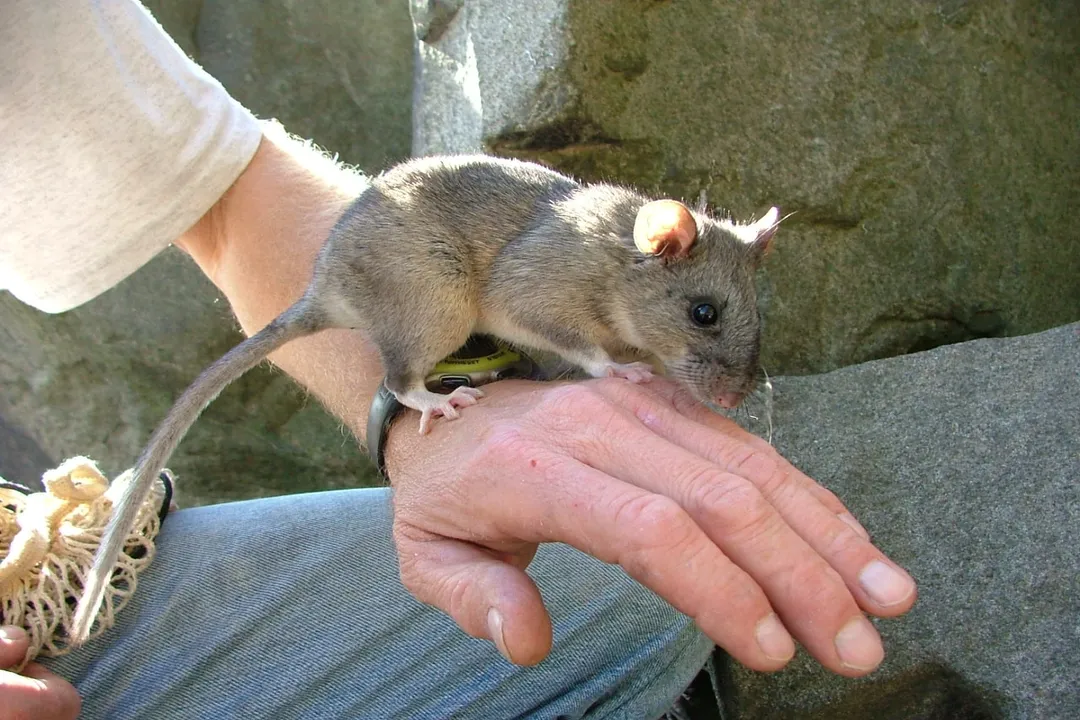
The life of a woodrat, often mistakenly lumped together with their notorious scavenging cousins, the common Norway rat, is intrinsically tied to their meticulous gathering habits and diverse diet. These native North American rodents, including species like the Allegheny woodrat (Neotoma magister or Neotoma pennsylvanica), the Eastern woodrat (Neotoma floridana), and the Dusky-footed woodrat (Neotoma fuscipes), are superb environmental integrators, relying heavily on what their immediate habitat provides. [3][9] Their survival hinges on successfully identifying, collecting, and caching a wide array of natural provisions throughout the year. [2]
# Diet Diversity

Woodrats are generally considered omnivores, but their diet leans heavily toward plant matter, making them primarily herbivores that occasionally supplement their intake with animal protein. [3][10] The specific composition of their meals varies considerably based on geography, altitude, and the season, reflecting a high degree of dietary adaptability. [1][5]
For many woodrat populations, especially those in forested or rocky areas, seeds and nuts are essential staples. For example, the Allegheny woodrat, found in states like Indiana and Virginia, consumes seeds from various trees and plants, alongside acorns, which are a crucial, energy-dense food source when available. [1][5] In regions where they reside, such as Tennessee, Eastern woodrats rely on a significant portion of their diet coming from nuts, seeds, fruits, and fungi. [9]
Vegetative matter forms another cornerstone of their nutrition. This includes grasses, forbs (broad-leaved flowering plants), twigs, and bark. [2][3] The Dusky-footed woodrat of the West, for instance, incorporates leaves and buds into its regular meals. [10] When fresh vegetation is abundant, they readily consume it. Conversely, during leaner times, they shift focus to drier materials or stored caches. [5]
While predominantly plant-eaters, woodrats do ingest animal items. This opportunistic protein intake can include insects, snails, or even small vertebrate remains they scavenge or catch. [3][10] The exact percentage of animal matter is often small but provides necessary nutrients, particularly for growth or reproduction. [2] It is worth noting that the riparian woodrat, a subspecies of Neotoma fuscipes found in specific California areas, is also known to consume roots and green vegetation. [4]
# Foraging Habits

Woodrats are renowned not just for what they eat, but how they manage their food supply. They are famous for creating large, messy accumulations of debris known as middens, which serve as their nests and pantries combined. [2][3] These caches are vital to their survival, especially in environments where food availability fluctuates dramatically, such as during harsh winters or dry seasons. [5]
The process involves constant foraging. A woodrat will venture out from its den or midden, select edible materials—often selecting the highest quality, most nutrient-dense items available—and carry them back, sometimes traveling significant distances. [2] They are known to collect multiple items at once, often holding several seeds or berries in their mouths before returning to their hoard. [3]
Consider the timing of this hoarding. While one might assume peak summer collection is the main focus, the success of a woodrat colony in the colder months hinges on the diligent work done in early fall. A local study in a rocky woodland area might show that a single woodrat family can amass several pounds of acorns and nuts over just a few weeks in September, a weight equivalent to nearly half of the adult’s body mass, illustrating the intensity of their autumn feeding routine. This preparatory effort dictates winter survival rates more than scavenging during the cold months. [1]

# Species Specifics
While a general diet overview is helpful, recognizing species-specific tendencies provides a clearer picture of woodrat ecology.
| Woodrat Species | Primary Food Components | Key Dietary Note |
|---|---|---|
| Allegheny Woodrat | Acorns, nuts, seeds, fruits, bark | Highly reliant on cached hard mast for winter survival. [1][5] |
| Eastern Woodrat | Seeds, fungi, fruits, grasses, insects | Diet varies widely across its broad range, adapting to local flora. [9][3] |
| Dusky-Footed Woodrat | Green vegetation, seeds, insects | Known to consume leaves and buds frequently. [10] |
| Riparian Woodrat | Roots, green vegetation | Found in specific riverine environments, consuming available foliage. [4] |
The Allegheny woodrat, for instance, shows a particularly strong dependence on hardwood mast crops, like acorns from oak trees, leading to population fluctuations tied to the mast cycle. [1][5] If the oak trees have a poor acorn year, these woodrats face a nutritional challenge that less specialized feeders might overcome more easily.
Another interesting differentiation is seen in the Florida state parks, where endemic woodrats might face unique threats partially related to food sources that are less available elsewhere. [7] This highlights how localized changes in vegetation—due to climate or development—directly impact the viability of these specialized populations.
# Ingestion Risks
The dedicated consumption of plant material brings an inherent risk, especially when foraging in diverse, sometimes unfamiliar, environments. Research conducted in areas like Utah, which hosts various woodrat species, has looked into the fascinating, if unusual, aspect of woodrat diet involving toxins. [6]
Some plants synthesize chemical defenses to ward off herbivores. However, studies suggest that woodrats, unlike some other rodents, may possess a relatively high tolerance for certain plant toxins found in their food sources, allowing them to eat vegetation that might be harmful to others. [6] This tolerance is an evolutionary advantage, broadening their available food base when preferred, non-toxic items are scarce. It suggests a complex physiological adaptation to process secondary plant compounds that are simply rejected by grazers with less robust detoxification systems.
It is a balancing act: benefiting from a wider food array while ensuring that the collected items, whether seeds or insects, do not accumulate harmful levels of toxins or parasites. The woodrat’s meticulous caching behavior might inadvertently help them manage this risk; if a batch of collected items proves mildly distasteful or causes ill effect, they may simply avoid that specific stash for a time, opting for fresher finds. [2]
Overall, the woodrat diet is a textbook example of an opportunistic herbivore perfectly adapted to its niche. By prioritizing high-energy seeds and nuts but maintaining the flexibility to consume grasses, fruits, and occasional insects, they secure their survival across changing seasons and differing habitats, always backed up by their impressive, well-organized larders. [2][3][5]
Related Questions
#Citations
DNR: Fish & Wildlife: Allegheny Woodrat - IN.gov
Living With Woodrats (Pack Rats) - Montana FWP
Eastern woodrat - Wikipedia
Riparian Woodrat (Neotoma fuscipes riparia) | U.S. Fish & Wildlife ...
Allegheny woodrat - Virginia Department of Wildlife Resources
Not Easy Eating Green: latest on woodrats & toxin research
Endemic and Endangered Woodrat | Florida State Parks
Allegheny woodrat - Conserve Wildlife Foundation of NJ
Eastern Woodrat | Tennessee Wildlife Resources Agency - TN.gov
Dusky-Footed Woodrat | National Wildlife Federation