In terms of retraction, how do the wolverine's five powerful claws fundamentally differ from those found on felines?
Answer
They are non-retractable
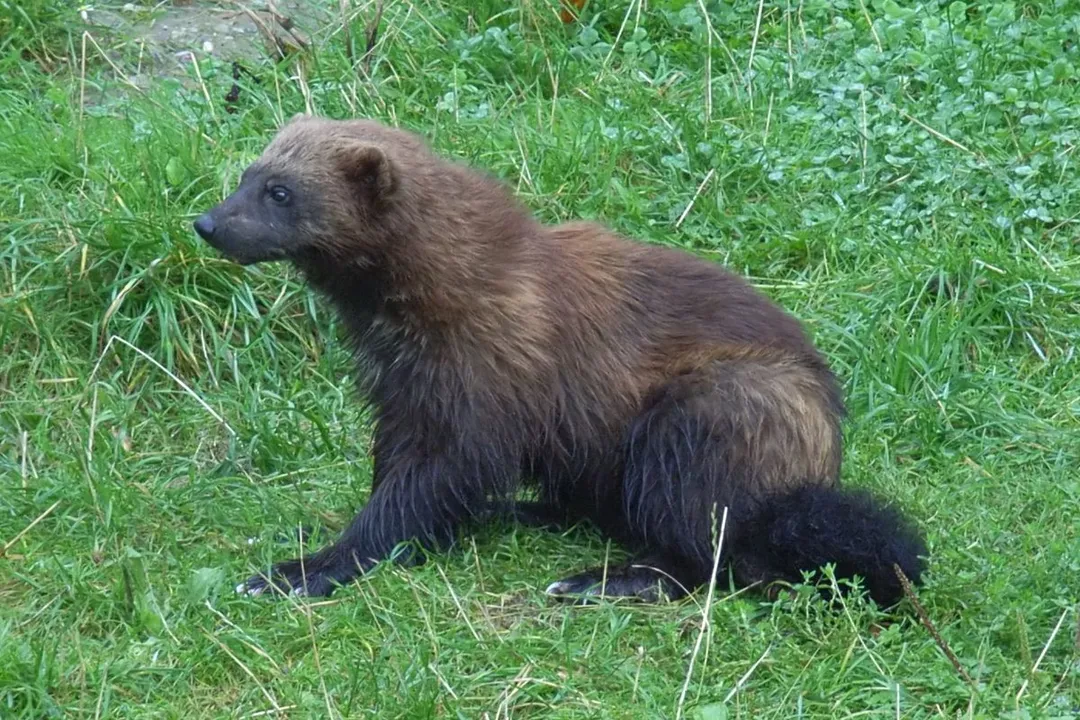
The structure of the wolverine's claws is optimized for traction and digging in hard, icy terrain rather than silent movement on soft surfaces. Unlike felines, which possess retractable claws that remain sheathed until needed, the wolverine's five claws on each paw are permanently exposed, meaning they are always extended. This non-retractable nature ensures maximum grip when climbing steep, frozen inclines, digging into snow or ice to cache food or create dens, and securing struggling prey, prioritizing constant traction over stealth.
Related Questions
What family lineage does the wolverine (*Gulo gulo*) belong to, excluding its misnomer as a true wolf?What unique structural attribute of the wolverine's oily and coarse fur prevents icing over in frigid habitats?What term specifically identifies the distinctive yellowish-brown band wrapping around the wolverine’s dark brown coat?Which specialized feature of the wolverine's feet distributes weight effectively over deep powder snow?In terms of retraction, how do the wolverine's five powerful claws fundamentally differ from those found on felines?What is the general upper limit weight threshold for healthy adult wolverines mentioned in typical measurements?What unique capability is afforded by the wolverine's exceptionally strong jaws and large dentition?Which sensory organ is described as acute, assisting in locating distant carrion buried beneath the snow?What physical description emphasizes the wolverine's stability for maneuvering across uneven, frozen ground?Where are the specialized scent glands located on the wolverine used for territorial chemical communication?