Wolverine Physical Characteristics
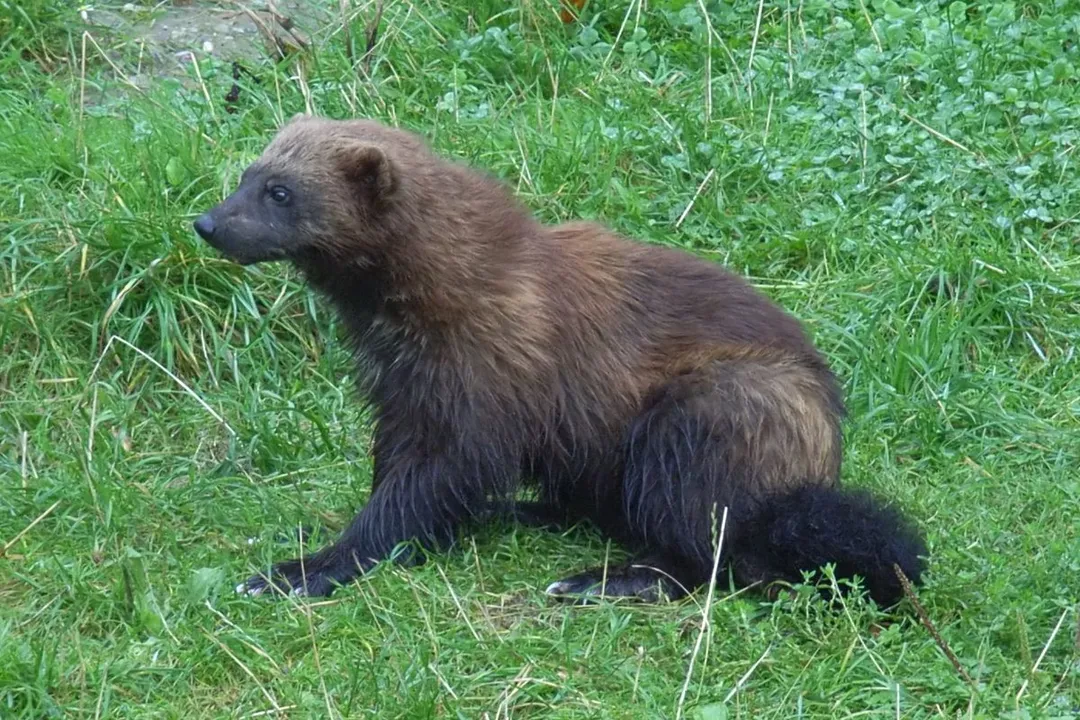
The wolverine, Gulo gulo, presents an almost perfect illustration of evolutionary design tailored for extreme northern environments. Despite its name, it is not a true wolf but rather the largest terrestrial member of the weasel family, placing it in the same lineage as otters, badgers, and martens. [1][3][5][7][10] Its physical characteristics are dominated by adaptations for surviving in harsh, often snow-covered terrain, giving it a surprisingly powerful presence relative to its size. [3][5][9] Observers often note its low-slung, muscular frame, which conveys an impression of immense durability and compact power. [1][7][9] This physical profile speaks directly to its reputation as a tenacious scavenger and predator, capable of defending kills far larger than itself. [5][10]
# Size and Mass
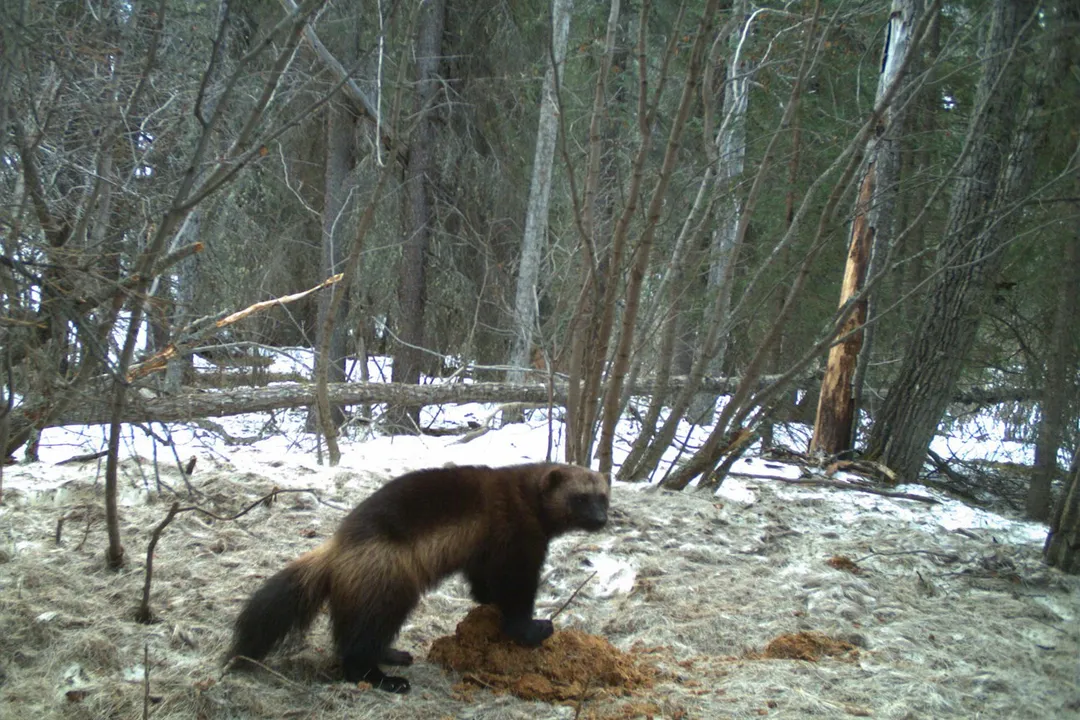
The sheer density and robustness of the wolverine are key elements of its physical description. While not appearing large at a distance, they possess significant weight for their body proportions. [1][9] Adult males are generally larger and heavier than females, a common trait in this species. [1][9] Total body length, measured from the nose to the tip of the tail, typically ranges between 25 to 40 inches. [1][9] The tail itself is relatively short for an animal of its overall length, usually adding another 6 to 10 inches to the measurement. [1][9]
Weight measurements show considerable variability depending on the season, sex, and location, but healthy adults generally fall between 18 and 40 pounds. [1][9] Some larger individuals, particularly males during winter when they have built up fat reserves, can exceed 50 pounds, occasionally reaching up to 55 pounds. [1][9] For context, a typical large domestic dog often weighs significantly more, yet the wolverine needs to operate efficiently across vast, often deep-snow landscapes, making every pound of muscle and fat a calculated asset rather than excess baggage. [3][5] This stocky nature, reminiscent of its badger relatives, prioritizes torque and low-center-of-gravity stability over outright speed, making it adept at maneuvering through dense underbrush or across uneven, frozen ground. [1][7]
# Fur Attributes
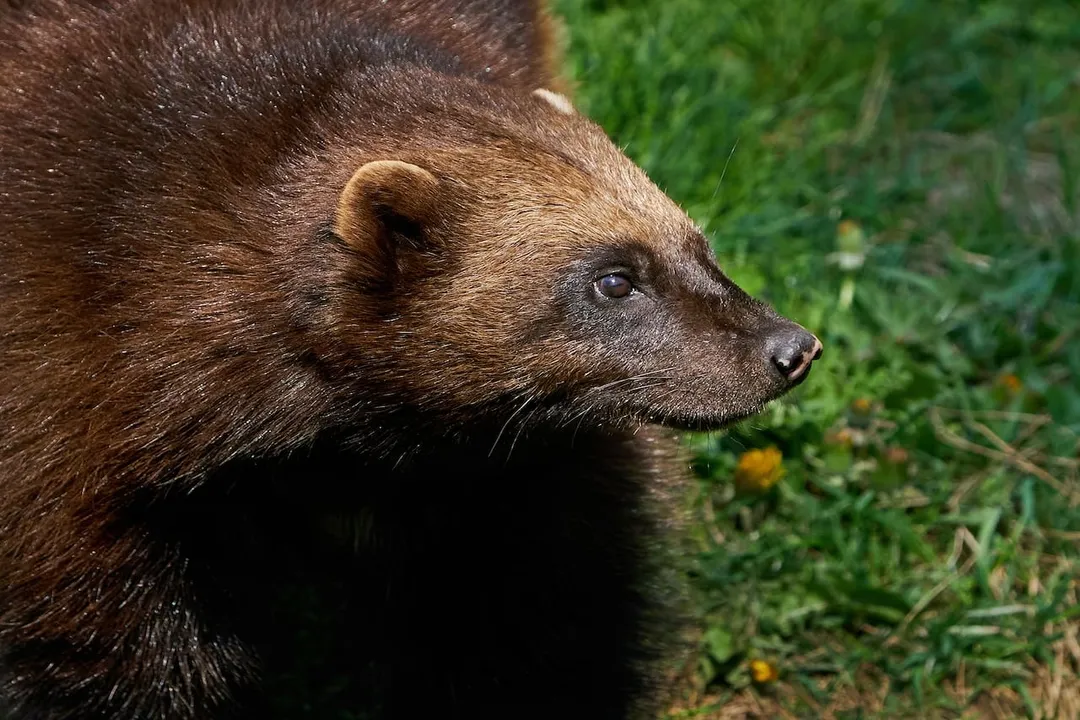
Perhaps the most critical physical feature ensuring the wolverine’s survival in its frigid habitat is its coat. [2][5] The fur is famously dense, thick, and long, providing superior insulation against extreme cold. [3][9] The primary color is a dark brown, which can appear almost black in certain lights. [1][3][10] Contrasting this dark base is a distinctive yellowish-brown or buff-colored band, often referred to as the gulo stripe. [1][3][5][9] This stripe starts on the cheeks or shoulders and wraps around the body toward the tail. [1][3][9]
The material composition of this coat offers a remarkable adaptation: it is oily and coarse. [2][3][9] This oily quality prevents moisture from penetrating to the skin, but more uniquely, it makes the fur virtually immune to icing over. [2][3][9] In an environment where constant exposure to freezing temperatures and snow is the norm, an animal that cannot shed built-up ice and frost without expending significant energy or stopping its movement has a severe survival disadvantage. [2] The wolverine’s coat solves this problem inherently, allowing it to maintain high activity levels even during blizzards, unlike many other mammals whose coats become heavy and restrictive with ice accumulation. [2][3] This seemingly simple physical trait underpins their famous endurance and ability to travel long distances year-round. [9]
# Locomotion Equipment
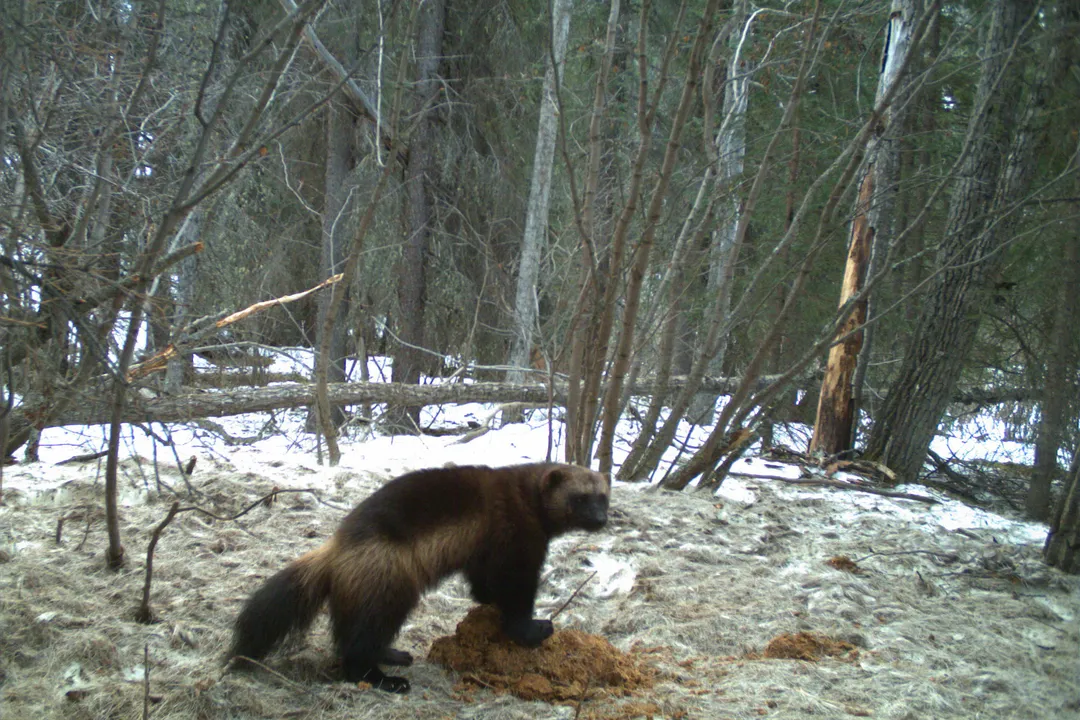
The wolverine's feet are specialized instruments for navigating snow, which often defines its territory and hunting grounds. [3][5] They possess large paws relative to their body size, which serve a function similar to natural snowshoes, distributing their weight widely enough to allow them to travel over deep powder without sinking excessively. [3][5]
Each paw is equipped with five powerful, non-retractable claws. [2][3][5][9] These claws are exceptionally strong and sharp, acting as essential tools for several activities. They are used to dig into snow and ice for excavating dens or caching food, and they provide the necessary grip for climbing frozen slopes or gripping prey. [3][5] Unlike the retractable claws of felines, the wolverine’s claws are always exposed, optimized for traction on icy or snowy surfaces rather than silent stalking on soft earth. [2]
When moving, wolverines often use a lumbering, shuffling gait when walking, but they are capable of swift bursts of speed when necessary, sometimes galloping with a characteristic, slightly waddling appearance. [5][9] Their overall build, low to the ground yet densely muscled, translates to phenomenal climbing ability, allowing them to scale steep, snow-covered inclines with relative ease, aided by those formidable claws. [3][9]
# Head and Dentition
The skull structure of the wolverine reflects its place as a hypercarnivore with a diet that often includes frozen carcasses. [3][10] They possess exceptionally strong jaws and large, sharp teeth capable of crushing bone. [3][5][10] This powerful dentition allows them to access marrow and fragments of bone that other scavengers might leave behind, maximizing the nutritional value they can extract from a kill or a found carcass. [5] This physical requirement—the ability to process frozen, tough material—is what separates their dental structure from many other mustelids of similar size. [3][10]
Their senses are also well-attuned to locating scarce resources in vast, cold landscapes. While their eyes are relatively small, their sense of smell is acute, aiding in finding carrion buried under snow or separated by great distances. [3] Their ears are rounded and short, an adaptation that helps minimize heat loss in severely cold temperatures, though they still possess good hearing for detecting movement. [3][5][9]
# Unique Glandular Systems
Beyond the obvious features like fur and claws, the wolverine possesses specialized physical characteristics related to chemical communication, which is vital for territorial animals that roam expansive areas. [3][5] Like many members of the weasel family, they have scent glands located near the base of their tail and under the tail itself. [3][5] The secretions from these anal glands are potent and are used extensively for marking territory and communicating with other wolverines. [3][5] This chemical signature is a defining physical trait, even if it is not immediately visible, serving as a crucial tool for establishing dominance and defining boundaries across their wide home ranges. [3]
# Comparative Physical Metrics
To illustrate the physical dimensions discussed, it is helpful to see some of the key measurements side-by-side. While exact figures vary by source and study population, these ranges provide a general understanding of the animal's build.
| Characteristic | Male Range | Female Range | Notes |
|---|---|---|---|
| Weight | 22–40 lbs | 18–33 lbs | Can exceed 50 lbs in some regions. [1][9] |
| Body Length | 30–40 in | 25–35 in | Measured head and body. [1][9] |
| Tail Length | 6–10 in | 6–8 in | Relatively short appendage. [1][9] |
| Paws | Large | Large | Acts as snowshoes; possesses five non-retractable claws. [2][3] |
When considering an animal adapted for high-energy demands in sub-zero temperatures, one might assume a greater reliance on bulk for insulation, similar to a bear. [1] However, the wolverine achieves thermal efficiency through its incredibly dense, oily coat rather than sheer size, allowing for a lighter frame better suited for traversing snowpacks. [2][3] This represents a fascinating evolutionary trade-off: maximizing insulation density over overall mass, a strategy that keeps them agile enough to hunt their preferred prey, which often includes smaller mammals and weakened ungulates found in their harsh habitat. [5][10] The combination of powerful limbs, low stance, and specialized fur makes the wolverine a master of its specific ecological niche, allowing it to thrive where many larger predators struggle when deep snow limits mobility. [3][9] The fact that such a relatively small mustelid can dominate large scavenge sites speaks volumes about the functional efficiency built into every physical characteristic, from the jaw musculature to the microscopic structure of its fur fibers. [5][10]
Related Questions
#Citations
Wolverine - Wikipedia
General Characteristics - The Wolverine Foundation
Wolverine Species Profile, Alaska Department of Fish and Game
Wolverine | Colorado Parks and Wildlife
Wolverine | Size, Habitat, & Facts | Britannica
Wolverine: Facts, Habitat, and Unique Adaptations | See The Wild
Wolverine - San Francisco Zoo & Gardens
Wolverines (U.S. National Park Service)
Wolverine - Gulo gulo - NatureWorks - New Hampshire PBS
Wolverine - Columbus Zoo