How is the general body architecture of the zokor described to aid in pushing through soil?
Answer
Chunky, cylindrical, or sausage-like
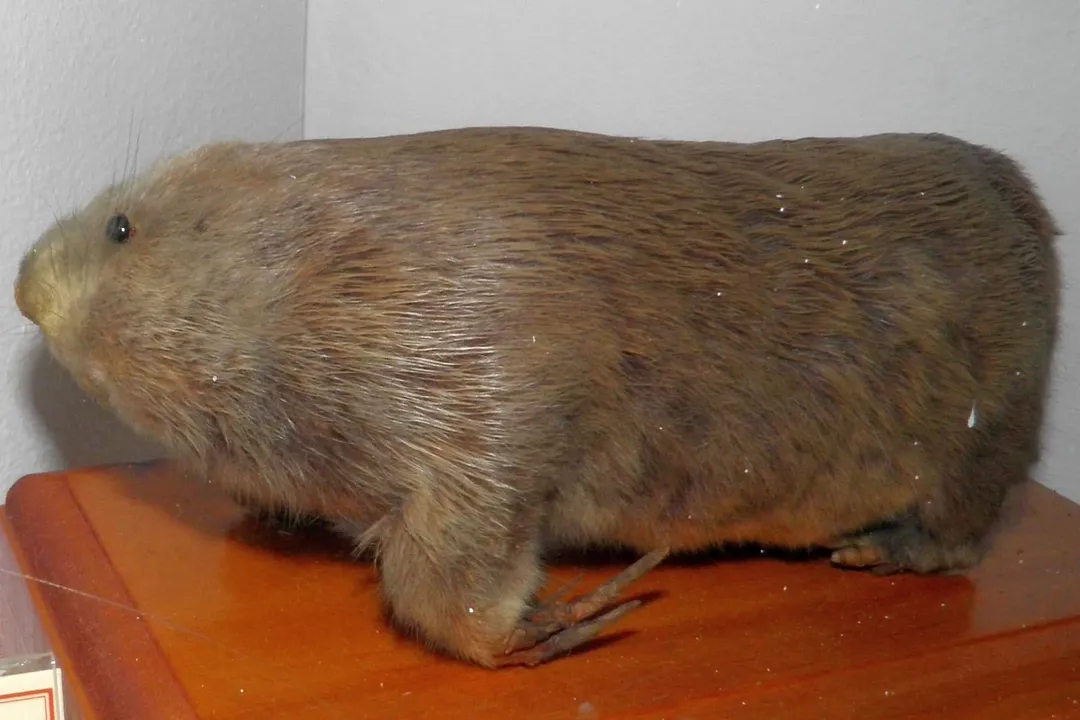
The physical structure of the zokor is fundamentally adapted for subterranean movement, emphasizing pushing force over agility. The body shape is generally described as chunky and cylindrical, sometimes likened to a sausage shape. This specific morphology is highly advantageous in their environment because it minimizes the amount of surface area exposed to friction against the soil particles. By adopting this form, the animal maximizes the volume of soil it can effectively move or displace with each powerful push exerted by its specialized forequarters.
#Videos
Zokor Animal Facts for Kids | Amazing Underground Wildlife from ...
Related Questions
What other rodents are housed in the Spalacidae family with zokors?What is the primary excavation implement for zokors compared to other Spalacidae?What specific facial marking adorns the forehead of the Chinese zokor?Which external sensory feature is entirely absent in the zokor's subterranean architecture?What physiological strategy does the Plateau Zokor use against chronically low oxygen levels?Which specific claw on the zokor's forefoot is noted as being the most robust?What is the documented dental formula for the zokor resulting in 16 teeth total?How is the general body architecture of the zokor described to aid in pushing through soil?What is the quantitative range given for the length of the zokor's highly reduced tail?Besides being dense and moisture-resistant, how is the texture of the zokor's pelage frequently described?