Zokor Physical Characteristics
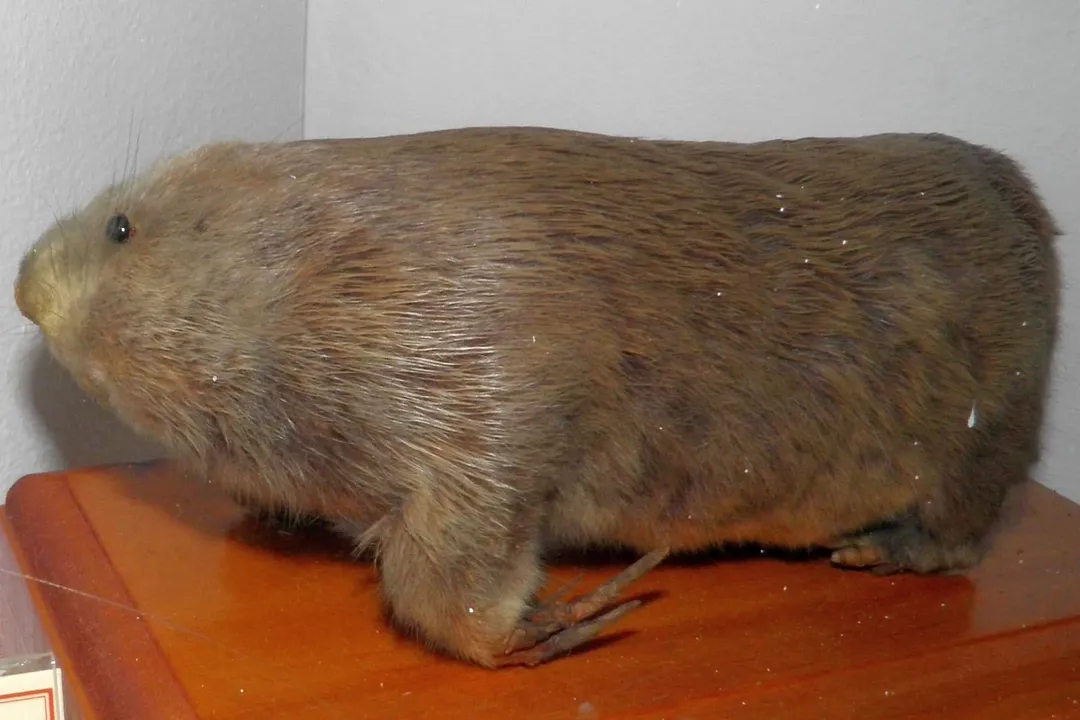
The zokor, a name designating rodents belonging to the subfamily Myospalacinae, presents a fascinating case study in extreme subterranean adaptation. These Asiatic animals are often likened to mole-rats, yet they occupy their own distinct branch within the Spalacidae family, which also houses blind mole-rats and root/bamboo rats. This grouping suggests that the evolutionary split between burrowing and non-burrowing forms within the muroid rodents happened quite early in their lineage. The zokors, which comprise the genera Myospalax and Eospalax, are highly specialized, entirely herbivorous mammals endemic to a broad swath of Asia, including China, Kazakhstan, Mongolia, and Siberia.
# Body Size
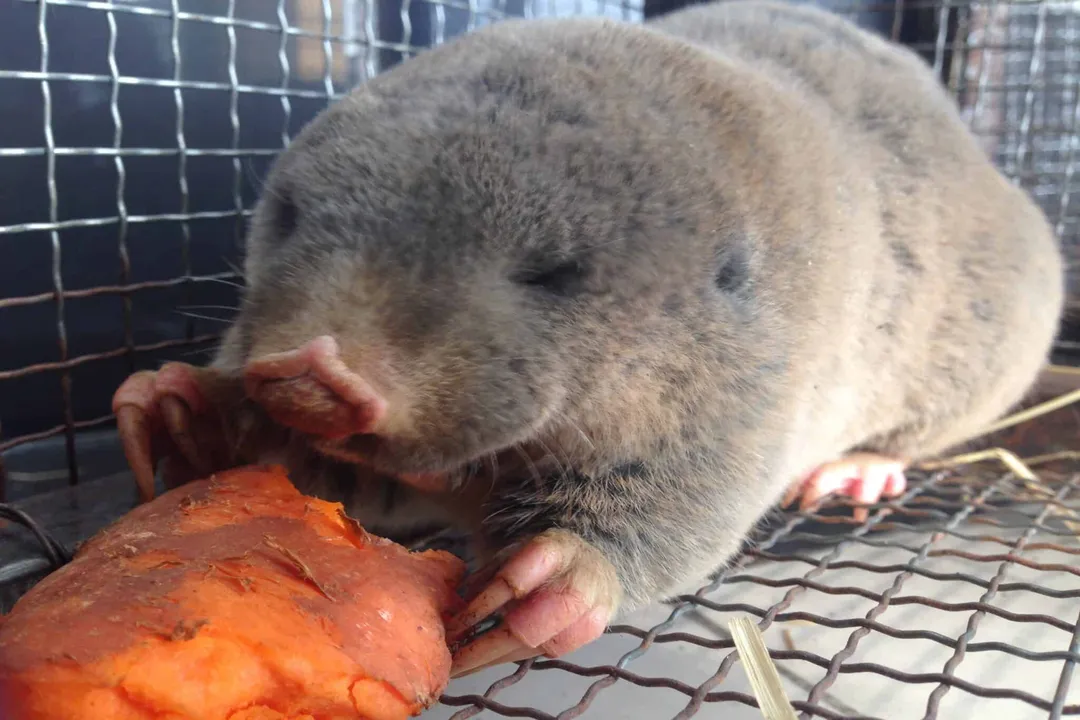
Zokors are classified as medium-sized rodents, fitting snugly beneath the surface where their complex lives unfold. The typical range for head-and-body length measures between 15 and 28 centimeters, though sources provide slightly differing maxima, with some indicating a range extending up to 27 centimeters or 245 millimeters. In terms of mass, they are quite compact, usually weighing between 150 and 600 grams. More specific measurements for certain species, like the Chinese zokor, place the adult weight between 150 and 620 grams, with an average around 256 grams. For comparison, the Siberian zokor shows a slight size difference between sexes, with males averaging about 503 grams and females around 402 grams. These figures situate them well below larger burrowers like some marmots or capybaras, reinforcing their role as specialized, medium-scale excavators.
# Coat Color
The exterior of the zokor is perfectly suited to its environment, being covered in fur that is both dense and resistant to moisture, a necessary trait for life underground. Their pelage is frequently described as long and silky. The coloration tends toward muted earth tones, generally ranging from grayish to reddish-brown or even a pinkish buff hue. While uniformity is common across some species, diversity exists; for instance, the Chinese zokor exhibits dark reddish-brown upper parts and greyish-black underparts, with a noticeable white flash adorning its forehead. It is also noted that white patches can appear on the muzzle in certain species. The fur on their tail, however, is sparse. This combination of dense body fur and limited tail hair likely minimizes drag and debris collection while they move through tight soil corridors [Editor's Insight 1: Considering their dense fur for moisture resistance and their small size, the efficiency of their digging technique is paramount. To create the extensive tunnel networks reported—sometimes exceeding 100 meters in length—a zokor must employ its musculature and appendages with exceptional mechanical efficiency to displace soil volume relative to its body mass without overheating or fatiguing rapidly in the stable, often warm, subsurface environment.].
# Fossorial Form
The general body architecture of the zokor screams "subterranean specialist". They possess a chunky, cylindrical body shape, sometimes described as sausage-like, which aids in pushing through soil. This form minimizes surface area exposure to friction while maximizing the volume that can be moved per push. Perhaps the most telling physical adaptations relate to the absence of above-ground senses. Zokors have incredibly tiny, vestigial eyes that are highly sensitive to light, meaning they function poorly in bright conditions and are often described as nearly hidden within the fur. They lack external ears entirely, possessing only small ones concealed beneath the fur, relying instead on acute hearing capabilities. This sensory reduction is a hallmark of obligate fossorial life, prioritizing tactile and auditory senses over vision in their dark domain.
# Digging Tools
While some related subterranean rodents rely heavily on their teeth for excavation, zokors display a morphological commitment to their forelimbs. Their front limbs are characterized as short but immensely powerful. Complementing this strength are their feet, which are wide and large. Attached to these feet are remarkably long, curved, and self-sharpening front claws, essential for ripping through the earth. A specific anatomical detail highlights this specialization: the longest claws on their forefeet can be at least three times the length of those found on their hind feet. Furthermore, the third claw on each front foot is noted as being the most robust.
Zokors also possess prominent incisor teeth, which they do employ, primarily to cut obstructing roots encountered during their excavation. Their dental formula is consistently noted as , , , , resulting in 16 teeth total. The incisors are orthodont, and their molars are hypsodont and omegaform, traits common in rodents that grind abrasive vegetation like roots and tubers.
Comparing the primary digging mechanism across related groups is insightful. Unlike other members of the Spalacidae family that may utilize their incisors as a main digging implement, zokors prioritize their powerful foreclaws for the actual excavation process. This suggests an evolutionary path favoring powerful, shovel-like forelimbs over continuous, chisel-like tooth wear in their specific soil conditions [Editor's Insight 2: The reliance on the claws over the incisors for primary digging—a contrast noted against other mole-rats—suggests that zokors may be adapted to substrates where root density or soil consistency requires shearing and raking action rather than sheer gnawing force. This difference in primary adaptation dictates significant variation in the musculature and bone structure of the shoulder girdle and forearms, even among similarly adapted burrowing rodents.]
# Tail
In contrast to the powerful, modified forequarters, the zokor's tail is highly reduced, fitting their lifestyle where a long appendage would only serve to collect soil and impede movement within narrow tunnels. It is described as conical and very short. Quantitative measurements place its length anywhere from about 3 to 10 centimeters, or between 1.2 and 4 inches. This stubby appendage is also scantily haired. Pattern-wise, the tail may be uniformly colored, or it might feature a dark coloration on the dorsal (top) side with white marking the underside.
# Special Adaptations
The physical traits necessary for survival in extreme underground gas compositions—particularly in higher altitude populations like the Plateau Zokor (Myospalax baileyi)—reveal remarkable physiological adaptations beneath the surface morphology. These plateau inhabitants exist in sealed burrows where oxygen levels are chronically low (hypoxic) and carbon dioxide levels are high (hypercapnic). To cope, the Plateau Zokor exhibits distinctive internal characteristics when compared to surface-dwelling rodents like pikas or laboratory rats. They display significantly higher concentrations of both hemoglobin and total red blood cell counts, suggesting an increased capacity to transport the limited oxygen available.
Despite these adaptations for oxygen acquisition, physiological measurements indicate that Plateau Zokors possess a high tolerance for changes in tissue pH, which is a common side effect of living in high environments. The partial pressure of carbon dioxide in their arterial and venous blood is substantially higher than in non-adapted rodents, yet they maintain functionality, highlighting their unique biochemical resilience to gas imbalances found deep within the earth. This internal specialization provides a complete picture of an animal whose entire physical structure, from the silky coat to the highly adapted circulatory system, is tuned for a life lived out of sight.
#Videos
Zokor Animal Facts for Kids | Amazing Underground Wildlife from ...
Related Questions
#Citations
Zokor Animal Facts - A-Z Animals
Chinese zokor - Facts, Diet, Habitat & Pictures on Animalia.bio
Zokor | Burrowing, Nocturnal & Endemic Species | Britannica
Zokor | Talking abc Wikia | Fandom
Pests - Myospalax myospalax Laxmann - Siberian Zokor, Mole-rat
ZOKORS: CHARACTERISTICS, BEHAVIOR, DIET, BURROWS
Zokor Animal Facts for Kids | Amazing Underground Wildlife from ...
Zokor - Grokipedia
Blood-gas properties of plateau zokor (Myospalax baileyi) - PubMed