Despite being a member of the Laridae family, what genus is the Xeme often placed alone in, reflecting its specialized nature?
Answer
Xema
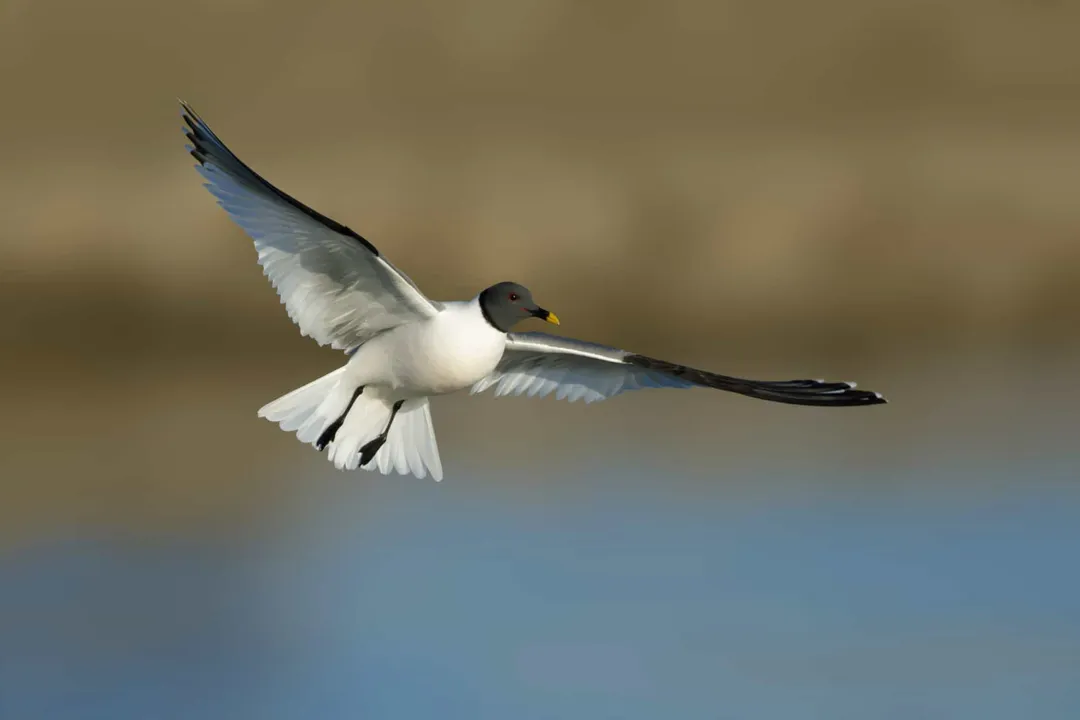
The Xeme, or Sabine's Gull, holds a somewhat unique taxonomic position within avian classification. Although generally classified within the larger Laridae family (gulls), its distinct characteristics, heavily influenced by its specialized dual feeding ecology (terrestrial summer, pelagic winter), lead many authorities to place it in its own monotypic genus, *Xema*. While some broader classifications might group it under *Larus*, its placement in *Xema* highlights its evolutionary divergence from more generalized-feeding gull species.
Related Questions
What primarily constitutes the summer diet of the Sabine's Gull on the Arctic tundra breeding grounds?Which food items are staples in the pelagic diet of the Xeme during its winter life in cold-water upwelling zones?What specialized foraging technique involves the *Xema sabini* spinning in circles on the water surface to capture prey?Which bird species is explicitly mentioned as a common target for kleptoparasitism by the Sabine's Gull?How long might the intensely pelagic Sabine's Gull spend staging offshore during Atlantic migrations, specifically mentioning the Bay of Biscay?When congregating near human activity, what specific food waste product derived from cleaning fish does the opportunistic Xeme consume?Where are the breeding nests of the Sabine's Gull typically situated across the circumpolar Arctic tundra?Despite being a member of the Laridae family, what genus is the Xeme often placed alone in, reflecting its specialized nature?Besides terrestrial insects, what aggressive prey items do nesting Sabine’s Gulls target locally in the Arctic ecosystem?To what type of feeder is the ecological niche of the Sabine's Gull in the Arctic compared, due to its gleaning of tiny, surface-level prey?