Is a Shiloh Shepherd rare?
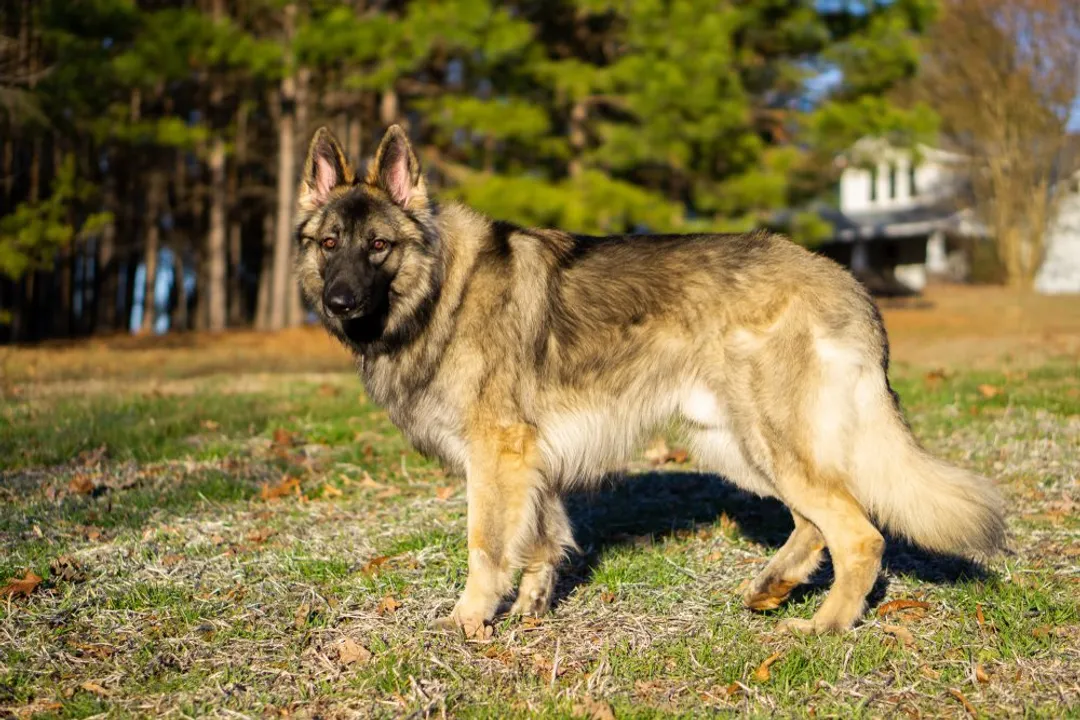
The magnificent presence of the Shiloh Shepherd often leads to immediate comparisons with the German Shepherd Dog, given their shared ancestry. However, recognizing one on the street is still a relatively uncommon event for most people, leading to the natural inquiry about their standing in the canine world. The truth is that the Shiloh Shepherd is, by most metrics applied to established purebreds, a rare breed. This rarity stems not from a sudden disappearance, but from a deliberate, recent founding process and an ongoing dedication to quality over sheer volume by its stewards. [5][8]
# Breed Genesis
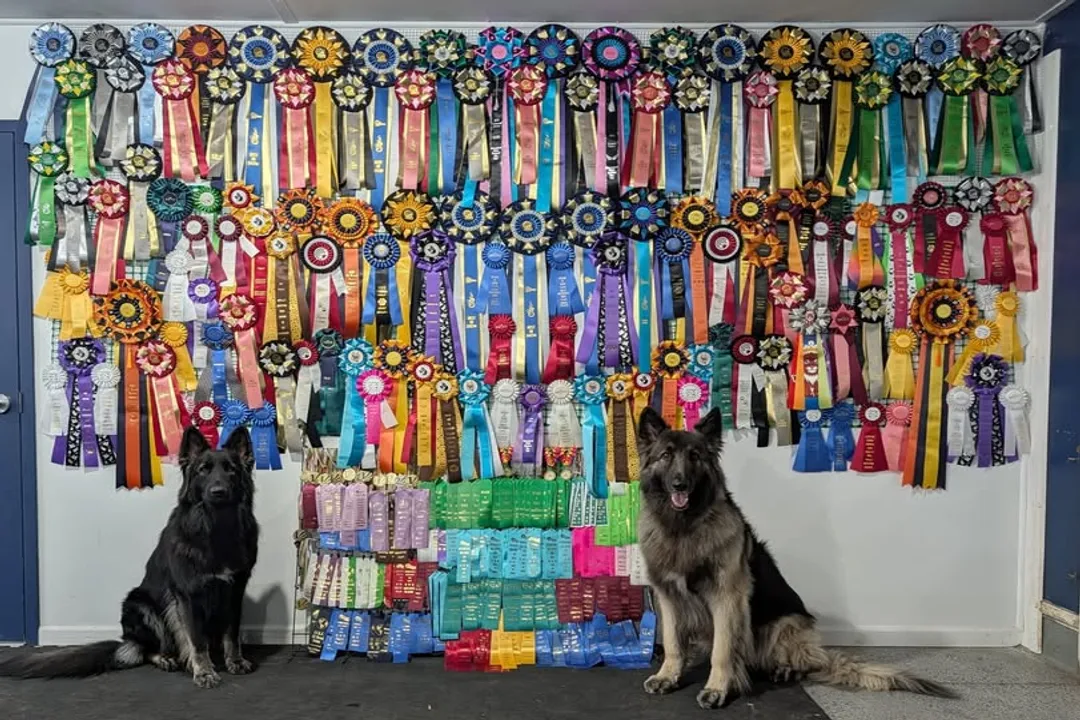
The development of the Shiloh Shepherd is a story rooted in the desire to preserve what its founder, Tina M. Barber, viewed as the best aspects of the German Shepherd Dog while actively working to mitigate common health and temperament issues associated with some GSD lines. [4][5] This selective breeding program began in the early 1970s in the United States. [1][3][8] The initial goal was to create a large, gentle, confident companion dog that maintained the intelligence and trainability expected of its progenitor. [3][4]
The foundation stock involved careful cross-breeding, often incorporating elements from breeds like the White Shepherd to introduce desired traits and size potential. [3] This intentional creation process is crucial to understanding their current status. Unlike breeds that developed organically over centuries, the Shiloh is a relatively young, purpose-driven creation, maintained by specific registries focused on adhering to the original vision. [8] The Shiloh Shepherd Dog Club of America (SSDCA) and other associated groups work to maintain the written standard for the breed, ensuring that the defining characteristics—specifically size, structure, and temperament—remain consistent across generations. [1]
# Official Status
One of the primary contributing factors to the Shiloh Shepherd's rarity in the broader public consciousness is its official recognition status. Currently, the Shiloh Shepherd is not recognized by major international or national kennel clubs, such as the American Kennel Club (AKC) in the United States. [1][5]
This lack of recognition by the dominant kennel clubs means the breed does not benefit from the widespread promotional activities, sanctioned competitions, and automatic pedigree verification that recognized breeds enjoy. [5] While there are dedicated registries and clubs that manage the breed's standards and documentation—such as The Shiloh Shepherd Registry (TSSR)—these organizations operate on a much smaller scale than the established giants. [8] When a breed exists primarily outside the purview of the largest kennel clubs, its visibility and, consequently, its population growth are naturally constrained. [5]
It is interesting to consider the contrast here: while the German Shepherd Dog is one of the most popular breeds globally, the Shiloh exists as a distinct entity maintained by enthusiasts who prioritize health and temperament conformity to the founder’s vision over rapid proliferation, which often accompanies mainstream registry acceptance. [3][5] This decision to remain specialized inherently limits the number of available puppies in any given year.
# Population Count
When assessing whether a dog is rare, the actual number of breeding animals and available puppies is the most tangible metric. The Shiloh Shepherd population remains small and highly controlled. [5] Because breeding is often managed by smaller, dedicated clubs focused on quality control and health screening, the annual production of Shiloh puppies is significantly lower than that of common breeds. [5]
A direct count is difficult to establish publicly across all active registries, but the general consensus among breed advocates is that they represent a niche population. For example, when looking at the number of puppies registered annually compared to a breed with millions of active members and tens of thousands of registrations per year, the Shiloh counts are minimal. [5] This low volume means that prospective owners must often wait longer and search more diligently to find a puppy from a reputable source. [3]
This scarcity is not accidental; it is a byproduct of careful stewardship. Breeders aiming to uphold the breed standard must often wait for carefully selected pairings to mature and prove their lineage, slowing the production cycle considerably.
# Desired Traits
To fully appreciate why people seek out this relatively rare dog, one must understand what they are breeding for. The Shiloh is intended to be a gentle giant, possessing a temperament that makes them excellent family companions. [3][5] They are typically described as loyal, intelligent, self-assured, and often quite devoted to their family unit. [1][3]
Key physical characteristics include their substantial size; males often stand over 26 inches tall and can weigh 100 pounds or more, though their structure is meant to be more voluminous and less angular than some GSD lines. [1] They are generally robust dogs, bred specifically with an emphasis on longevity and soundness, aiming to avoid the orthopedic issues sometimes seen in faster-growing, high-drive working lines. [4] Prospective owners are often drawn to their calm demeanor and capacity for learning, which makes them highly trainable for various roles, from service work to simple obedience. [3]
# Acquisition Challenges
For someone interested in adding a Shiloh to their family, the rarity presents real logistical challenges that differ significantly from acquiring a more common breed. The primary challenge revolves around availability and vetting breeders. [5]
Since they are not advertised widely through mainstream channels, finding a reputable breeder requires focused effort, often necessitating contact with the breed-specific clubs or registries directly. [3][8] It is imperative for any potential owner to understand that because the breed is so tightly managed by dedicated individuals, the vetting process for the owner is often as stringent as the health testing for the dog. [3] Responsible Shiloh breeders are deeply invested in ensuring their puppies go to appropriate homes that understand the breed’s needs for socialization and space. [3]
When dealing with a specialized, rare breed, a key indicator of a high-quality source is their commitment to health testing beyond basic conformation. A good breeder will be transparent about lineage records related to hip, elbow, and genetic health screens, often exceeding the minimum requirements set by general purebred guidelines. [3] If you are considering a Shiloh, preparing for a waitlist is standard practice, and you should expect thorough questionnaires from the breeder about your lifestyle and experience with large breeds. [5] This level of scrutiny is a direct consequence of the breed's small population and the founders’ dedication to preserving a specific, high-quality template. [4]
# Rarity Dynamics
The dynamic surrounding the Shiloh Shepherd’s rarity creates a self-perpetuating cycle. Because the population is small and breeding is selective, the commitment required to produce healthy, high-quality puppies means that supply will likely never meet high demand, even if demand were to increase significantly. [5] This scenario differs from a common breed where rapid breeding can quickly flood the market, often leading to a decline in quality control. For the Shiloh, the limited numbers enforce a necessary standard of care and breeding ethics.
Imagine a hypothetical scenario: if a standard German Shepherd litter might produce ten pups, and the available reputable Shiloh breeders might only produce three to five pups per year across their entire breeding stock, the supply difference over five years becomes vast. This scarcity is further amplified by the fact that not every puppy produced will meet the strict conformation or temperament standards required to remain in a breeding program themselves, further limiting the next generation’s pool. [1] This dedication to maintaining the specific, desired characteristics—large size coupled with gentle temperament—keeps the population density low, cementing their status as a rare and highly sought-after companion for those willing to seek them out. [3][4]
Related Questions
#Citations
Breed Overview - ISSA - Shiloh Shepherd
Shiloh shepherd? : r/IDmydog - Reddit
Basics of the Shiloh Shepherd: Breed Traits and Background
Articles - International Shiloh Shepherd Dog Club, Inc. [ISSDC]
Everything you want to know about the Shiloh Shepherd - BetterPet
Shiloh shepherds as pets and working dogs - Facebook
Shiloh Shepherd: Your Complete Guide - Dog Academy
History of the Breed | TSSR .::. The Shiloh Shepherd Registry, Inc.