Zorse Facts
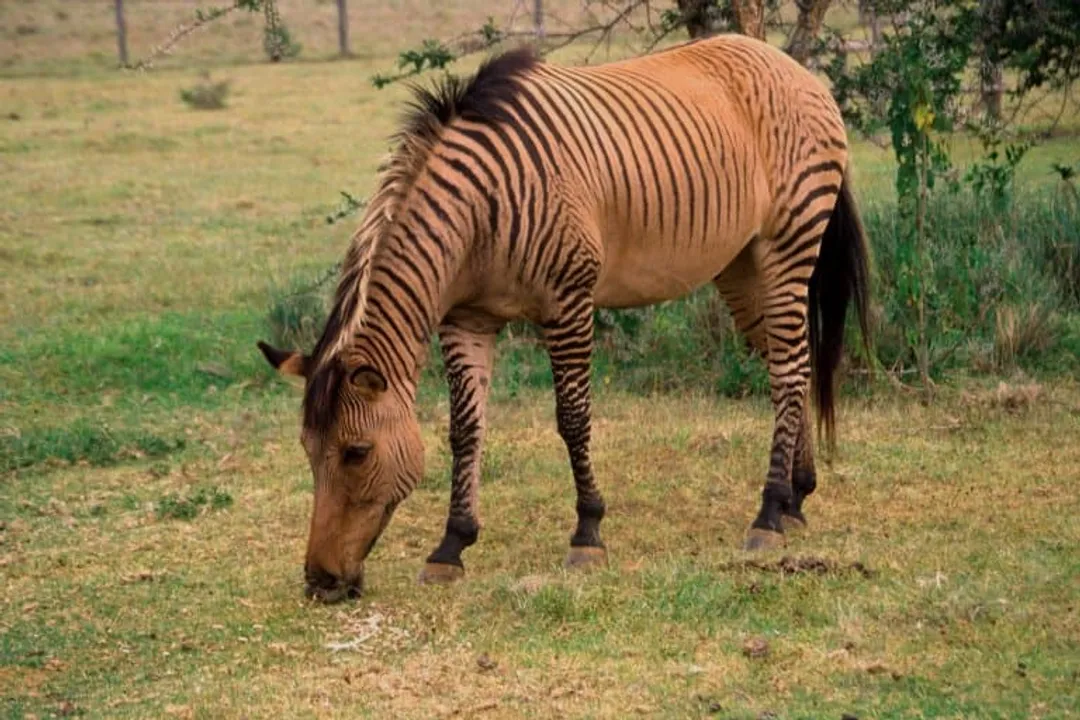
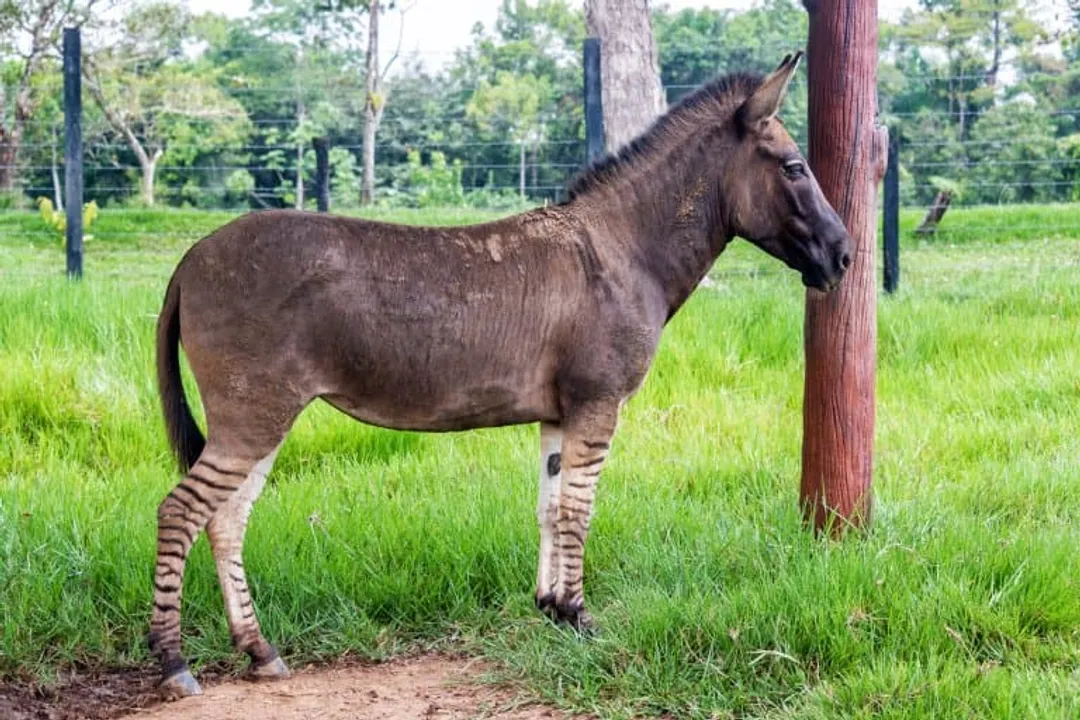
The animal known as the zorse immediately captures attention because it perfectly embodies a blend of two iconic equids: it possesses the general body shape of a horse but is adorned with the distinctive striping pattern of a zebra. [1][10] This unique creature is a prime example of a hybrid, resulting from the crossbreeding between a zebra and a horse. [2][3][4] While the term zebroid is used to describe any hybrid involving a zebra and another equid, the zorse specifically refers to the offspring when a zebra fathers the foal with a mare. [5][6] Understanding this animal requires looking past the striking visual appearance to the genetic realities and the specific temperament quirks that arise from mixing these two distinct species. [1][4]
# Hybrid Origin
The creation of a zorse is usually an intentional act by breeders, though accidental pairings are possible if horses and zebras are kept in close proximity. [1] The most common and successful cross involves a zebra stallion being bred to a horse mare. [1][4][5] When the roles are reversed—a stallion with a zebra mare—the offspring is sometimes referred to as a "hebra," although this outcome is far less common in breeding records. [6] Because zebras are generally known for being much harder to domesticate than horses, breeders typically prefer to use the zebra as the sire to increase the chances of a viable pregnancy and a foal that might be more manageable, inheriting more of the domestic horse's nature. [1][4] A zorse will always carry the physical markers of both parents, making it a living testament to the genetic connection between equids. [10]
# Striped Appearance
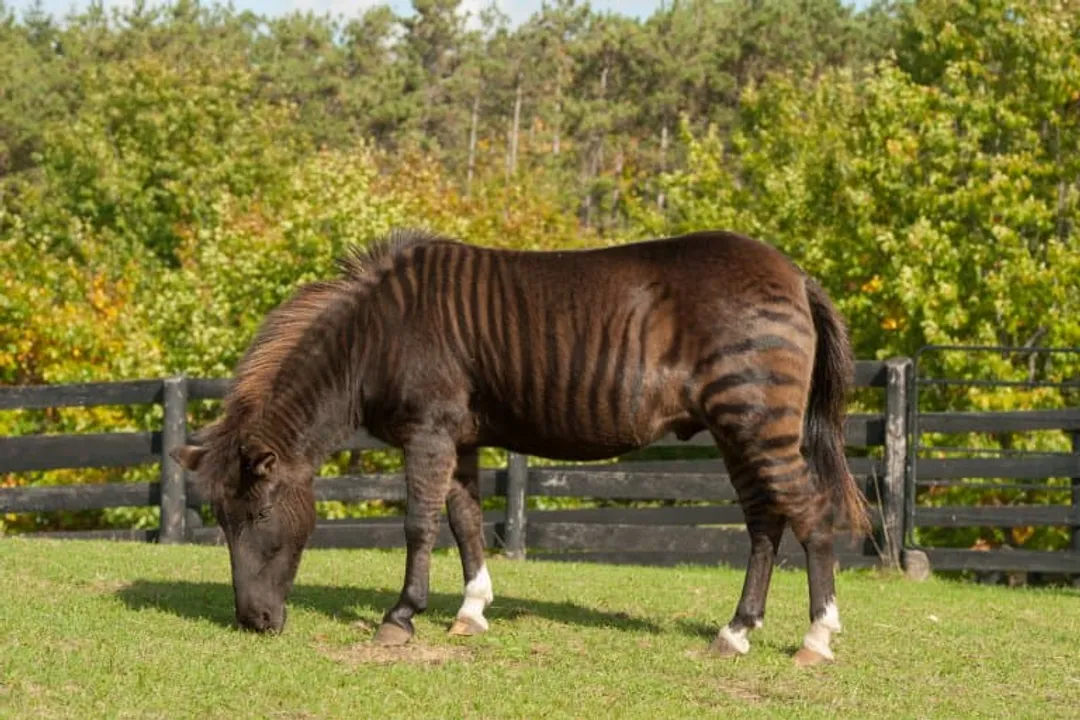
The visual appeal of the zorse is undeniable, often described as having the body of a horse combined with zebra markings. [1][10] The degree to which the striping manifests varies considerably between individuals, depending on the specific breeds involved and which parent contributes more of its coat genetics. [1] Typically, the stripes are most pronounced on the legs, neck, and hindquarters. [1] A zorse’s base coat color often resembles that of its horse mother—perhaps dark bay, black, or brown—but the zebra influence breaks up this solid color with dark stripes overlaid on lighter areas. [1][10] For instance, if the horse parent is black, the zorse might display dark stripes over a black or very dark brown coat, or perhaps the stripes appear as dark bands over the lighter base coat inherited from the zebra side, depending on the dominance of the striping genes. [1] This pattern variation is part of what makes each zorse an individual study in equine aesthetics. [1] They are often described as sturdy animals, possessing the physical robustness inherited from their parentage. [4]
# Chromosomal Mismatch
The fundamental barrier to creating a consistently fertile hybrid between equids lies in the sheer difference in their chromosome counts. [1][5] Horses ( Equus caballus ) have a stable number of 64 chromosomes. [1] Zebras, however, present a wider genetic variation; different species of zebra carry different numbers, ranging from around 32 up to 46 chromosomes. [1] This significant discrepancy means that when sex cells (sperm and egg) combine, the resulting offspring cannot form matching pairs during meiosis, the process required for producing viable reproductive cells. [1]
The zorse, inheriting half the chromosomes from the horse (32) and half from the zebra (a number between 16 and 23, depending on the zebra species parent), ends up with an uneven total, usually between 50 and 63 chromosomes. [1][5] This uneven number almost universally results in sterility. [1][4] While there are rare documented exceptions in the animal kingdom where hybrids have shown limited fertility, for practical purposes, the zorse is considered an infertile crossbreed, similar to a mule. [4] This genetic incompatibility prevents the zorse from becoming a permanent, self-sustaining species, ensuring it remains solely the product of a specific cross between two distinct Equus species. [1]
If we consider the most common cross (e.g., Plains Zebra, ~44 chromosomes) bred to a horse (64 chromosomes), the zorse will have 22 + 32 = 54 chromosomes. This number falls far short of the pairs needed for successful germ cell development. [1]
# Inherited Traits
One of the most fascinating aspects of the zorse is how it balances the domesticated nature of the horse with the wild instincts of the zebra. [1][4] Because the zebra parent is typically wild, the resulting offspring can exhibit behaviors that are unpredictable or more challenging than those found in purebred horses. [1] Zebras are inherently less amenable to training and possess a strong fight-or-flight response, often relying on stubbornness or herd instinct for defense. [4]
A zorse may inherit the physical strength and size of its horse dam, making it capable of being ridden or used for light draft work, but this physical aptitude is often tempered by the zebra's temperament. [4] Handlers often report that zorses retain a high degree of alertness and can be surprisingly difficult to "break" in the traditional sense. [1] They are known to be strong-willed, sometimes exhibiting behaviors that appear uncooperative when compared to domesticated horses accustomed to human direction over centuries. [4]
Successfully managing a zorse requires patience and consistency. They often require a different training methodology than a standard horse. While a horse might respond well to assertive dominance, a zorse might shut down or become defensive if handled too harshly, reflecting that innate wild streak. [1] Experienced handlers recognize that managing a zorse is less about asserting control and more about establishing clear, consistent boundaries that respect the animal's natural wariness—a management approach that differs subtly but importantly from standard equine practices. [4] They are generally viewed as animals requiring an experienced owner who understands equine behavior but is also prepared to adapt for the zebra influence. [1]
# Management Needs
While specific care protocols for zorses aren't widely standardized because of their rarity, their general management requirements closely mirror those of the domestic horse, with added considerations for their unique temperament and physical structure. [1] As members of the Equus genus, they require a diet primarily composed of forage—hay and grass—supplemented with necessary vitamins and minerals as determined by veterinary assessment. [1] Housing should offer adequate shelter and space for movement, protecting them from the elements and allowing them to exhibit natural behaviors. [4]
Veterinary care aligns closely with that for horses, including routine vaccinations, deworming, and dental care. However, because they are hybrids, obtaining baseline medical data can be more difficult, and veterinarians experienced with zebra biology may be beneficial to consult, especially regarding digestive sensitivities which can sometimes be a trait carried over from wild equids. [4] Furthermore, hoof care is vital; while their hooves are generally strong, the consistency of their foot structure might lean toward the tougher, more resilient hoof of the zebra rather than the softer foot sometimes seen in certain domestic breeds. [1] Given their mixed heritage, owners should seek farriers familiar with the nuances of both horse and zebra hoof mechanics to ensure optimal balance and trimming.
# Zebroid Relatives
The zorse is just one member of a larger group of equine hybrids created by crossing zebras with other equids. [5][6] The general classification for all these crosses is zebroid. [5]
Several other popular or notable zebroid crosses include:
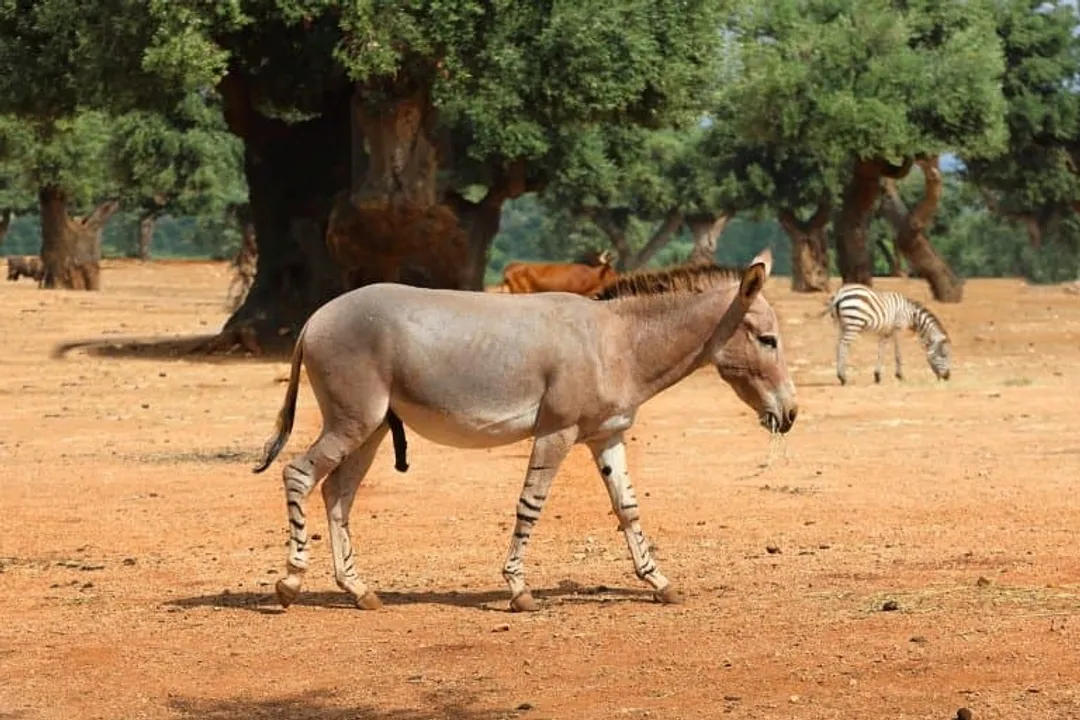
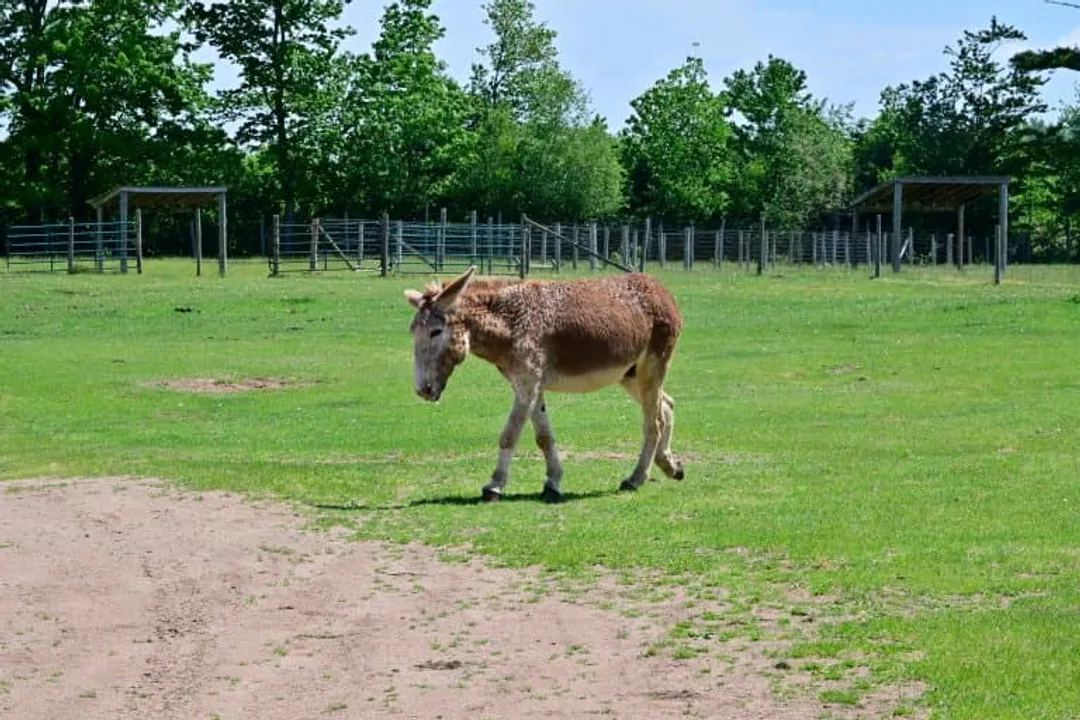
- Zonkey (or Zedonk): The result of crossing a zebra with a donkey. [6] Donkeys and zebras share closer genetic similarities in some ways than zebras and horses, though sterility remains the norm. [5]
- Zony: The hybrid resulting from breeding a zebra with a pony. [6] This cross often yields a smaller animal, inheriting the size characteristics of the pony parent.
- Hebra: As mentioned earlier, this is technically the cross involving a stallion and a zebra mare, though this term is used less frequently than zorse. [6]
What links all these animals is the underlying genetic challenge: the differing chromosome counts prevent them from naturally reproducing, cementing their status as fascinating biological anomalies rather than the foundation for a new, stable species. [1][5] They all share the characteristic of inheriting visible striping overlaid onto the base coat of their non-zebra parent. [1] Observing the differences between a zorse and a zonkey, for instance, provides a real-world illustration of how different degrees of genetic separation (horse vs. donkey vs. pony) influence the resulting physical form and temperament of the hybrid offspring. [6]
The existence of the zorse and its relatives highlights the close, yet distinct, evolutionary paths taken by horses, donkeys, and zebras. They are close enough to successfully mate, but evolution has placed just enough genetic divergence between them to ensure that their offspring are typically biological dead ends. [1] This delicate balance between compatibility and incompatibility makes the zorse a unique subject for anyone interested in equine biology and genetics. [5]
#Videos
Zorse Is Part Horse And Part Zebra…And All Scared! | Dodo Kids
Related Questions
#Citations
Yes, the Zorse Is a Real Mix of a Horse and a Zebra | HowStuffWorks
9 Zany Zorse (Zebroid) Facts - Fact Animal
Zorse Facts - Softschools.com
Zorse Animal Facts - Equus zebra x Equus caballus - A-Z Animals
Zebroid - Wikipedia
Zorse, hebra, zony and zonkey! All I wanted to know was ... - Facebook
Zorse Facts, Worksheets, Classification & Evolution For Kids
Today's Horse Facts: The Zorse
Zorse Is Part Horse And Part Zebra…And All Scared! | Dodo Kids