Zebu Scientific Classification
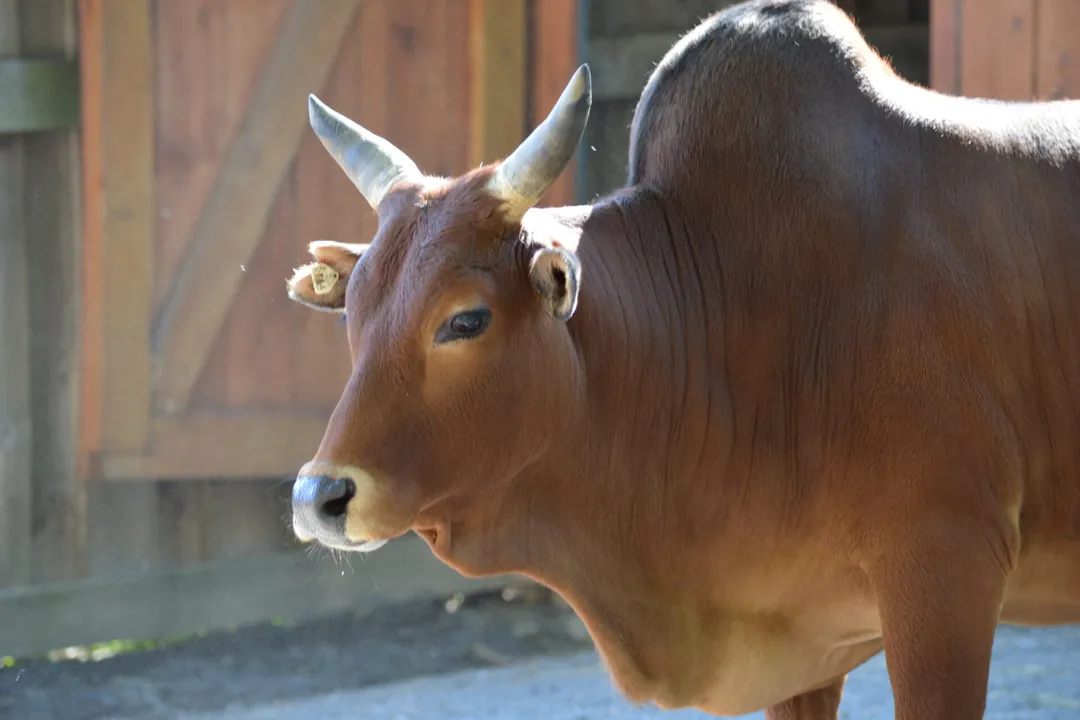
The Zebu, often recognized immediately by its distinctive shoulder hump, is not merely a breed of cattle but represents a significant lineage within the Bos genus, holding a unique spot in biological taxonomy. [1][2] Understanding where this animal fits into the tree of life requires tracing its scientific classification, a process that reveals both clear scientific consensus and some historical debate regarding its precise taxonomic rank relative to European cattle breeds. [1][4]
# Hierarchical Placement
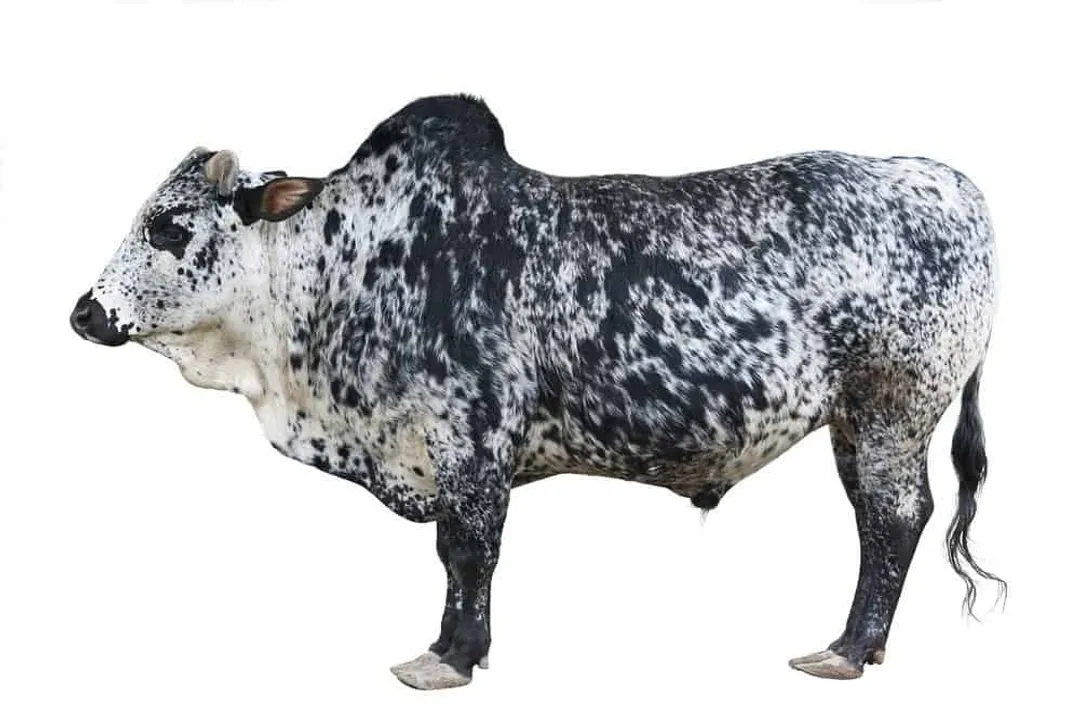
The scientific classification begins at the highest levels, placing the Zebu firmly within the animal kingdom. [1][9] Like all domestic cattle, Zebus belong to the Class Mammalia, signifying they are warm-blooded vertebrates that nurse their young. [1] Moving down, they are classified within the Order Artiodactyla, the even-toed ungulates, which shares their lineage with deer, pigs, and giraffes. [1]
The placement within the Family Bovidae groups them with cattle, goats, sheep, and antelope—ruminant herbivores characterized by permanent, unbranched horns (though not all Zebus retain prominent horns). [1] The Genus Bos is where they join other cattle, bison, and buffalo. [1][5] The distinction then focuses on the Species level, which is where the primary classification discussions arise. [1][9]
The accepted classification often places the Zebu under the scientific name Bos taurus indicus. [1][2][3][5] This places it as a subspecies of the domestic cattle species, Bos taurus, along with the humpless European cattle, Bos taurus taurus. [1][5][9] Conversely, some authorities, particularly in historical contexts or specific agricultural systems, maintain the designation of Zebu as a separate species, Bos indicus. [1][4] This difference in treating the group as a distinct species versus a subspecies (B. indicus vs. B. taurus indicus) reflects differing views on the extent of genetic divergence and the timeframe since separation from their common ancestor, the wild aurochs (Bos primigenius). [1]
| Taxonomic Rank | Classification | Supporting Grouping |
|---|---|---|
| Kingdom | Animalia | Animals [1] |
| Phylum | Chordata | Vertebrates [1] |
| Class | Mammalia | Mammals [1] |
| Order | Artiodactyla | Even-toed ungulates [1] |
| Family | Bovidae | Cattle, Goats, Sheep [1] |
| Genus | Bos | True Cattle [1][5] |
| Subspecies | B. taurus indicus | The Zebu form [1][5] |
# Nomenclature Status
The persistent dual naming—Bos indicus versus Bos taurus indicus—highlights the evolutionary relationship between Zebu and Bos taurus. [1] Genetic studies have shown that while the two groups have distinct ancestral lineages originating from different domestication events, they can successfully interbreed and produce fertile offspring. [1][4] This ability to produce fertile hybrids is a strong argument for classifying them as subspecies within the same species, Bos taurus. [1] The separation is generally traced back to independent domestication events; Zebu (B. taurus indicus) domestication occurred in the Indus Valley region of South Asia, while humpless cattle (B. taurus taurus) were domesticated in the Near East. [1]
The fact that one group evolved significant adaptations suited for hotter, more humid, and often more parasite-ridden environments—adaptations clearly visible in their morphology—supports the subspecies designation, recognizing the shared specific ancestry while acknowledging the substantial physiological and morphological differences. [1][5] For practical modern scientific registry, such as the NCBI Taxonomy Browser, the preferred designation frequently defaults to Bos taurus indicus. [9] However, the term "Zebu" itself remains the common, highly recognizable vernacular name for this entire group of animals, regardless of the exact subspecies notation used by a given researcher or registry. [2][4]
# Morphological Distinctions
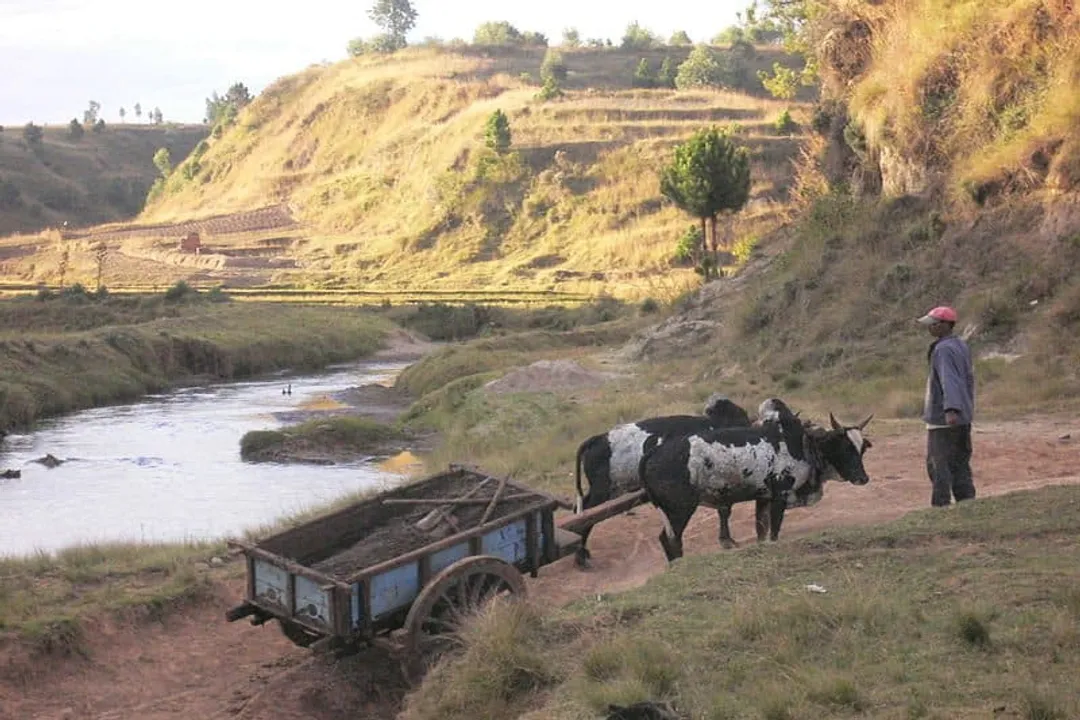
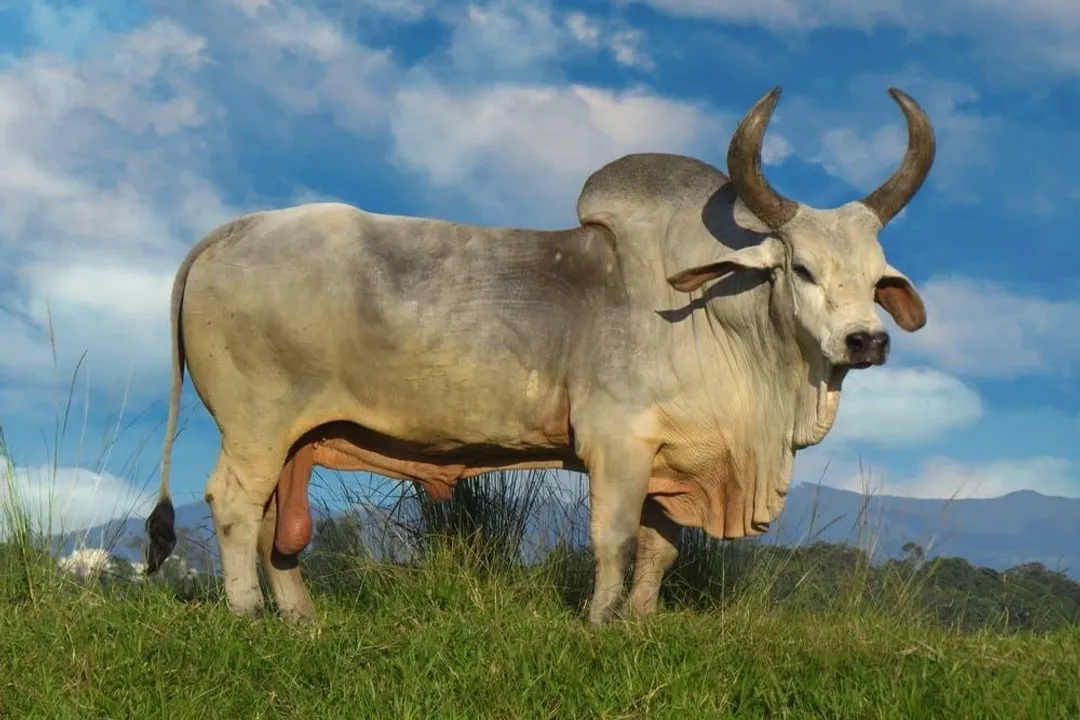
The physical characteristics that define the Zebu are the very traits that drove the initial recognition of a distinct grouping, providing the phenotype basis for its classification separate from Bos taurus. [2] The most immediate identifier is the hump, a mass of fatty tissue supported by bone situated over the shoulders. [2][3] This feature is largely absent in Bos taurus taurus. [1] Another key feature is the large, pendulous dewlap—the loose fold of skin hanging from the neck and brisket—which aids in thermoregulation. [2][3] Zebu also possess longer legs and a relatively shorter back compared to their taurus cousins. [2]
If you examine the skin structure, Zebus tend to have more sweat glands per square centimeter and a thinner hide, which contributes significantly to their ability to cope with high environmental temperatures. [3] This suite of traits, including thicker, looser skin and a pronounced dewlap, are not just aesthetic differences; they represent biological adaptations refined over millennia in tropical and subtropical climates, contrasting sharply with the adaptations of European cattle bred for cooler temperate zones. [3] Considering the necessity for efficient heat dissipation in their native ranges, it makes sense that the specific morphology of B. taurus indicus evolved as a direct response to localized environmental pressures, cementing its status as a distinct evolutionary line within the broader cattle umbrella. [1]
# Breed Groups Within Zebu
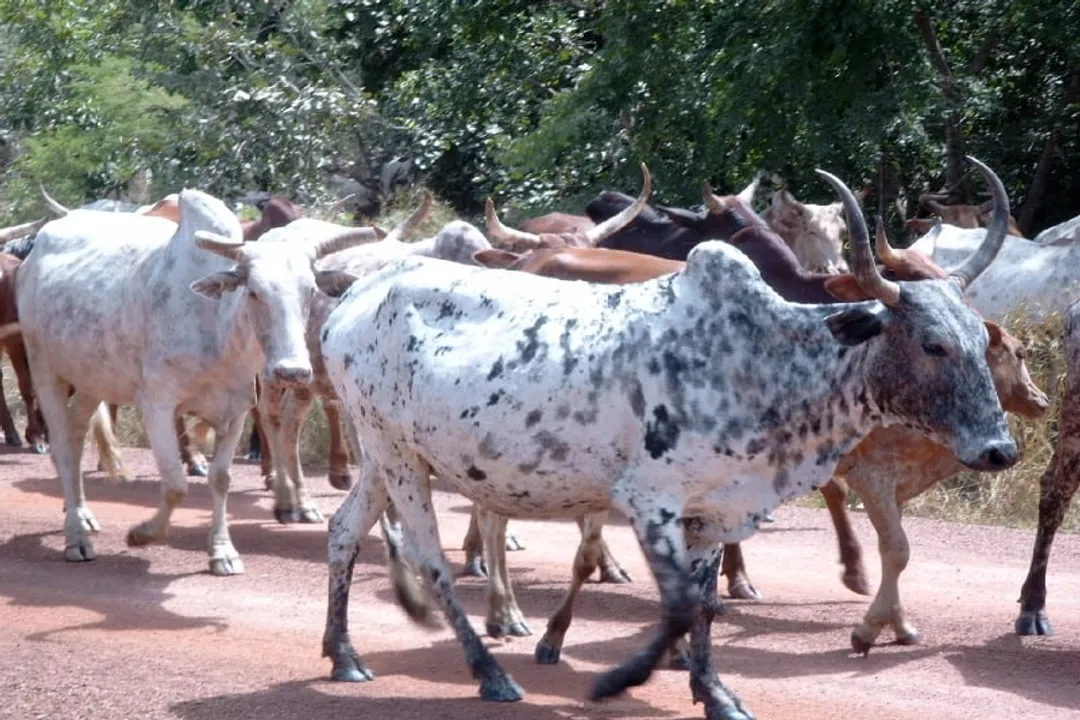
While Bos taurus indicus serves as the subspecies classification for the Zebu type globally, the category encompasses a vast array of breeds developed across Asia, Africa, and the Americas. [2] These breeds exhibit considerable variation in size, color, and utility (draft work versus milk production). [2][5]
For instance, the Brahman, a very common Zebu-derived breed in the Americas, is a composite developed primarily from four major Indian breeds: Guzerat, Nellore, Krishna Valley, and Gir. [3] Other prominent examples include the Gir, known for its distinctively drooping ears and large eyes, and the Sahiwal, often prized for its high milk yield compared to many other draft-focused Zebu types. [2]
When observing these different breeds, it becomes apparent that while the foundational classification (B. taurus indicus) is shared, the local selection pressures applied by breeders in specific geographical areas—like the arid regions of Gujarat versus the humid coastal areas of Brazil—have led to the proliferation of distinct breeds, each fine-tuned for local productivity, yet all retaining the core Zebu anatomical identifiers like the hump and dewlap. [2][5] This variation within the subspecies shows the powerful role of human selection acting upon a well-adapted biological foundation.
# Evolutionary Divergence Context
The classification debate between species and subspecies often hinges on understanding the initial separation point of these cattle lineages. The evidence suggests that the split between the ancestors of B. taurus taurus and B. taurus indicus happened quite early in the history of cattle domestication. [1] While the initial domestication of the aurochs (Bos primigenius) occurred around ten thousand years ago, the two modern groups likely followed separate paths of domestication from different regional Aurochs populations or diverged significantly shortly thereafter. [1]
This long period of separation, where B. taurus indicus developed primarily in the warm, often challenging environments of South Asia, allowed for the genetic fixation of traits related to heat tolerance, parasite resistance, and unique metabolic pathways. [3] The resultant genetic distance is large enough that, for some researchers focused on strict speciation criteria based on reproductive isolation, the species designation felt warranted. [1] Yet, the biological reality of interfertility strongly favors the current consensus placing them under the single species umbrella of Bos taurus as a geographically and morphologically distinct subspecies. [1][5] This history is essential context for appreciating why the scientific name itself carries a degree of interpretive nuance.
Related Questions
#Citations
Zebu
Zebu (Bos taurus indicus) | U.S. Fish & Wildlife Service
Zebu Animal Facts - Bos taurus indicus
Zebu | Animal Database | Fandom
Bos indicus Linnaeus, 1758
Zebu (Bos indicus)
Zebu – Cub Creek Science and Animal Camp
Zebu
Taxonomy browser Taxonomy Browser (Bos indicus) - NCBI
Bos indicus (zebu) | CABI Compendium