Zebrafish Locations

The zebrafish, Danio rerio, occupies two distinctly different worlds: the natural environment where it evolved and the highly controlled settings where it serves as a premier model organism for biological study. Understanding the "locations" of this species requires looking both to its ancestral home in South Asia and its modern, scattered presence across research institutions worldwide. [1][3]
# Natural Habitat
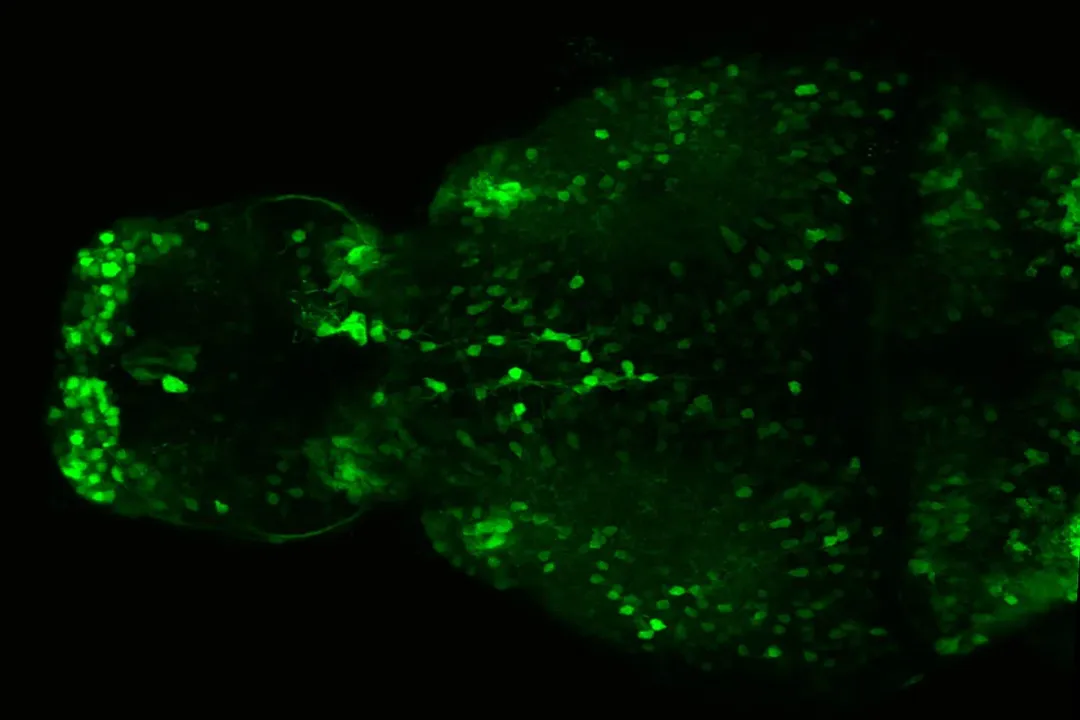
The native range of the zebrafish is concentrated across South Asia, primarily spanning parts of India, Bangladesh, Nepal, and Bhutan. [1] In these regions, the fish does not inhabit fast-flowing, pristine mountain streams. Instead, they are typically found in freshwater environments characterized by slower currents. [1] Often, these waters are described as being turbid or murky, which influences their coloration and behavior in the wild. [1] Field researchers who have documented wild populations have photographed specimens across various sites within this geographic band, indicating established, naturally occurring populations. [10]
What is immediately striking when comparing the native environment to the laboratory is the sheer difference in optical clarity. In the natural setting, the water is often laden with suspended particles, a condition that shapes everything from predator detection to schooling dynamics. [1] When we consider the aquarium settings used in science, we see a deliberate contrast: research tanks are typically maintained with crystal-clear water to allow high-resolution imaging and observation of developing embryos or behaving adults. [3] This dramatic shift—from the subdued, cloudy conditions of a South Asian rice paddy or slow stream to the brightly lit, sterilized laboratory tank—is a fundamental environmental alteration that allows scientists to meticulously track biological processes. [1][3]
# Research Presence
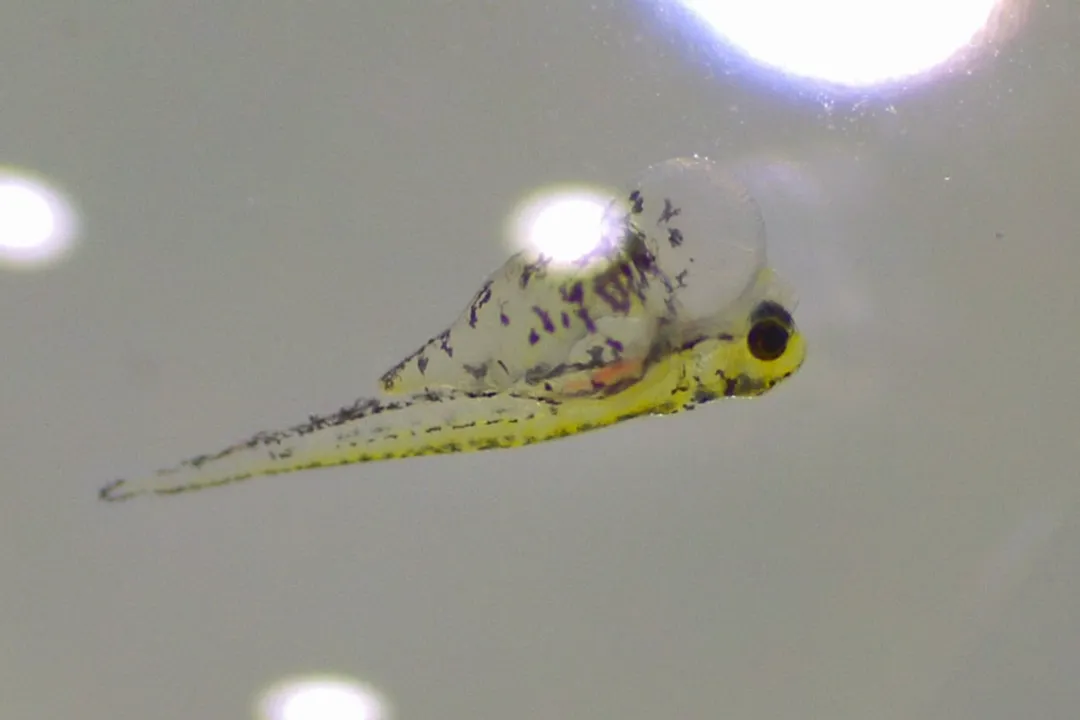
The utility of the zebrafish as a vertebrate model for genetics, developmental biology, and disease modeling has resulted in its presence becoming nearly ubiquitous in biomedical research centers across the globe. [3] While their genetic makeup originated in specific Asian river systems, their functional biology is now being studied on nearly every continent where advanced biological research takes place. [5] This distribution is not random; it follows established centers of academic and medical excellence. [3]
The global network of zebrafish research is supported by specialized facilities, often called "cores," designed to maintain large, genetically characterized populations. These facilities require significant infrastructure to manage water quality, temperature, and breeding cycles for thousands of individual fish, ensuring the consistency needed for reproducible results. [6][8]

# Facility Examples
Many major universities and research institutes host dedicated zebrafish facilities. For instance, institutions like Johns Hopkins Medicine house facilities such as the FINZ Zebrafish Core Center, dedicated to providing resources and expertise for researchers using this model. [6] Similarly, in Europe, centers like the Max Planck Institute for Neurobiology in Tübingen conduct research utilizing these fish, specifically focusing on areas like spatial memory, studying how their brains process location information. [7]
Across the Atlantic, the research community relies on facilities like the one maintained at Einstein Medical Center, which supports ongoing investigations through its shared core services. [8] On the East Coast of the United States, the Marine Biological Laboratory (MBL) also maintains a specialized zebrafish facility, supporting both internal investigators and visiting scientists. [9] These centers act as key nodes in the global scientific web, managing the living libraries of fish strains required for ongoing experiments. [5]
# Distribution Patterns
When mapping where these research fish are kept, an interesting pattern emerges that contrasts sharply with their native geography. The highest density of modern zebrafish facilities is found in North America, Europe, and East Asia (outside of the native range), clustering heavily around established hubs for genomics and developmental biology. [3] For example, while the native fish come from South Asia, major research operations are often situated near large metropolitan academic centers thousands of miles away. [1][6][8]
This geographic clustering implies that the primary driver for modern zebrafish location is not proximity to the wild population but rather the concentration of biological expertise, access to advanced equipment, and collaborative networks. [5] A high-throughput genetics lab needs immediate access to other specialized departments—pathology, imaging, and bioinformatics—which are typically co-located at major research universities. Therefore, the modern map of zebrafish locations looks far more like a map of Nobel laureates than a map of the Ganges River tributaries. [7] The value of a facility is measured less by its water source and more by the scientific community it can support.

# Strain Diversity
While the natural populations primarily consist of the wild-type zebrafish, laboratory colonies have been selectively bred or mutated over decades to possess specific traits, generating thousands of unique strains. [1] Therefore, a location might house genetically distinct populations that look nearly identical to the untrained eye but carry specific mutations for conditions like cancer or cardiac defects. [5] This genetic stratification adds another layer to the concept of "location": a facility in one country might specialize in neural mutants, while another focuses exclusively on transgenic lines for cardiovascular research, creating distinct, specialized biological micro-locations within the global network. [6][7] The continued maintenance of these unique genetic locations is critical for the model's ongoing utility.
Related Questions
#Citations
Zebrafish - Wikipedia
Location - Histology and Histopathology Atlas of the Zebrafish
A Comparative Map of the Zebrafish Genome - PMC - NIH
Forebrain Regions - Zebrafish UCL
Zebrafish International Resource Center
FInZ Zebrafish Core Center - Johns Hopkins Medicine
How zebrafish map their environment
Zebrafish | Shared Facilities & Cores | Montefiore Einstein
Zebrafish Facility | Marine Biological Laboratory
Map showing the location of 12 of the sites we visited where ...