Yorkiepoo Scientific Classification
The very notion of a scientific classification for the Yorkiepoo—that charming mix of Yorkshire Terrier and Poodle—immediately delves into the complex world of hybrid dogs, where formal Linnaean taxonomy meets the reality of selective breeding for companionship. Unlike established purebreds with centuries of standardized lineage tracked by organizations like the American Kennel Club (AKC) or The Kennel Club (UK), the Yorkiepoo does not possess its own unique scientific binomial name. Its entire biological identity is rooted in its parentage, placing it squarely within the classification of the domestic dog species, Canis familiaris. [6]
# Species Placement
To understand the Yorkiepoo’s place in the biological world, one must look to its progenitors. Both the Yorkshire Terrier and the Poodle belong to the species Canis familiaris, which is sometimes further classified as a subspecies of the gray wolf, Canis lupus familiaris. [6] This shared species designation is what allows these two distinct breeds to successfully interbreed and produce viable offspring. Therefore, scientifically speaking, a Yorkiepoo is simply a domestic dog whose genetic makeup has been intentionally mixed between two established breeds. [2] There is no separate scientific entry or genus/species designation specific to the Yorkiepoo itself because it is a crossbreed, not a naturally occurring or formally recognized, stable breed. [3]
# Naming Context
The common names used for this cross—Yorkiepoo, Yorkipoo, or sometimes Yoodle—are what breeders and owners use in the companion animal market. [5][7] These names reflect the cross but carry no scientific weight. [4] The nomenclature itself highlights the commercial aspect of designer dogs, where catchy titles are used for marketing, rather than adhering to the rigorous, standardized naming conventions found in official breed registries or zoological classification systems. [1] The lack of a formal, standardized scientific name is a direct result of its status as a hybrid, meaning it is not officially recognized by major kennel clubs as a pure breed. [2][7]
# Parent Characteristics
The scientific classification of a hybrid is often best understood by examining the specific traits inherited from each parent line, as these traits dictate the dog’s physical and temperamental taxonomy in practice.
The Yorkshire Terrier, originating from Yorkshire, England, was historically bred to catch rats in clothing mills and mines. [6] They are typically classified by size, characterized by a fine, silky coat that lacks an undercoat. [6]
The Poodle, conversely, comes in three recognized sizes (Standard, Miniature, and Toy). [2] The Yorkiepoo usually results from crossing a Yorkie with a Toy or Miniature Poodle. [4] Poodles are renowned for their intelligence and non-shedding, dense, curly coats, traits highly sought after when crossing with the Yorkie. [3][5]
When these two genetic profiles combine, the result is a dog whose scientific placement remains Canis familiaris, but whose physical presentation is a spectrum of possibilities between the two parents. [1]
# The Spectrum of Appearance
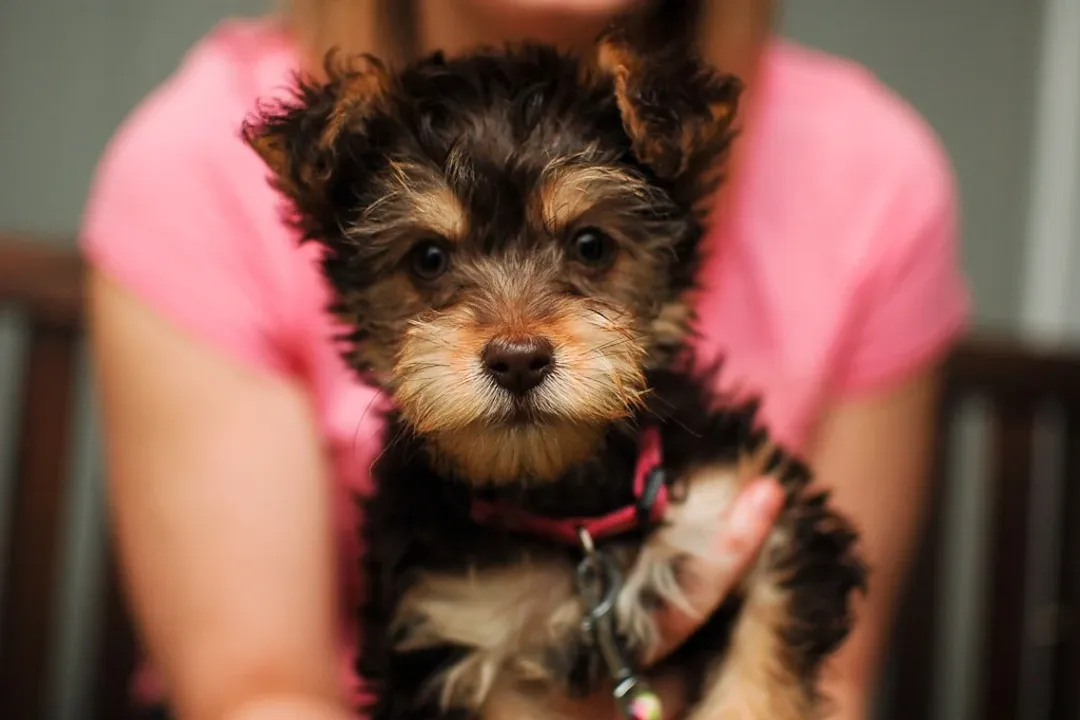
While formal scientific taxonomy stops at the species level for this mix, understanding the potential range of physical characteristics is essential for any owner. Size, for example, is highly variable because the Poodle parent might be a Toy or a Miniature. [2] Heights typically range between 7 to 15 inches, and weights often fall between 4 to 14 pounds. [4][7] This variance is a key indicator of its hybrid status; a purebred dog's size range is far more predictable due to generations of selection for uniformity. [3]
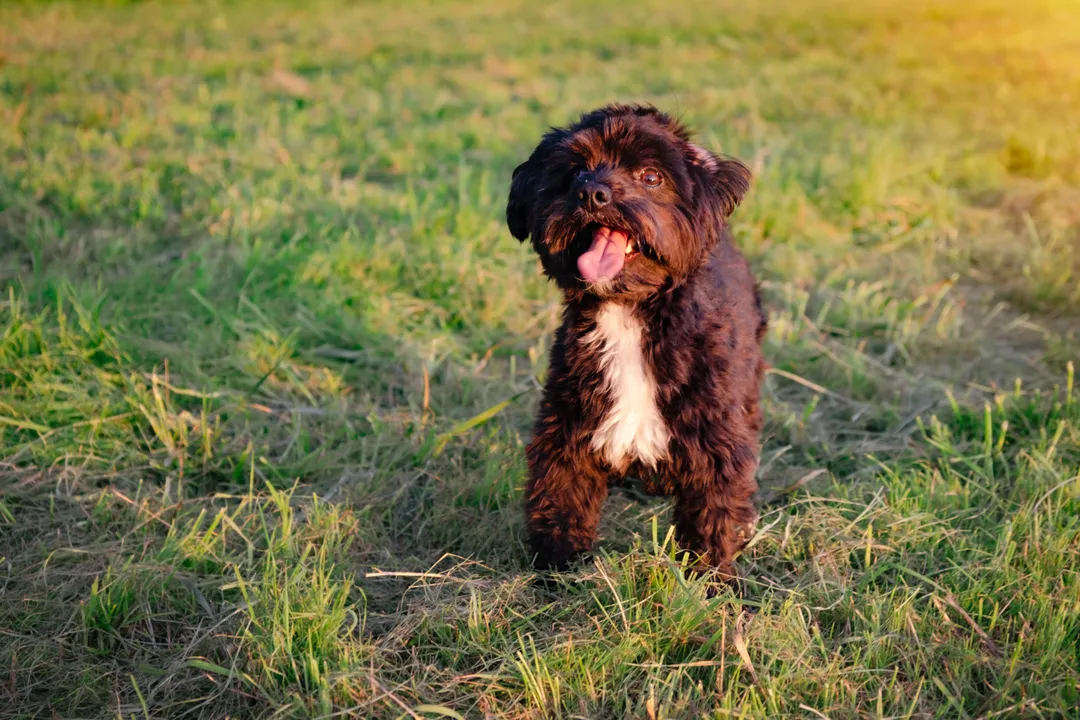
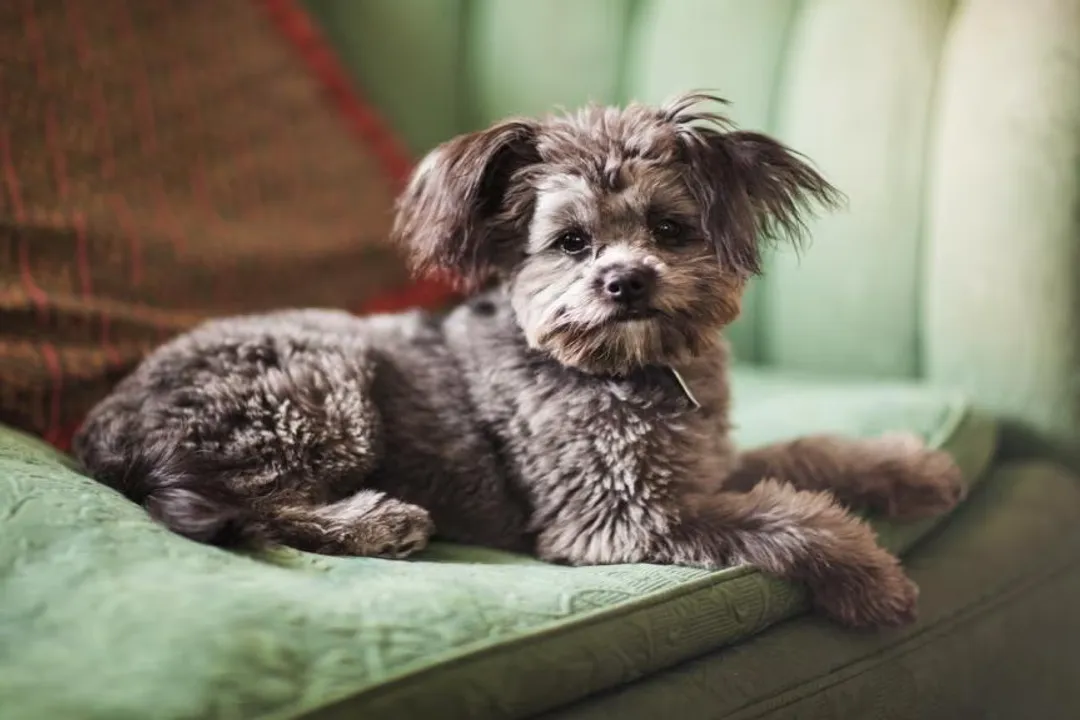
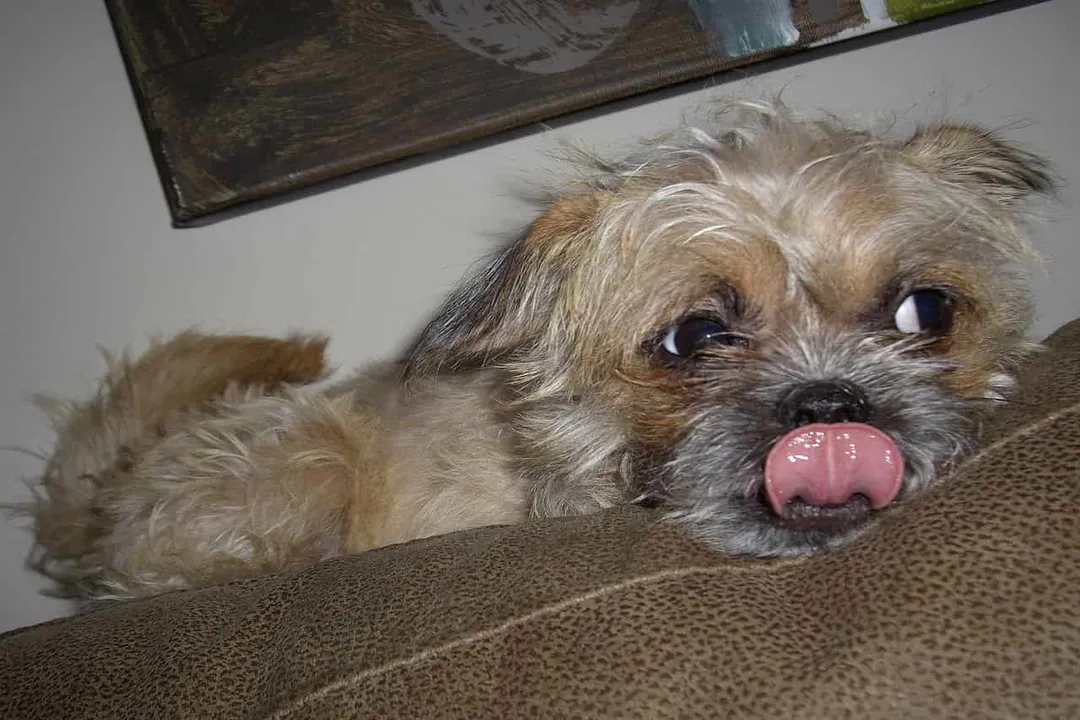
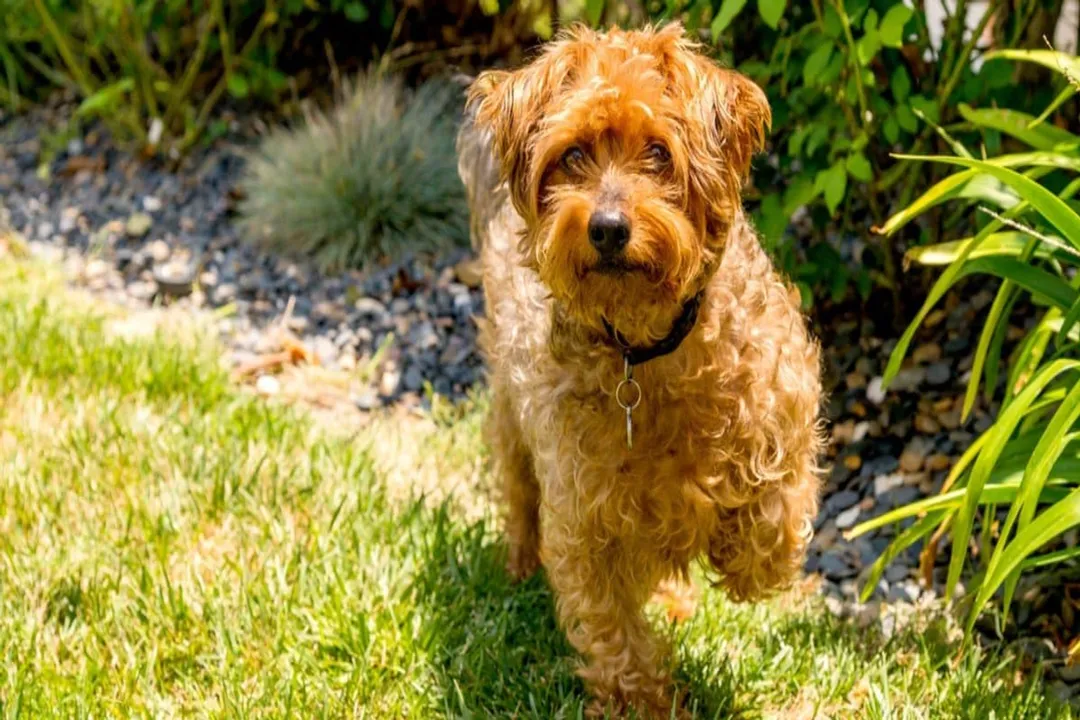
The coat is perhaps the most defining feature influenced by the cross. Breeders often aim for the low-shedding, hypoallergenic qualities associated with the Poodle, but the resulting texture can range from the Poodle's tight curls to the Yorkie's silky straightness, or anything in between, often resulting in a wavy or shaggy coat. [1][3] This unpredictability in texture and shedding pattern is a direct consequence of mixing two genetically distinct coat types. [9]
| Trait Category | Yorkshire Terrier Influence | Poodle Influence | Yorkiepoo Result |
|---|---|---|---|
| Size | Small stature | Toy or Miniature range | 4 to 14 lbs [4][7] |
| Coat Type | Silky, fine, straight | Dense, curly, low-shedding | Wavy, shaggy, variable shedding [3][9] |
| Temperament | Spirited, alert, tenacious [6] | Highly intelligent, trainable [2] | Alert, affectionate, spirited companion |
# Genetic Variability and Its Impact
The lack of standardized classification means that the genetic expression in a Yorkiepoo litter can be quite diverse, a phenomenon sometimes associated with hybrid vigor but more accurately described as the random recombination of traits from two distinct gene pools. [1] A single litter might contain pups that lean heavily toward the Yorkshire Terrier’s appearance and temperament, while others might display more of the Poodle’s structure or coat density. [4] This contrasts sharply with purebred breeding, where generations of selection aim to minimize variation within a litter, reinforcing specific characteristics under a strict breed standard. [6]
For those interested in predicting the outcome, understanding the generational cross can offer a slight hint, although it is never a guarantee. An cross (first generation, parent A x parent B) typically shows the widest range of traits. Later generations (like or backcrosses) might start to show more consistency, but without the centralized control of a recognized breed registry, these patterns are less defined in the commercial hybrid market. [9] Considering the parents' respective histories—the terrier's tenacity and the poodle's trainability—the resulting disposition is a unique blend, usually resulting in an alert, charming, and often high-energy companion. [2][5]
# Implications for Ownership and Health
Because the Yorkiepoo is not a formally recognized breed, its health profile is largely derived from the known vulnerabilities of its parent breeds, rather than specific, extensive studies on the hybrid itself. [7] This means prospective owners must be aware of issues common to both the Yorkie and the Poodle lines.
For instance, both parent breeds can be prone to certain orthopedic concerns. The Yorkshire Terrier, being small, is susceptible to luxating patella (slipped kneecaps). [6] Poodles, especially Miniatures, can also face similar joint issues. [2] Therefore, when evaluating a Yorkiepoo puppy, spending extra time observing its gait and asking potential breeders about the screening practices for the parents' hips and knees becomes a crucial, practical step in responsible ownership that goes beyond simple pedigree checks. [7] It is this proactive investigation into the parents' health history—the actual genetic source material—that substitutes for the formal assurances of a registered purebred certificate.
Furthermore, intelligence levels inherited from the Poodle side suggest that mental stimulation is as important as physical exercise. [2] A dog that inherits the Yorkie’s independent spirit combined with the Poodle’s sharp mind may become bored quickly if not provided with puzzle toys or consistent, positive reinforcement training. Owners should plan on dedicating at least 15-30 minutes daily to engaging activities tailored to a small, bright dog to prevent destructive behaviors stemming from under-stimulation. [4] This actionable focus on mental engagement, informed by the parents' known aptitudes, helps manage the variability inherent in the hybrid’s scientific ambiguity.
# Authority in the Home Versus Authority in Science
The distinction between the Yorkiepoo’s scientific standing and its standing in the home environment is stark. Scientifically, it is Canis familiaris, a domestic dog with known ancestry. [6] In the human world, it is highly valued as a companion animal, often praised for its low shedding and affectionate nature. [3][5] Its "authority" comes not from official registry status, but from the established behavioral patterns derived from its parent breeds—the terrier’s alertness and the poodle’s devotion. [2] This duality means owners must appreciate both the general biology of a small dog and the specific personality tendencies passed down from its two parent lineages to provide adequate care and training. [1] The Yorkiepoo, therefore, sits in a space where commercial appeal dictates its name, while its biology is strictly governed by the established taxonomy of Canis familiaris. [6]
#Videos
Dog Care & Breed Information : What Is a Yorkie Poo?
Related Questions
#Citations
Yorkiepoo Dog Breed Complete Guide
Yorkiepoo Dog Breed Health and Care
Yorkiepoo: Dog Breed Characteristics & Care
Yorkiepoo Dogs: Fun Facts, History and How To Get One
Yorkie-Poo Guide - Breed Temperament & Health
Yorkshire Terrier
Yorkipoos | Embrace Dog Breed Library
Dog Care & Breed Information : What Is a Yorkie Poo?
The In-Depth Yorkipoo Dog Breed Guide