Yoranian Facts
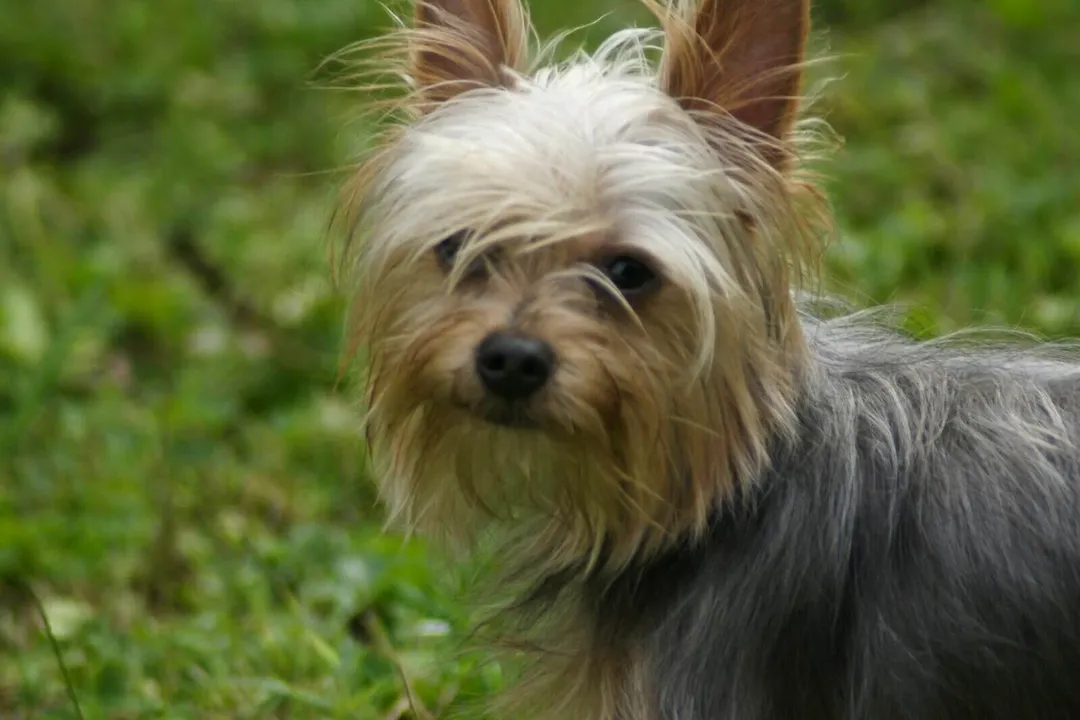
The Yoranian, a delightful cross between the spirited Yorkshire Terrier and the fluffy Pomeranian, brings together two very distinct, yet equally charming, personalities into one small package. [1][2][5][7][10] These designer dogs have quickly earned a spot in the hearts of many small-dog enthusiasts because they often inherit the confident spirit of the Yorkie and the famously soft, abundant coat of the Pom. [5][7] Because they are a hybrid breed, their exact features can vary quite a bit, meaning that prospective owners often end up with a delightful surprise when their puppy matures. [2][5] This variability is part of what makes them unique; one littermate might look predominantly like a tiny Pomeranian with a terrier's spark, while another might lean more toward the sleekness of a Yorkie with a puffier tail. [7]
# Size Limits
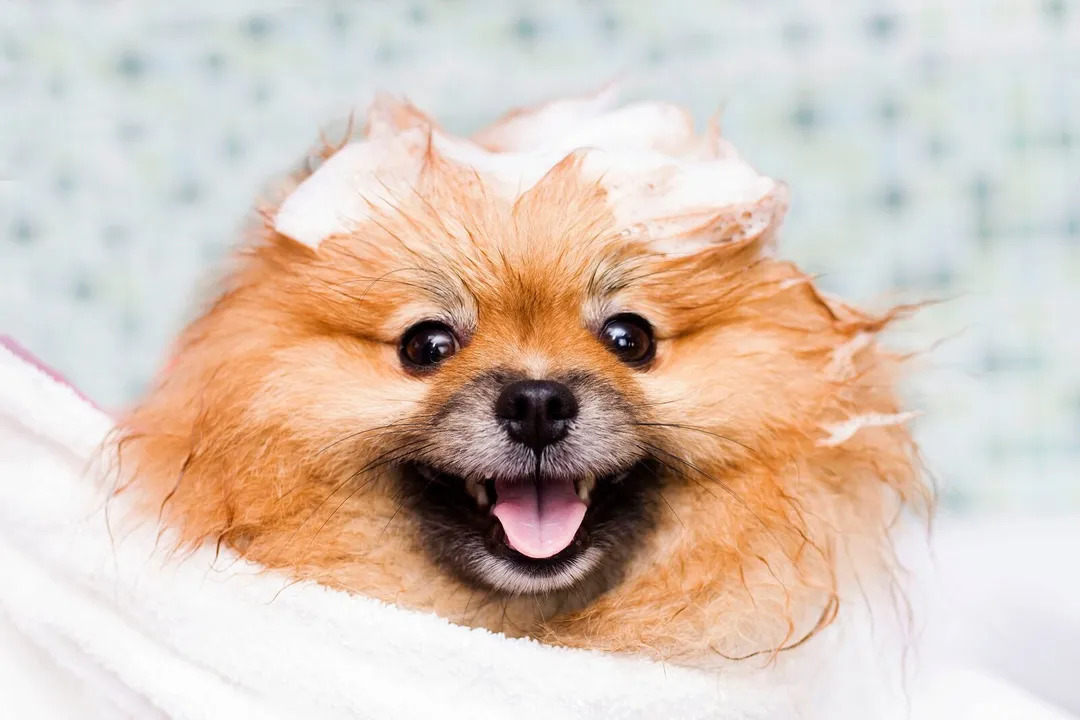
The Yoranian is firmly established in the toy group, rarely growing very large. [1][8] Generally, these dogs weigh in the range of about 3 to 7 pounds. [1][2][8] In terms of height, they usually measure between 6 and 9 inches when standing at the shoulder. [1][8] This compact stature makes them suitable for apartment living, provided their exercise needs are met. [1] An interesting point to consider when observing a young Yoranian is that while their weight is relatively consistent with the lower end of a purebred Pomeranian or the upper end of a purebred Yorkshire Terrier, their bone structure might favor the more delicate build inherited from the Yorkie parent, requiring extra care around falls or rough play. [2][5]
# Coat Variations
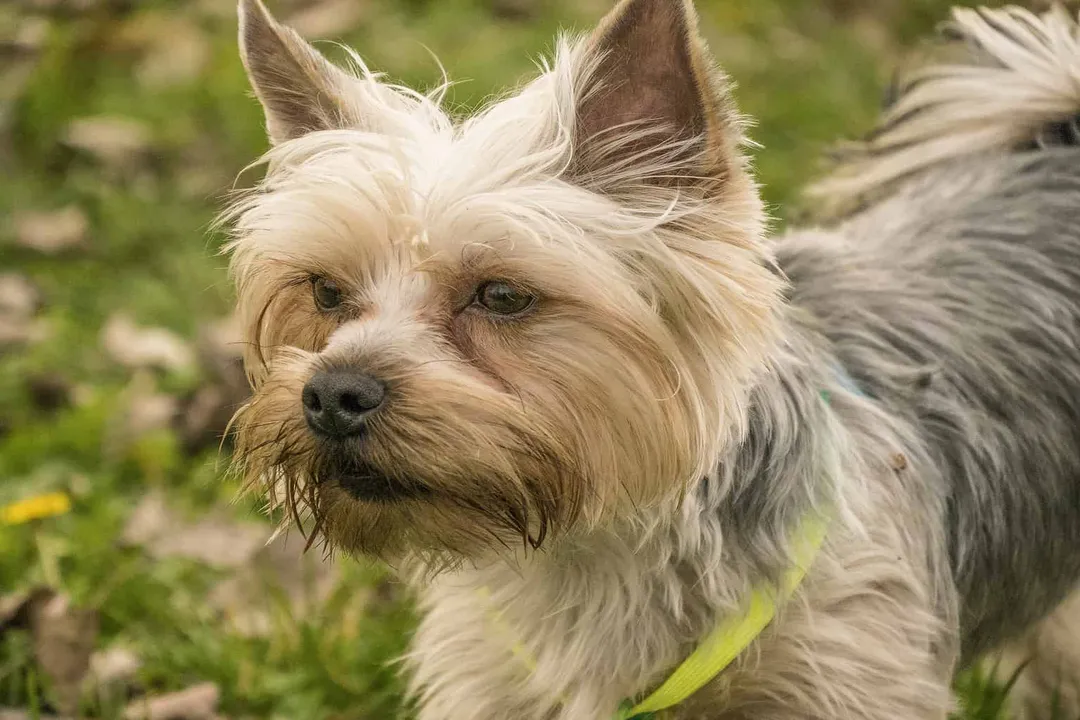
Perhaps the most compelling visual aspect of the Yoranian is its coat, which can exhibit a wide spectrum of textures and lengths depending on which parent breed’s genes are more dominant. [5][7] If the Pomeranian influence is strong, the dog will display a dense, thick double coat that requires significant maintenance. [1][7] Conversely, if the Yorkshire Terrier's influence is heavier, the coat might be silkier, finer, and potentially less prone to the extreme puffiness seen in Poms. [7] Coloration is also highly variable, often showing blacks, tans, creams, oranges, or a mix of these shades. [1]
A key consideration for any Yoranian owner revolves around grooming commitment, which directly correlates with the coat type they receive. For instance, if your Yoranian settles into a long, flowing coat style that heavily favors the Pom lineage, you should anticipate a near-daily commitment to brushing—perhaps 20 to 30 minutes—to prevent painful matting, especially in high-friction areas like behind the ears and under the legs. [5] If you find yourself with a coat leaning toward the Yorkie's silkiness, the texture will be less prone to matting but may still require brushing several times a week to maintain shine and remove tangles, a notable time-saver for busy households. [5] Bathing frequency will depend on lifestyle, but regular care prevents skin issues often exacerbated by trapped moisture in dense double coats.
# Temperament Profile
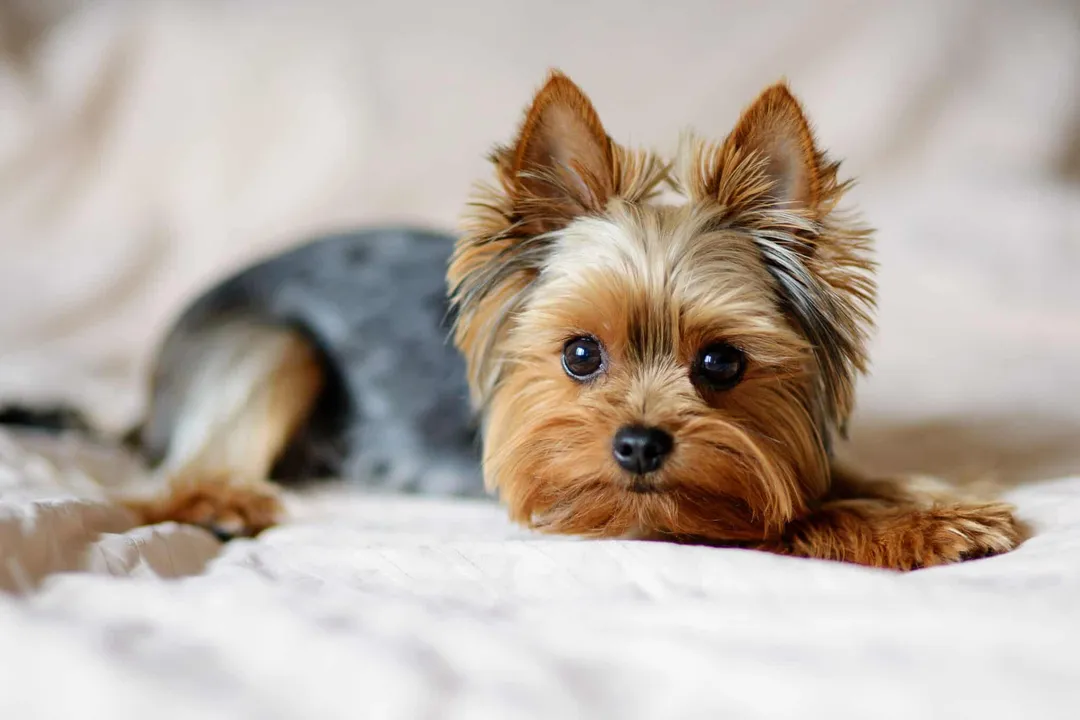
The personality of the Yoranian tends to be lively, engaging, and quite affectionate towards their immediate family. [1][2][5] They are intelligent dogs, often quick to learn basic commands, though they can sometimes exhibit a streak of stubbornness inherited from one or both parent breeds. [5] This spark of independence means that early, consistent, and positive-reinforcement training is not just recommended—it is essential for a well-mannered companion. [5]
These small dogs are often described as very brave, sometimes forgetting their tiny size when confronting larger dogs or perceived threats. [1][2] While this boldness can be endearing, it underscores the critical need for proper socialization starting in puppyhood. [5] If a small dog is never properly introduced to various sights, sounds, people, and benign canine encounters, they can develop defensive or overly demanding behaviors, commonly referred to as the small dog syndrome. [5] Owners must be proactive about structure and boundaries to ensure that the Yoranian's spirited nature remains charming rather than dominating. They thrive on companionship and generally do not do well when left alone for extended periods, often becoming anxious or destructive if bored. [1][5]
# Health Factors
As a mixed breed, the Yoranian generally benefits from what is sometimes termed hybrid vigor, potentially inheriting fewer severe health issues than some purebred lines. [2][8] However, they are still susceptible to certain conditions common to both the Yorkshire Terrier and the Pomeranian. [1][2][8]
Key health concerns that owners should monitor include:
- Luxating Patella: A condition where the kneecap slips out of place, common in many small breeds. [1][8]
- Dental Disease: Their small mouths can lead to overcrowding of teeth, making regular dental care vital. [2]
- Tracheal Collapse: A weakness in the cartilage rings of the trachea, often seen in both parent breeds. [1][8]
The expected lifespan for a healthy Yoranian typically falls between 10 and 15 years. [1][8] Regular veterinary check-ups are crucial for catching potential issues early, especially dental problems, which can escalate quickly in toy breeds. [2]
# Daily Needs
Meeting the daily requirements of a Yoranian involves balancing their exercise, mental stimulation, and grooming schedules. [1][5]
# Exercise
Despite their small stature, Yoranians are energetic dogs that require consistent daily activity to remain content. [1] They typically need moderate exercise. [1] A couple of short walks each day, combined with indoor playtime, should satisfy most of their physical needs. [5] Because they enjoy being busy, incorporating puzzle toys or brief training sessions into their routine helps satisfy their sharp minds, which is especially important given their potential for stubbornness if they become under-stimulated. [5]
# Training Approach
Training a Yoranian requires a patient and firm hand, despite their small size. [5] They possess the intelligence to learn but can be willful. [5] Owners must establish themselves as the calm, consistent leader right from the start. [5] Harsh methods are counterproductive with toy breeds; instead, focus on positive reinforcement, rewarding desired behaviors with high-value treats or praise. [5] Due to their sensitivity and desire to please their owners, short, fun training sessions work best, keeping them engaged before they lose interest. [1]
It is worth noting that because they are so small and often pampered, many owners inadvertently allow them to get away with demanding behaviors—like constant yapping or refusing a command—that would not be tolerated in a larger dog. [5] One proactive strategy to mitigate this is to enforce a "no free lunch" rule, meaning the dog must perform a simple command, like "sit," before every meal or treat is given, reinforcing that compliance earns rewards, regardless of size.
# Grooming Regimen
Grooming is a non-negotiable part of Yoranian ownership. [1][2] Daily brushing is often necessary to prevent painful knots and mats, particularly if the coat is long and fluffy like that of a Pomeranian. [5] Owners should invest in a good quality slicker brush and a metal comb to work through the coat down to the skin. Regular cleaning around the eyes is also necessary, as tear staining, a trait often seen in Yorkshire Terriers, can affect the lighter-colored Yoranians. [5] Professional grooming appointments every 4 to 6 weeks for bathing and sanitary trims can help manage bulk, but home maintenance remains essential between visits. [1]
# Living Arrangements
The ideal home for a Yoranian is one where they receive plenty of human interaction. [1][5] They bond closely with their families and are not suited for environments where they might be ignored for long stretches during the day. [5] Their small size makes them excellent companions for apartment dwellers, provided that the noise level is managed—as they can be prone to alert barking if not trained against it. [1]
When introducing them to children, supervision is mandatory. [2] While they can be playful, their fragile structure means they can be easily injured by clumsy handling or overly boisterous play from small children. [2][5] They generally coexist well with other pets, especially if introduced early and socialized properly, but their terrier heritage means they might have a higher prey drive toward very small animals like hamsters or birds. [1]
| Trait | Yorkshire Terrier Influence | Pomeranian Influence | Yoranian Outcome |
|---|---|---|---|
| Coat Texture | Silky, fine, flowing | Dense, fluffy double coat | Highly variable; often soft and thick [7] |
| Temperament | Bold, spirited, sometimes stubborn | Affectionate, intelligent, sometimes reserved | Courageous, energetic companion [1][5] |
| Size Range | Lower end of toy size | Upper end of toy size | Generally 3–7 lbs [2][8] |
| Vocalization | Alert barker | Moderate tendency to bark | Can be prone to alert barking [1] |
This comparison table helps illustrate the genetic lottery inherent in mixed breeds, showing how the desirable and challenging traits from each parent can manifest in the resulting pup. [7] Prospective owners must be prepared to manage the trait that happens to emerge strongest.
# Conclusion
The Yoranian offers a big dose of personality in a very petite package. [1][2] They are intelligent, loving companions that form deep attachments to their people. [5] Success with this breed hinges on understanding their dual heritage—managing the potential grooming demands from the Pom side while applying consistent, gentle training to curb the stubbornness sometimes found in both parent breeds. [5] For an owner ready to commit to daily brushing and consistent structure, the Yoranian is a remarkably rewarding and devoted little dog. [1][5]
#Videos
Dogs 101 - YORANIAN - Top Dog Facts about the YORANIAN ...
Yorkie Pomeranian Mix: Everything You Need To Know About ...
Related Questions
#Citations
Yoranian | Dog Breed Facts and Information
Yoranian Dog Breed Complete Guide
Yoranian Dog Breed Information and Pictures
Dogs 101 - YORANIAN - Top Dog Facts about the YORANIAN ...
Yoranian (Yorkie & Pomeranian Mix): Info, Pictures, Care & ...
About The Yorkie Pomeranian Mix (Yoranian) With Pictures
Yorkie Pomeranian Mix Breed Information
Yoranian | Pet Premium - Pet Insurance Comparison
Ultimate Guide to Yoranian Dogs Care Tips and Breed Info