Yellow-Eyed Penguin Locations
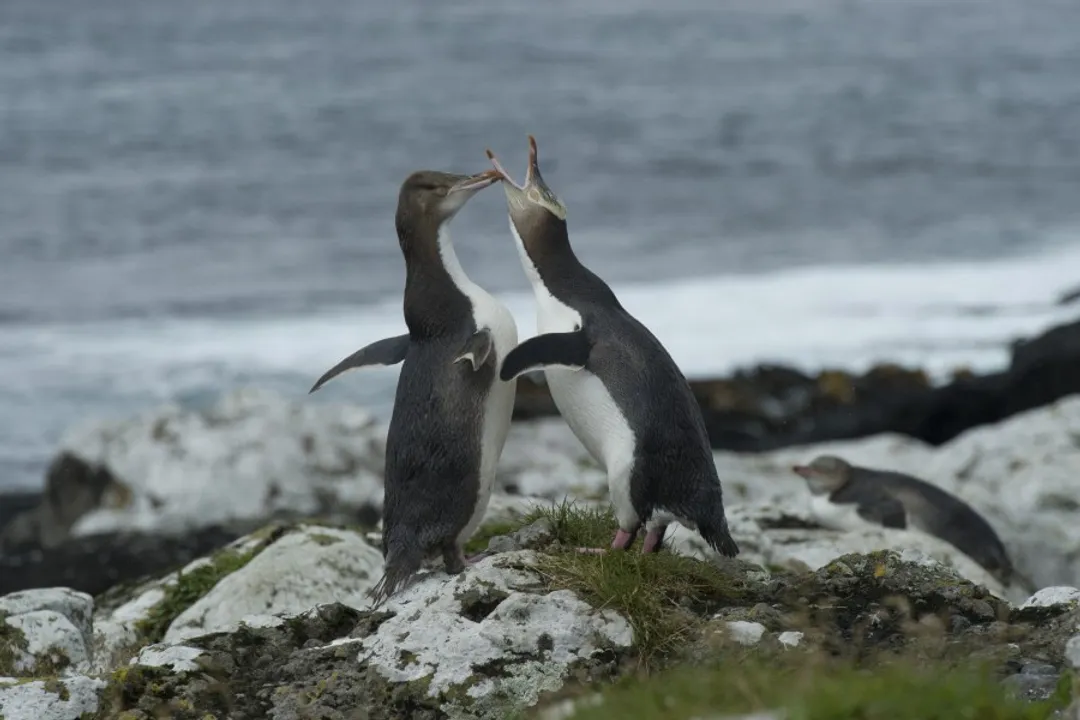
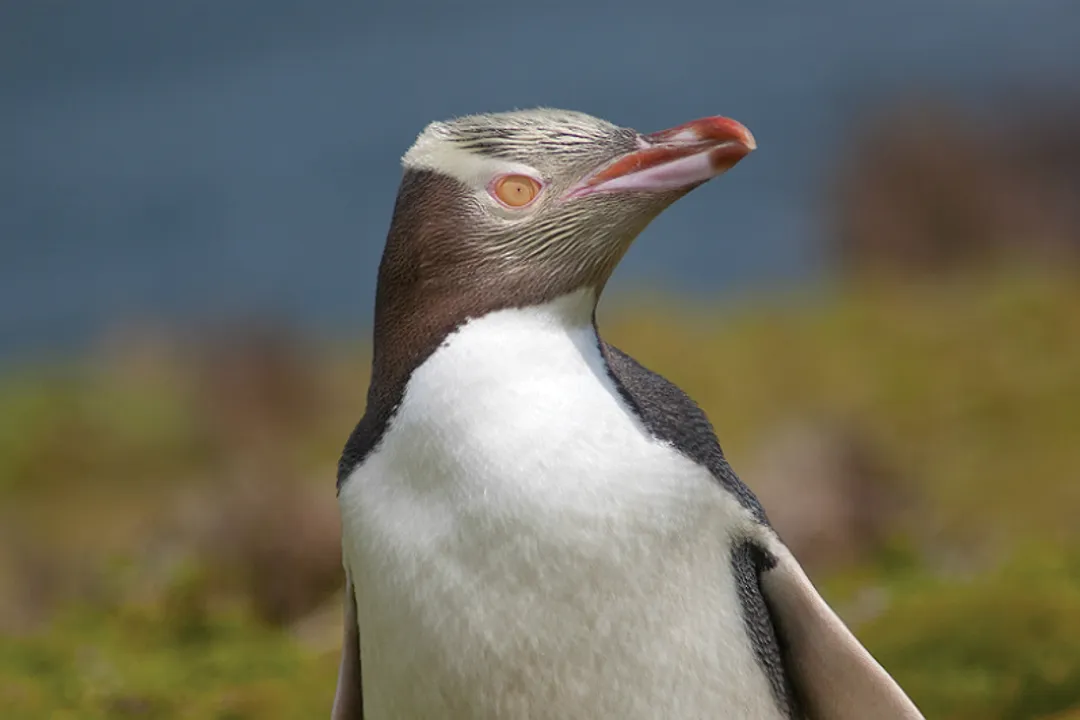
The Yellow-eyed Penguin, known to Māori as Hoiho, holds a unique position among its oceanic relatives, primarily due to its distinct facial markings and its preference for solitary nesting habits rather than large, dense colonies. [2][8] Pinpointing their locations requires understanding their distribution across the southern reaches of New Zealand and its associated islands, as they are endemic to this region. [1][4] While they spend much of their lives foraging out at sea, their terrestrial presence is fiercely protected and concentrated in specific coastal environments. [2]
# Geographic Range
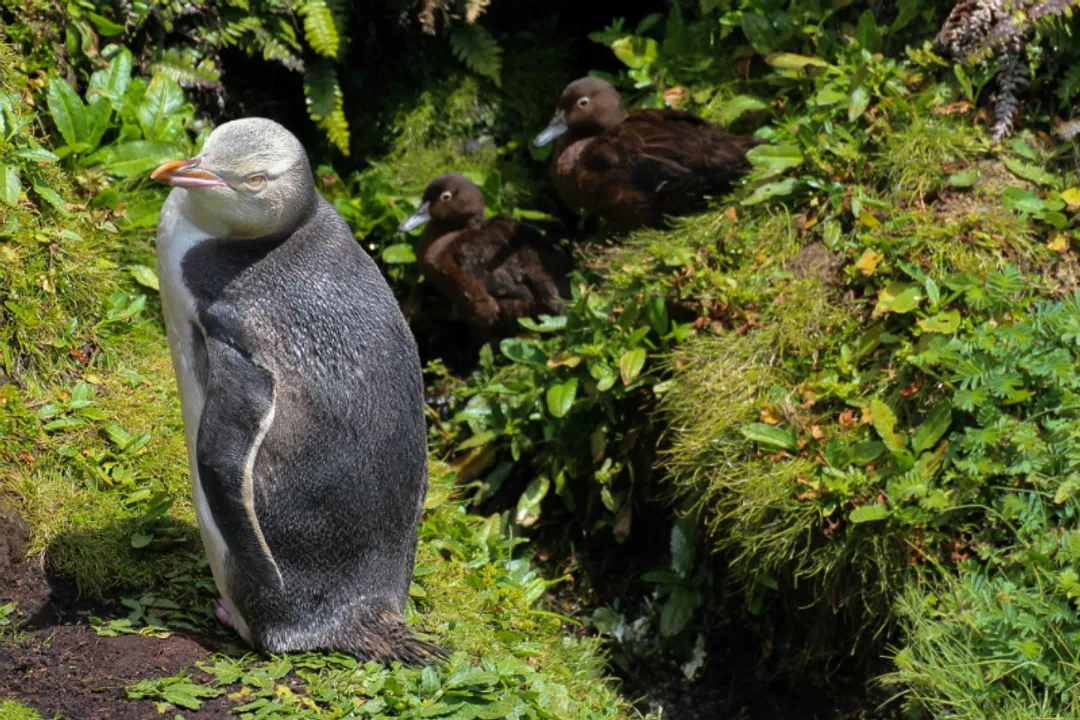
The distribution of the Yellow-eyed Penguin is geographically restricted, placing it among the world's rarest penguin species. [2][4] The species is found exclusively in New Zealand waters and along the adjacent coastlines. [1][8] This distribution encompasses the southeastern coast of the South Island, Stewart Island (Rakiura), and the sub-Antarctic islands under New Zealand's jurisdiction. [3][6][10] Their presence on the mainland is patchy, a characteristic that often surprises visitors expecting large, easily visible rookeries. [9]
The primary areas of mainland population concentration are the southeastern coast of the South Island, stretching from Banks Peninsula southwards. [1][2] Specific strongholds exist in the Otago and Catlins regions. [9] Moving further south, significant populations reside on Stewart Island/Rakiura. [3] However, the most stable and perhaps largest remaining breeding populations are often found further offshore on the remote sub-Antarctic islands. [10] These include the Auckland Islands and Campbell Island, which offer more isolated habitat away from mainland pressures. [1][4] An interesting aspect of their ecology is the separation between their coastal foraging grounds and their terrestrial breeding sites; they are one of the least colonial penguin species, favoring secluded nesting spots in coastal scrub or forest patches. [2][6] This contrasts sharply with the massive colonies seen with species like the Adelie or Chinstrap penguins, which is a critical factor when planning where to look for them. [9]
# Mainland Strongholds
When visiting the South Island of New Zealand, the search for the Hoiho focuses intently on specific stretches of coastline where conservation efforts and suitable habitat overlap. [7] The Otago Peninsula, particularly the area around Taiaroa Head, is perhaps the most famous and accessible location for public viewing, largely thanks to managed viewing hides. [2][7] This area represents a significant, though heavily managed, nesting site on the main island. [9]
Further south lies the Catlins coast, an area renowned for its rugged beauty and its role as a critical habitat corridor. [9] Locations within the Catlins, such as specific beaches and coastal forest margins, are known nesting grounds. [9] The DOC (Department of Conservation) often manages access points here to minimize disturbance, recognizing the species' sensitivity. [2] For instance, observing them in the Catlins often requires scanning remote coves or forested slopes, rather than just looking at the waterline. [9]
Stewart Island/Rakiura also hosts populations. While sometimes overshadowed by the sub-Antarctic sites, the islands off Rakiura provide vital refuge. For those exploring the area, finding them usually involves observing them returning from sea to remote beaches or sheltered bays, which often requires local knowledge or participation in guided tours that respect set viewing distances. [3][7] If you are scanning the coastline, remember that unlike some other penguin species that might congregate near jetties, Hoiho are more likely to emerge from dense coastal vegetation onto an isolated stretch of beach, often favoring slightly more sheltered bays over the most exposed surf lines. [6]
# Sub-Antarctic Sanctuaries
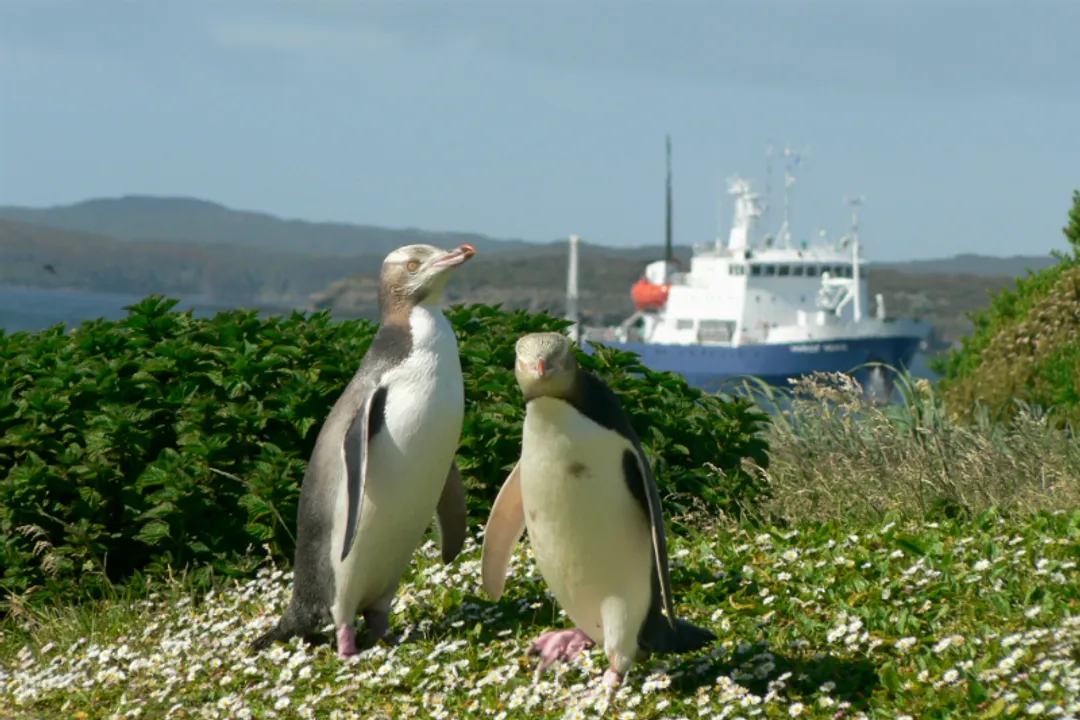
The true centers of population density for Yellow-eyed Penguins are the sub-Antarctic islands administered by New Zealand. [1][10] These remote territories are essential for the species' long-term survival, offering vast tracts of relatively undisturbed habitat. [4]
# Auckland Islands
The Auckland Islands archipelago is a major breeding ground. [1][3] Here, the penguins utilize the dense vegetation and somewhat more sheltered conditions compared to the open exposure of some mainland sites. [8] Expeditions visiting these islands often confirm their presence along various coastlines where researchers have banded and monitored them for decades. [10]
# Campbell Island
Similarly, Campbell Island supports significant numbers of Yellow-eyed Penguins. [1] These islands provide an environment where the pressures from human activity and introduced predators, which plague the mainland populations, are somewhat mitigated, although conservation challenges certainly remain. [4] Any sightings on these islands are typically part of organized scientific surveys or specialized eco-tours, as public access is highly restricted and managed under strict biosecurity protocols. [10]
Considering the mainland versus the sub-Antarctic strongholds, it's noticeable that while the mainland population is critically endangered and requires intensive human intervention, the sub-Antarctic birds benefit from a habitat that is physically more conducive to their natural, solitary nesting behavior, though they still face marine environmental threats. [2][4]
# Tips for Responsible Viewing
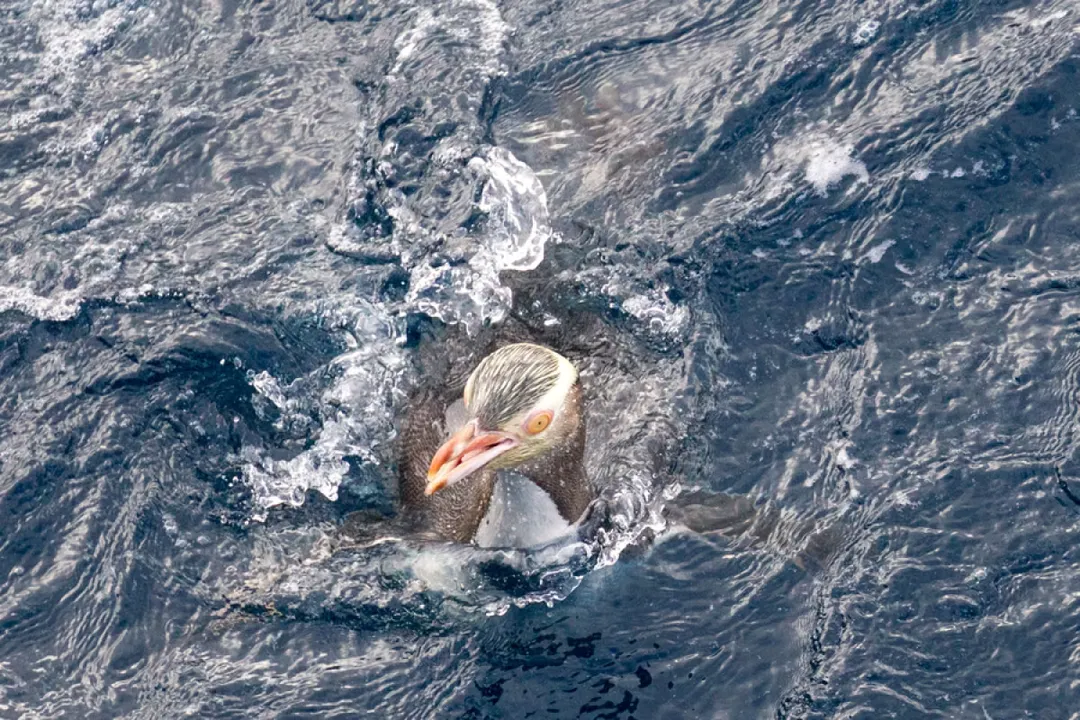
Observing the Yellow-eyed Penguin in the wild is a privilege due to their threatened status and inherent shyness. [2][6] Whether on the South Island coast or near a known Otago breeding area, adherence to guidelines is paramount to avoid causing stress or abandoning nests. [2][9]
# Distance Protocol
The most critical rule involves maintaining a significant distance. For instance, DOC strongly advises keeping at least 20 meters away from the birds on the beach or in the water. [2] When viewing from designated hides or viewing platforms, such as those often set up in areas like the Otago Peninsula, this distance is usually pre-established and enforced. [7] If you are hiking a remote beach in the Catlins, you must assume the penguin might be closer than you think, hidden in the scrub, and should stop immediately if you spot one and retreat to a safe distance without making sudden movements. [9]
# Timing Observations
Understanding their daily routine can improve viewing success while minimizing intrusion. The Hoiho typically depart their nests early in the morning to forage at sea. [2] They return later in the day, usually late afternoon or early evening, to feed their chicks or settle for the night. [6] If planning a visit, targeting the late afternoon window means you are more likely to see them come ashore, often looking rather comical as they waddle up the beach. [2][7] However, remember that tides and weather heavily influence their arrival time, so an early evening beach walk might not always yield results, but it maximizes the chance of an encounter when they are present. [6]
A practical consideration for the amateur wildlife photographer or observer is the light quality during these late-day returns. While the light is often beautiful, remember that the birds are tired and trying to get to shelter quickly. Approaching them when the light is low might cause them to panic or delay their entry into cover, so patience, even when they are visible, is key to ethical viewing. [2]
# Finding Sightings Online
For those interested in monitoring current known locations or recent observations outside of managed tourist areas, data aggregators provide valuable insight into distribution hotspots. [5] Platforms that compile citizen science reports, like eBird, document where Yellow-eyed Penguins have been recorded by observers. [5] Reviewing these sighting maps can reveal specific bays or coastal markers where multiple independent sightings have occurred over time, often confirming the known general areas mentioned by conservation groups. [5] This digital scouting can help direct visitors toward areas with a higher probability of success, though it must always be balanced with the need to respect private land and conservation area boundaries. [5][7] For example, cross-referencing DOC-verified locations with recent eBird reports can give an observer confidence that a specific headland is actively used, provided they commit to the appropriate access protocols. [2][5]
# Conservation Status Context
Understanding the locations is inseparable from understanding the threats they face, as these threats dictate why certain locations are more critical than others. [4] The Yellow-eyed Penguin is listed as Endangered or Threatened across various international and national registers. [2][4] Key challenges include habitat degradation, predation from introduced mammals like stoats and dogs, and marine threats such as entanglement in fishing nets or reductions in prey availability. [1][4] This makes the designated safe havens, whether they are the protected headlands of Otago or the remote sanctuary of the Auckland Islands, incredibly important to their survival statistics. [2][10] Their need for secluded, forested nesting areas, as opposed to open sand dunes, also limits where they can successfully breed, making the preservation of mature coastal vegetation a constant management priority in known locations. [6][9]
Related Questions
#Citations
Yellow-eyed penguin - Wikipedia
Yellow-eyed penguin/hoiho: Sea and shore birds
Where do Yellow-Eyed Penguins Live | Heritage Expeditions
Species Profile for yellow-eyed penguin(Megadyptes antipodes)
Yellow-eyed Penguin Megadyptes antipodes - eBird
Yellow-Eyed Penguin Facts | New Zealand Wildlife Guide
Where to see Yellow-Eyed Penguins
Megadyptes antipodes (yellow-eyed penguin) - Animal Diversity Web
Yellow-eyed Penguin - Catlins, New Zealand
Yellow-Eyed Penguin - Oceanwide Expeditions