What are the facts about the Arabian cobra?
The Arabian cobra, Naja arabica, holds a unique position among the venomous snakes of the Arabian Peninsula, being the sole true cobra species endemic to this region. [4] For a significant period, this snake was grouped with the famous Egyptian cobra (Naja haje) as a mere subspecies; however, modern genetic and morphological studies demonstrated sufficient distinction to warrant its classification as a standalone species. [3][2] Described initially by Italian herpetologist Giuseppe Scortecci in 1932, the specific name arabica simply denotes its origin in Arabia, while the genus name Naja traces back to the Sanskrit word for cobra, nāgá. [3]
This creature is notoriously difficult to observe in its natural environment, often described as elusive and rarely seen in the wild. [1] Its adaptations allow it to thrive where many other species struggle, making it a fascinating subject for anyone interested in desert ecology.
# Key Characteristics
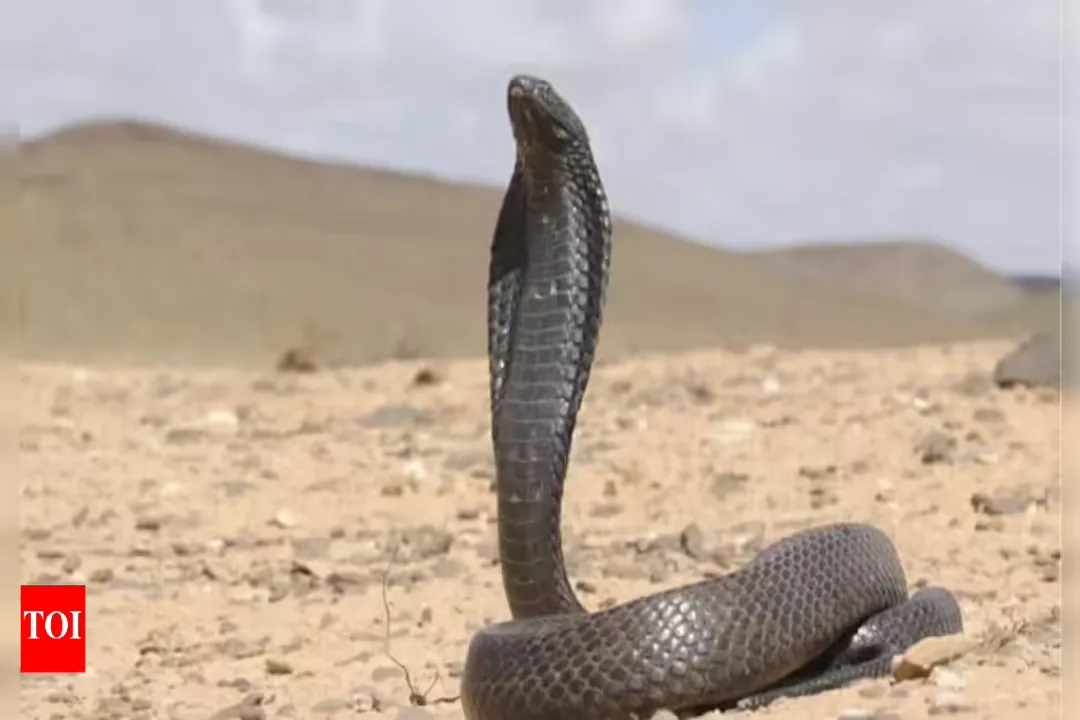
The physical profile of the Arabian cobra is immediately recognizable, though its coloration offers some variation across its range. [2] Adult specimens typically reach lengths between 1 and 1.5 meters, but larger individuals stretching up to 2.4 meters, or about eight feet, have been recorded, placing it among the longest venomous snakes in the Middle East. [1][2]
# Appearance
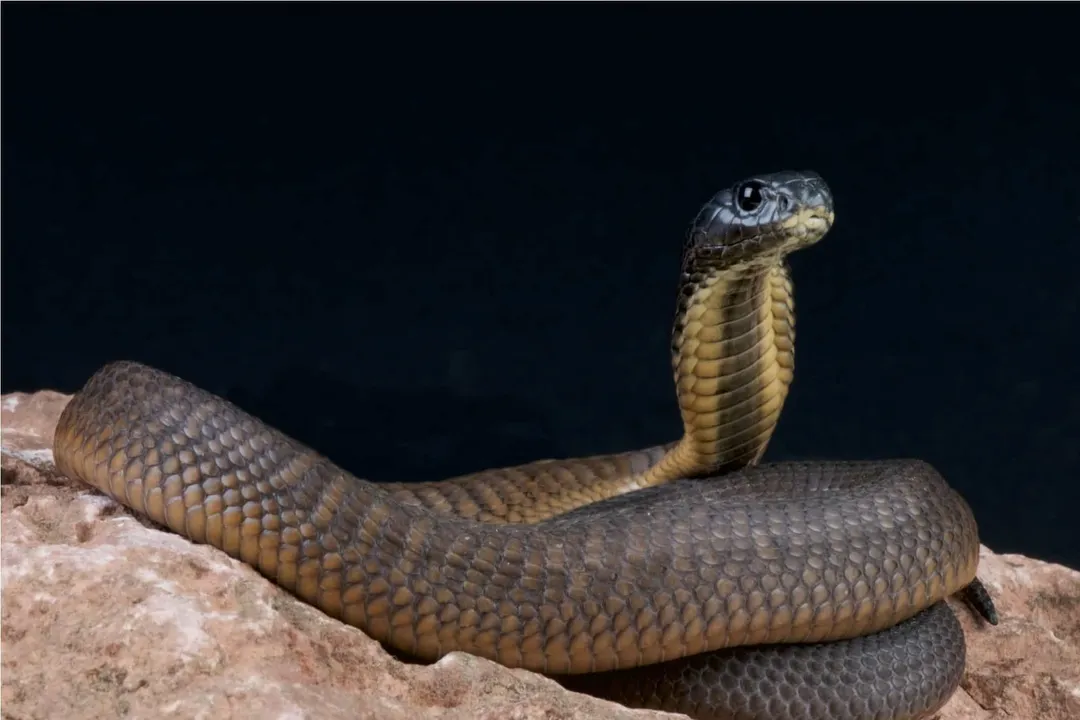
The body is generally described as long and stout. [2] Its coloration is usually uniform, ranging from brown or yellow to a light brown or gold shade, generally lacking prominent markings across the body. [1][4] A defining feature, shared by all cobras, is the iconic hood, formed by the expansion of cervical ribs along the neck when the snake feels threatened. [2] Identification is further aided by a triangular head shape and dark, round eyes. [2][4] The scientific name itself is a linguistic marker; Naja is derived from Sanskrit, and arabica from Latin, clearly pointing to its geographic confinement. [3]
| Trait | Description/Measurement | Sources |
|---|---|---|
| Scientific Name | Naja arabica | [1][2][4] |
| Max Length | Up to 8 feet (approx. 2.4 m) | [1][2][4] |
| Primary Colors | Brown, Yellow, Gold, Light Brown | [1][2][4] |
| Conservation Status | Least Concern (IUCN) | [1][3] |
| Venom Type | Neurotoxic and Cytotoxic | [1][2] |
When assessing a snake's identity in the field, noting the lack of pronounced patterns—especially when compared to more ornately marked Asian cobras—can be a helpful step in identifying this specific Arabian species. [4] Furthermore, its status as the only true cobra in the peninsula makes it geographically distinct from other elapids in the region. [4]
# Habitat and Range
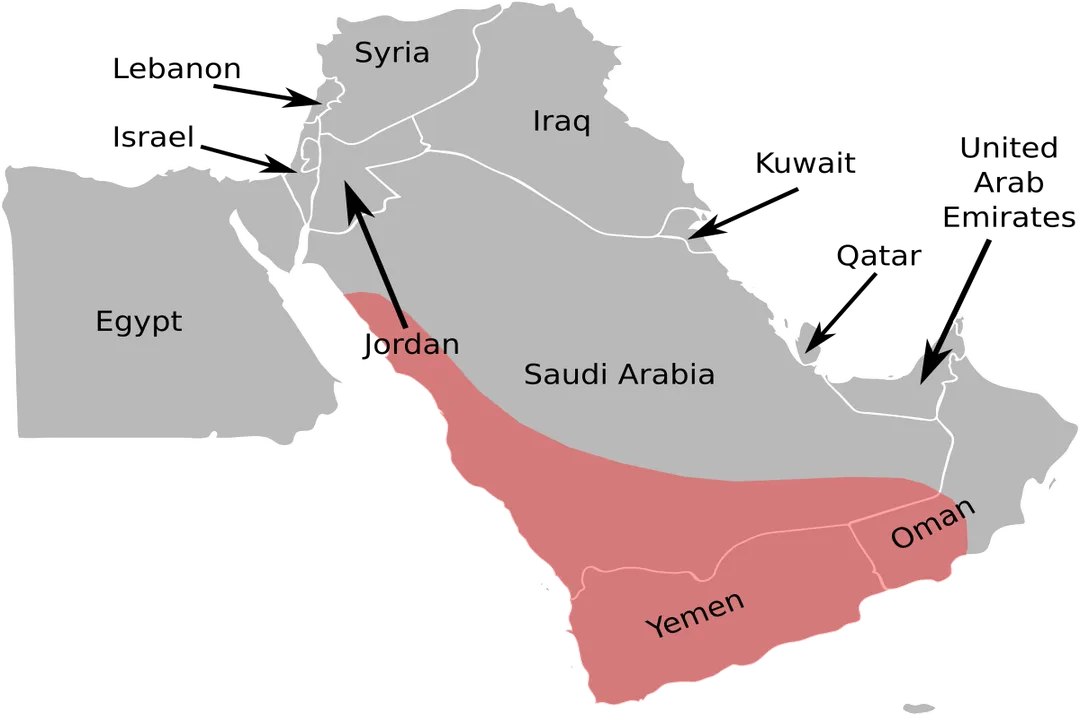
The Arabian cobra is strictly native to the Arabian Peninsula. [3] Its known distribution covers the western and southern parts of this vast landmass, specifically in southwestern Saudi Arabia, western Oman, and throughout Yemen. [3][1] This snake is highly adapted to the harsh, arid conditions typical of its home range, thriving in deserts, rocky areas, and plains. [2][1]
Despite the general perception of the desert being barren, the Arabian cobra often seeks out microhabitats that offer slightly more cover and proximity to resources. [1] A recurring detail in observations is that these snakes frequently seek shelter or forage near bodies of water, an understandable necessity in such dry environments. [2] This preference for slightly vegetated areas or proximity to water dictates where a herpetologist might focus their search efforts, although the snake remains generally solitary and hard to locate. [1][2]
The adaptation to hot, dry climates is complete, allowing Naja arabica to maintain its ecological role in environments that stress less adapted organisms. [2] It is interesting to note that while the environment is inhospitable to many forms of life, these adaptations permit the cobra to flourish there. [2]
# Venom and Danger
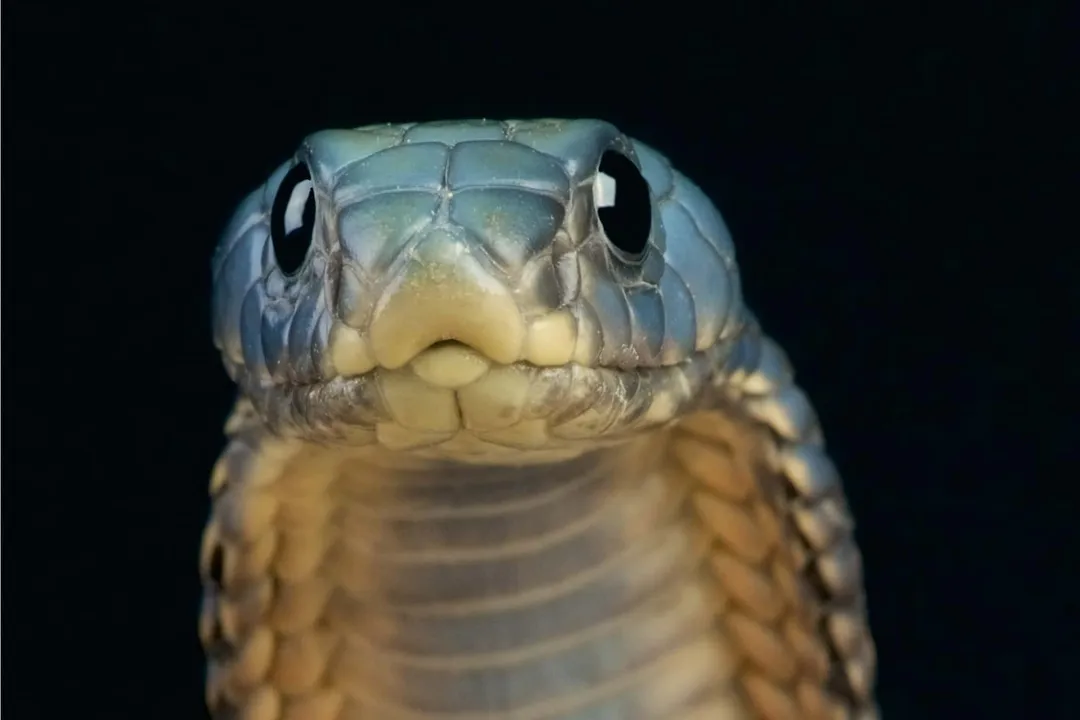
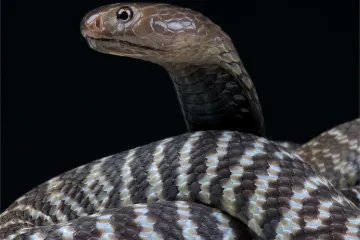
As a member of the Elapidae family, the Arabian cobra possesses venom capable of causing serious harm to humans and other animals. [4][1] Its venom is a complex cocktail featuring both neurotoxins and cytotoxins. [2][1] The neurotoxins focus their attack on the nervous system, potentially leading to paralysis, while the cytotoxins work to damage localized body cells, often resulting in tissue necrosis. [2][1]
Symptoms following a significant bite can manifest as intense pain, swelling, headache, nausea, and dizziness, with paralysis and death representing the most severe outcomes. [2] Immediate medical intervention, specifically the administration of anti-venom, is emphasized as life-saving, working to halt the deterioration of the victim’s condition. [2] While the full range of venom yield per bite is not well documented, the potential for fatality in a single bite is recognized. [4]
However, an important piece of context lies in its conservation status. The IUCN lists Naja arabica as Least Concern. [3][1] This designation suggests that, on a population level, the species is not currently facing widespread threats that would warrant a higher risk category. This provides an unexpected contrast: here is a snake with highly dangerous venom, yet its overall population seems relatively stable across its range. [4] This stability is likely due to its elusive nature and habitat preferences keeping encounters infrequent, combined with its essential role in keeping pest populations down. [2] A significant consideration, though, is the pressure placed upon it by specific human activities, namely its exploitation for the international exotic pet trade and for venom extraction purposes. [4]
# Feeding and Life Cycle
The Arabian cobra is a carnivore, relying on its senses to locate and dispatch prey. [2] Its diet is primarily composed of rodents and birds, though it is also known to consume eggs and lizards. [1] Like many snakes, it employs its flickering, forked tongue to collect odor molecules from the air, which it then processes via an organ on the roof of its mouth to "taste" its surroundings and track prey. [2][4] Once a target is detected, the cobra acts quickly, striking with precision and utilizing its potent venom to subdue the meal. [4]
When threatened, the cobra exhibits classic defensive behavior: it raises its body, spreads its hood widely, and issues a loud hiss as a final warning before striking. [2] Despite this aggressive posture when cornered, the snake generally prefers to avoid confrontation with humans, attempting to retreat and find cover if it senses a nearby presence. [2]
Reproductive details for Naja arabica remain somewhat obscure, as little is fully documented regarding their mating habits. [2] It is presumed, based on data from related species or initial observations, that females are oviparous—egg-layers—and may deposit a clutch of around 40 eggs at one time. [1][2][4] Understanding the reproductive output in relation to the lifespan, which can extend up to 25 years, would be critical for population modeling, yet remains an area where more thorough study would be beneficial. [4]
# Ecological Role and Conservation Insight
The presence of the Arabian cobra is not merely a footnote in the region's dangerous wildlife; it is integral to the health of its specific environment. [2] By preying on small mammals, birds, and other reptiles, the cobra acts as a natural regulator of these populations. [2][3] This predation pressure prevents overpopulation of certain species, thereby supporting overall biodiversity and the ecological equilibrium of the often-fragile desert and semi-desert ecosystems it inhabits. [2] It functions, in effect, as a keystone species within its native landscape. [2]
It is worth pausing to reflect on the relationship between its danger profile and its conservation listing. In many parts of the world, a snake with such potent venom would often face intensive persecution from human settlements, leading to population declines. The Least Concern status of Naja arabica suggests that, for now, the combination of its specialized, less-frequented habitats and its naturally reclusive behavior is successfully buffering it against widespread human eradication. [4] However, this "Least Concern" label should not lead to complacency. The documented exploitation for the pet trade demonstrates a direct human-driven pressure point that could quickly destabilize local populations if not monitored, particularly in areas where habitat fragmentation from human development is increasing across the Arabian Peninsula. [4]
Considering the typical narrative surrounding highly venomous snakes, where fear often dictates interaction, the Arabian cobra’s continued existence in its arid domain offers a quiet testament to the successful niche adaptation within an extreme climate. [2] Its long body and potent venom are evolutionary solutions perfectly tailored to securing scarce resources in an environment where energy conservation is paramount. [1] To truly maintain its Least Concern status, efforts might focus not just on stopping illegal trade, but perhaps also on understanding its reliance on those scarce water sources mentioned in habitat descriptions—if those water sources degrade due to climate change or irrigation, the cobra’s entire food web could be strained. [2]
Related Questions
#Citations
Arabian cobra - Wikipedia
Arabian Cobra - Naja arabica - A-Z Animals
Arabian cobra: Know about their physical characteristics, diet ...
Arabian Cobra Facts and Pictures