What do pied ball pythons eat?
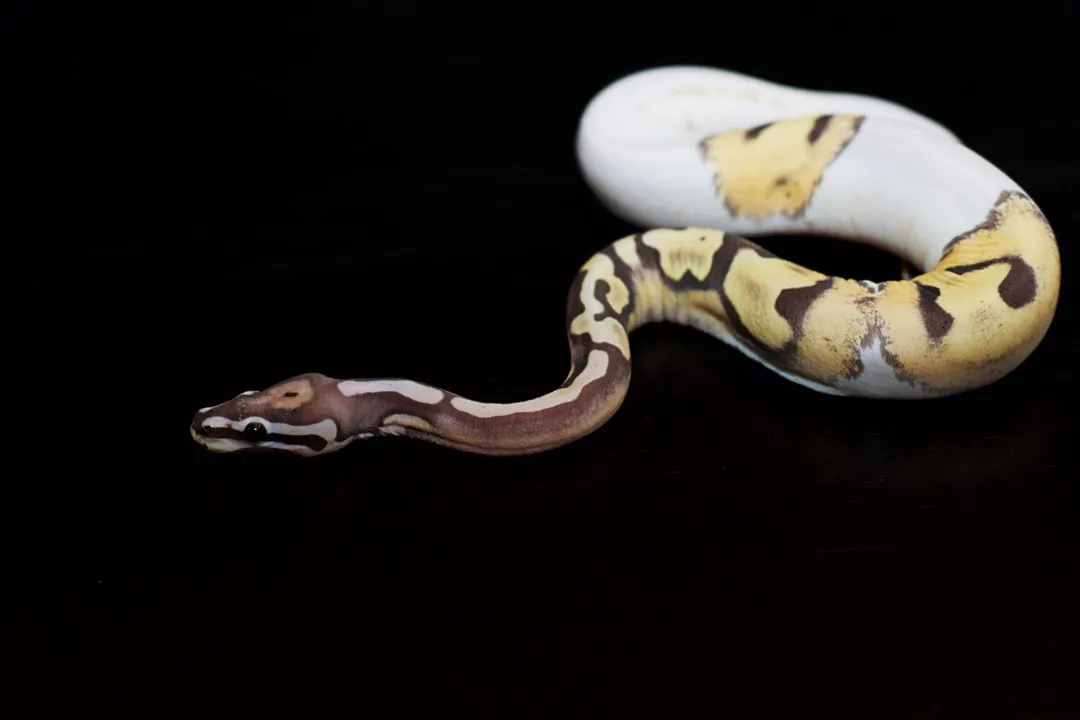
The diet of your Pied Ball Python—or any ball python morph—is foundational to its health, shedding quality, and longevity. Although the striking white and yellow patterns of the Pied morph are captivating, their dietary requirements are the same as their wild counterparts in Central Africa. These snakes are obligate carnivores, meaning their nutrition must come entirely from whole prey animals. Understanding what to feed, how large the meal should be, and the correct frequency is key to keeping your pet thriving for its potential lifespan of twenty to thirty years.
# Wild Diet
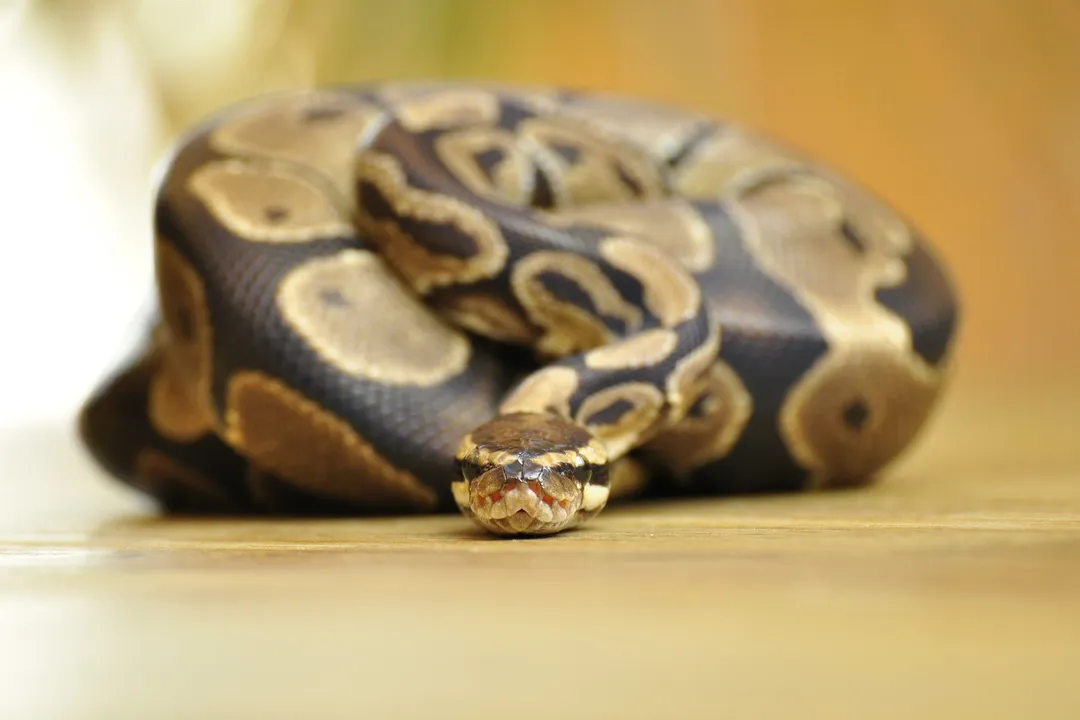
In their natural environment, ball pythons consume whatever small mammals are available. Observations suggest that while both sexes eat rodents like mice and rats, wild males tend to include more birds in their diet, and females lean more towards mammals, which may relate to the generally larger size of the females. In captivity, keepers have a choice of several feeder types, but the goal remains to replicate that necessary, whole-prey nutrition.
# Feeder Options
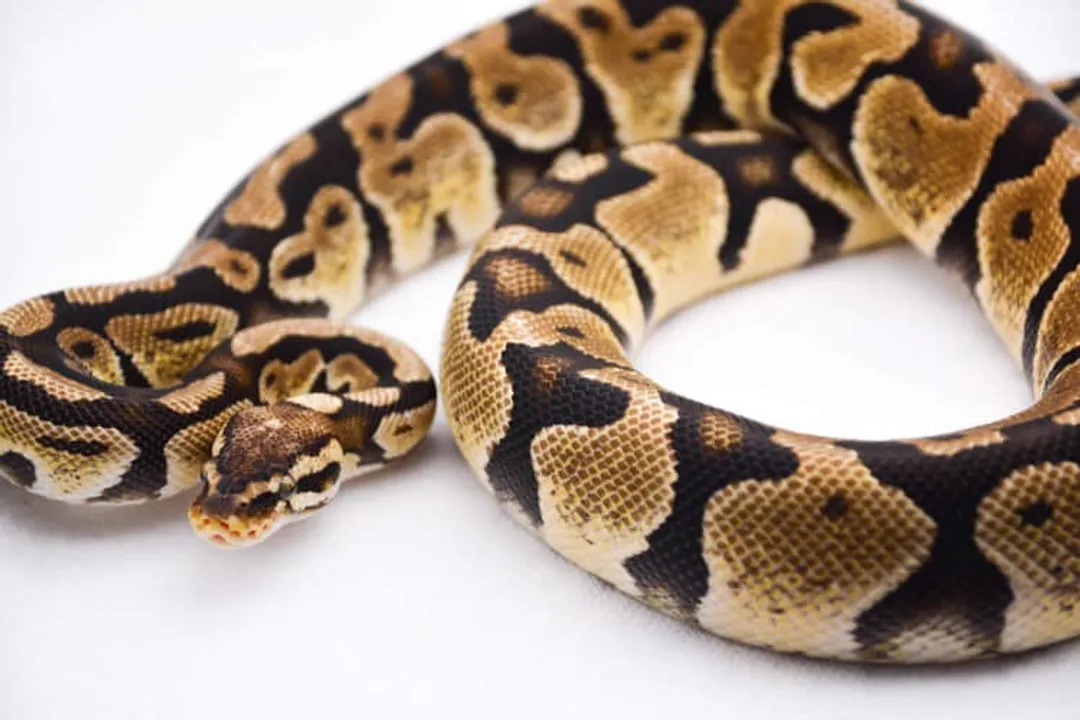
The captive diet centers almost exclusively on rodents, but different types offer distinct nutritional advantages that experienced keepers consider seriously.
# Optimal Rodents
The African Soft Fur rat (ASF) is often cited as the superior option for captive ball pythons. Native to Africa, ASFs possess a nutritional profile that closely matches what a wild python would eat, being lean, low in fat, and offering a high concentration of protein and calories. For breeders or owners trying to bring a snake up to a healthy weight, ASFs are particularly beneficial. Furthermore, keepers report that this preferred prey often results in smaller fecal output, likely related to better digestion.
# Common Choices
Norwegian rats are a very common alternative because they are readily accessible. While available in sizes suitable for adult pythons, they generally contain more fat than ASFs. Relying exclusively on higher-fat prey items can contribute to obesity in captive snakes that do not expend the energy hunting.
Other potential prey items that can be incorporated for dietary variety, though some experts caution against too much deviation, include day-old chicks, quail, gerbils, and hamsters.
A potential consideration for those managing a collection with varied body types is the difference between prey. For instance, an adult python that normally eats a small rat every six weeks might require a slightly shorter interval—perhaps five weeks—if fed a smaller meal, like a large mouse, as the caloric content will differ. This management of varied prey sizing against a standard feeding interval requires careful observation of your specific animal's condition.
# Prey Sizing
Determining the correct size of the feeder is crucial; a meal that is too large can lead to regurgitation or physical obstruction in the esophagus. There are two primary rules of thumb that keepers use to gauge appropriate size:
- Width Comparison: The prey item should generally be no wider than the widest part of the snake's body. Some sources specify no larger than one to one-and-a-half times the body width.
- Weight Ratio: A more scientific approach suggests that the prey item should total approximately 10% to 15% of the snake's total body weight.
If you are unsure, it is widely recommended to offer the smaller option rather than the larger one when making a judgment call.
# Meal Intervals
Ball pythons possess a slower metabolism compared to many other reptiles and do not require the weekly feedings often recommended for fast-growing species. Because their internal organs can expand up to 40% to process a meal, they require significant downtime between feedings to return to their resting state. A structured schedule helps prevent the common issue of captive obesity.
The frequency needed changes significantly as the snake grows:
| Life Stage | Approximate Weight/Age | Suggested Feeding Interval |
|---|---|---|
| Hatchling | Up to 100 grams or 5 weeks old | Every 4 to 5 days, or every 7 days |
| Juvenile | Up to 500 grams or <200g | Every 7 days, or every 7 to 14 days |
| Subadult | Up to 1000 grams | Every 10 to 14 days, or every 14 to 21 days |
| Adult | Over 1500 grams or 1000 grams+ | Every 2 to 3 weeks, or every 4 to 6 weeks |
For a typical adult, offering food every 10 to 14 days is a common recommendation. However, many seasoned keepers note that snakes eat when they are hungry, suggesting an interval closer to every three to four weeks, especially if observing activity cues over a strict calendar date. If your adult snake appears overly round, resembling a tube rather than the desired "melting Hershey kiss" shape (narrower spine, bulging belly), extending the time between meals is necessary to curb weight gain.
# Live Versus Prepared
The decision between feeding live rodents or pre-killed, frozen/thawed (F/T) prey is a common area of discussion.
# The Live Debate
Feeding live prey stimulates the snake's natural hunting instincts, offering physical and mental engagement. However, this method carries a significant hazard. As ball pythons grow and take larger prey, such as small rats, the prey may aggressively defend itself. Bites from feeder rodents can cause severe injuries to the snake, which might become infected or, in rare cases, be fatal.
# The F/T Advantage
Frozen/thawed prey is often favored by keepers because it eliminates the risk of the snake being injured by the prey item. This method is also deemed more convenient for storage and eliminates any personal ethical discomfort associated with feeding live animals. While some snakes might initially refuse F/T, most will transition successfully with patience. For snakes with known neurological conditions, like the "wobble" seen in some spider morphs, F/T is strongly recommended, as striking moving targets accurately can be difficult for them.
# Encouraging the Meal
If your python goes off feed, the very first step should be to confirm that all husbandry parameters—temperature, humidity, and security—are correct, as stress or inadequate heat will suppress appetite. Males, in particular, may refuse food in the spring during their breeding cycle. If husbandry is perfect, you can try different techniques to entice them:
- Temperature Check: Ensure the thawed prey is warmed thoroughly, preferably hot to the touch, as the snake relies on its heat pits to detect the meal. Never use a microwave, as it heats unevenly and can cook the prey internally, posing a burn risk to the snake. Thawing in the refrigerator overnight followed by a warm water bath is standard practice.
- Scent Appeal: If scent alone is not working, try exposing the prey’s interior by making a small incision into the skull, a practice known as "braining". Alternatively, soaking the thawed item in warmed, low-sodium chicken or beef broth can provide an attractive odor.
- Presentation: Use long feeding tongs or forceps to wiggle or dangle the prey near the snake’s face, mimicking movement. Always avoid offering food in the snake's primary hide, as removing the hide to feed can make the animal feel exposed and nervous.
It is important to remember that supplements like calcium powder are generally unnecessary, as whole prey provides the complete nutritional requirement, including minerals, through the bones and organs. Adding supplements can actually lead to health issues if not managed carefully.
Many keepers debate the location of feeding. While moving a snake to a separate, quiet container covered with a towel to minimize distractions works for some, it carries a risk: the snake may begin to associate any handling or change of location with feeding time, which can lead to defensive biting outside of scheduled meals. If possible, try feeding in a secure corner of the main habitat first, perhaps by simply placing the prey item near the snake while it is partially concealed. If your snake refuses the meal, always remove the uneaten rodent within 12 hours to prevent potential issues in the enclosure. Persistence is key, but never force-feed unless advised by a veterinarian due to prolonged hunger strikes (e.g., 6+ months) or significant weight loss.
#Videos
Ball Python Feeding Guide! - YouTube
Related Questions
#Citations
Ball Python Complete Food Guide - Zen Habitats
Do ball pythons eat anything besides rats. I have repti-calcium ...
Ball Python Feeding: Chart by Size, Diet, and Things to Avoid
Ball Python Care Guide - MorphMarket Reptile Community
Feeding Your Pet Ball Pythons - The Spruce Pets
What Do Ball Pythons Eat? A complete guide to their diet
Ball Python Feeding Guide! - YouTube