How to identify banana ball python?
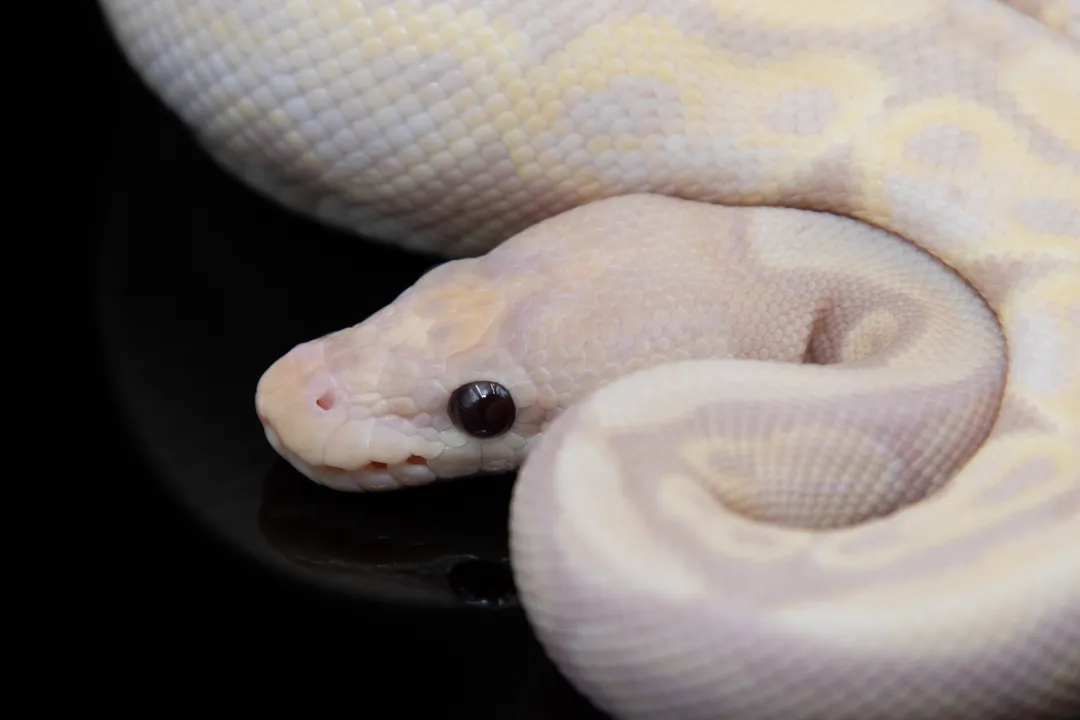
Identifying a Banana Ball Python requires a close look at coloration and specific markings, as this popular reptile morph often presents with unique characteristics that can sometimes overlap with other visual mutations. [1][6] When you first see a snake labeled as a Banana, the immediate takeaway is usually the striking yellow or gold base color, which sets it apart from the standard wild-type brown and black. [1] However, true identification goes deeper than just the bright hue; it involves understanding the nuances of its pattern and how those features change over time.
# Core Coloring
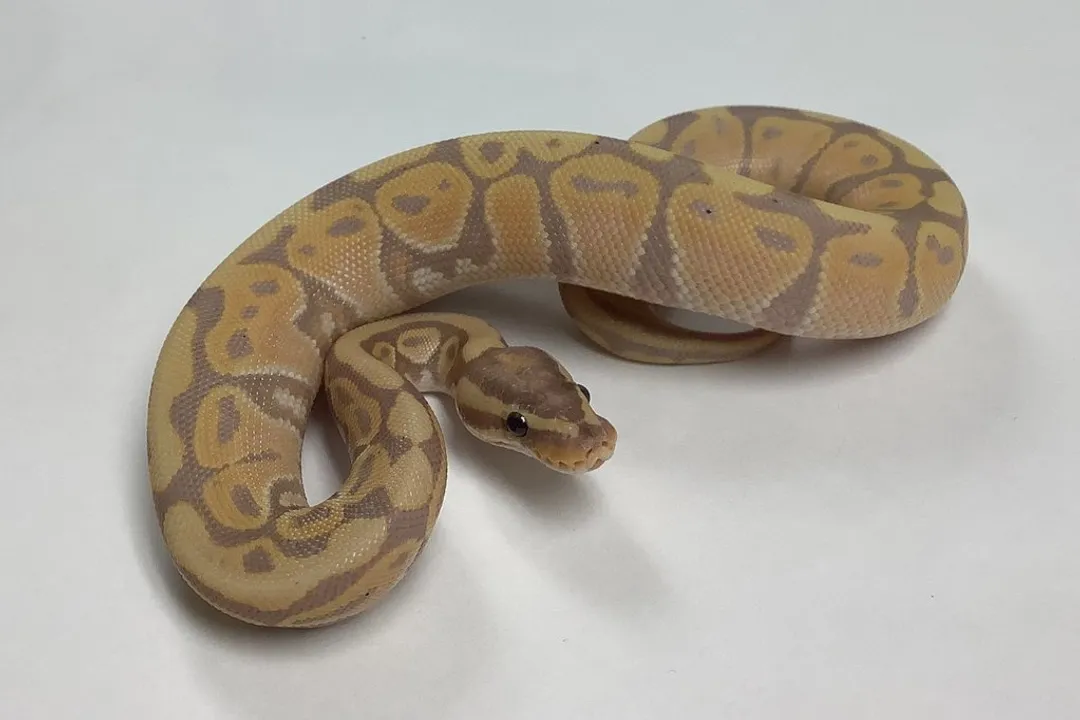
The defining feature of a Banana ball python is its bright coloration, typically described as a vivid yellow or golden base tone across the body. [1] This coloration often replaces the dark, earthy browns seen in non-recessive snakes. It is important to note that while some snakes might appear similar due to other genes, the Banana morph brings a distinct vibrancy that breeders recognize. [1][9]
It is common to see snakes purchased as "Banana" that look significantly different from one another, leading many new owners to post pictures online asking for confirmation of the morph, especially when the snake looks significantly different from what they expected. [3][5][6][8][9] This variation means that relying solely on the name given by a previous owner isn't always enough; keen observation is necessary.
# Black Speckling
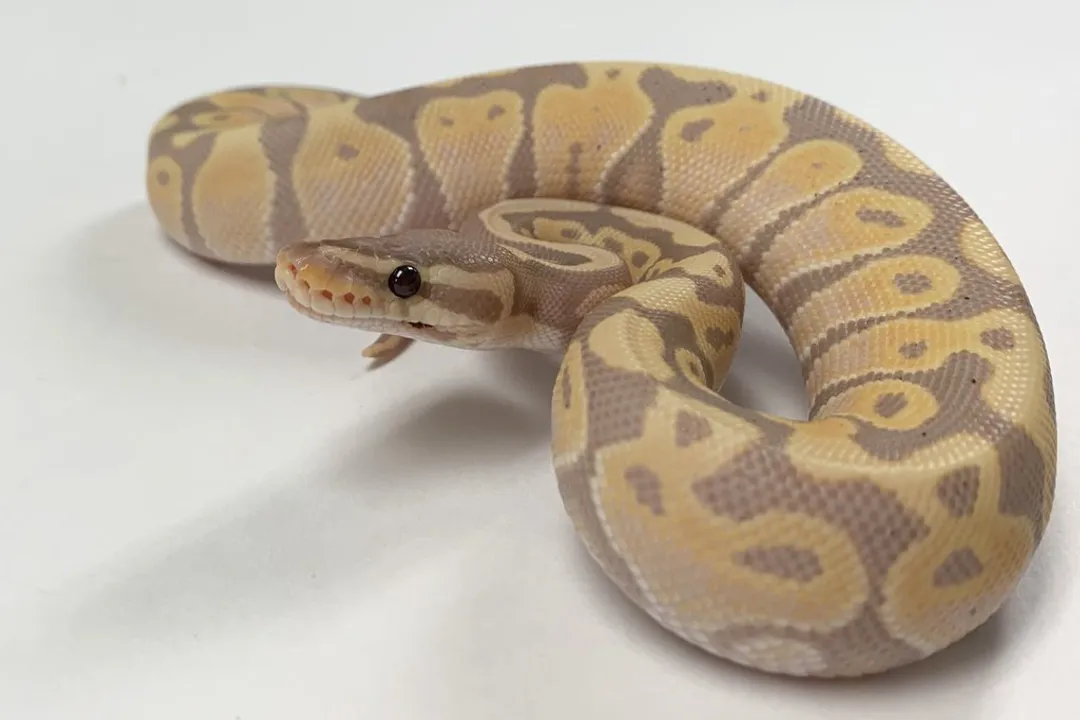
Perhaps the most consistent and reliable marker for a pure Banana ball python, especially when separating it from similar-looking morphs like Pastel or Coral Glow, is the presence of distinct black speckling or spots scattered across the lighter areas of the body. [1] These are not the pattern markings but rather small, dark freckles that accumulate on the dorsal side and sometimes on the flanks. [1]
The density and distribution of these spots can vary significantly between individual Banana ball pythons, which is a key reason owners sometimes feel their snake looks "weird" or question if another gene is present. [6][8] In some instances, these black markings can be quite pronounced, while in others, they might be subtle, appearing almost like scattered pepper. [1] If you are looking at a snake that is bright yellow but lacks this characteristic spotting, it might be an entirely different yellow-pigmented morph, or it could be a Banana that has significantly "burned out" its spots with age (a process we will look at shortly). [6]
# Pattern Retention
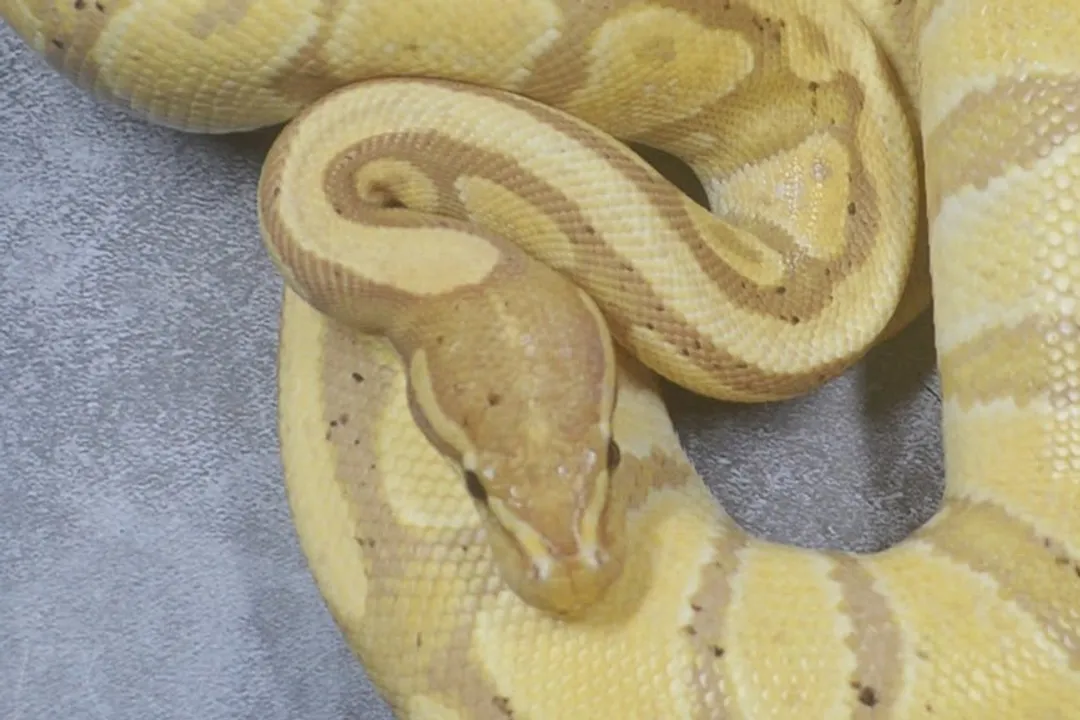
While the color is drastic, the underlying pattern of the Banana morph also plays a role in identification. A Banana ball python often retains elements of the standard ball python pattern, such as the dorsal blotches or side markings, but these elements are expressed in yellow and black/brown, rather than the typical tan and black. [1]
A true Banana will generally show these pattern remnants, whereas some other yellow morphs might have a much cleaner or more dramatically altered look. For instance, a Banana often presents a slightly muddied or broken-up pattern compared to a pure Pastel, for example, whose pattern might remain more structured but brighter yellow. [1][9]
# Age Effects
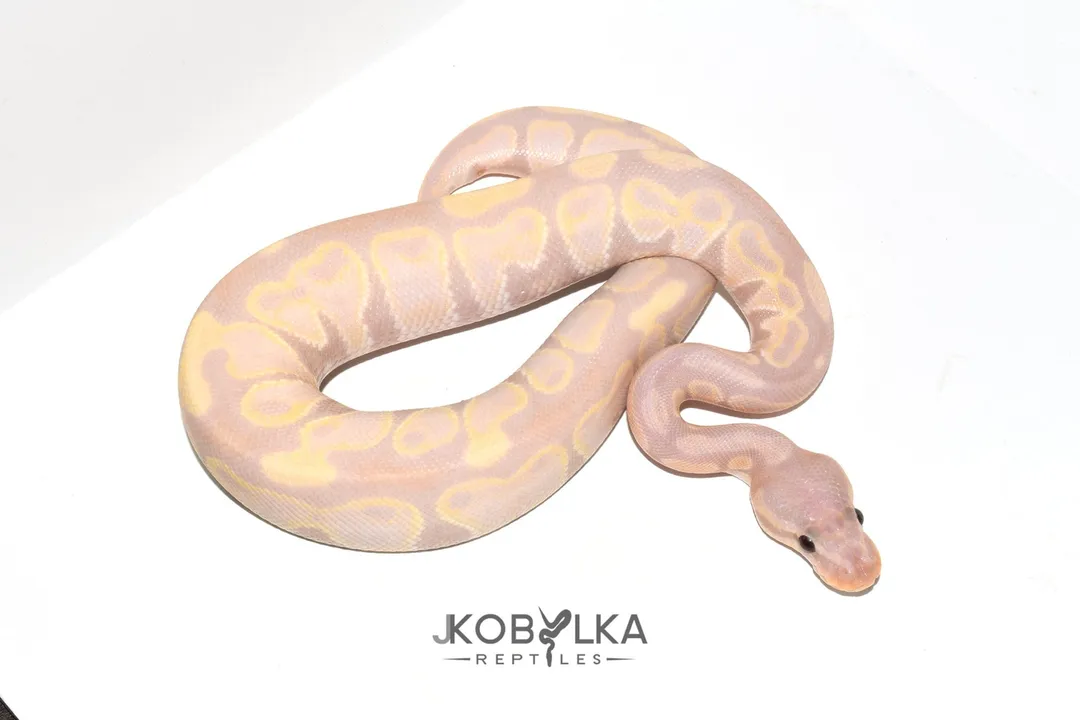
One of the most critical, yet often surprising, aspects of identifying and keeping a Banana ball python is understanding how their appearance changes as they mature. Many owners, seeing bright juveniles, become concerned when the snake darkens or loses definition later in life. [4][7]
Young Banana ball pythons often display the brightest, most vibrant yellows, sometimes looking almost neon. [4] However, as they grow, the base color frequently darkens, developing deeper golden or even slightly brownish hues. Simultaneously, the black speckling can become more pronounced or, conversely, sometimes fade into the background coloration. [1][7] A snake that was almost pure lemon yellow as a baby might look much more gold and heavily speckled as an adult. [4]
When verifying the ID of an older snake, do not judge it solely against pictures of hatchlings you see online. Instead, look for the quality of the color—is it a rich, warm gold rather than the duller yellow sometimes associated with other morphs, and are there any remaining signs of the characteristic black freckling, even if faded?[7]
# Comparing Visuals
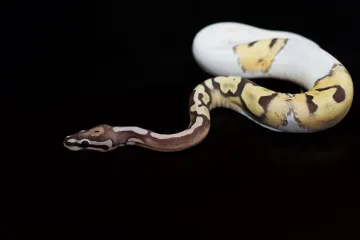
Distinguishing a Banana from other visually similar morphs is where expertise becomes most valuable, as breeders often combine the Banana gene with others, creating complex visual IDs that can confuse newcomers. [6][8]
| Feature | Banana Ball Python | Typical Pastel | Typical Coral Glow/Red Stripe |
|---|---|---|---|
| Base Color | Bright yellow to deep gold | Brighter, cleaner yellow | Often more orange/red undertones |
| Speckling | Distinctive black "freckles" are common | Generally lacks the heavy black spotting | Pattern is usually cleaner, less speckled |
| Pattern | Retains modified, often broken-up pattern | Brightens the existing pattern; often cleaner | Pattern alteration is more defined/reduced |
It is worth pausing here to consider the documentation you received with your snake. If you bought a snake advertised as a Banana, but it also has genes like Leopard or Piebald, the visual outcome will be drastically different from a simple Banana. For example, a Banana Leopard will have the speckling and color shift, but the pattern structure will be heavily disrupted by the Leopard gene. [6] In these poly-gene snakes, confirming the presence of the Banana gene relies heavily on the seller's stated lineage rather than a single visual characteristic, especially if the animal is older. [6]
# Lighting Impact
A subtle but important factor in self-identification revolves around lighting conditions. The way light reflects off the scales can dramatically alter the perceived shade of yellow or gold, which can cause uncertainty for new owners. [4][7]
Under certain LED lights, the yellow might appear extremely bright, almost stark white-yellow, leading an owner to question if they have a Pastel instead, which is often described as having a cleaner, less "muddy" yellow base. [9] Conversely, under warmer, incandescent bulbs, the same snake might look much deeper gold, leading to confusion if the owner expects a lemon-yellow hatchling appearance. [7] When assessing your snake's coloration against reference photos, try to view it under neutral, full-spectrum lighting if possible, or at least be aware that the color you see on your phone screen might not be the true hue of the snake. [4]
One useful analytical step for a hobbyist trying to confirm an ID, particularly when the snake is young and the spots are prominent, is to try and isolate the gene interaction. If the snake has a strong yellow hue and exhibits random, non-pattern-related black dots, you can tentatively conclude the Banana gene is present, even if the overall pattern is messy due to other co-dominant or recessive genes acting upon it. [6] The speckling is the most gene-specific identifier for the Banana trait itself. [1] If you acquired the snake from a reputable breeder, cross-referencing the expected appearance of the specific co-dominant combination (e.g., Banana Pastel vs. Banana Lesser) against your snake's current look can provide strong contextual evidence supporting the visual identification.
#Videos
All about the Banana gene, what you need to know and NOT!
How to ID the Banana Gene in Blue Eyed Lucy's! - YouTube
Let's learn how to Identify Ball Python Genetics again! - YouTube
Related Questions
#Citations
Banana - Ball Python Traits - Morphpedia - MorphMarket
All about the Banana gene, what you need to know and NOT!
Morph ID??! I can't tell what type of banana ball python this is plz ...
Morph ID - Banana, wondering if anything else present visually
What Morph is My New Banana Ball Python | Our Reptile Forum