Yak Physical Characteristics
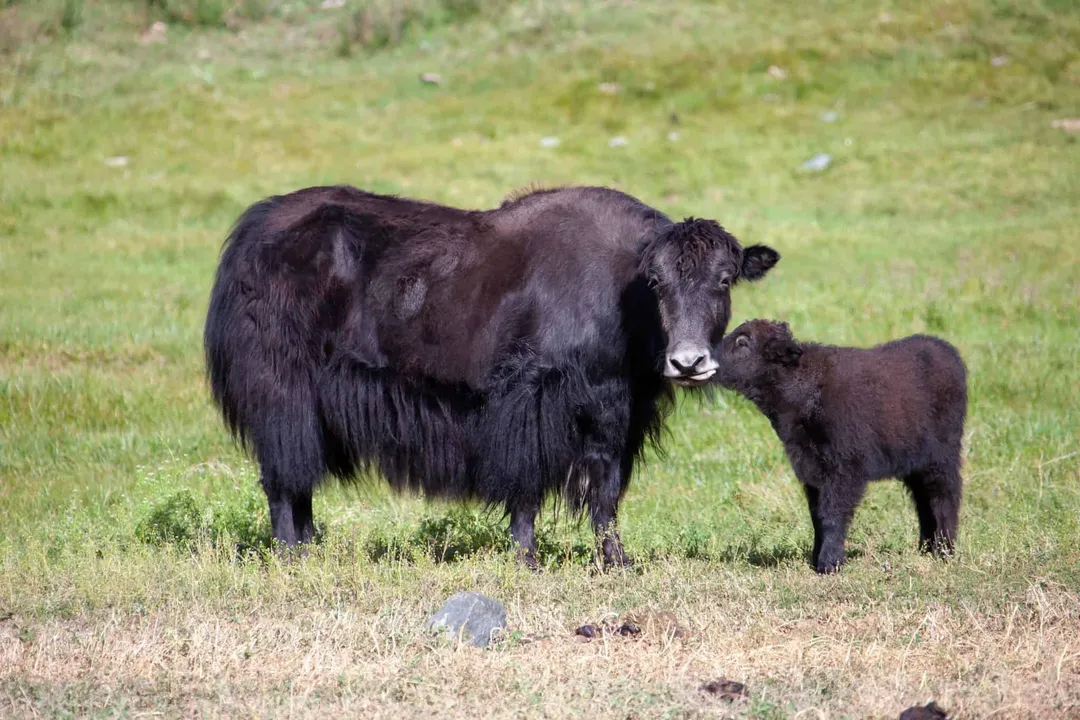
The physical characteristics of the yak ( Bos grunniens ) immediately convey its identity as a creature perfectly engineered for the extreme altitudes of its native habitat. These bovids possess an imposing, massive frame that sets them apart from most other domesticated or wild cattle species. A mature male, often referred to as a bull, can stand between 1.5 to 2 meters (about 5 to 6.5 feet) at the shoulder, presenting a truly monumental silhouette. [6][5] Weights vary significantly by sex; bulls frequently outweigh their female counterparts, the cows, often tipping the scales anywhere from 300 to over 1,000 kilograms (660 to 2,200 pounds). [2][1] Conversely, cows are considerably smaller, typically weighing between 250 and 375 kilograms. [1] Their general impression is one of immense strength, with a broad chest, powerful shoulders, and a somewhat bulky appearance, even before considering their distinctive coat. [5]
# Iconic Coat
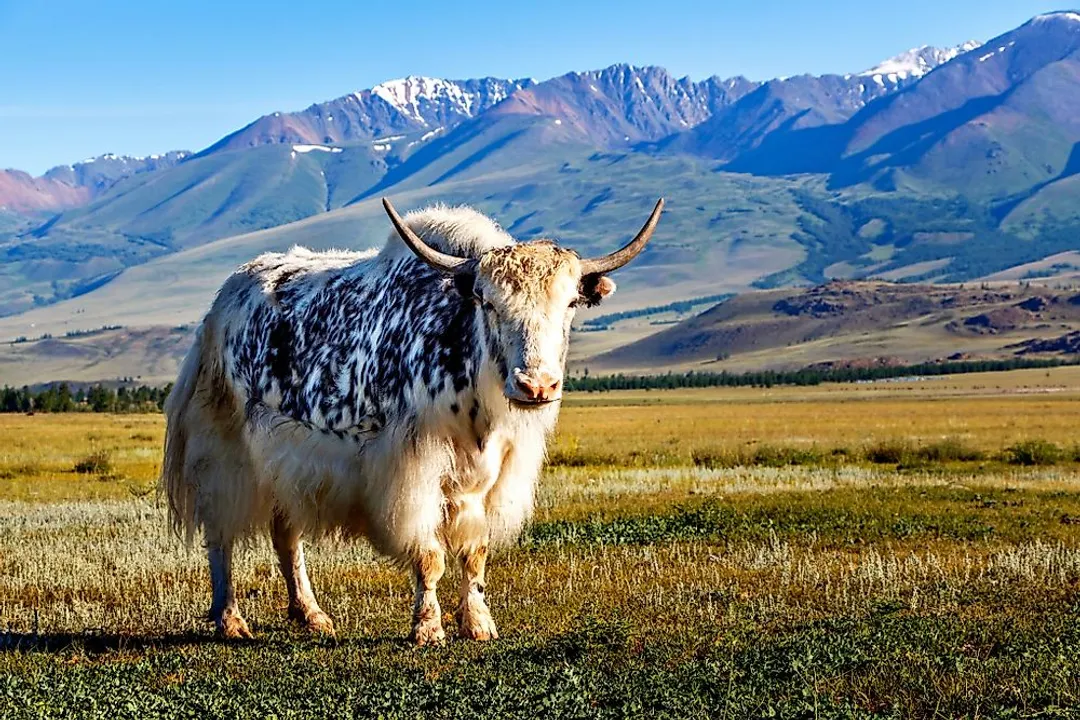
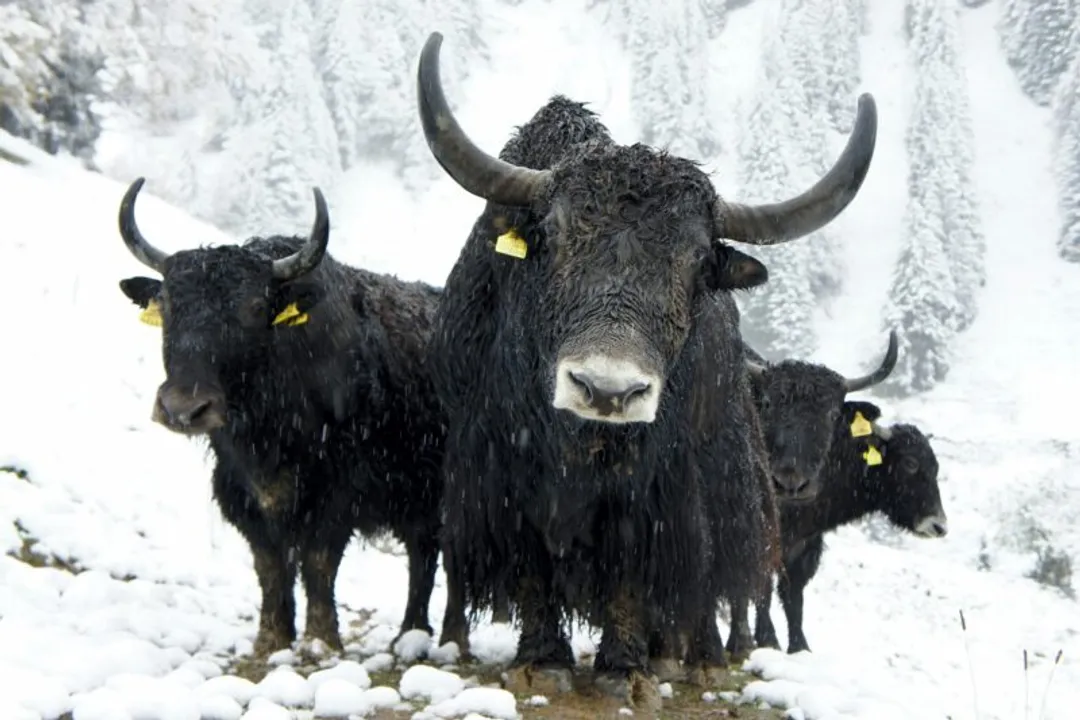
The most visually arresting physical trait of the yak is undoubtedly its coat, a thick, shaggy insulation essential for survival in the harsh, cold environments of the Tibetan Plateau and surrounding mountain ranges. [6] This hair is not uniform; it features a dense, woolly undercoat layered beneath a longer, coarse outer layer of hair. [2] This dual-layer system provides superior thermal regulation, trapping air close to the body to maintain core temperature against biting winds and sub-zero conditions. [6]
The coloration of yaks varies, though they are most frequently seen in deep black or dark brown shades. [5] However, this is not universal; some individuals exhibit lighter brown, gray, or even white markings. [1] The sheer volume of this hair can be deceptive; a casual observer might estimate a yak's weight based on its immense, shaggy outline, but removing that insulating layer reveals a surprisingly compact, powerful frame beneath, optimized for climbing rather than sheer bulk alone [Original Insight 1]. The long hair often hangs down to the ground, particularly on the flanks and belly, sometimes even obscuring the legs, offering further protection from snow and dampness when the animal is resting. [5] For domestic yaks, this fiber is itself a valuable commodity, prized for its warmth and softness, especially the fine underwool. [3]
# Horn Structure
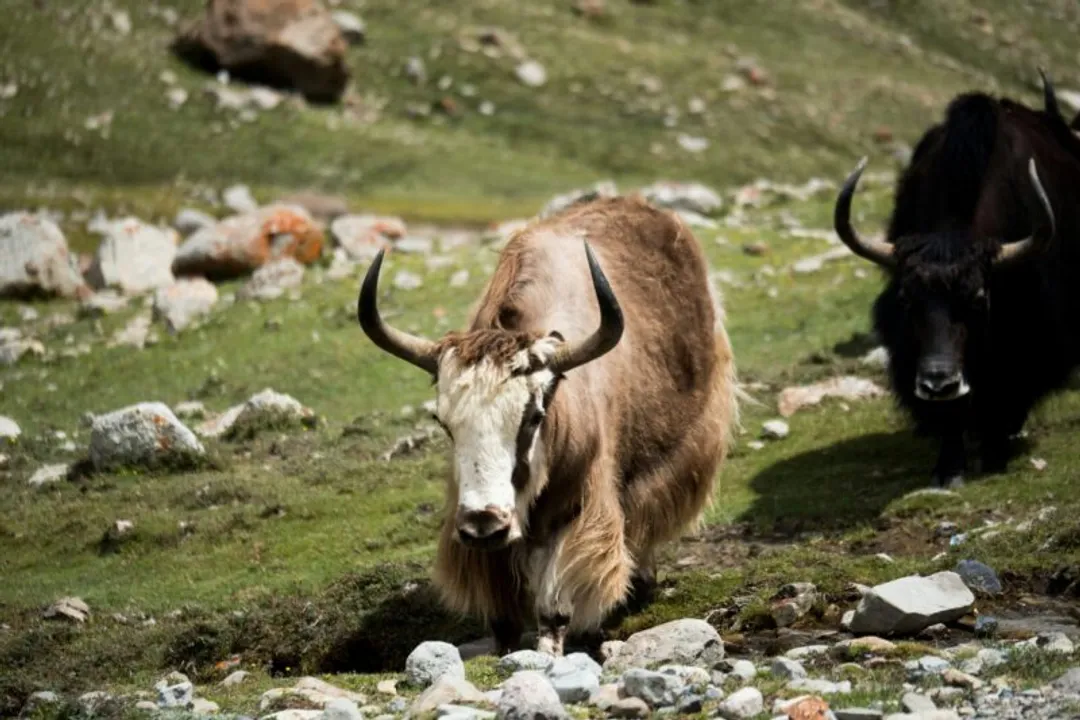
Both male and female yaks are adorned with horns, though the size and robustness differ notably, showcasing clear sexual dimorphism. [1][4] In bulls, the horns are thick, heavy, and impressive, growing outward from the head before curving gracefully upward and slightly inward towards the tips. [2] A bull’s horns can span a considerable width, contributing to its imposing appearance. [2]
Female yaks, or cows, also possess horns, but they are generally much thinner, shorter, and less substantial than those of the males. [1] While they share the same general shape—sweeping away from the skull and curving toward the apex—they lack the formidable mass of the bull's armament. [2] The horns are made of keratin, the same material that forms human fingernails, growing from permanent bony cores on the skull. [4]
# Musculature and Stance
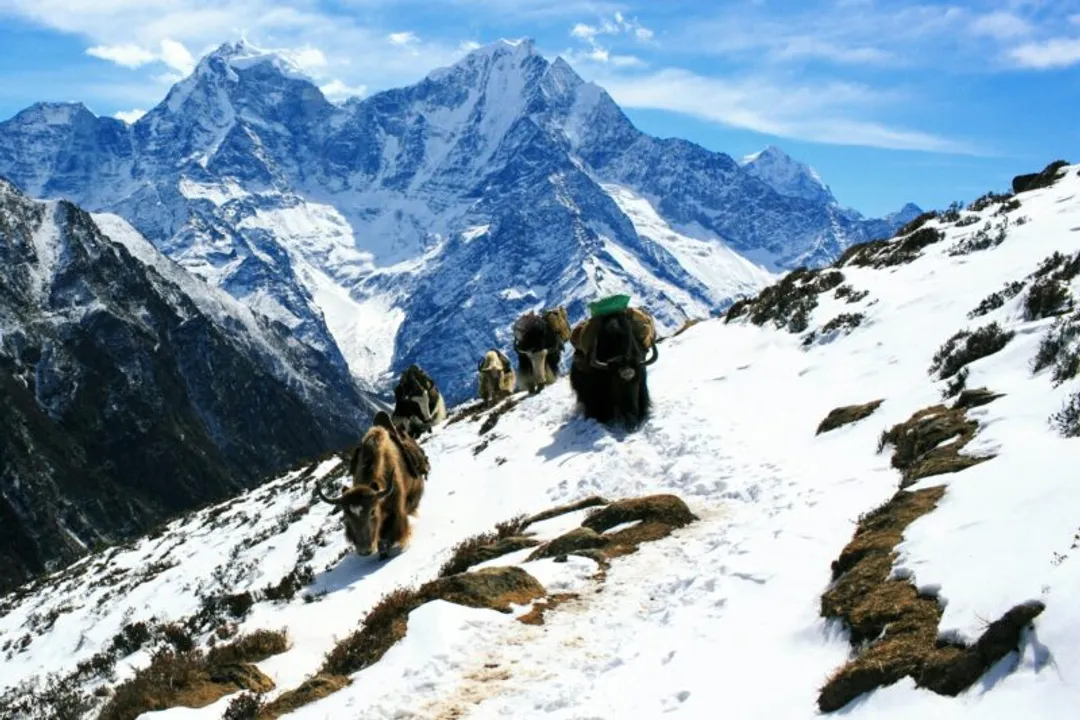
The yak’s overall body conformation is adapted for navigating uneven, steep, and rocky terrain rather than sustained speed on open plains. Their legs are characteristically short and sturdy in proportion to their massive torso and deep chest. [5][6] This configuration results in a low center of gravity, which is a distinct advantage when maintaining balance on treacherous mountain paths. [6]
Their feet are equally specialized. The hooves are broad and tough, providing excellent traction on slippery surfaces like ice and loose scree. [5] The structure of the lower limb is not built for the sustained, rapid locomotion seen in flatter-land grazers. The short, sturdy legs, while excellent for climbing sheer slopes and maintaining a low center of gravity on narrow ledges, mean that handlers must be mindful of the strain placed on their joints when these animals are used for heavy pulling over long, flat distances compared to longer-legged cattle breeds [Original Insight 2]. The powerful musculature is concentrated in the forequarters and shoulders, giving them the necessary brute strength for hauling loads in environments where sheer power trumps speed. [5]
# Head Features
The head of the yak is large and somewhat heavy, often partially concealed by the long facial hair that cascades down from the forehead. [5] Their muzzle is broad, well-suited for grazing on the sparse, low-lying vegetation found at high elevations. [5] Physiologically, their features are designed for oxygen efficiency. The thoracic cavity, which houses the heart and lungs, is notably deep. [6] This deep chest allows for larger organs relative to their body size, a critical adaptation for maximizing oxygen uptake in the thin air of the Himalayas, where oxygen saturation is significantly lower than at sea level. [6]
# Sexual Differences Beyond Size
While the difference in overall body mass and horn size is the most obvious manifestation of sexual dimorphism, other physical traits differentiate the bulls from the cows. The sheer bulk of the male yak is more pronounced, not just in height and weight, but often in neck thickness and general ruggedness. [1] Cow yaks, while still formidable animals, present a more streamlined and less bulky physique when their winter coats are accounted for. [2] These differences dictate not only their role in a wild herd—where bulls might compete more aggressively—but also how they are handled and bred in domestic settings. [3]
For instance, assessing the body condition score of a yak in high-altitude pasture requires careful observation. A thinner coat during the summer months can reveal the true underlying conformation more clearly than during the depths of winter when the immense overcoat can mask early signs of weight loss or malnutrition. [9] Experienced breeders learn to look past the shaggy outline to assess the actual rib structure and musculature, a necessary skill for ensuring the health of the herd. [9] The adaptations that make the yak so magnificent—its sheer insulation and powerful, short build—also demand specific management considerations regarding its physical limits.
Related Questions
#Citations
Tibetan yak - The Alaska Zoo
Bos grunniens (yak) | INFORMATION - Animal Diversity Web
About Yaks | Mysite - A Yak or 2 Ranch
10 Interesting Facts About Yaks - World Atlas
Yak - Bos grunniens - A-Z Animals
The yak is an imposing giant of the high mountains - EarthSky
[PDF] Yak - Idaho Falls
Domestic yak physical characteristics and colors - Facebook
The Ultimate High-Altitude Survivor: 12 Shocking Facts About Yaks