Yabby Facts
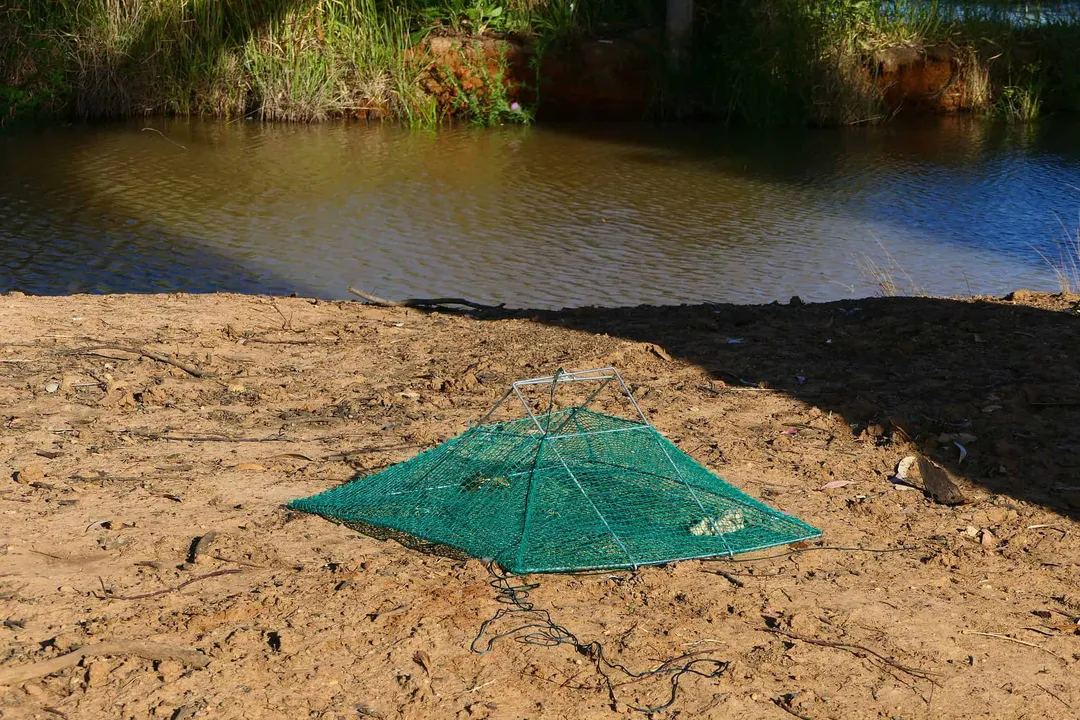
The common yabby, scientifically known as Cherax destructor, is a fascinating freshwater crustacean native to Australia, yet its story is complex, involving both local ecology and international invasive species management. [1][2][5] Often mistaken for a small lobster, this member of the Parastacidae family is surprisingly hardy and adaptable, traits that have made it both a valued aquaculture species and a significant environmental concern outside its home range. [3][5][7]
# Crayfish Name
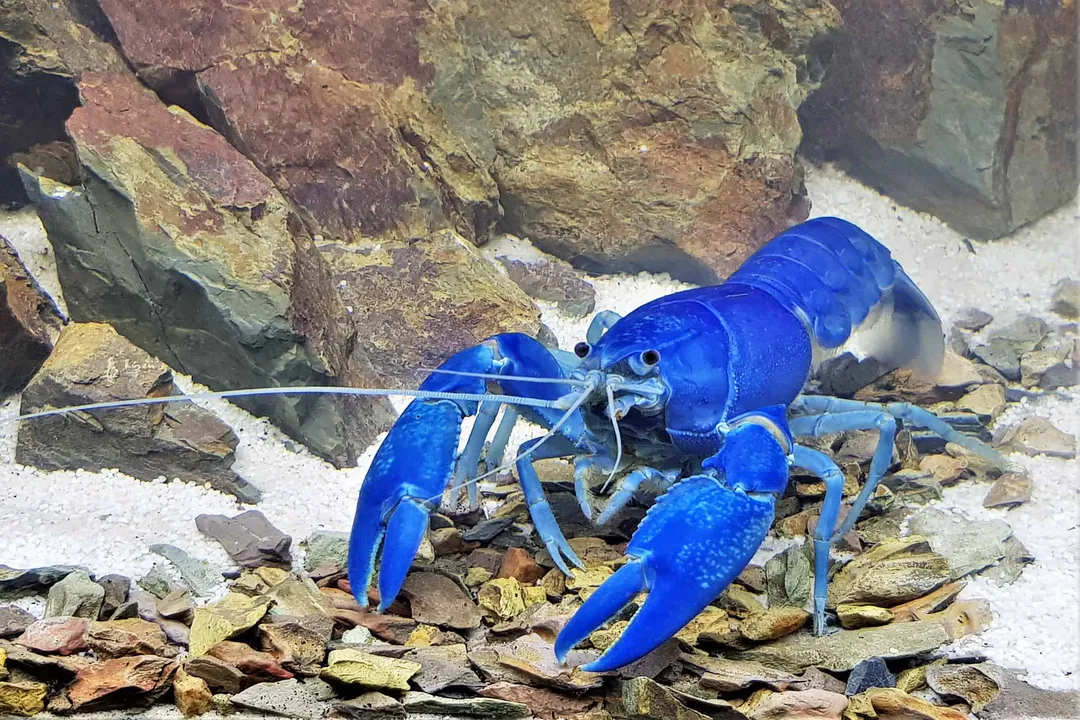
The name "yabby" itself is an Aboriginal term widely adopted in Australia for various freshwater crayfish, though it most commonly refers to Cherax destructor. [1][2] While they are true freshwater crayfish, they are often grouped with crawfish or crawdads in a broader sense, though they belong to a distinct family from those found in North America. [4][6] The species name destructor is a nod to their ability to modify their environment, primarily through extensive burrowing activities. [1]
# Appearance Details
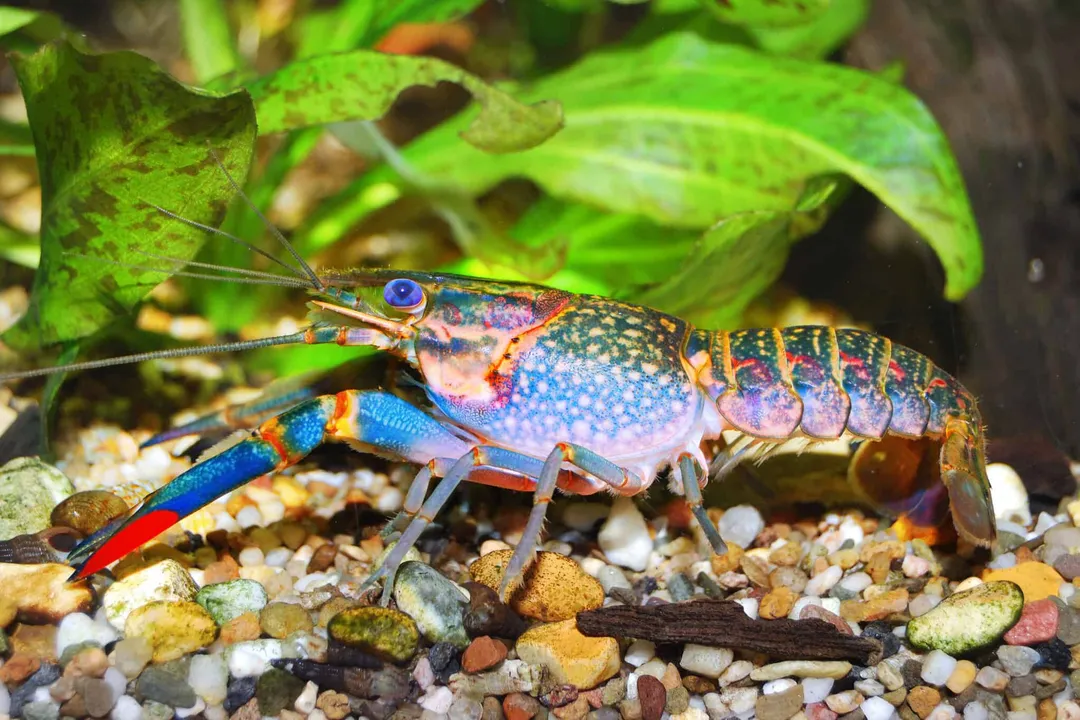
Yabbies display a remarkable range in physical appearance, which can sometimes make initial identification tricky without knowing the locality. [1] They are typically medium-sized crustaceans, though they can reach lengths of up to 30 centimeters and weigh around 200 grams. [1][4] Coloration is highly variable; individuals can range from deep brown or black to shades of green or even striking blue. [1][4][7] This variation isn't just regional; it's often dependent on the substrate and water quality where the yabby resides. [4]
Like other crayfish, they possess ten legs, with the front pair being heavily armoured claws, or chelae, which are essential tools for defense, burrow construction, and grasping food. [1][7] The carapace, or shell, protects their vital organs, and their general body structure is well-suited for bottom-dwelling life in freshwater systems. [7] Considering the color variation, one might observe that the intensity of blue or green coloration in captive-bred specimens intended for the aquarium trade often seems more vibrant than those found in turbid wild habitats, suggesting environmental pigments or stress levels might play a significant role in their outward display. [1][4]
# Native Range
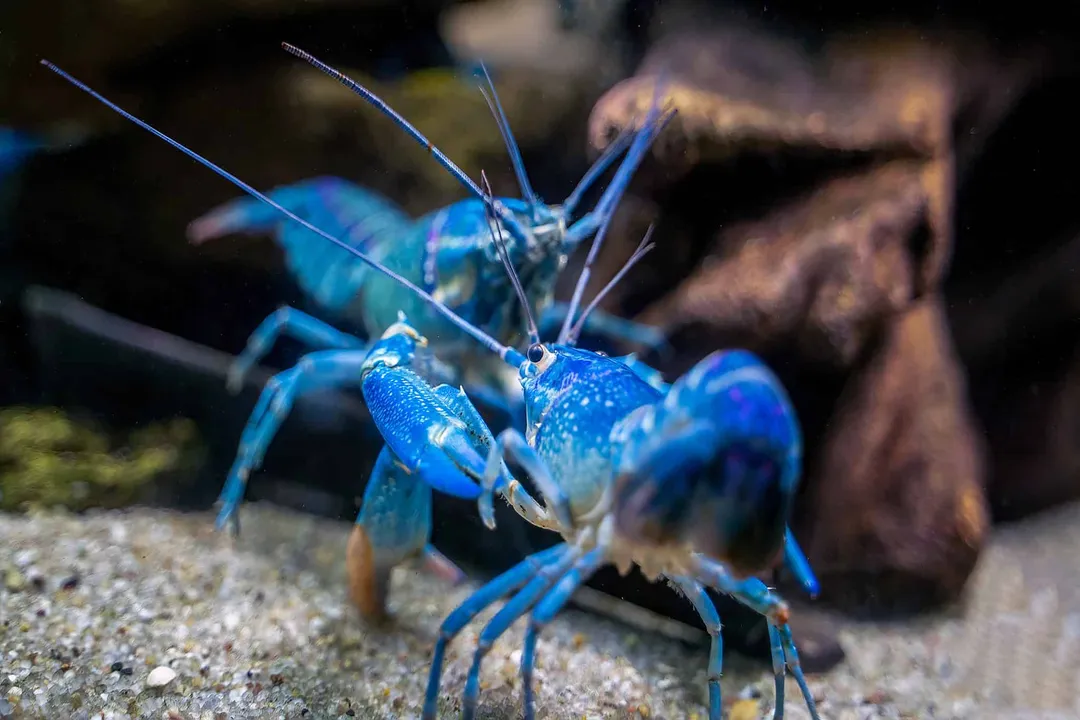
The yabby is indigenous to the freshwaters of southeastern Australia. [1] They thrive in a variety of aquatic settings, favoring environments with slow-moving or still water, such as creeks, lakes, farm dams, and lagoons. [1][2][4] Their success in these areas is heavily tied to their exceptional ability to excavate complex burrow systems in mud, sand, or silt banks. [1][2] These burrows serve as essential refuges from predators and allow them to survive periods of drought by remaining submerged in moist mud. [1][4]
# Feeding Behavior
Yabbies are known for being opportunistic omnivores, contributing to their ecological success wherever they establish a population. [1][4] Their diet is quite broad and includes a significant amount of detritus—decaying organic matter found on the bottom of waterways. [1] They also consume algae, various aquatic plants, and small invertebrates they can catch, such as insect larvae. [1][4] This generalist feeding strategy means they can adapt to seasonal changes in food availability. [1]
# Growth Cycle
The lifespan of a yabby can be considerable, especially in protected environments. In captivity, some individuals have been known to live for up to two decades. [1][6] Reproduction occurs when the female carries her eggs attached to the swimmerets under her tail until they hatch. [1] Considering the long potential lifespan (up to two decades) alongside their relatively slow growth rate to maturity, population recovery following environmental shock—like a severe drought or widespread chemical contamination—could be significantly hampered if the adult stock is decimated, making habitat stabilization critical for sustained local populations. [1][6]
# Invasive Threat
When introduced outside their natural range in Australia, Cherax destructor rapidly becomes a significant ecological problem. [5] They have been successfully introduced in various parts of the world, sometimes deliberately for aquaculture, but often accidentally through the release of unwanted pets or discarded bait. [5][6] In areas like the Great Lakes region of North America, they pose a threat as an invasive species. [6]
The impact stems from their burrowing and feeding habits. [5] Their digging can destabilize banks and increase turbidity (cloudiness) in the water, which negatively affects light penetration needed by submerged native vegetation. [5] Furthermore, their consumption of native invertebrates and plants creates direct competition with indigenous species. [5] A key area of concern for regulatory bodies is preventing their release, as the primary mechanism of spread outside established invasive zones is often through the dumping of leftover bait or aquarium contents into local waters. [5][6] They are remarkably resilient, able to tolerate a wide range of water temperatures and salinities, which aids their establishment in non-native environments. [3]
# Keeper Notes
Due to their hardiness and interesting behavior, yabbies are sometimes kept as pets or raised commercially. [1][4] For those keeping them, especially in home aquariums or smaller tanks, understanding their nature is key. [7] They are generally nocturnal, meaning they are most active when lights are dimmed. [7] Because they are prodigious burrowers, providing a substrate deep enough for them to dig substantial hides is crucial for their welfare and to prevent them from damaging tank decorations or equipment. [1][7] Given their strong claws, they must be housed individually or in very large setups with many visual barriers if kept communally to minimize aggression and injury. [7] Their omnivorous diet is easily met with quality commercial pellets supplemented with fresh vegetables. [4]
# Conservation Status
The conservation status of the common yabby is nuanced and depends entirely on geography. [8] While the species is considered common in many parts of its native Australia, certain localized populations or subspecies face significant threats. [8] For instance, some distinct populations are classified as endangered, primarily due to habitat degradation, water extraction, and competition from invasive species in their specific regions. [8] This highlights an important ecological principle: a species labeled "common" globally might still have vulnerable pockets of its population in need of protection. [8]
Related Questions
#Citations
Common yabby - Wikipedia
Common yabby Facts for Kids
Yabby : Cherax destructor - Parastacidae (Freshwater crayfish)
Yabby Animal Facts - Cherax destructor
Common Yabby - Ontario's Invading Species Awareness Program |
Species Profile - Yabby
Common Yabby | Reptile Encounters
Common Yabby Facts - Photos - Earth's Endangered Creatures
Yabby Facts & Photos | Wowzerful