Xerus Locations
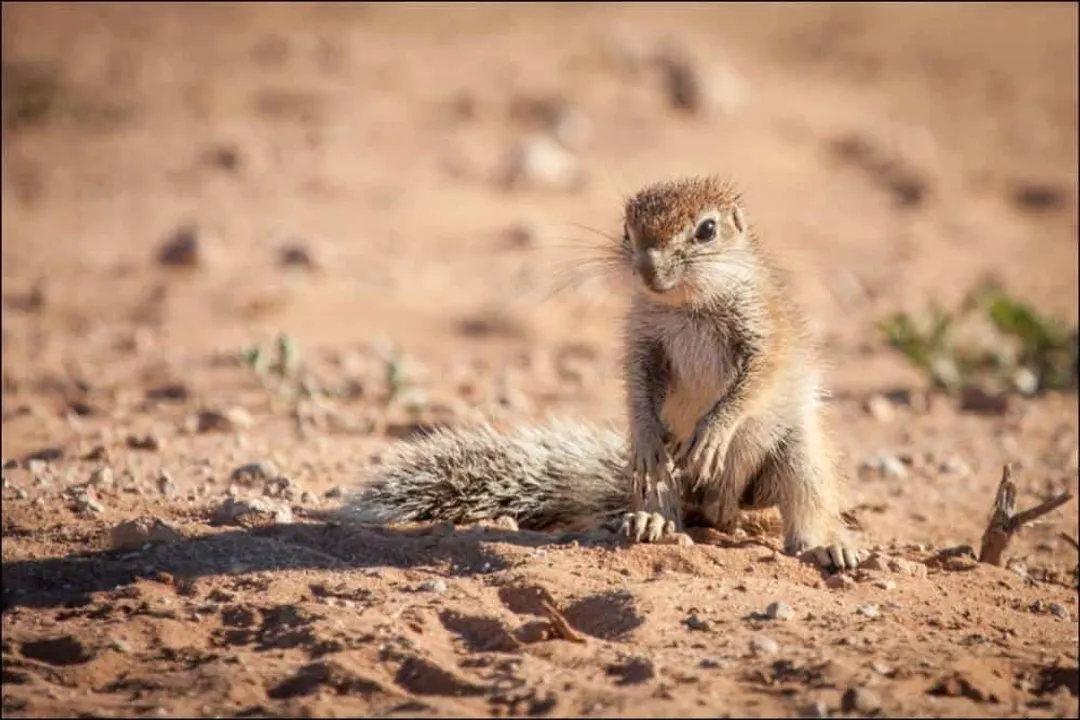
The genus Xerus, commonly recognized as African ground squirrels, inhabits diverse settings across the African continent, thriving in environments that often challenge other small mammals. These diurnal rodents are far from being a single, geographically unified group; rather, they represent several distinct lineages whose locations are shaped by specific ecological needs, primarily relating to aridity and vegetation cover. [5] Understanding Xerus locations requires looking beyond simple continental boundaries and examining the specific sub-regions and habitat types that sustain species such as the Unstriped ground squirrel (Xerus rutilus) or those grouped under Geosciurus. [2][5]
# Genera Distribution
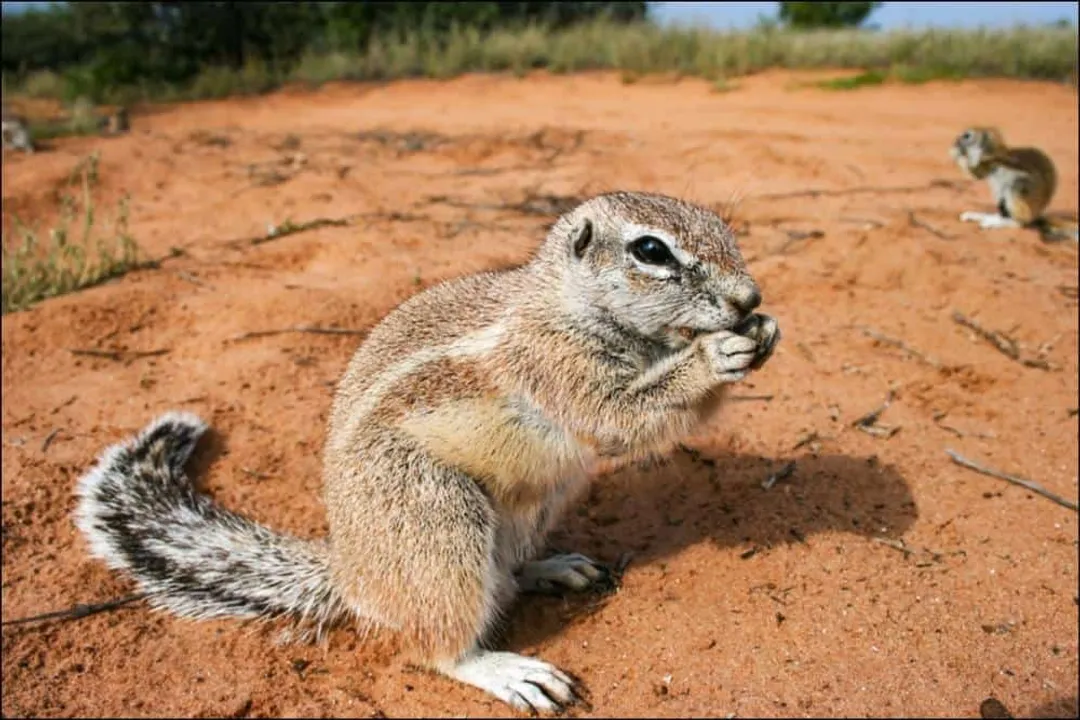
The classification of African ground squirrels separates them into three primary genera: Xerus, Euxerus, and Geosciurus. [5] Each genus occupies a unique swath of territory, illustrating evolutionary adaptation to regional climates.
The genus Xerus itself is primarily associated with East Africa. [5] For instance, the Unstriped ground squirrel, Xerus rutilus, is a well-documented inhabitant of this region. [2] In contrast, Euxerus tends to be situated further west, generally inhabiting the drier, more sparsely vegetated areas spanning from West Africa across to Central Africa. [5] The third group, Geosciurus, is characteristically found in Southern Africa. [5] This geographical partitioning—East, West/Central, and South—provides a foundational map for pinpointing where different types of these squirrels can be found. [5]
This separation is important because while all are ground squirrels, their specific environmental requirements dictate the boundaries of their ranges. While the names might suggest one continuous distribution, the reality is a mosaic of ranges reflecting climatic barriers or historical dispersal limitations. [5]
# East African Range
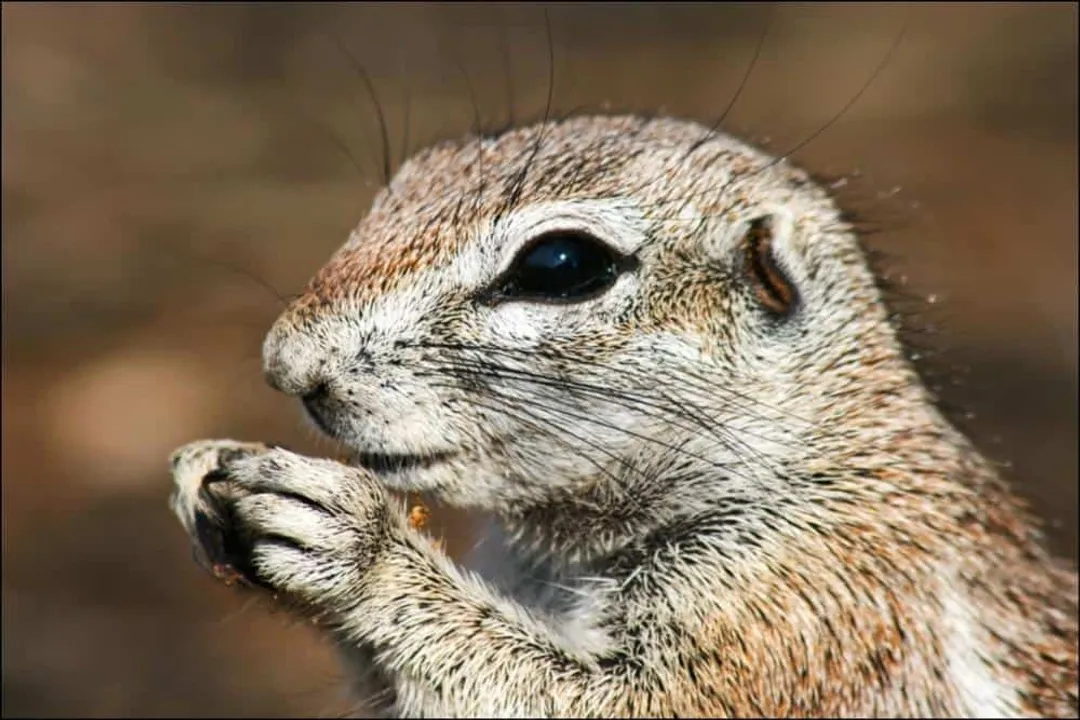
Focusing on the East African representatives, such as Xerus rutilus, their habitat preferences center around areas that offer suitable ground for extensive burrow systems coupled with adequate foraging opportunities. [2] The distribution of the Unstriped ground squirrel spans across several nations in East Africa. Key areas include Kenya and Tanzania. [2] Within these countries, they are commonly sighted in savanna environments, including arid and semi-arid bushlands and shrublands. [1][2] They show a preference for open areas rather than dense woodland, which allows for better predator detection and access to the soil needed for digging. [1]
When mapping the known distribution for Xerus rutilus, one notices they favor drier regions, often avoiding the most intensely forested or wettest environments. [2] An interesting aspect of their location is their reliance on certain soil types for burrow construction; a poorly draining or overly rocky substrate can severely limit their presence, even if food is available. [2] This interplay between soil mechanics and climate helps define the precise edges of their territories, meaning two adjacent valleys might host different populations based solely on geology.
# West and Central Zones
The Euxerus genus marks the territory in the western and central parts of the continent. These squirrels are characteristically found in the Sahel and Sudanian savanna zones. [5] This area is defined by a seasonal climate with distinct wet and dry periods. Their presence often correlates with areas that have sufficient tree cover to offer shade during the hottest parts of the day, contrasting slightly with the more open savanna preference of some eastern species. [5]
For researchers tracking Euxerus, the locations often intersect with regions experiencing annual dry seasons that necessitate reliance on underground refuge. [1] While precise species-level locations within Euxerus require deeper investigation, the collective range is clearly demarcated from the southern Geosciurus territory by major geographical features or climatic transition zones within Africa. [5]
# Southern Habitats
The Geosciurus group holds the Southern African niche. [5] This territory encompasses regions like Namibia and South Africa, where the environment is often harsher, characterized by more extreme temperatures and more pronounced arid conditions compared to the East African savanna. [1][5] The squirrels here are adapted to environments that demand exceptional water conservation and robust shelter construction.
For example, the Cape ground squirrel (Geosciurus capeyi) is famously associated with the semi-deserts and scrublands of southern Africa. [1] These areas present a unique set of challenges that drive their choice of location. They are highly dependent on the stability of their underground homes, which serve as crucial thermoregulators against intense daytime heat and cooler desert nights. [1] Examining the distribution data shows a clear cluster in the drier, more open interior plains of the southern cone of Africa, distinctly separate from the ranges of Xerus and Euxerus. [5]
# Habitat Preferences and Burrow Sites
A unifying factor across all Xerus locations is the absolute necessity of suitable substrate for burrowing. [1] While savanna and semi-arid shrubland are the typical biomes, the micro-location is determined by the ground itself. These squirrels construct intricate tunnel systems that serve multiple functions: protection from predators, refuge from adverse weather—both extreme heat and unexpected cold—and as larders for food storage. [2]
Consider the difference in site selection between an East African Xerus rutilus and a South African Geosciurus. The East African species might utilize termitaria mounds or slight elevations within the savanna, perhaps to ensure better drainage or visibility. [2] Conversely, the Geosciurus species inhabiting more barren, flat desert plains may need to excavate deeper or select areas where annual grasses provide just enough surface cover without compromising the structural integrity of their tunnels in sandy soil. [1] This means that two areas geographically near each other, one with deep, heavy clay soil and another with well-draining sandy loam, could host entirely different squirrel populations simply based on what is structurally feasible for a long-term subterranean home.
It is worth noting that while the core distribution is wild Africa, populations can sometimes be found near human settlements, provided the necessary ground conditions exist and food sources are accessible. [3] The U.S. Fish and Wildlife Service documents general information on African ground squirrels, acknowledging their existence but primarily focusing on conservation context rather than defining specific US locations outside of perhaps captive or research settings. [3]
# Mapping the Boundaries
To visualize the locations, we can summarize the known general ranges:
| Genus | Primary Geographical Area | Typical Biome Type |
|---|---|---|
| Xerus | East Africa (e.g., Kenya, Tanzania) | Savanna, Arid Bushland [2] |
| Euxerus | West and Central Africa (Sahel/Sudanian zones) | Drier Grasslands with more tree cover [5] |
| Geosciurus | Southern Africa (e.g., Namibia, South Africa) | Arid Scrublands, Semi-deserts [5] |
If one were to draw a line across the continent based on this data, the separation between Euxerus in the west/center and Xerus in the east seems to follow broad ecological transitions rather than sharp political borders. [5] Similarly, the southern boundary of the Geosciurus range defines a distinct zone adapted to the Kalahari and surrounding arid systems. [1] The scientific record confirms that these divisions are strong; direct range overlap between the three main genera is not commonly reported, suggesting significant historical divergence in their preferred habitat locations. [5]
# Ecological Site Fidelity
The concept of site fidelity—an animal’s tendency to return to or remain in a particular area—is very strong in ground squirrels, and this directly impacts where we find them year after year. [1] For Xerus species, once a viable colony establishes a network of burrows in a specific patch of savanna with the right soil, vegetation, and predator pressure, that location remains "occupied" until an external catastrophe (like severe drought or habitat destruction) forces a mass exodus. [1]
This strong fidelity means that conservation efforts or ecological studies focusing on Xerus locations are inherently focused on preserving not just the species, but the specific physical attributes of the soil and local flora in that locale. [2] A well-established colony near a water source in Tanzania, for instance, is likely to persist there for decades, making that precise location a critical biodiversity node for that species. [2] When looking for them, knowing the generalized region is step one, but confirming the local soil composition and vegetation structure is often the critical factor in locating an active burrow cluster. [1]
# Taxonomic Notes and Locality Data
From a taxonomic perspective, the designation of locations is critical for understanding evolutionary relationships. Records compiled in databases like Mindat, which track various taxa, often list specific locality data derived from museum specimens or field reports associated with the Xerus taxon. [8] This underlying data reinforces the separation of species based on where they were originally collected and identified. For instance, older records might delineate Xerus erythropus (Striped ground squirrel) locations slightly north or west of Xerus rutilus locations, even within what we broadly call East Africa, highlighting fine-scale geographic specialization within the Xerus genus itself. [5]
This level of detail suggests that while we can speak generally about East Africa for Xerus, precise species distribution often hinges on factors like elevation or proximity to specific vegetation boundaries, which can be mapped down to the square kilometer using GPS coordinates attached to scientific observations. [8]
In summary, the locations of Xerus are not randomly scattered across Africa. They are tightly constrained by the division into three major genera occupying East, West/Central, and Southern Africa, respectively. [5] Within these zones, the final placement of a colony is an intricate negotiation between climate, soil structure suitable for elaborate underground dwellings, and the availability of surface forage. [1][2] Finding any of these charismatic squirrels requires understanding this habitat fingerprint rather than just pointing to a country on a map. [5]
Related Questions
#Citations
Xerus Animal Facts - A-Z Animals
Xerus rutilus (unstriped ground squirrel) - Animal Diversity Web
African Ground Squirrels (Xerus) | U.S. Fish & Wildlife Service
Xerneas Pokédex: stats, moves, evolution & locations
Genus Xerus, Euxerus, Geosciurus - African Ground Squirrels
Xaero's World Map - Minecraft Mods - CurseForge
Mapping the Landscape of Fear of the Cape Ground Squirrel (Xerus ...
Xerus - Mindat
Overview | Xeris Biopharma Holdings, Inc.