Xenotarsosaurus Facts
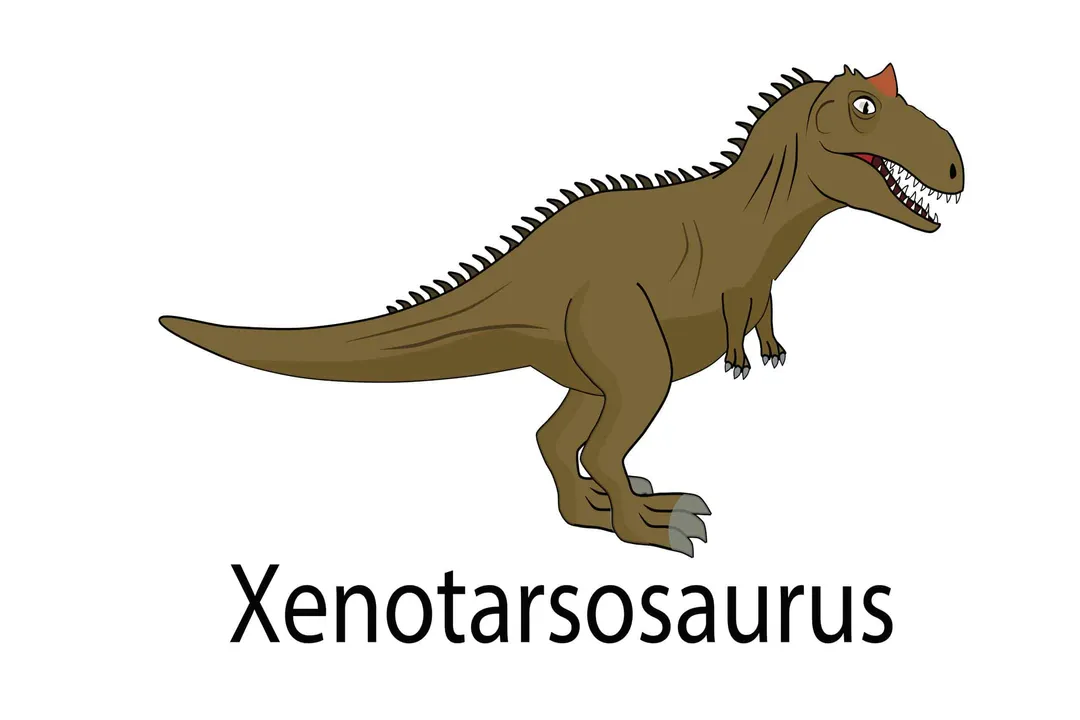
The study of dinosaurs from the Southern Hemisphere often reveals creatures quite distinct from their better-known northern counterparts, and Xenotarsosaurus stands as an intriguing example of this unique fauna. This medium-sized theropod, known primarily from fragments discovered in Argentina, presents a fascinating puzzle regarding its evolutionary placement and adaptations, particularly concerning its unique lower limb structure. [1][2] While not possessing the massive bulk of a Tyrannosaurus or the iconic plates of a Stegosaurus, the creature’s specialized anatomy offers paleontologists significant clues about life during the Late Cretaceous period in South America. [1][8]
# Naming Origin
The name Xenotarsosaurus itself is descriptive, directly referencing the most peculiar characteristic known from its limited remains. It translates roughly to the "strange-ankled lizard". [1] This moniker stems from the unusual morphology observed in the tarsal bones—the series of small bones that make up the ankle joint—which clearly differentiate it from many other known theropods. [1][4] The species name honors the celebrated paleontologist José Bonaparte, who significantly contributed to the understanding of South American Mesozoic fauna. [8] Understanding the structure behind this name is crucial to understanding the animal itself. [1]
# Theropod Grouping
Xenotarsosaurus is classified as a theropod, the group that includes familiar predators like Velociraptor and Allosaurus. [2][4] More specifically, it is generally placed within the broader group Coelurosauria. [1] Current thinking often situates it near the family Noasauridae, or at least closely related to the lineage that includes dinosaurs like Noasaurus. [1] This places it alongside other swift, bird-like dinosaurs that were common in the Gondwanan landmasses. [1] Its relationship with other southern predators, such as Saltriovenator, is a topic of ongoing paleontological discussion, often requiring detailed comparisons of shared and unique anatomical features found in the limited fossil record. [1]
# Argentine Find
The known remains of Xenotarsosaurus originate from the Chubut Province of Argentina. [1][2][5] This region has yielded a wealth of dinosaur fossils, providing context for the Late Cretaceous ecosystem in which this animal lived. [5] While the fossil material is not exhaustive—often consisting of partial limb elements rather than a complete skeleton—it is sufficient to establish the animal's distinct characteristics. [4] The discovery and subsequent study of these fossils underscore the paleontological richness of the southern continents during the Mesozoic Era. [8]
# Tarsal Structure
The namesake feature, the structure of the ankle, is what sets Xenotarsosaurus apart. [1] The tarsal bones exhibit an architecture that deviates from the typical arrangement seen in many other predatory dinosaurs. [4] In many small theropods, the ankle bones are fused or arranged in specific ways to handle the stresses of running and quick maneuvers. [1] The configuration in Xenotarsosaurus suggests a unique mechanical articulation for its lower leg and foot. This strange structure implies a specific gait or method of locomotion optimized for its environment. [4] One can infer that this unusual ankle configuration might have provided increased stability or a specific type of ground contact during movement, perhaps favoring a stiff, powerful push-off common in cursorial (running) animals, though the exact functional implication remains a subject of specialized study. [3]

# Body Length
When considering the overall size of this ancient predator, the estimates place it among the smaller to medium-sized theropods of its time. [2] Current estimates suggest an adult length hovering around 2 meters (approximately 6.6 feet). [2][5] This places it significantly smaller than giant predators but makes it a formidable hunter of smaller prey items within its ecosystem. [2]
To better visualize this dimension, consider its length relative to a contemporary animal. At two meters long, Xenotarsosaurus was roughly the length of a modern adult male saltwater crocodile from snout to tail tip, though its build would have been far more lightweight and bipedal. [2]
| Measurement Category | Estimated Value | Comparison Context |
|---|---|---|
| Approximate Length | ~2.0 meters (6.6 feet) | Slightly longer than a modern standing human male's height [2] |
| Classification | Theropod / Coelurosaur | Related to Maniraptorans (e.g., birds, dromaeosaurs) [1] |
| Time Period | Late Cretaceous (Maastrichtian) | Just before the K-Pg extinction event [1] |
# Carnivore Role
As a theropod, Xenotarsosaurus was unquestionably a carnivore. [2][5] Its relatively light build and presumed agility, suggested by its classification among Noasaurids or close relatives, indicate that it likely specialized in hunting smaller dinosaurs, lizards, or other terrestrial vertebrates. [1][5] Unlike the bone-crushing giants of the period, this dinosaur would have relied on speed and precision to secure its meals. [2] Being roughly two meters long, its hunting strategy would necessitate targeting prey within a similar size range or perhaps working in groups, although fossil evidence for pack behavior is notoriously difficult to confirm definitively. [5]
# Cretaceous Rocks
The geological context of Xenotarsosaurus is the Maastrichtian stage of the Late Cretaceous period. [1] This places its existence roughly 72 to 66 million years ago, right up to the mass extinction event that wiped out the non-avian dinosaurs. [1][8] Finding its fossils in Argentinian rock formations from this era provides important data points for understanding the diversity of Gondwanan dinosaurs during the final chapters of their reign. [1][3] The study of specimens like Xenotarsosaurus bonapartei helps flesh out the picture of predator-prey dynamics in this specific environment just before the end of the Mesozoic Era. [8] The very structure of the fossils, examined through scientific analysis, helps confirm its placement in time by analyzing the surrounding sedimentary layers. [3]
#Videos
Fun Facts About Xenotarsosaurus - YouTube
Related Questions
#Citations
Xenotarsosaurus - Wikipedia
Xenotarsosaurus bonapartei - A-Z Animals
A detailed osteological description of Xenotarsosaurus bonapartei ...
Xenotarsosaurus - DinoDen
Xenotarsosaurus | Cool Dino Facts Wiki | Fandom
Fun Facts About Xenotarsosaurus - YouTube
Xenotarsosaurus - Prehistoric Wildlife
Xenotarsosaurus bonapartei - A Dinosaur A Day
Xenotarsosaurus is a genus of abelisaurid theropod dinosaur that ...