Xenoposeidon Locations
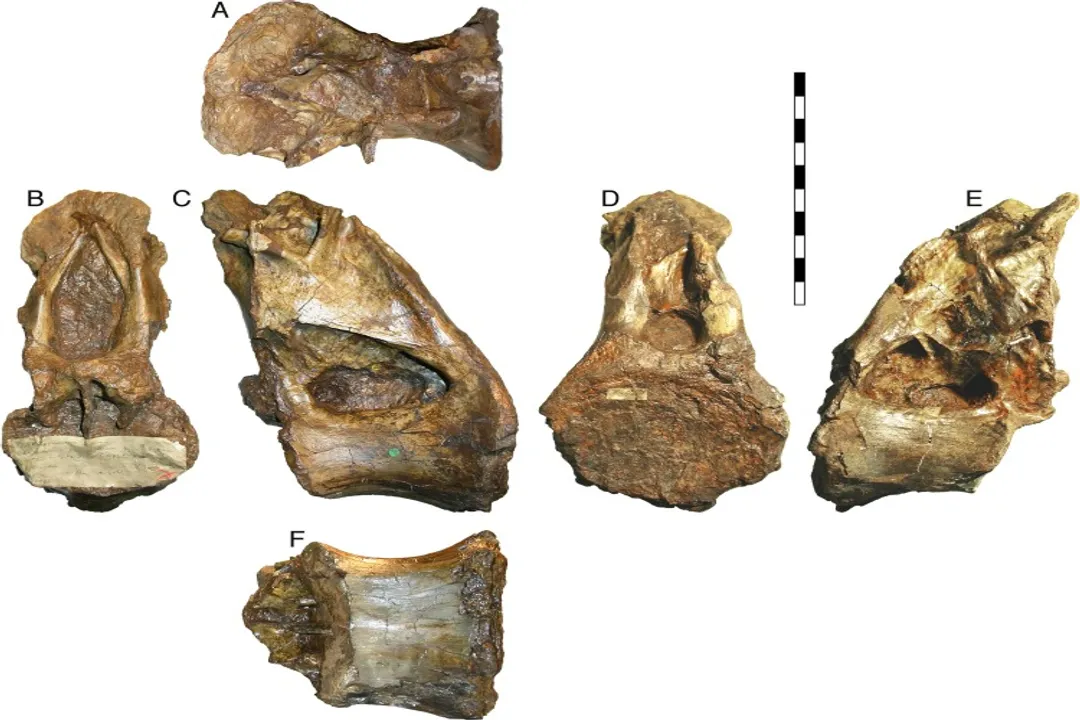
The singular fossil of Xenoposeidon proneneukos anchors its entire known existence to a specific stretch of the English south coast, making the question of its locations primarily a deep dive into the geology of the Lower Cretaceous Wealden Supergroup. This dinosaur is known only from a single, remarkable mid-to-posterior dorsal vertebra, cataloged as NHMUK PV R2095 and currently housed at The Natural History Museum in London. The importance of this lone specimen is magnified precisely because its discovery locale is traceable to such a fine geological resolution.
# Find Site
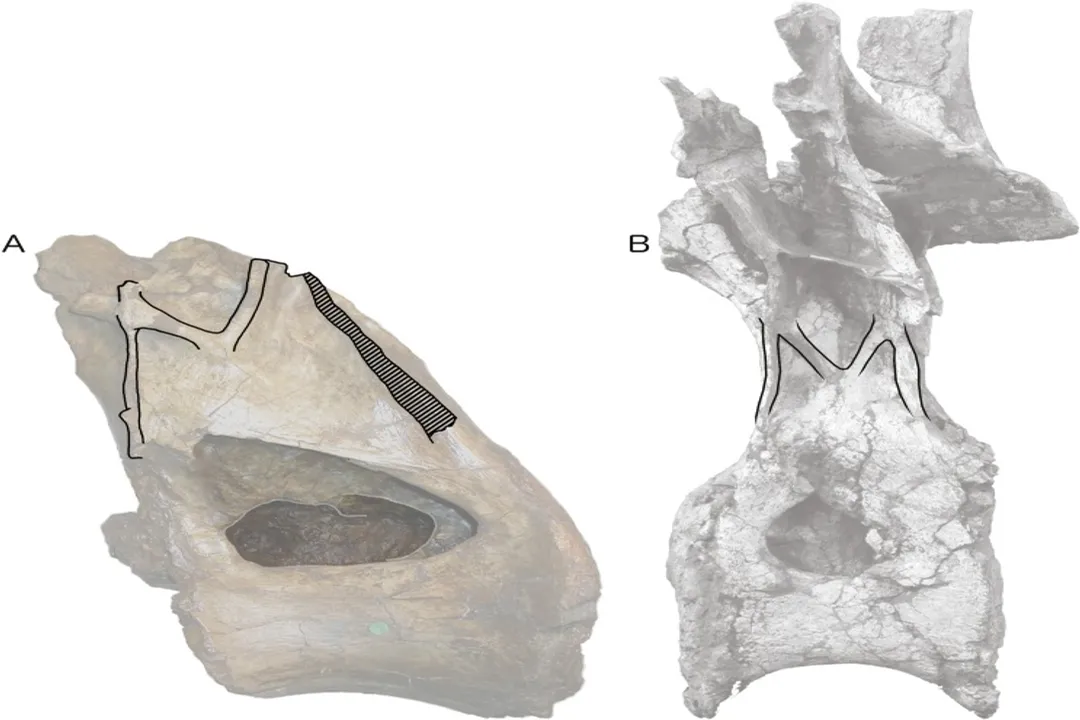
The historical recording of the find was quite vague, with the discoverer, Philip James Rufford, only reporting that the vertebra came from 'the Wealden of Hastings'. However, detailed archival research, cross-referencing Rufford’s collection notes, narrowed the probable origin considerably. The most likely specific location where this unique bone was unearthed is Ecclesbourne Glen, an area situated a short distance east of the town of Hastings, within East Sussex, England.
The significance of Ecclesbourne Glen is that the exposed rock layers there belong to the Ashdown Formation. This formation is itself part of the broader Hastings Beds Group, a geological unit that captures the earliest part of the Early Cretaceous period. By correlating the known exposures at Ecclesbourne Glen, paleontologists have determined that the Xenoposeidon vertebra dates to the Berriasian age. This age estimation is perhaps the most crucial piece of location data, as it instantly positions Xenoposeidon as the earliest named member of the rebbachisaurid sauropod family known to science, preceding the previously earliest-dated member, Histriasaurus, by an estimated ten million years. The finding site, therefore, is not merely a place on a map but a precise window into a very early point in sauropod family evolution.
# Geological Unit
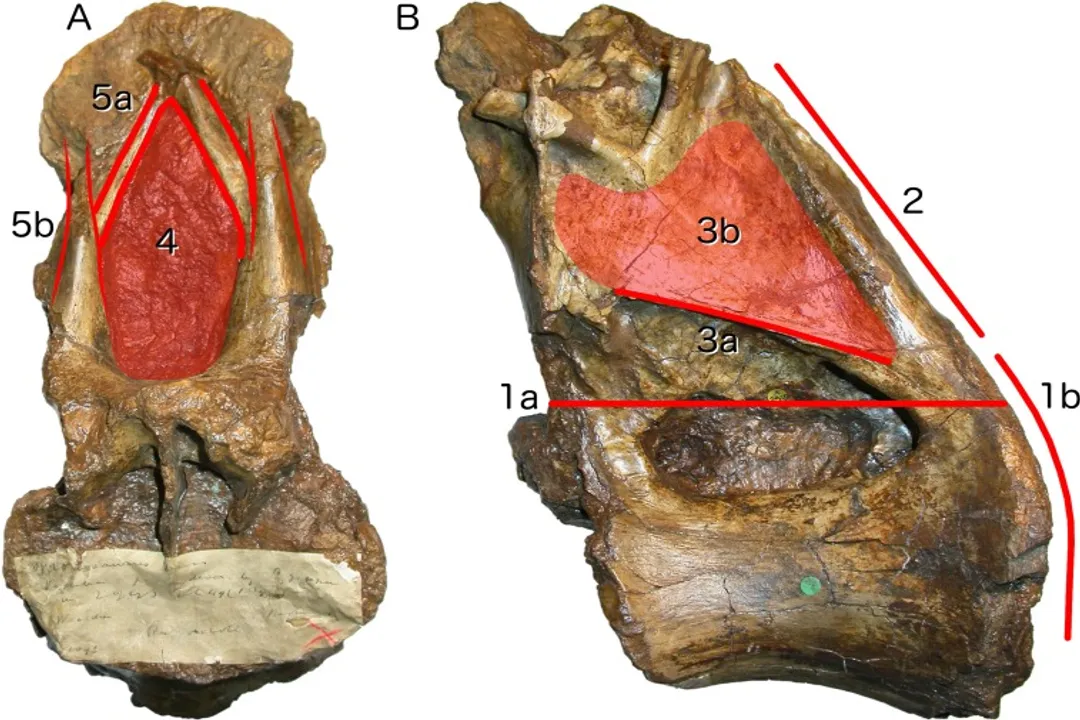
Xenoposeidon is firmly rooted in the geological sequence of the Wealden Supergroup of southern England. This entire depositional sequence provides the environment for understanding this early sauropod radiation. The Hastings Beds Group, where R2095 was found, is older than the younger Wessex Formation, which dominates the sauropod record from the Isle of Wight later in the Early Cretaceous.
The time bracket for the Hastings Beds Group spans the Berriasian–Valanginian stages, but the specific lithology at Ecclesbourne Glen points toward the earlier Berriasian. This places Xenoposeidon among the very few definitive sauropod body fossils known from the world during that part of the Cretaceous, where the fossil record for large herbivores is generally sparse compared to the Jurassic or later Cretaceous periods.
When considering the entire Wealden assemblage, the single vertebra from Ecclesbourne Glen suggests a surprising degree of sauropod taxonomic richness in this particular European environment. Other sauropod remains found within the Wealden sediments, though often from slightly different time periods or locations within the wider region, suggest the presence of basal Titanosauriformes, Titanosauria, and Diplodocidae. This early presence of a rebbachisaurid—a group typically associated with the mid-Cretaceous continents of Gondwana (South America and Africa)—in Early Cretaceous Laurasian sediments is a major point of interest regarding the group's dispersal patterns.
| Wealden Sauropod Find | Geological Unit/Formation | Age Approximation |
|---|---|---|
| Xenoposeidon proneneukos (Holotype R2095) | Hastings Beds Group (Ashdown Formation) | Earliest Cretaceous (Berriasian) |
| 'Pelorosaurus' becklesii (Humerus, etc.) | Hastings Beds Group | Early Cretaceous |
| 'C.' brevis (Caudals, Humerus) | Hastings Beds Group (Cuckfield material) | Early Cretaceous |
| Other Rebbachisaurid material (teeth, scapula, etc.) | Wessex Formation (Isle of Wight) | Barremian (Younger) |
| Diplodocid Metacarpal | Hastings Beds Group (Bexhill) | Early Cretaceous |
This comparison illustrates that while Xenoposeidon is the oldest known sauropod from the Wealden strata to be assigned to the Rebbachisauridae, it was not alone in the region at the time, nor was it the only rebbachisaurid; younger, though closely related, sauropods are known from the slightly younger Wessex Formation on the Isle of Wight. The fact that Xenoposeidon is found in the older strata suggests that the lineage of these diplodocoids was established in Europe far earlier than previously documented.
# Wealden Diversity
The discovery of Xenoposeidon within the Hastings Beds Group forced a re-evaluation of the sauropod fauna present there. The geological context of the discovery site, Ecclesbourne Glen, is essential for understanding the environment this animal inhabited. The Ashdown Formation represents depositional environments fluctuating between terrestrial and shallow marine, often associated with ancient river systems and coastal plains. To have Xenoposeidon alongside other basal Titanosauriformes and Titanosaurs in the same general area during the earliest Cretaceous points toward an ecological niche partitioning among these large herbivores that is only beginning to be revealed through fragmented remains.
The original description already hinted at the potential complexity, noting that other sauropod remains from the Hastings Beds Group suggested the presence of at least three or four sauropod groups, including Diplodocidae and Titanosauria. The presence of Xenoposeidon pushes the rebbachisaurid record into this group, making the Early Cretaceous English mainland a surprisingly diverse spot for sauropods compared to the general perception of their morphological conservatism during that time. If we were to examine the entire Wealden basin, which encompasses both the Hastings Beds and the younger Wessex Formation, the record shows that different sauropod families coexisted or succeeded each other across this relatively small geographic area over a few million years.
# Early Placement
The location of the fossil—southern England during the Berriasian—has direct implications for tracing the origin and movement of the Rebbachisauridae family. Traditionally, many sauropod groups, particularly Titanosaurs, were viewed as having originated in the southern supercontinent of Gondwana following the breakup of Pangaea. Xenoposeidon's confirmed presence in Laurasia (the northern landmass) and its extremely early age suggest that rebbachisaurids might have either originated in the north and migrated south later, or that the Gondwanan record is simply far more incomplete for this early epoch.
This British location provides the earliest known datum point for this group. To find a rebbachisaurid that is potentially 10 million years older than its closest European relative underscores the fact that the fossil record of Early Cretaceous Laurasia, while sparse, holds keys to understanding major dinosaur biogeographical events. This single vertebra, unearthed from the specific sediments of Ecclesbourne Glen, transforms Xenoposeidon from just another obscure sauropod into a critical marker for the diversification timeline of an entire clade. While the bone itself is highly unusual and unique, it is the geological where and when of its discovery that cements its status as an evolutionary outlier in time, pointing toward a European genesis or an early dispersal event not previously supported by such old fossil evidence. Without the precise identification of the rock layer it came from, its deep geological age would have remained speculative, but the connection to the Berriasian Ashdown Formation makes this location truly central to its scientific value.
Related Questions
#Citations
Xenoposeidon is the earliest known rebbachisaurid sauropod ...
[PDF] an unusual new neosauropod dinosaur from the lower cretaceous ...
Xenoposeidon - Dinopedia - Fandom