Wrought Iron Butterflyfish Locations
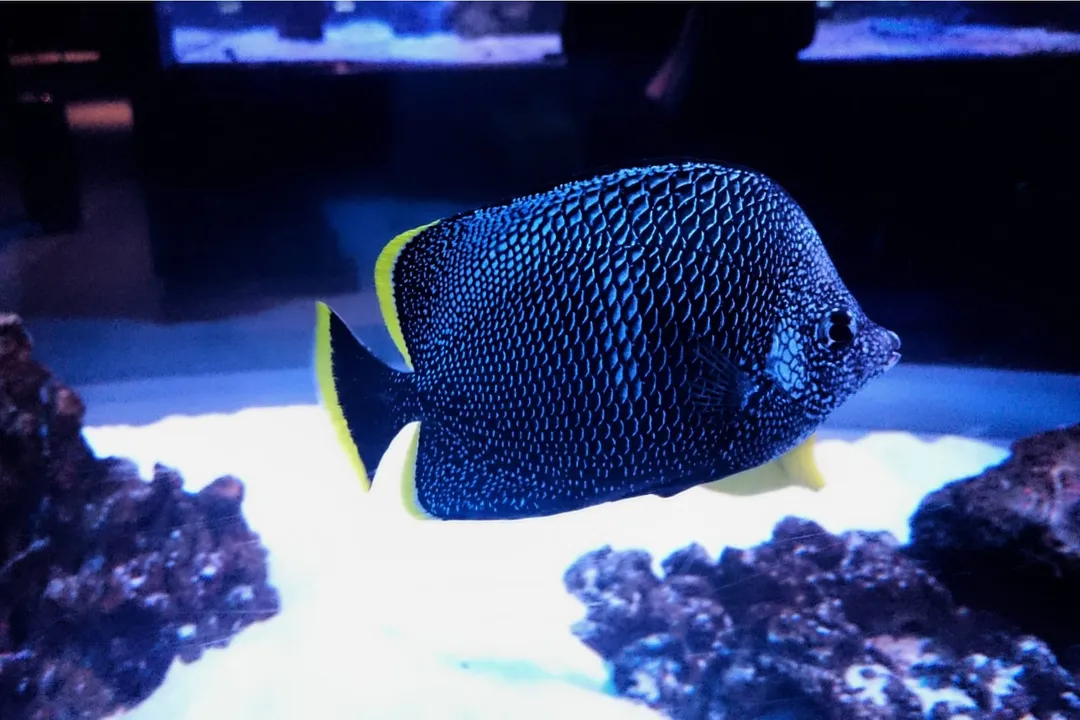
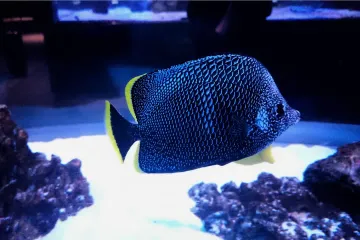
The Wrought-iron Butterflyfish, scientifically known as Chaetodon daedalma, is a species whose presence is intrinsically linked to specific deep-water environments within the Western Pacific Ocean. For enthusiasts and researchers alike, pinpointing its natural occurrences requires looking beyond the typical shallow tropical reef zones frequented by many of its relatives. This fish is recognized by several common names, including the Yūzen Butterflyfish, which often features in discussions concerning its rarity, particularly within the aquarium trade.
# Fish Identity
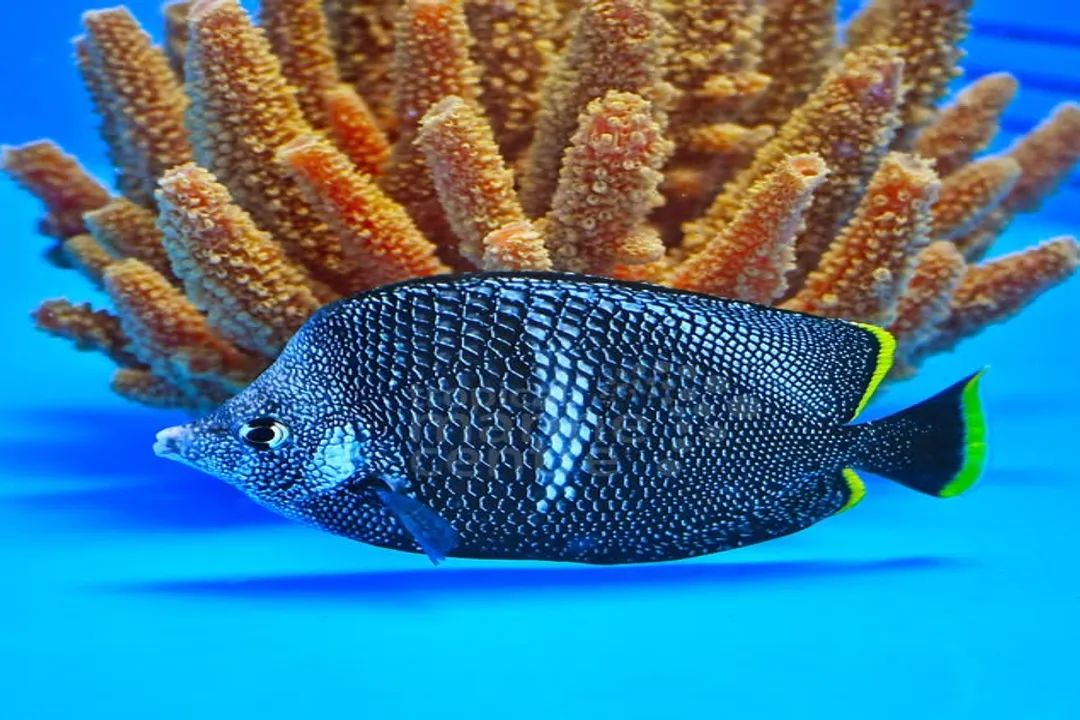
Chaetodon daedalma belongs to the Chaetodontidae family, the butterflyfishes. The name "Wrought-iron" likely speaks to its distinctive, perhaps somber or complex, coloration and patterning, though the exact derivation isn't detailed in all primary descriptions. Its classification under the genus Chaetodon places it alongside many well-known, shallow-water reef dwellers, making its deep-water lifestyle an interesting divergence.
# Pacific Distribution
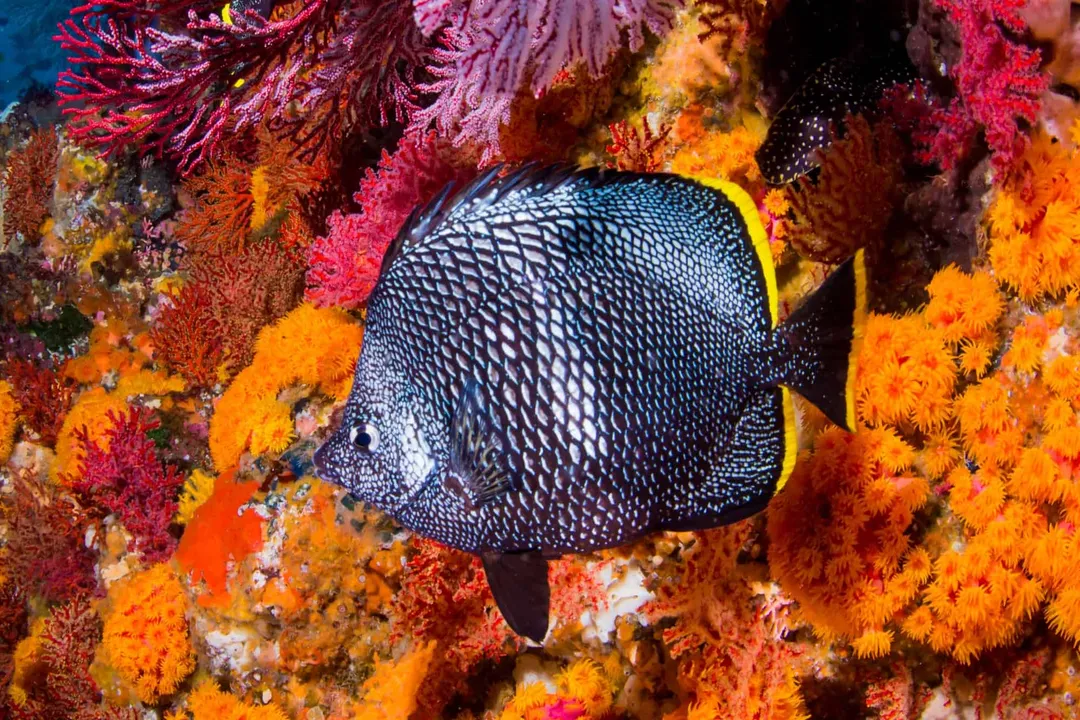
The geographical footprint of the Wrought-iron Butterflyfish is relatively concentrated, making it an island specialist rather than a widespread oceanic resident. Its known range is anchored firmly in the Western Pacific Ocean. Primary records consistently highlight its presence in the waters surrounding Japan. More specifically, the Ryukyu Islands are cited as a core area of its endemism.
The distribution extends south and west from this nucleus to include several island groups in Micronesia. These areas include Palau, Guam, and Yap. Furthermore, records place it in the Mariana Islands. This pattern—a species endemic to a specific chain like the Ryukyus, with outlying populations in nearby island territories—suggests a historical biogeographical connection or shared geological substrate across these locations. An area like the Ryukyu/Southern Japan segment seems to represent the northern limit of its established territory. Finding this species far outside this defined cluster of islands would be highly unusual based on current documented sightings.
The very nature of its restricted distribution in island chains suggests that local environmental pressures, such as specific deep-water current patterns or the presence of particular substrate types unique to these volcanic or coralline formations, play a massive role in where this fish can successfully establish itself. For marine biologists tracking population health, this confinement means that localized threats, like deep-sea trawling or unchecked pollution spikes around a single island group, pose a disproportionately high risk to the entire species compared to a fish spread across a vast continental shelf.
# Depth Habitat
Perhaps the most significant defining characteristic influencing the location of C. daedalma is its preferred depth range. Unlike many of its butterflyfish relatives that rarely venture below 30 meters, the Wrought-iron Butterflyfish is documented inhabiting much deeper waters. The accepted depth range spans from as shallow as 10 meters down to 100 meters. This substantial vertical range indicates adaptability, but its lower limit pushes it into twilight zones where light penetration is significantly diminished.
When considering where to look for this fish, the mark is vital. This depth places it squarely on the outer edge of the photic zone, often categorized as the upper mesophotic reef environment in many tropical contexts. The observation that specimens can be found at just suggests that during certain times—perhaps for feeding on seasonal plankton blooms or during specific life stages—they may utilize shallower outer reef slopes or wall crests that receive less direct daily traffic from divers or survey vessels. The difference between the and records implies that different populations or even individuals might segregate vertically based on food availability or predation risk throughout the day or year. Monitoring projects must therefore account for this entire vertical slice of the reef structure to accurately map population density.
# Trade Rarity
The combination of limited geographic range and deep-water habitat naturally translates into scarcity within the marine aquarium trade. The difficulty in locating and collecting this species is a direct function of its preferred environment; operating safely and effectively at depths approaching for collection purposes is significantly more demanding and costly than netting fish near the surface. This exclusivity often drives up the market value for specimens that do enter the trade.
For the dedicated aquarist interested in housing this unique species, understanding its natural location is key to respecting its needs. A fish accustomed to the consistent, lower temperatures and lower light levels associated with depths near requires specialized care to mimic those conditions, even if sourced from shallower capture points. The rarity in the trade is not just a market curiosity; it's a direct consequence of where Chaetodon daedalma lives. If its deep-water habitat in the Ryukyus or Palau faces any environmental stress, the immediate impact on the wild population is amplified because there are no extensive peripheral populations in shallower, more easily accessible areas to act as a buffer.
# Locating Sightings
While formal documentation relies on scientific surveys and museum records, public observation databases sometimes offer confirmation or anecdotal evidence extending the known boundaries. Platforms tracking citizen science observations can sometimes pinpoint locations near the boundary where recreational divers or snorkelers might have glimpsed the fish before it retreated to deeper security. However, given the species' deep-water affinity, reports originating from depths significantly greater than should be treated with extra scrutiny unless backed by professional deep-sea photography or video evidence. The most trustworthy information remains tied to established surveys within the key island chains mentioned: the Ryukyus, Mariana Islands, Palau, and Yap. Any future location data will almost certainly originate from deeper submersibles or advanced technical diving expeditions within this established Western Pacific corridor.
Related Questions
#Citations
Chaetodon daedalma - Wikipedia
Chaetodon daedalma, Wrought iron butterflyfish : fisheries, aquarium
Wrought Iron Butterflyfish (Chaetodon daedalma)
March 2014: The Yuzen (Wrought Iron Butterfly Fish) |
Wrought Iron Butterflyfish - Chaetodon daedalma - A-Z Animals
Wrought Iron Butterflyfish (Chaetodon daedalma) - iNaturalist
The Wrought Iron Butterflyfish, scientifically known as Chaetodon ...
Wrought Iron Butterflyfish - Chaetodon daedalma - Blue Zoo Aquatics
Species: Chaetodon daedalma (Wrought Iron Butterflyfish) - Saltcorner