Wrought Iron Butterflyfish Evolution
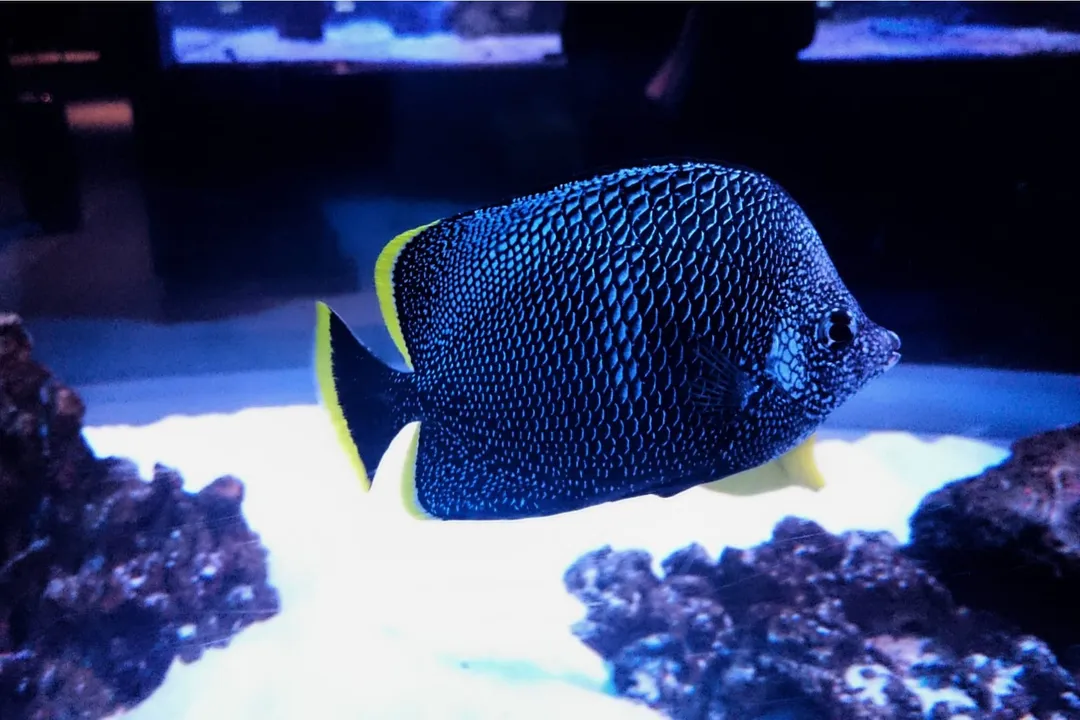
The Wrought Iron Butterflyfish, known scientifically as Chaetodon daedalma, presents a striking example of specialization within the highly diverse family of butterflyfishes, Chaetodontidae. [2][7] Its common name immediately brings to mind its cryptic, mottled appearance, which sets it apart from many of its more vibrantly colored relatives in the aquarium trade. [9] This species carries a designation that hints at its somewhat obscured position in the broader narrative of reef fish development, a narrative that spans significant evolutionary time and ecological adaptation. [1] While we often celebrate the flashes of yellow and electric blue common to many butterflyfishes, the C. daedalma offers a study in contrast, favoring subdued tones that help it blend into its specialized environment. [5][8]
# Classification Details
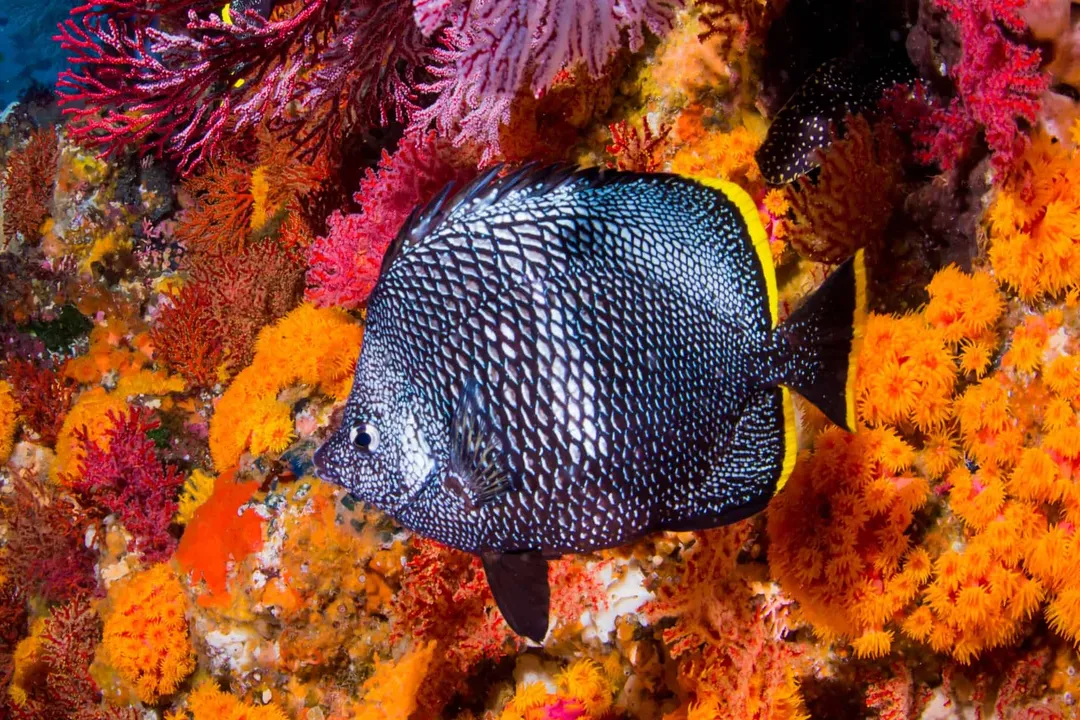
Chaetodon daedalma belongs firmly within the genus Chaetodon, which itself is central to the family Chaetodontidae. [1][2] The OneZoom tree places it within a clade that reflects its close relationships with other butterflyfishes, a group characterized by their laterally compressed bodies and often distinctive feeding apparatuses. [3] While specific details on its exact placement relative to recent phylogenetic splits might require diving deep into molecular data, its morphology strongly aligns it with the typical butterflyfish body plan. [7] Its distribution is centered around the waters of East Asia, particularly around Japan, including the Ryukyu Islands, and occasionally found near Taiwan. [2][6] This restricted range suggests a more localized evolutionary trajectory compared to some widespread Indo-Pacific species. [5]
# Physical Characteristics
The visual impression of the Wrought Iron Butterflyfish is undeniably dominated by its dark coloration, marked by an intricate pattern of dusky spots, bars, or blotches that create a reticulated look, much like aged metalwork. [9][5] This dark patterning covers most of the body. [8] Unlike some congeners, C. daedalma generally lacks the bright, contrasting bands or ocelli often used for confusing predators or signaling within the genus. [6] Adult specimens typically reach a moderate size for a butterflyfish, usually maxing out around 12 to 15 centimeters in total length. [7][5] The shape is characteristically deep-bodied and disc-like, a common feature across the family. [3] One interesting morphological note often highlighted in descriptions is the dark vertical bar that can pass through the eye, a feature common in many Chaetodon species, though in this fish, it blends into the overall dusky scheme. [6]
# Family Evolution
The evolutionary history of the entire butterflyfish family, Chaetodontidae, reveals a significant adaptive radiation tied closely to the development of modern coral reef ecosystems. [1] These fishes represent a group that successfully specialized in exploiting the resources offered by hard coral environments. [1] The fossil record, combined with molecular studies, suggests that the initial diversification of these species began to occur while reef systems were establishing their current complexity. [1] A key evolutionary driver appears to be the shift towards coral feeding; as corals diversified, so too did the morphological adaptations in fish jaws, mouths, and digestive systems to specifically process coral polyps or associated invertebrates. [1] It stands to reason that while many Chaetodon species evolved to become obligate corallivores—feeding almost exclusively on coral—others, perhaps including the ancestors of C. daedalma, retained or adapted to a more omnivorous or invertebrate-based diet, relying on cryptic coloration for protection in complex reef structures rather than the conspicuous signaling seen in brightly colored, open-water corallivores. [1] This difference in feeding strategy likely underpins the tremendous ecological success of the family as a whole. [1]
The C. daedalma, with its dark, cryptic appearance, might represent a lineage that prioritized camouflage in specific microhabitats—perhaps deeper water, turbid areas, or complex rubble zones—rather than competing for the prime resources of sunlit, branching corals that favor the bright diurnal patterns of its relatives. [8] This specialization in camouflage might reflect an older evolutionary pathway, or a side-branch adaptation to a niche less directly dependent on massive coral biomass. [1]
# Behavior and Reproduction
Information on the reproductive cycle of the Wrought Iron Butterflyfish is generally inferred from broader knowledge of the genus, as detailed, long-term observational studies on C. daedalma in the wild are less common than for more frequently encountered species. [7] Like many of their kin, they are generally assumed to be pelagic spawners, releasing eggs into the water column at dusk. [7] In captivity, they are often described as being somewhat shy or retiring, preferring areas with ample hiding spots, which supports the hypothesis drawn from their appearance that they favor refuge. [6][5] They are sometimes observed singly or in pairs. [7]
A fascinating aspect documented for this species involves hybridization. Reports exist of Chaetodon daedalma forming pairs and successfully breeding with other butterflyfish species, notably the Copperband Butterflyfish (Chelmon rostratus), in captive settings. [4] While hybridization is a natural occurrence in fish evolution, documented instances like this provide interesting, albeit accidental, windows into genetic compatibility within the family structure. [4] Seeing two species from potentially different feeding guilds or display strategies successfully reproducing offers a unique look at the boundaries of speciation within the Chaetodon complex. [4]
# Ecological Niche
The diet of the Wrought Iron Butterflyfish in its natural habitat leans toward small benthic invertebrates, though they are known to consume algae as well, placing them more in the omnivore or invertebrate-feeder category rather than being strict coral predators. [7][9] This dietary flexibility is critical for survival in varied environments. For example, in areas where high-quality scleractinian corals are scarce or seasonal, a diet heavy in small crustaceans or worms allows the fish to persist. [7] This contrasts sharply with species that rely almost entirely on coral polyps, which face immediate starvation if their primary food source declines. [1]
Observing the specific requirements for this species in the aquarium trade—often requiring live rock, small invertebrates, or specialized prepared foods—reflects this inherent dietary need for small, digestible animal matter. [6] The fact that they are generally less common in the aquarium trade than their flashier counterparts suggests they may inhabit deeper water, areas difficult for commercial collection, or perhaps their temperament makes them less frequently targeted. [2][10] A point worth noting is that while many butterflyfish species exhibit strong site fidelity, the deeper, darker habitats favored by C. daedalma often feature more complex three-dimensional structures formed by dead coral rubble and sponges, environments that demand excellent camouflage for foraging on cryptic prey. [5]
When considering the success of this species within the broader context of Chaetodontidae, its survival is intrinsically linked to its ability to occupy a niche that avoids direct, intense competition with the specialist corallivores that dominate the colorful upper reef slopes. [1] Its survival strategy appears weighted towards stealth and generalized feeding, a viable alternative path to dominance in the reef ecosystem, which, as the evolutionary data shows, is not solely achieved through outright specialization on live coral. [1] Furthermore, the restricted distribution around Japan and nearby areas, while potentially a vulnerability if local environmental conditions worsen, also suggests an evolutionary history tied to the unique biogeographic features of the Western Pacific shelves, perhaps indicating a relatively recent divergence or isolation event that solidified its distinct characteristics. [2]
# Life Traits
Details on lifespan are often estimations, but like many smaller reef fish, Chaetodon daedalma is presumed to have a moderate lifespan, though specific recorded longevity in the wild is scarce. [7] They are typically found in marine environments at depths ranging from a few meters down to approximately 50 meters, though occasional deeper sightings are not unheard of. [2][6] This depth range puts them in environments where light levels are considerably lower than the shallow, brightly lit zones preferred by many other butterflyfish species, further validating the utility of their dark, wrought-iron pattern for concealment. [5] The species is not known for forming large aggregations; instead, solitary or paired existence seems the norm, suggesting that territorial defense or resource defense plays a larger role in their social structure than schooling behavior. [7] The maintenance of a specific, dark coloration across the entire adult lifespan, without any notable daytime pattern changes, implies that cryptic defense is their primary, consistent defense mechanism throughout their life cycle, unlike species that flash bright warning colors only when threatened. [8]
The reliance on specialized camouflage combined with a somewhat reserved disposition offers an interesting contrast to the social dynamics seen in pairs of, say, Chaetodon trifascialis or C. collare, which often use conspicuous visual displays to reinforce pair bonds or warn rivals. [4] For C. daedalma, the bond, if present, is likely maintained through proximity and subtle cues in low light, rather than bold visual signals. [6] This behavioral divergence supports the idea that evolution within the Chaetodontidae has favored multiple, effective solutions to surviving on complex reefs, not just one optimized template. [1] The continued documentation of this species across databases like FishBase confirms its established presence, despite its relative obscurity compared to global reef icons. [7]
Related Questions
#Citations
Chaetodontidae) and the rise of coral feeding fishes - ResearchGate
Chaetodon daedalma - Wikipedia
Wrought iron butterflyfish - OneZoom
Wild hybrid Chaetodon from Aqua Terra looks like an inverted ...
Wrought-iron butterflyfish - The Dallas World Aquarium
Wrought Iron Butterflyfish - Quality Marine
Chaetodon daedalma, Wrought iron butterflyfish : fisheries, aquarium
Chaetodon daedalma - Facts, Diet, Habitat & Pictures on Animalia.bio
Wrought Iron Butterflyfish - Chaetodon daedalma - A-Z Animals
로트 아이언 버터플라이 피쉬(Wrought iron butterflyfish). Chaetodon ...