Worm Facts
The earthworm, often dismissed as a simple, squirming creature encountered after a rain shower, is in reality a powerhouse of ecological engineering with a life cycle and anatomy far more complex than its appearance suggests. [1][3] These invertebrates, lacking any skeletal structure, spend their lives quietly performing essential tasks beneath our feet, from aerating the soil to recycling organic debris. [2][4][8] Their tireless work transforms waste into "black gold," a term farmers and gardeners use for the nutrient-rich vermicastings they excrete. [1][3] Considering the sheer volume of life these creatures represent—with estimates suggesting over a million per acre of healthy land—understanding their basic biology unlocks a deeper appreciation for soil health and the history of life on Earth. [2][3][8]
# Body Structure
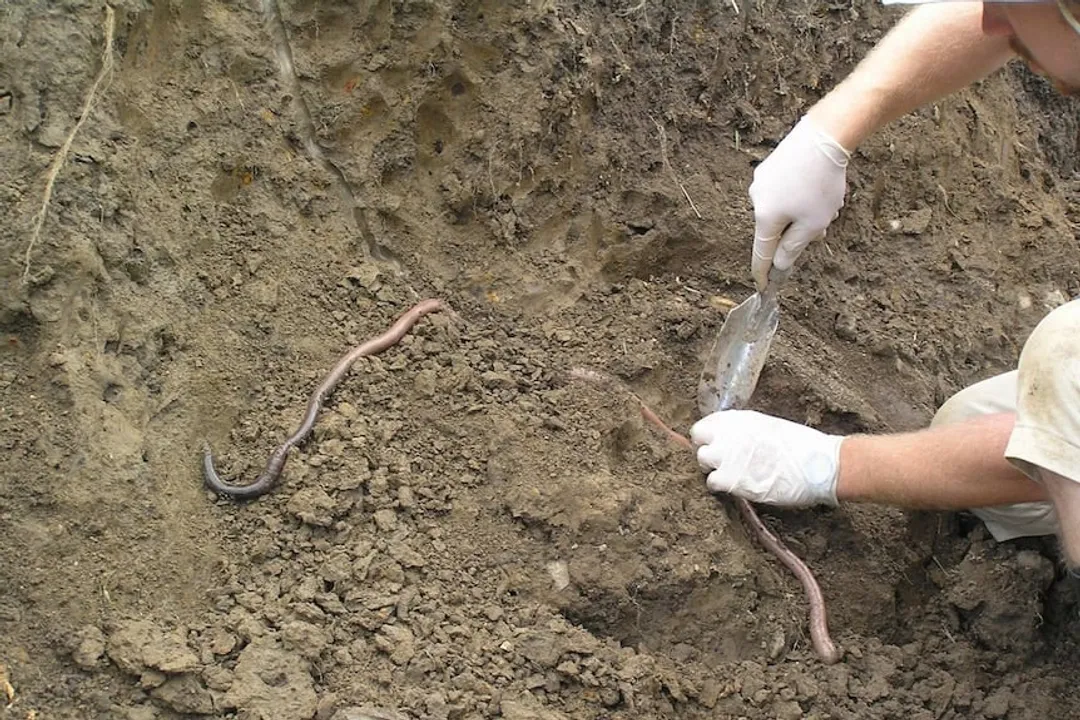
An earthworm’s body is segmented, typically comprising about one hundred tiny rings. [4][5] These segments are not mere divisions but are controlled by sets of muscles that contract and relax, allowing the worm to stretch and move through soil, often aided by tiny bristles called setae that grip the surface. [3][5][6] They are entirely legless, relying on this muscular system for locomotion. [3][6]
While lacking eyes in the conventional sense, worms possess specialized receptors beneath their skin that can detect the difference between light and dark. [1][2][3] This light sensitivity is vital; worms actively avoid the surface when the sun is out, as prolonged exposure to light—sometimes cited as about an hour—can cause them to become paralyzed and eventually die. [1][2][4] This photophobia is directly linked to their need to breathe. [3]
Respiration in earthworms is surface-level; they have no lungs and absorb oxygen through their moist skin via diffusion. [1][4][7] To facilitate this exchange and prevent fatal dehydration, they secrete a thin layer of mucus. [1][4][5] This mucus is a double-duty secretion, containing nitrogen which benefits plant life, and it also has the property of causing soil particles to clump together, forming desirable structures known as aggregates. [2][6]
When it comes to circulation, worms possess a sophisticated system for such a simple-looking creature. They have five pairs of heart-like structures, referred to as aortic arches, which pump blood throughout their bodies. [3][5][6] As cold-blooded animals, their body temperature mirrors that of their surroundings. [1][3]
The eating process is equally unique, as they possess no teeth. [3][7] Instead, they use a strong, muscular mouth, sometimes extending a sensitive patch of flesh called the prostomium at the front end to locate suitable food particles. [1] Food is taken in, coated with saliva, and passes through the pharynx (throat) into the crop, before being crushed and ground in the gizzard (their stomach). [7][9] Finally, the material moves to the intestine for nutrient absorption, with the remainder expelled as castings. [9]
# Life Cycle and Mating
A striking feature of the earthworm is its reproductive biology: they are hermaphrodites, meaning each individual possesses both male and female reproductive organs. [1][2][3] Despite this self-sufficiency in terms of organs, mating typically requires two worms to exchange sperm before fertilization can occur. [4][8]
After mating, a distinct, swollen band near the head of the mature worm, known as the clitellum, secretes an egg capsule. [4][8][9] This capsule, which can look like a tiny lemon or an unpopped popcorn kernel, is where fertilization takes place as the capsule slides off the worm’s body. [4][8] Once the capsule seals, the next generation develops internally. [1] Depending on the species, two to seven baby worms, averaging around three, will hatch from this single cocoon, a process that can take anywhere from three weeks to over two months. [4][8][9]
This dedication to survival is further evidenced by their remarkable regenerative abilities. If an earthworm is cut, the half containing the head, provided the damage is not too severe or located past vital organs, can regenerate lost tail segments. [1][4][6][7] However, the popular notion that cutting a worm in half results in two living worms is largely a myth; the tail section, lacking the necessary organs, generally perishes. [4][5][6][7]
# Ecological Impact

The contribution of earthworms to the planet’s history and present health is immense. Charles Darwin famously dedicated thirty-nine years to studying them, eventually labeling them as “nature’s ploughs” due to their unparalleled soil cultivation abilities. [2][6][8] It has been suggested that the entire top layer of rich soil on Earth owes its existence largely to the persistent, slow work of earthworms. [8]
Their ecological service can be quantified by their intake. While they consume only organic matter—ideally raw fruits and vegetables—and must avoid items like meat, oil, and dairy which decompose too slowly for their system, [1] their daily processing power is significant. [1] Some species can consume their entire body weight in a single day. [1][2] Taking the Eisenia fetida as a prime example, they may process between 25% and 35% of their weight daily. [9] Furthermore, in good quality farmland, one acre can host up to 1.75 million individuals, potentially meaning the total weight of the worm population underground could surpass the weight of the livestock grazing above it. [3][8] As they tunnel, they force air into the soil, essentially creating natural aeration systems while simultaneously enriching the earth with their castings. [2][8]
For those looking to manage this workforce, understanding species preference is key. Not all worms are suited for decomposition bins; only epigeic species are ideal for vermicomposting. [7] The two most common choices globally for this work are the Red Wiggler (Eisenia fetida) and the European Night Crawler (Lumbricus terrestris). [1][7] To start a successful household bin, it is generally recommended to purchase about 1,000 worms, weighing roughly one pound, for an initial investment that can approach fifty U.S. dollars from a dedicated grower. [7] To keep this population thriving and reproducing quickly, the environment must remain moist and within a specific temperature range, often between 59 and 77 degrees Fahrenheit for Red Wigglers. [7]
# Survival and Environment
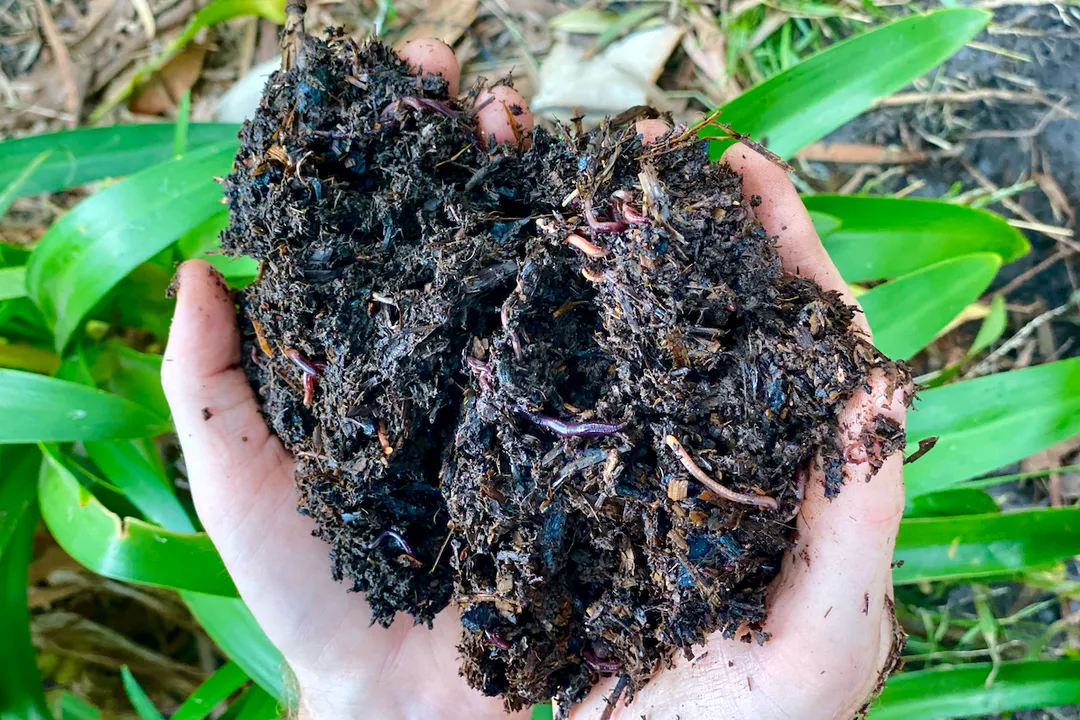
Earthworms are ancient residents of this planet; fossil evidence suggests worm-like creatures existed over half a billion years ago, predating the dinosaurs. [3][8] While they are found globally, they are absent from Antarctica, inhabiting a vast range of moist, organic-rich environments from riverbanks to forests. [3][8] They are adaptable enough to be found deep underground, with some specimens discovered two miles beneath the surface where temperatures can reach F. [8]
Their need for moisture is non-negotiable, as it is essential for breathing. [2][4] After heavy rains, worms frequently surface, not because they enjoy the wet, but because the saturated soil prevents vital gas diffusion across their skin, forcing them to risk exposure to predators to avoid suffocation. [8] This sensitivity dictates their behavior; they are most active when it is dark and damp. [3]
Conversely, conditions that cause stress lead to escape behavior. If a bin is fed unsuitable materials—such as too much nitrogen-heavy grass clippings, overly acidic fruit scraps like citrus or pineapple, or chemically bleached paper—the worms may attempt to leave their confinement. [1] This desire to relocate is a direct reaction to environmental imbalance, a survival mechanism triggered by poor food choices or excessive disturbance. [1]
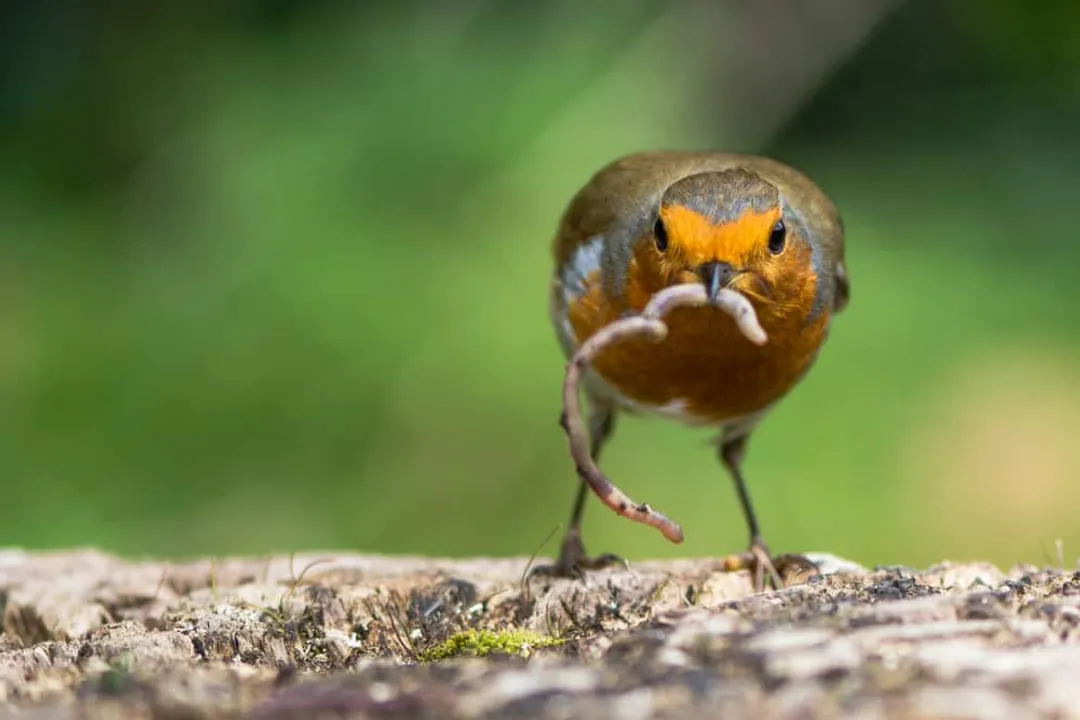
Considering their massive numbers in healthy soil, one might overlook the fact that worms are a fundamental food source for a huge array of other creatures. [4][8] Birds, snakes, moles, hedgehogs, and various mammals all rely on earthworms as a staple in their diets. [8] For instance, a single American Robin may consume an astonishing fourteen feet of earthworms in just one day. [4] It is worth noting that birds locate them by sensing movement; once a worm dries out and stops wriggling, it ceases to register as potential food, which is often why desiccated worms are seen abandoned on sidewalks after a dry spell. [4]
# Deeper Divisions
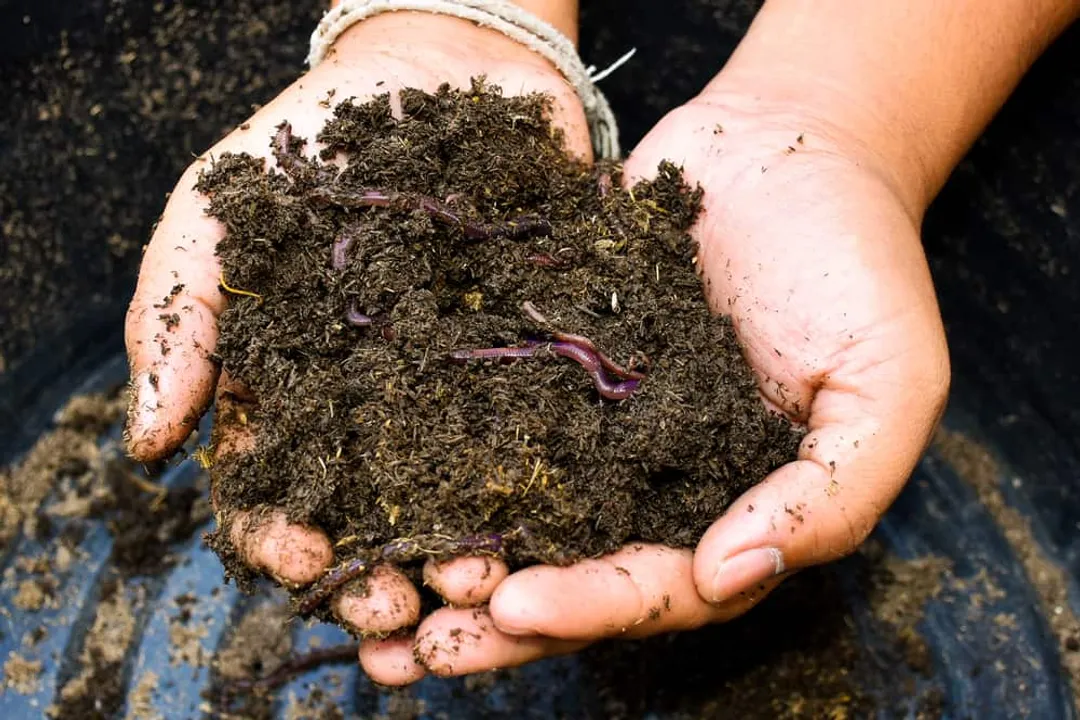
While the term "worm" is broad, it is important to distinguish between the general study and the specific application in waste management. The dedicated study of worms and their properties, particularly regarding composting, is the domain of the vermiculturist. [3] This field branches into two primary practices: vermiculture focuses on the breeding of worms, where the resulting castings might be treated as a secondary product or waste, while vermicomposting is the deliberate process of converting organic debris into high-quality vermicompost, making the castings the primary, valuable output. [7]
If you are setting up a garden space, observing the local worm population can give you a quick reading on your soil quality. A region with only 250,000 worms per acre likely has poorer soil quality compared to farmland supporting closer to 1.75 million individuals. [8] Imagine adding a pound of Eisenia fetida to your compost bin, which is about 1,000 worms. [7] If these worms consume roughly their own weight daily, a colony of one million worms processes one metric ton of organic material annually. [1][2] This continuous grinding and processing, including ingesting tiny rocks which they break down into a fine paste, means that every handful of healthy topsoil is a finely tuned, biologically active medium created by these creatures over time. [8] For the home gardener, ensuring a steady supply of both moisture and food, avoiding the imbalance that causes mass escape, is the simplest way to foster this powerful natural system right in your backyard or bin. [1]
#Videos
Earthworm Facts For Kids - All About Worms - YouTube
Related Questions
#Citations
Worm Facts | The Adventures of Herman the Worm | U of I Extension
How Long They Live & Other Fun Facts - Uncle Jim's Worm Farm
Fun facts about worms - Kitchen Garden Foundation
Earthworm Facts For Kids - All About Worms - YouTube
10 Fast Facts About Earthworms - Kristin Moon Science
Fun facts & books about worms to keep you wiggling!
Do Worms Have Eyes? And Other Worm Facts - Woodland Trust
Wormy FACTS and Interesting Tidbits | NC State Extension
Today I found out….. 10 Very Interesting Worm Facts