What are the physical features of a tree frog?
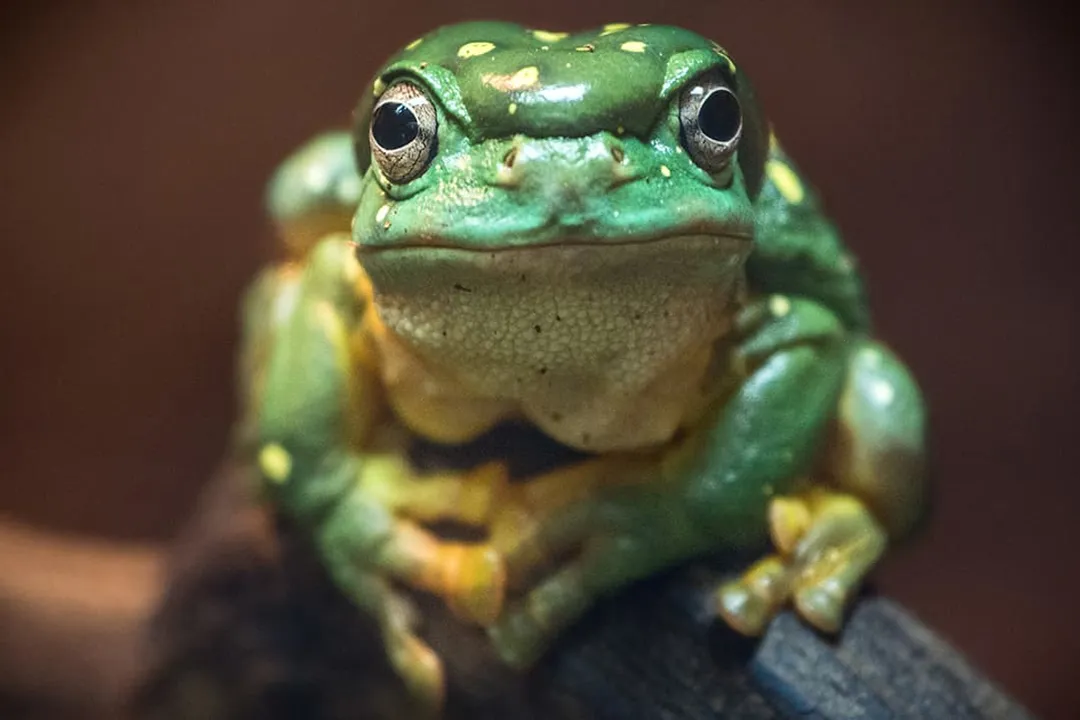
The physical characteristics that define tree frogs set them apart from their ground-dwelling cousins, marking them as specialized climbers adapted to life above the forest floor. While the term "tree frog" encompasses a vast array of species inhabiting diverse environments, certain features are almost universally present, primarily relating to locomotion and camouflage. [1] These small to medium-sized amphibians have evolved unique anatomy to thrive in arboreal settings.
# Skin Texture
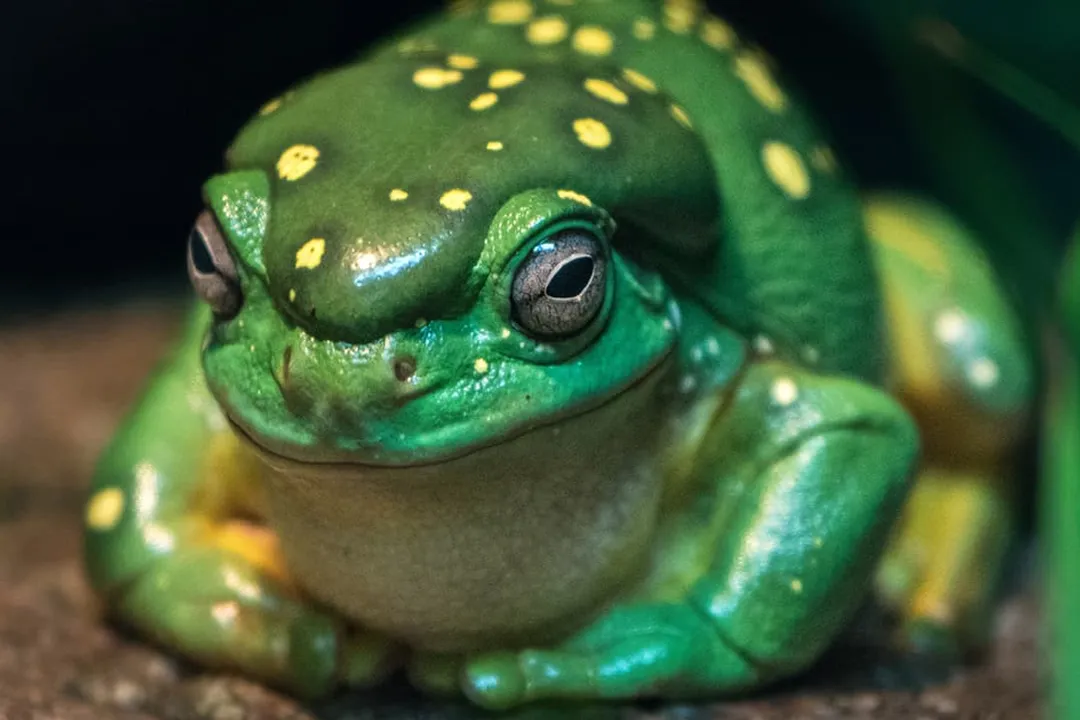
The texture of a tree frog’s skin is highly variable depending on the specific species, a point worth noting when comparing different types found across regions. [1] Many species are characterized by smooth skin, aiding in moisture retention and respiration. [9] However, some might possess a slightly warty texture or be covered in small bumps. [1][9] This difference in surface texture can sometimes be a key identifier between similar-looking species inhabiting the same general area. For instance, the Pine Woods Treefrog (Hyla femoralis) is noted for its smooth skin punctuated by small warts. [9] Generally, their skin is permeable, allowing them to absorb water, which necessitates keeping moist environments close at hand. [1]
# Color Variation

Perhaps the most striking feature, yet often the most misleading, is coloration. While many people immediately picture a vibrant, leaf-green amphibian, tree frogs exhibit a remarkable spectrum of hues, including brown, gray, or even yellowish tones. [1] This color flexibility serves a crucial purpose: blending into the varied backgrounds of their habitat, which might range from bright foliage to bark or stone. [1] Some species retain a relatively fixed base color, such as the Arizona Treefrog which tends toward grayish-green to brown. [6] Other species possess a more dynamic, though limited, ability to slightly shift their tint to better match their immediate surroundings. [1]
Consider the Canyon Treefrog (Hyla arenicolor); its appearance is typically a mottled gray and brown pattern. [7] This specific coloration allows it to vanish against the rough texture of rock faces and canyon walls, which form its preferred resting surface. [7] This contrasts sharply with the American Green Tree Frog, whose typical bright green often complements the broad leaves it favors. [2]
# Size Range
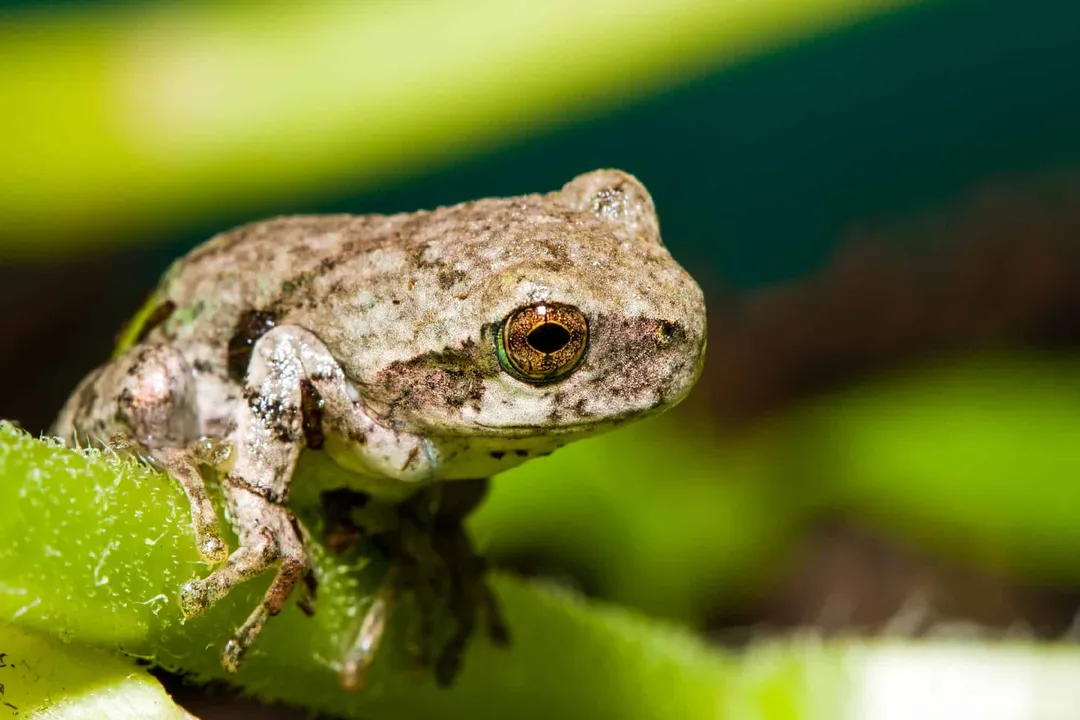
Tree frogs vary significantly in overall size, which can be a telling feature when attempting species identification. They generally fall into the small to medium category compared to larger terrestrial frogs.
Specific measurements illustrate this range:
- The American Green Tree Frog generally measures between 1.25 to 2.25 inches long. [2]
- The Arizona Treefrog is comparatively small, typically ranging from about 1.25 to 2 inches. [6]
- The Canyon Treefrog can reach up to 2.25 inches. [7]
- In contrast, the Magnificent Tree Frog (or Splendid Tree Frog) is one of the larger varieties, sometimes reaching 3 inches (7.6 cm) in length. [5]
It’s important to remember that these measurements often represent the maximum adult size, and variation exists even within a single species based on local conditions or sex. [2] If you encounter a very large specimen, it may fall into one of the larger categories, such as the Magnificent Tree Frog, rather than the smaller, more common varieties. [5]
# Foot Anatomy
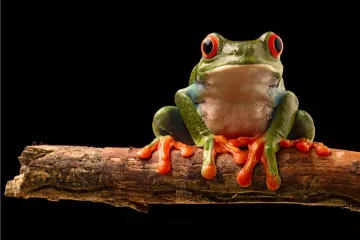
The definitive physical characteristic separating true tree frogs from many other anurans is their specialized feet. [1][4] They possess distinct, round toe pads or discs at the tips of their digits. [1][4] These pads are not merely sticky by chance; they are complex structures featuring microscopic ridges and grooves that create strong adhesion through a combination of surface tension and viscous fluid secretion. [1][4] This adaptation is paramount, allowing them to grip smooth, vertical surfaces like glossy leaves, glass, or tree bark without slipping. [1][4] The long, slender legs they possess complement this feature, providing the necessary spring for powerful leaps between branches.
Understanding the reliance on these pads offers an insight into microhabitat selection; a frog species with less developed pads might be restricted to rougher bark or lower vegetation, whereas one with very pronounced pads can access the slicker, upper canopy of trees. [1]

# Head and Sensory Features
Tree frogs typically have a relatively slender body shape compared to stockier ground dwellers. Their heads are generally streamlined, supporting large, prominent eyes. These eyes are crucial for navigation and hunting in often dimly lit forest environments. [1] The iris color can be quite striking in some species; for example, some tree frogs exhibit golden or bronze irises, which can be a useful field mark. [1]
Specific markings often help differentiate species, especially when the primary body color is similar across several types:
- The Green Treefrog often displays a white stripe running along its upper lip. [3]
- The American Green Tree Frog shares this white upper lip stripe but frequently shows yellow or white streaks or spots scattered across its back. [2]
- The Magnificent/Splendid Tree Frog is frequently noted for having a dark band extending from its snout back toward its shoulder, contrasting with its gray or greenish-gray body. [5]
- In contrast, the Arizona Treefrog often presents with a dark stripe passing right through its eye. [6]
These subtle stripe patterns, often positioned near the head and eyes, are evolutionary markers that allow for precise species recognition, even when the overall skin tone is ambiguous due to lighting or recent color change. [2][6] If you notice a prominent dark line bisecting the eye area, you might be looking at an Arizona Treefrog, whereas a stripe originating at the mouth might point toward a different genus. [3][6]
# Locomotion and Body Plan
While the toe pads handle the vertical ascent and clinging, the overall body plan is geared toward powerful horizontal movement when necessary. Tree frogs are known for their capacity to leap significant distances relative to their body size. Their hind legs are muscular and long, providing the explosive power required to clear gaps between branches or escape a sudden threat. [1] This combination of strong legs for jumping and specialized feet for gripping allows them to inhabit a three-dimensional world that ground frogs cannot fully access.
Related Questions
#Citations
Tree Frogs | National Wildlife Federation
American green tree frog - Wikipedia
Green Treefrog | Oklahoma Department of Wildlife Conservation
Wonders of Wildlife: Green Tree Frog
Magnificent Tree Frog - Los Angeles Zoo and Botanical Gardens
Arizona Treefrog - Arizona Game & Fish Department
It's a canyon tree frog (Hyla arenicolor)! Canyon tree ... - Facebook
Tree Frog - A-Z Animals
Hyla femoralis (Pine Woods Treefrog) - Animal Diversity Web