Wombat Locations
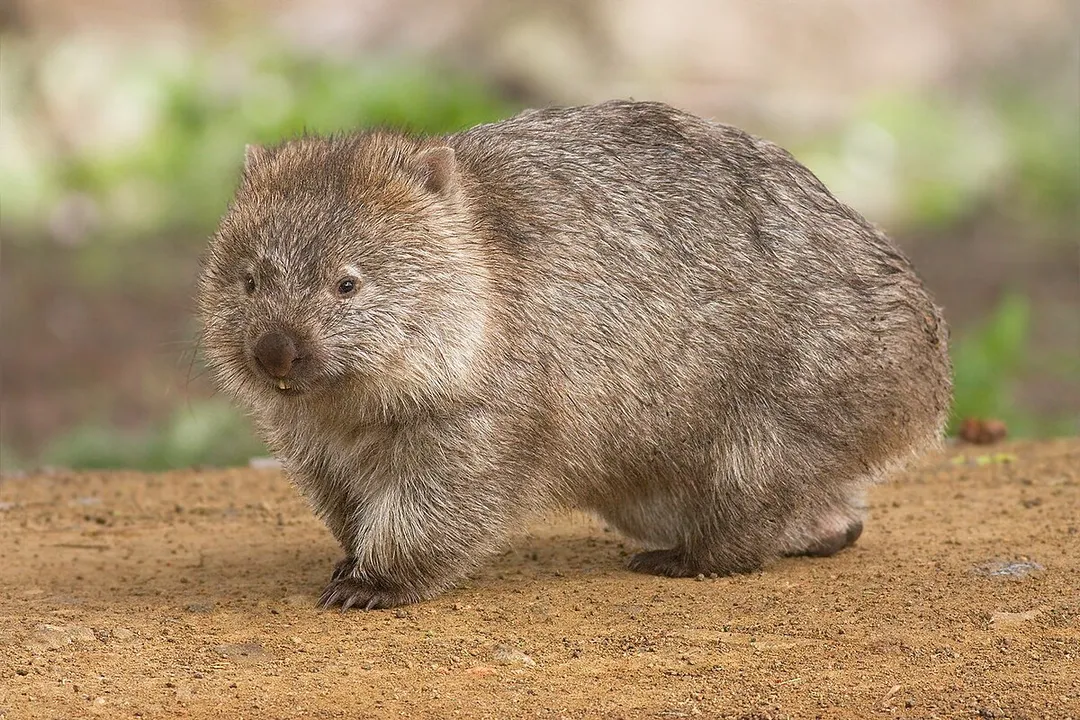
Wombats, those famously sturdy, burrowing marsupials, have a geographic range quite specific to their four recognized species, all native to Australia. [1][5][6] Pinpointing where you might find one requires understanding which type of wombat you are looking for, as their habitat preferences divide them across various landscapes, from the cool forests of the south to the drier shrublands of the mainland. [1]
# Four Species
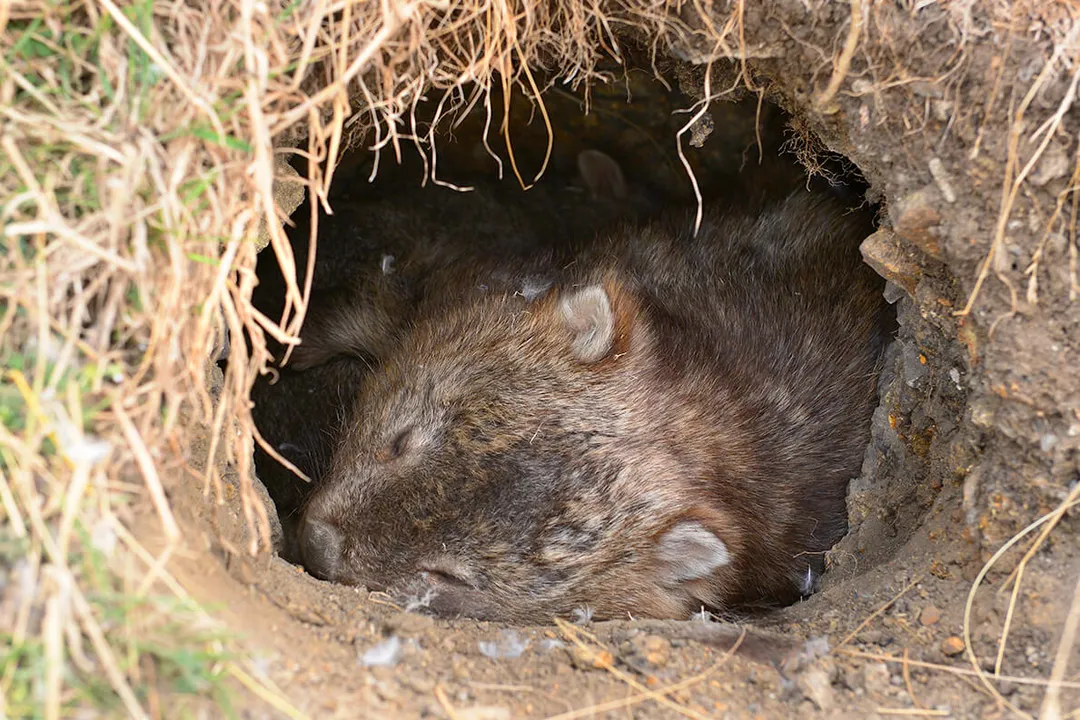
There are four distinct species of wombat, categorized generally into two groups: the bare-nosed wombats and the hairy-nosed wombats. [1] The most widely known and geographically widespread is the Common Wombat, sometimes referred to as the Bare-nosed Wombat (Vombatus ursinus). [1] This species is often the one people picture, known for its relatively broader distribution compared to its cousins. [4]
The other three species belong to the Lasiorhinus genus, characterized by their distinctive hairy noses: the Southern Hairy-nosed Wombat (Lasiorhinus latifrons), the Northern Hairy-nosed Wombat (Lasiorhinus barnardi), and the Queensland Hairy-nosed Wombat, which some experts consider to be the same species as the Northern. [1] The conservation status of these hairy-nosed variants is significantly more precarious than that of the Common Wombat. [4]
# Common Range
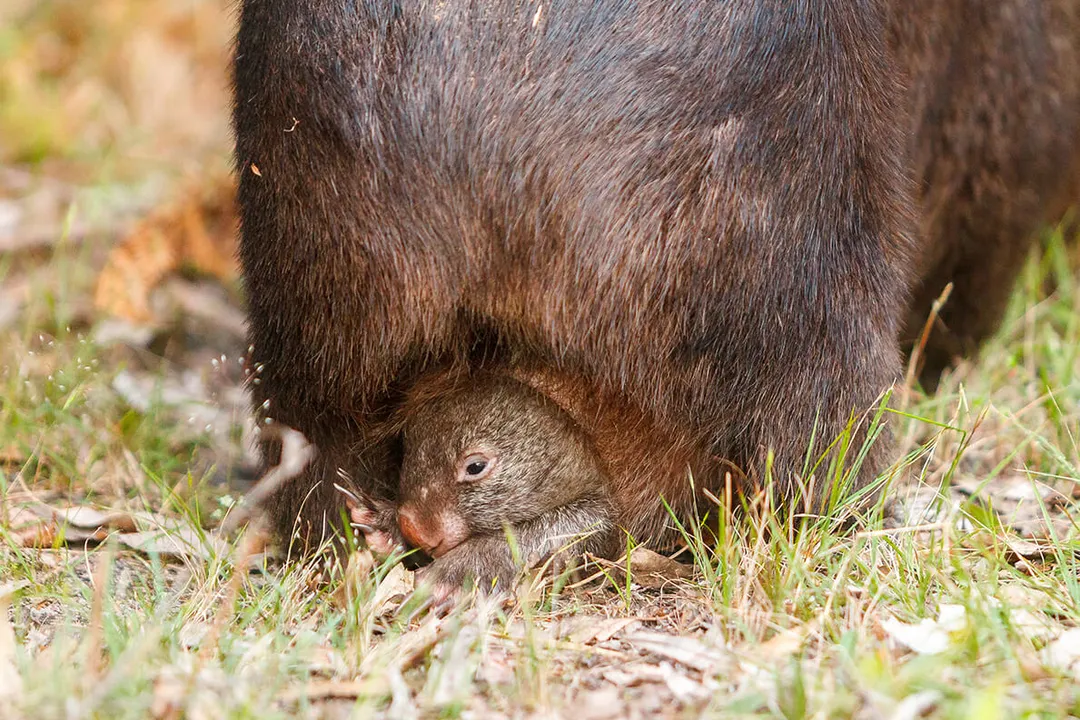
The Common Wombat's distribution covers southeastern Australia, extending its reach to the island state of Tasmania. [1][4] Within mainland Australia, they can be found inhabiting areas where there is sufficient cover and suitable ground for their extensive burrow systems. [10] Their preferred environments include forests, heathlands, and rugged mountainous regions. [1][6] If you are looking for this species, areas along the Great Dividing Range are often good starting points, provided the soil depth allows for their characteristic underground homes. [4]
While their range is broader, it is important to remember that their presence relies heavily on specific environmental factors. A tourist visiting a coastal area might see one, but an area lacking deep, workable soil, even if otherwise vegetated, will not support a stable wombat colony. [1] This dependence on geotechnical features, like the ability to excavate deep, stable tunnels that can be several meters long, is a critical factor limiting where they settle, regardless of latitude. [10]
# Hairy Noses
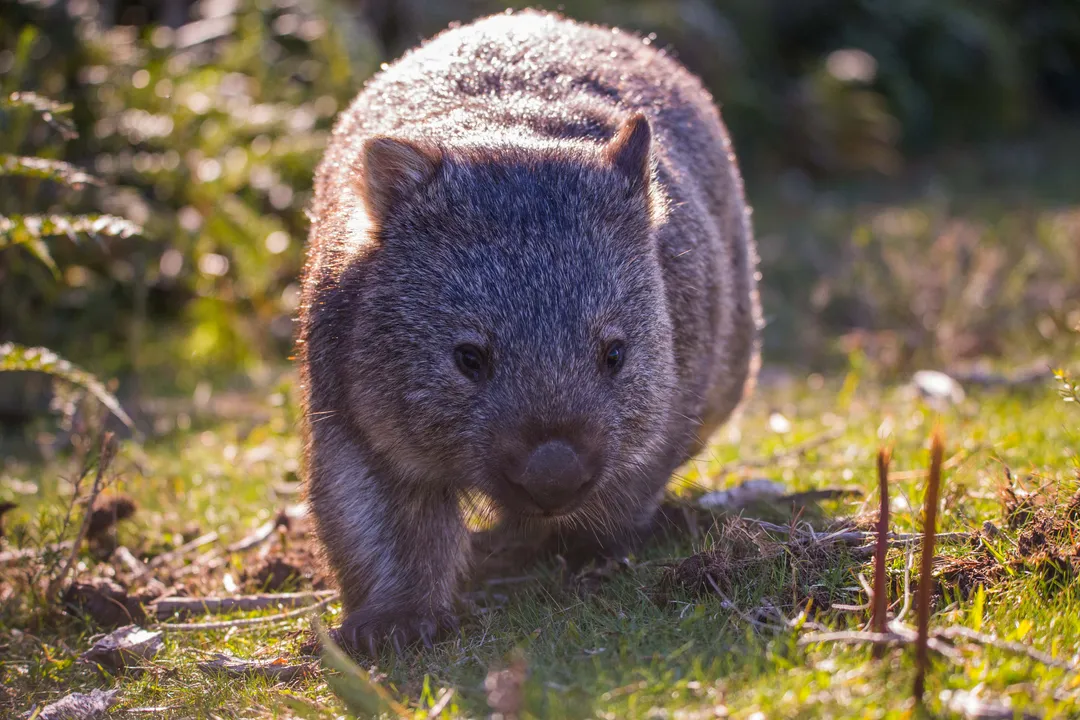
The hairy-nosed wombats occupy more fragmented and specialized territories, making their locations more restricted, particularly for the Northern species. [1][4]
# Southern Distribution
The Southern Hairy-nosed Wombat (Lasiorhinus latifrons) maintains a presence in the southern and southeastern edges of South Australia, extending into Victoria and a small portion of southwestern New South Wales. [1][4] Unlike the Common Wombat, which favors forests, the Southern Hairy-nosed variety tends to thrive in drier habitats, such as mallee shrublands and woodlands. [1] A prime example of where dedicated conservation efforts focus on this species is the Naracoorte Caves National Park, which protects significant populations. [1] When planning a trip to see these wombats, look toward these drier, more open scrub environments, as they contrast sharply with the wetter forest habitats of the Common Wombat. [1]
# Northern Scarcity
The Northern Hairy-nosed Wombat presents a far more challenging location puzzle due to its critically endangered status. [1][4] Today, the entire remaining wild population is confined to two small, heavily protected areas within Queensland. [1] These specific refuges are Epping Forest National Park and the Richard Underwood Nature Refuge. [1][4] For the general public, sightings are exceptionally rare and reliant on guided, official access to these protected zones, unlike the Common Wombat which might be encountered more frequently near human settlements in suitable habitats. [5] The severe contraction of the Northern species' range highlights a stark difference in conservation success across the genus. [1]
# Spotting Opportunities
While general location data points to states and habitat types, actually seeing a wombat requires looking in the right places at the right times. [5] Tasmania, parts of Victoria, New South Wales, and South Australia all hold populations where sightings are possible, especially within their extensive network of national parks. [5]
When attempting to locate them in the wild, remember their habits. Wombats are primarily nocturnal. [6] Therefore, late evening or very early morning hours increase the chances of observing them as they forage for grasses and roots. [1] During the day, they are almost certainly underground in their burrows. [10] A good heuristic for a successful spotting attempt is to identify areas of suitable habitat—deep, easily excavated soil near open grassy feeding grounds—and then stake out near those areas discreetly around twilight.
It can be useful to look for signs of their presence, such as characteristic cube-shaped scat, which serves as a territorial marker. [10] Finding these markers indicates active use of the area, even if the animal itself remains hidden during daylight hours. Considering that Common Wombats often occupy established burrow networks for years, a known signposted area often means repeated future sightings are likely if the habitat remains undisturbed. [1] This habit of utilizing permanent, complex burrows means that habitat destruction is disproportionately damaging; losing one suitable patch can displace generations of wombats, as they do not easily relocate to suboptimal, nearby areas. [10]
# Habitat Requirements
To summarize the geographical distribution, one must always return to the fundamental needs of the wombat: soil and food. [1] All species dig sophisticated burrows, which serve as temperature regulators and protection from predators. [10] However, the specific soil composition and food availability dictate which of the four species a location will host. [1]
| Species Group | Typical Habitat | Key Geographic Areas | Conservation Status Note |
|---|---|---|---|
| Common (V. ursinus) | Forests, heathlands, mountains [1][6] | Southeastern Australia, Tasmania [1][4] | Generally stable, widespread [1] |
| Southern Hairy-nosed (L. latifrons) | Drier mallee shrubland, woodlands [1] | SA, Southern VIC, SW NSW [1][4] | More localized than Common [1] |
| Northern Hairy-nosed (L. barnardi) | Protected grassland/woodland [1] | Epping Forest NP, QLD refuges [1][4] | Critically endangered [1] |
Understanding these ecological distinctions means that simply knowing "Australia" is too broad; a visitor to the arid center will not find any wombat species, as the environment lacks the necessary vegetation and soil structure for their survival. [1] Conversely, a national park in Tasmania known for its temperate rainforest might host dozens of Common Wombats, but none of the hairy-nosed varieties. [4] These location patterns are intrinsically tied to the specific niche each species has evolved to fill within the Australian ecosystem. [1]
Related Questions
#Citations
Wombat - Wikipedia
Wombats (Facts & Photos) - Bush Heritage Australia
Mapping Wombats - WomSAT
Wombat Distribution Map - Wombania
Where to See Wombats in Australia - The Middle Age Wanderer
What in the World is a Wombat?
10 facts about wombats! - National Geographic Kids
Facts, Habitat and Conservation Efforts | Wombat | WWF Australia
Wombat | San Diego Zoo Animals & Plants
Living with wombats | Native animals - Environment and Heritage