Wolverine Scientific Classification
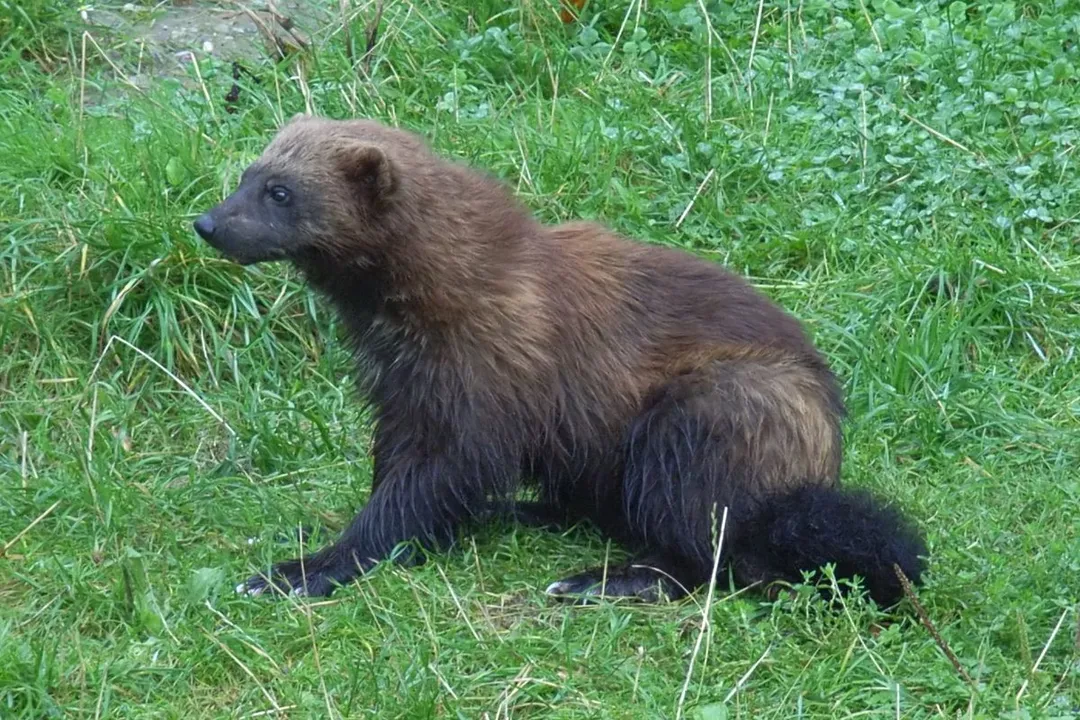
The precise placement of the wolverine within the tree of life reveals much about its unique biology and formidable reputation, starting from the broadest classifications down to its specific binomial nomenclature. To understand where this tenacious mammal fits, we must look at the established scientific hierarchy, which begins with Kingdom Animalia. [1][5] As an animal, it is heterotrophic, multicellular, and possesses specialized sensory organs. [5]
# Phylum Chordata
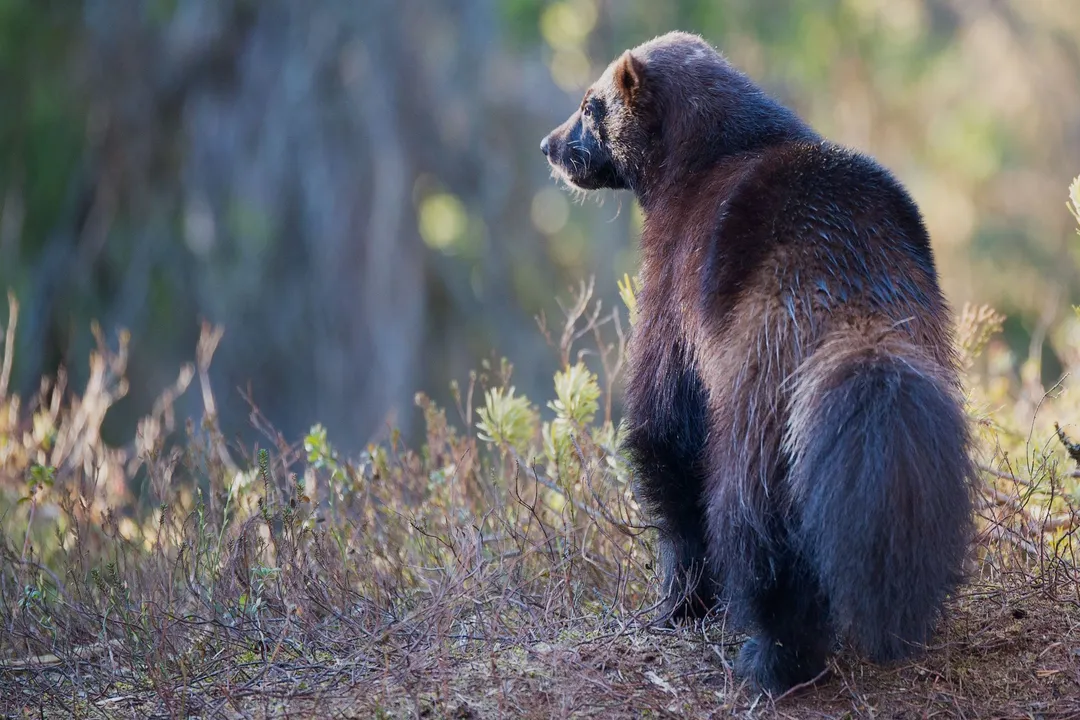
Moving down one level, the wolverine belongs to the Phylum Chordata. [1][5] This places it among all vertebrates and a few related invertebrates, characterized by having, at some stage in their life cycle, a notochord, a dorsal hollow nerve cord, pharyngeal slits, and a post-anal tail. [5] Since the wolverine is clearly a mammal, it meets all these criteria during its development.
# Class Mammalia
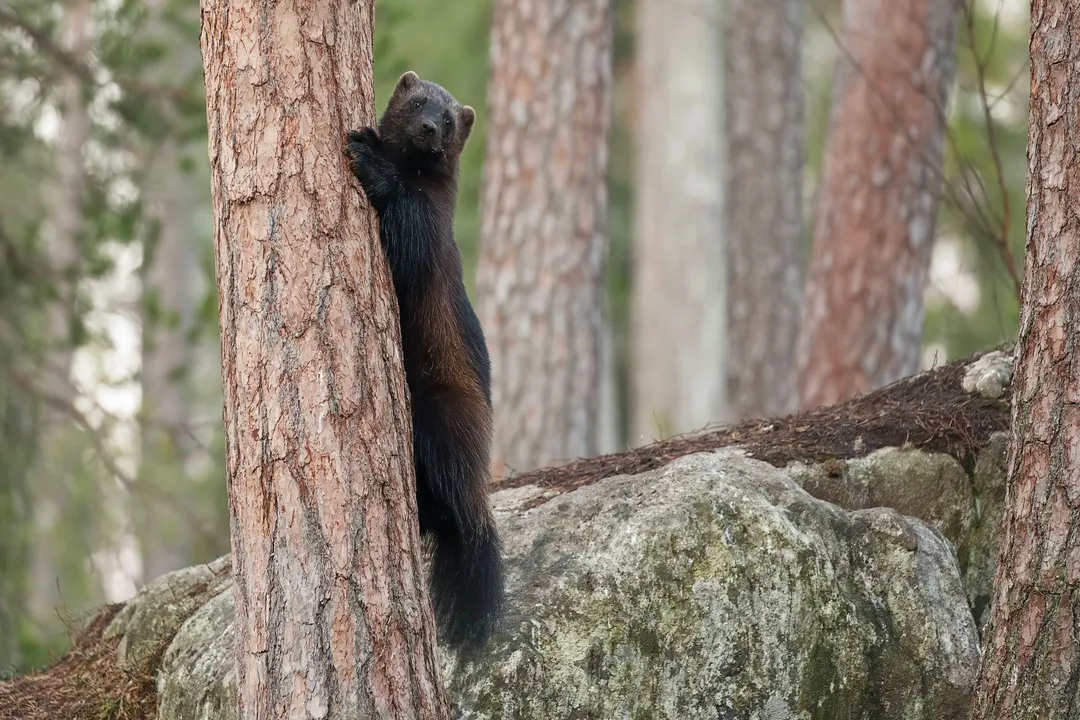
The next step up defines its warm-blooded, fur-bearing nature: Class Mammalia. [1][5] Membership here means the wolverine nurses its young with milk produced by mammary glands, possesses hair or fur, and has three middle ear bones—features that immediately separate it from reptiles or birds. [5] This class membership is crucial for understanding its adaptation to cold, harsh environments across its northern range.
# Order Carnivora
The wolverine is firmly situated in the Order Carnivora. [1][5][6] This designation speaks directly to its diet and dentition, indicating that its primary evolutionary adaptations center around hunting, scavenging, and consuming meat. [6] Members of this order, which also includes dogs, bears, cats, and seals, share adaptations like specialized teeth (carnassials) for shearing flesh, though the degree of carnivory varies widely within the group. [6]
# Family Mustelidae
The family level is where the wolverine begins to share a closer kinship with more familiar, though often smaller, predators: Family Mustelidae. [1][4][5][6][8][9] This is the weasel family, a diverse group that includes river otters, badgers, ferrets, polecats, and martens. [4][8] Despite its intimidating reputation, the wolverine is classified alongside these relatives, which often share characteristics like long, slender bodies and strong musk glands, although the wolverine's bulk makes it an outlier within this context. [6] The classification as a mustelid highlights shared ancestry despite significant differences in size and habitat preference compared to, say, the slender Mustela genus. [8]
# Genus Classification
The wolverine occupies the Genus Gulo. [1][5][6] This is a fascinating point of classification because the genus Gulo is monotypic; it contains only one living species, Gulo gulo. [1][4][8] This singular status suggests that the wolverine’s evolutionary path diverged significantly enough from its mustelid cousins to warrant its own genus grouping. [8] It is often noted that the genus name Gulo itself derives from the Latin word meaning "glutton" or "greedy eater". [1][4][8] This nomenclature is remarkably apt, capturing the animal’s renowned voracious appetite and relentless foraging habits, a trait that perhaps sets it apart behaviorally even from close relatives within the Mustelidae. [8]
# Species Designation
The formal scientific name for the wolverine is Gulo gulo. [1][5][6] This binomial nomenclature—Genus followed by species—provides the most specific identification. The repetition of the root name in the species epithet reinforces its unique position. The species Gulo gulo is commonly referred to as the Holarctic wolverine, reflecting its historical distribution across the northern circumpolar regions of North America, Europe, and Asia. [1]
# North American Subspecies
Within the species Gulo gulo, distinct subspecies have been recognized based on geography and morphology. [2] The population found in North America is specifically classified as the subspecies Gulo gulo luscus. [2][5] This recognition is particularly important for conservation efforts focused on the contiguous United States and Canada, separating the population subject to local management from its Eurasian counterparts. [2] The distinction between G. g. luscus and the Holarctic designation illustrates how taxonomy helps scientists track regional adaptation; while all wolverines share the core Gulo gulo characteristics, the luscus group has adapted to the specific ecological pressures of the North American boreal and alpine zones. [2]
| Taxonomic Rank | Classification | Defining Characteristic Summary |
|---|---|---|
| Kingdom | Animalia | Multicellular, motile, heterotrophic |
| Phylum | Chordata | Presence of a notochord (vertebrate) |
| Class | Mammalia | Fur-covered, suckle young, warm-blooded |
| Order | Carnivora | Primarily meat-eaters with shearing teeth |
| Family | Mustelidae | Related to weasels, badgers, and otters |
| Genus | Gulo | Monotypic genus; namesake means "glutton" |
| Species | Gulo gulo | The Holarctic wolverine species |
| Subspecies | G. g. luscus | The North American population |
| [1][2][4][5][6][8] |
# Understanding Taxonomic Weight
When reviewing this classification, it is interesting to note the weight given to the Gulo genus. In many large families like Mustelidae, a single genus might contain dozens of species (e.g., Mustela). The fact that Gulo stands alone suggests that the wolverine’s suite of traits—its immense size relative to other weasel-family members, its extreme adaptation to cold, and its unique ecological role as a tundra scavenger/predator—created an evolutionary gap significant enough for taxonomists to place it in a genus all its own, rather than lumping it in with martens or badgers. [8] This classification signals a deep, ancient separation from those groups, even if superficial physical traits (like a musky scent) link it back to the Mustelidae family. [4]
If you look at the primary range of the Gulo gulo luscus subspecies, it historically covers vast tracts of cold, snow-covered terrain across North America. [2] One useful metric for tracking the G. g. luscus population's health, which is indirectly informed by its classification within North American ecosystems, is tracking the average winter snowpack duration in their known territories. Because wolverines rely on deep, persistent snowdrifts for maternity dens, a measurable decrease in the number of consecutive days meeting a specific snow depth threshold (say, 1.5 meters for over 60 days) across the identified range of G. g. luscus serves as a powerful, though indirect, indicator of habitat stability—a direct consequence of their specialized environmental niche inferred from their classification as cold-adapted Holarctic specialists. [2]
# Evolutionary Context and Relatedness
The placement within Carnivora means the wolverine shares a common ancestor with both the dog-like Caniformia suborder and the cat-like Feliformia suborder, though it falls within the Caniformia branch. [6] Within Caniformia, the Mustelidae family is grouped alongside bears (Ursidae), raccoons (Procyonidae), and seals (Pinnipedia). [6] This relationship, while distant, shows that the wolverine’s ancestry is rooted in the same ancient mammalian lineage that spread across the globe and diversified into the major predatory groups we recognize today. [6]
What separates the wolverine most clearly from its immediate family members, the Mustelids, is not just its size—it is the largest terrestrial mustelid [6]—but its sheer physical hardiness and dependency on specialized ecosystems. While an otter (Lutra) is perfectly adapted for an aquatic life, and a badger (Meles) for digging, the wolverine evolved into a generalist predator/scavenger uniquely suited for persistent cold, allowing it to thrive where others might struggle, a trait solidified by its unique genus designation Gulo. [8] The scientific classification, therefore, is not just a labeling system; it is a condensed evolutionary history that explains why the animal looks and acts the way it does relative to its kin.
Related Questions
#Citations
Wolverine - Wikipedia
North American Wolverine (Gulo gulo luscus) | U.S. Fish & Wildlife ...
Wolverine Species Profile, Alaska Department of Fish and Game
Wolverine Fact Sheet | Blog | Nature | PBS
Gulo gulo - NatureServe Explorer
Gulo gulo - USDA Forest Service
Kid's Page Definitions - The Wolverine Foundation
Gulo gulo (wolverine) | INFORMATION - Animal Diversity Web
(species) gulo gulo - WY Field Guide
Gulo gulo Wolverine - Species Summary