Wolverine Facts
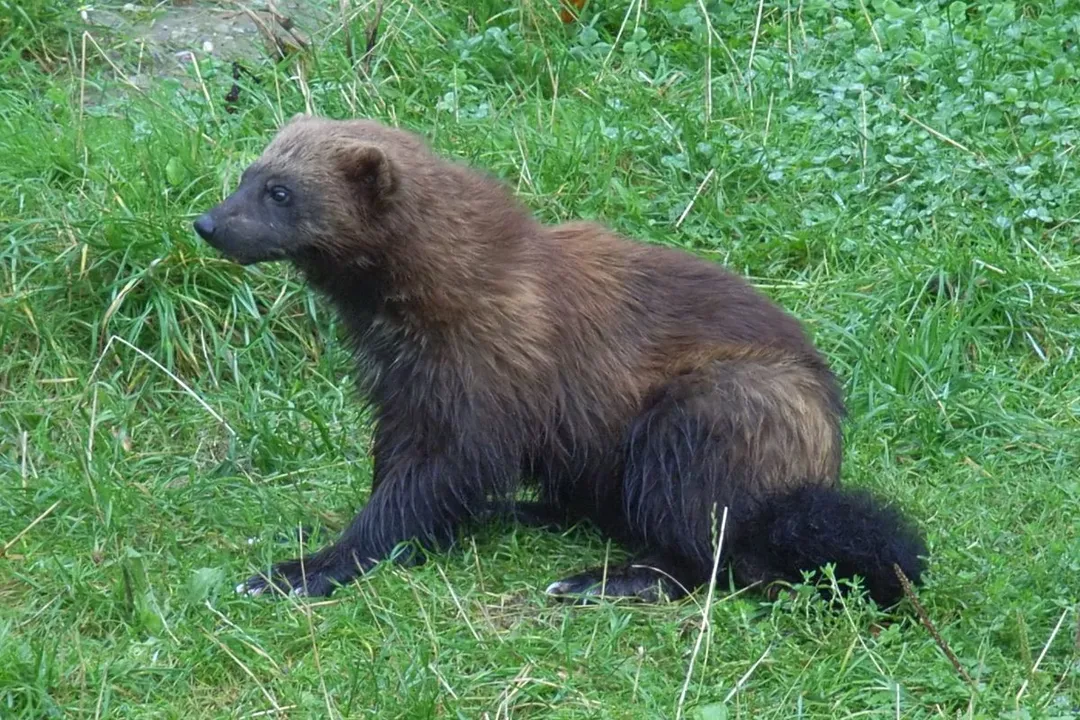
The animal often nicknamed "skunk bear" due to its stout build and dark appearance is anything but a gentle giant. The wolverine, scientifically known as Gulo gulo, commands respect across the subarctic and boreal regions it inhabits, possessing a reputation for ferocity that far outstrips its relatively modest size. Despite its bear-like moniker, this creature belongs firmly in the weasel family, Mustelidae, making it a relative of creatures like the otter, mink, and fisher. Understanding the wolverine requires looking past its intimidating presence to appreciate the specific adaptations that allow it to thrive in some of the harshest environments on Earth.
# Weasel Relation
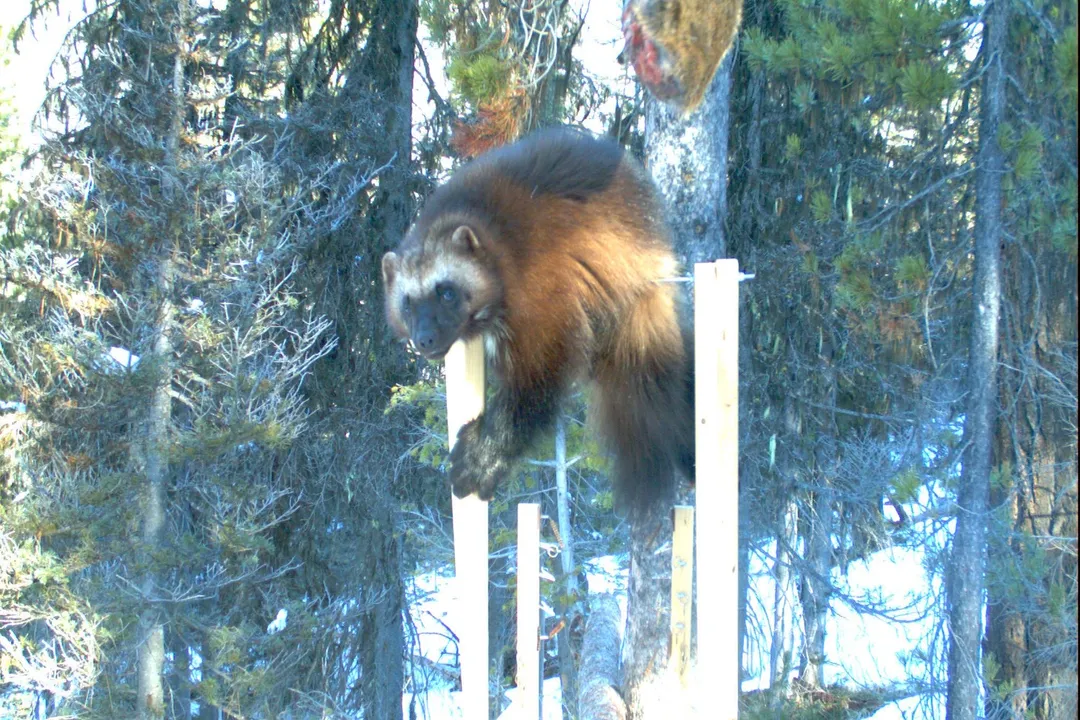
Though it shares the visual profile of a small, stocky bear, the wolverine’s closest living relatives are the martens and fishers. This classification places it within the larger Mustelidae family, an assembly known for producing exceptionally tenacious and sometimes aggressive members. Terrestrially, the wolverine holds the title of the largest land-dwelling species within this group. Males typically weigh between 22 and 40 pounds, though they can sometimes exceed 55 pounds, while females are smaller, generally ranging from 17 to 26 pounds. This physical presentation—a compact, muscular body—is highly effective for navigating dense, snowy terrain. Their thick, dark brown fur, often with lighter markings running along the sides, adds to their broad, imposing silhouette, contributing to the common, if slightly misleading, comparison to a small bear.
# Sheer Power
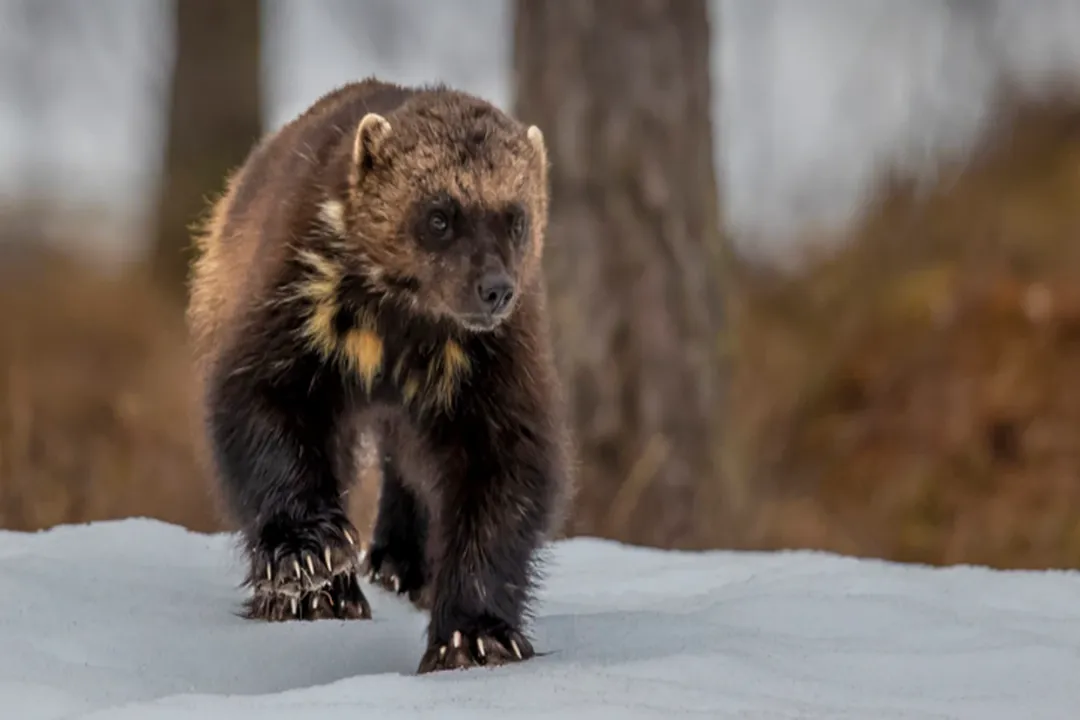
What sets the wolverine apart in the animal kingdom is the incredible strength and stamina it packs into that compact frame. Observers frequently note that the animal’s ferocity and aggression are disproportionate to its size. This tenacity allows a wolverine to successfully drive much larger predators, such as wolves or even cougars, away from a carcass. Their physical capabilities extend to specialized equipment: they possess powerful jaws capable of crushing bone, which aids in accessing marrow and harder parts of scavenged meals. Furthermore, their paws are equipped with long, sharp claws, essential tools for digging dens, securing prey, and climbing. These claws provide the necessary grip for traversing icy slopes and even climbing trees when necessary to escape danger or investigate food sources. The sheer physical capability required to survive in environments with limited readily available sustenance suggests that this massive power output is not just for aggression, but a fundamental requirement for resource acquisition in deep winter [editor's commentary: The energetic demands of moving across deep, unpacked snow and maintaining body temperature in extreme cold mean that every movement must be maximally efficient, favoring animals with exceptionally high power-to-weight ratios like the wolverine].
# Scent Mastery
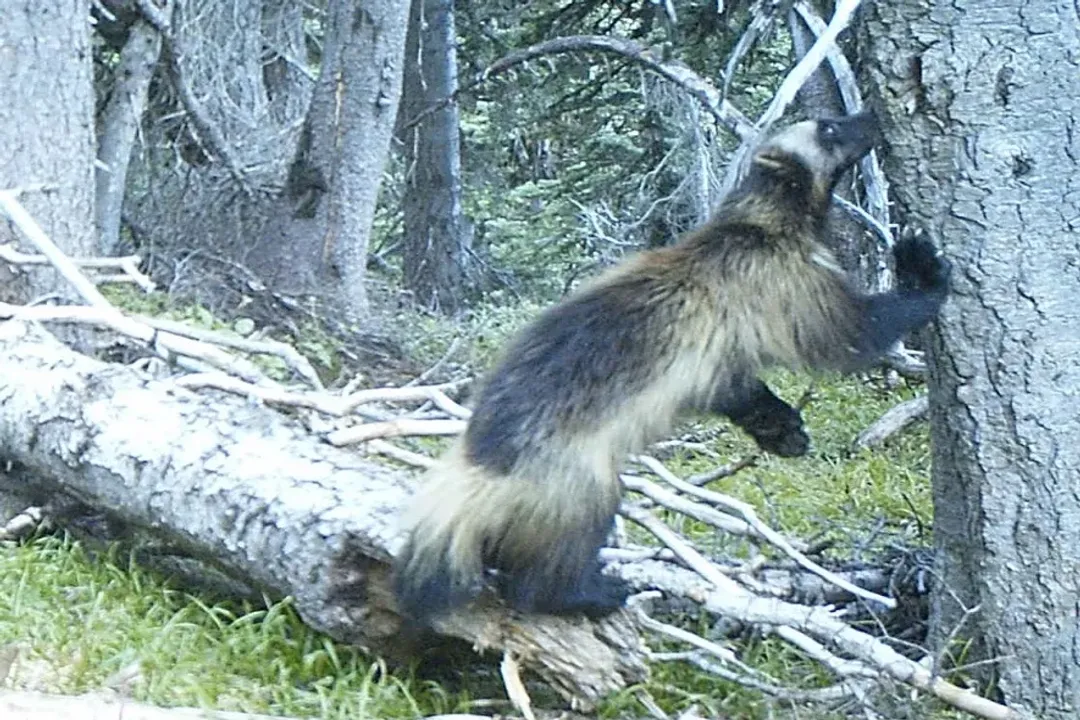
One of the less visible, but perhaps most crucial, adaptations of the wolverine is its remarkable sense of smell. Wolverines possess one of the strongest senses of smell documented among mammals. This capability is a massive advantage when seeking food in environments where visibility might be low or where other predators have already cached kills. The scent detection abilities allow them to locate carrion buried deep under snowpack, a necessary skill when active hunting proves fruitless. They also employ this potent sense for communication, as they possess scent glands used to mark their extensive territories, signaling their presence to other wolverines.
# Northern Home
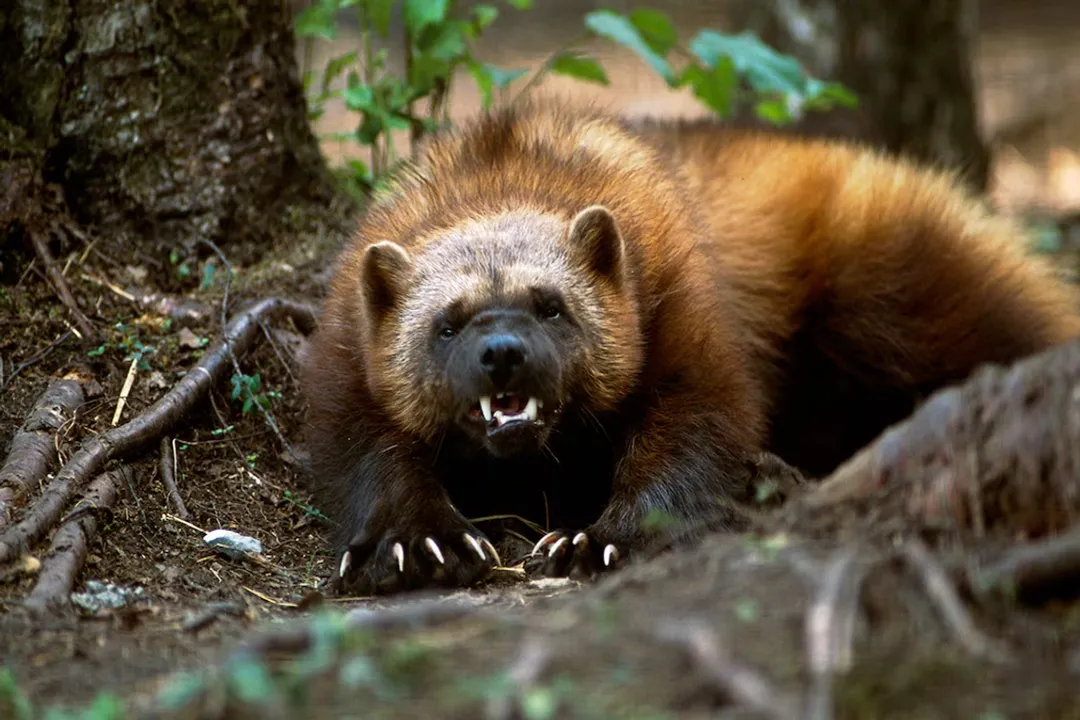
The preferred environment for Gulo gulo centers around cold, remote landscapes. They are native to the northern reaches of Eurasia and North America, inhabiting boreal forests, subarctic tundra, and high alpine regions. These areas are defined by long, harsh winters and substantial snow accumulation. The presence of deep, persistent snowpack is actually a critical component of their habitat, particularly for reproduction, as females often seek out areas where snow remains firm late into the spring to create secure maternity dens. While historically widespread across North America, their range has become increasingly restricted, making them a species of significant conservation interest in many areas.

# Fur Resilience
The wolverine’s coat is engineered for extreme cold. It is exceptionally thick and dense, featuring two layers: a woolly underfur and longer guard hairs. Uniquely, this fur is also oily, providing excellent resistance to ice and frostbite. This insulation is paramount for an animal that spends nearly its entire life active in frigid conditions, allowing it to maintain a stable core temperature even when resting outside. This adaptation speaks directly to the specialized niche the wolverine occupies, demanding a level of natural insulation superior to many other medium-sized mammals sharing similar latitudes.
# Movement Territory
Wolverines are largely solitary creatures, and the need to find enough resources in sparse environments dictates that they must cover vast areas. Males, in particular, maintain exceptionally large territories, sometimes roaming over areas exceeding 600 square miles. Although they travel primarily on foot, they are surprisingly swift and capable movers across the ground, often observed loping at speeds up to 25 miles per hour. They are also competent swimmers and climbers. Their ability to travel up to 15 miles in a single day allows them to effectively patrol their territory and locate scattered food sources.
# Diet Habits
As carnivores, wolverines are opportunistic omnivores, though their diet leans heavily toward meat. They are notorious scavengers; while they are capable predators, taking down animals like deer, moose calves, or caribou when the opportunity arises, they frequently survive by locating and consuming carrion left behind by larger kills, often those made by wolves or bears. This reliance on scavenging is an essential survival mechanism in winter when live prey is scarce or difficult to catch. When they do hunt, their tenacity means they will pursue prey much larger than themselves, relying on endurance and exploiting difficult terrain or weather conditions to their advantage. If food is scarce, they will supplement their diet with vegetation, including roots, berries, and eggs.
When assessing the success of an animal in a difficult environment, we often look at its body structure for clues. In the case of the wolverine, the long claws and powerful build are obvious advantages for securing food through digging or wrestling. However, the less obvious adaptation, the superior sense of smell, might be the true key to their survival, allowing them to bypass the energy expenditure of a prolonged hunt entirely by locating a readily available, frozen carcass [editor's commentary: For anyone interested in tracking wildlife in snowy regions, remember that finding a wolverine is often a game of scent detection rather than visual confirmation. If you come across a fresh kill in a remote area, especially one that looks partially scavenged under the snow crust, it is worth checking the vicinity for their unique, heavy tracks, as their elusiveness means direct sightings are rare].
# Conservation Status
Due to their specialized habitat requirements, particularly the need for cold, snowy conditions, wolverines face increasing threats from climate change. Habitat fragmentation and loss of snowpack directly impact their ability to create secure dens and access traditional food resources. In various regions of North America, monitoring their population status remains a priority for wildlife agencies. While their exact population numbers are difficult to ascertain due to their solitary and wide-ranging nature, conservation efforts focus on preserving the large tracts of remote wilderness they require to sustain viable populations.
#Videos
Wolverine Facts: the LARGEST Land Mustelid Animal Fact Files
Related Questions
#Citations
Wolverine - Wikipedia
Five Things You May Not Know About Wolverines
Wolverine | Size, Habitat, & Facts | Britannica
Wolverine | National Geographic Kids
Wolverines - Fact or Fiction? - Dirty Freehub
Wolverine Facts: the LARGEST Land Mustelid Animal Fact Files
11 Fierce Facts About Wolverines - Mental Floss
Wolverine | National Wildlife Federation
Wolverine Species Profile, Alaska Department of Fish and Game
Wolverine | Conservation Northwest