Wolf Facts
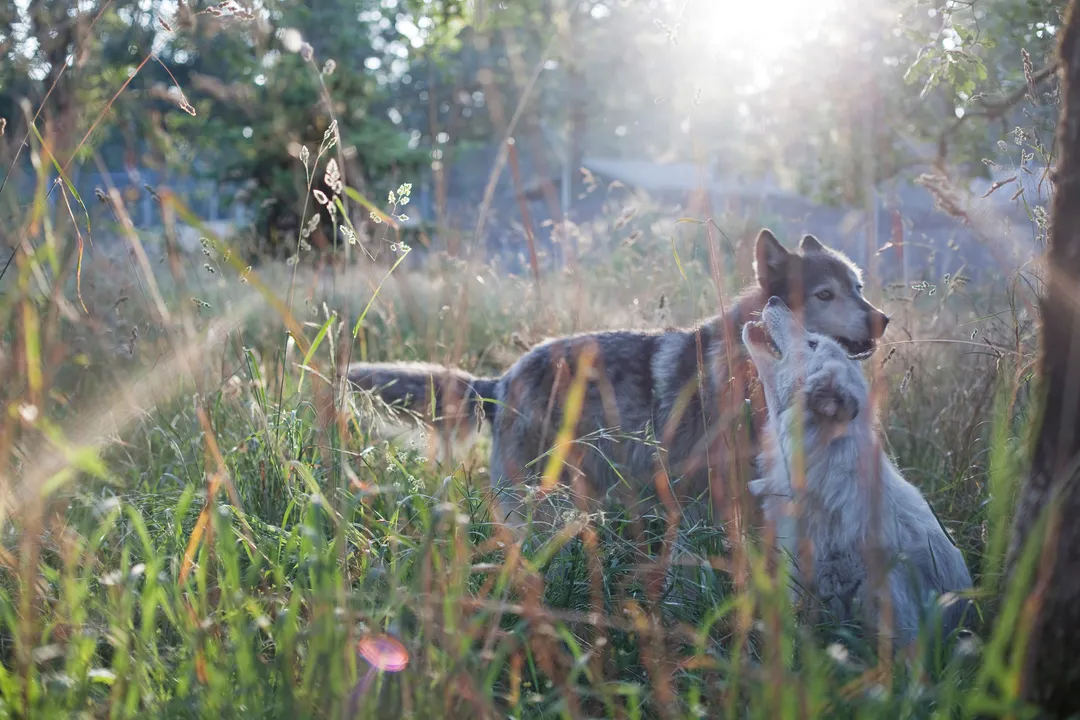
The gray wolf, Canis lupus, holds a powerful place in folklore and ecology, often recognized by its distinctive howl and its sophisticated social structure. [2][5][10] These canids are remarkably adaptable, thriving in diverse environments ranging from forests to deserts and arctic tundra. [2][6] Understanding them requires looking past the myths and appreciating their biology as highly intelligent, cooperative predators. [4][6]
# Social Groups
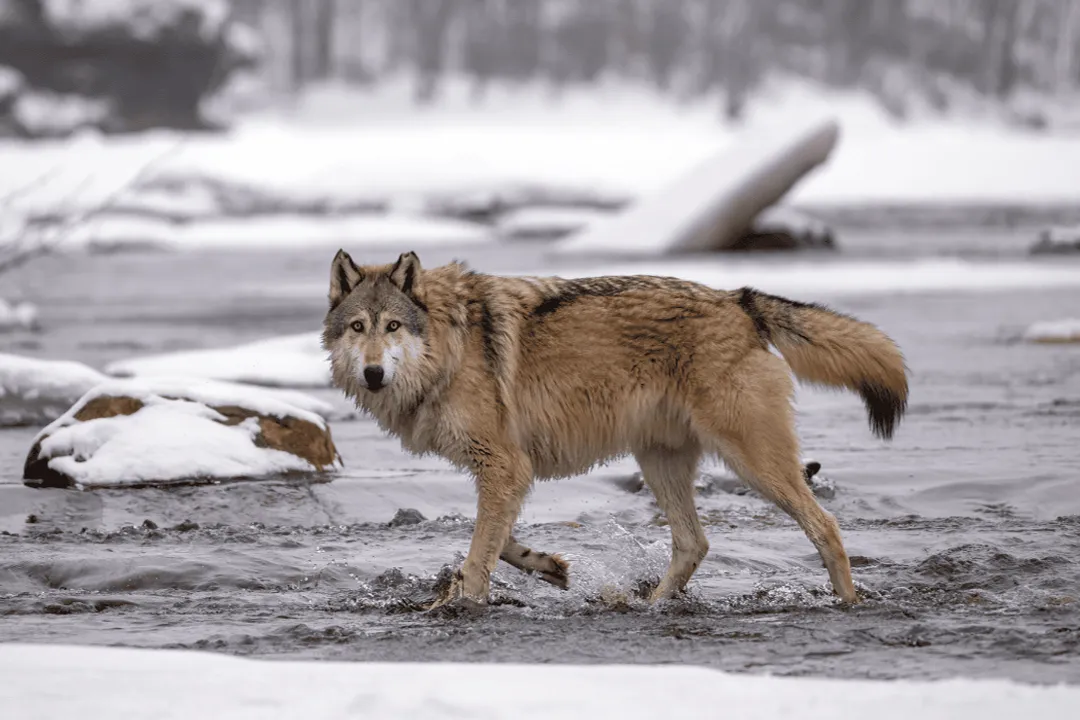
Wolves are inherently social animals that live and hunt together in groups called packs. [1][3][10] A pack is essentially an extended family unit, generally consisting of a breeding pair—the parents—and their offspring from different years. [1][3] While older literature frequently emphasized a rigid dominance hierarchy led by an "alpha" male and female who gained their status purely through aggression, modern research often frames the breeding pair as the pack leaders simply because they are the parents responsible for reproduction and directing group activities. [1][3]
The size of these family units can vary considerably depending on prey availability and habitat. [1] While a typical pack might number between two and fifteen individuals, very large packs have been documented. [1][6] The structure is crucial for survival, particularly in rearing the pups and taking down large prey items that a lone wolf could not manage. [6]
A simplified look at the typical functional roles within a cooperative pack, synthesized from observations of pack dynamics, might look something like this:
| Role | Primary Function | Social Context |
|---|---|---|
| Breeding Pair | Reproduction, overall direction of the hunt and movement | Generally the oldest, most experienced adults [1] |
| Subordinates | Assisting with hunting, guarding the territory, caring for pups | Offspring of the breeding pair from previous years [3] |
| Lone Wolves | Individuals who have left their birth pack, either voluntarily or due to dispersal | Seeking mates or new territory; often high-risk existence [1] |
Dispersal is a natural part of wolf life when individuals reach maturity; they leave their natal pack to seek unrelated mates and form new territories, which helps prevent inbreeding and maintains population connectivity. [1]
# Physical Build
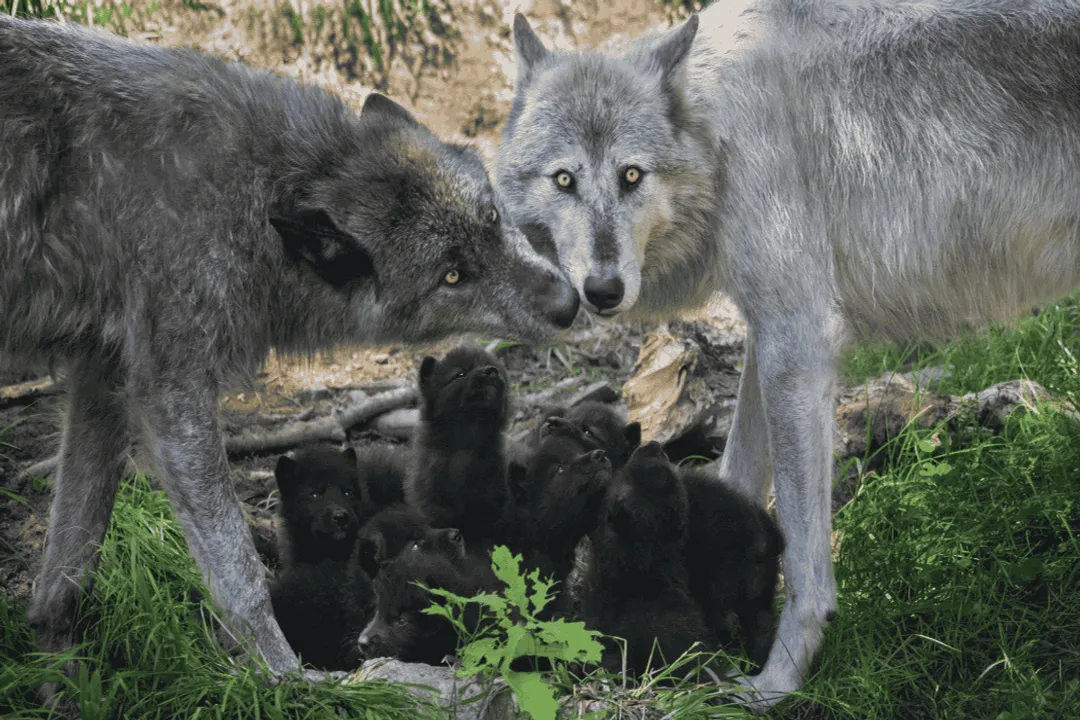
Gray wolves are the largest wild canids. [5] Their size varies significantly based on geographic location; wolves in northern regions, such as the massive Alaskan or Northwestern wolves, tend to be larger than their counterparts in southern areas. [2][5] Males are typically larger than females. [2] A large male gray wolf can weigh anywhere from 80 to 150 pounds and stand up to 3 feet high at the shoulder, though average weights usually fall lower than the maximum figures cited. [2][5][6]
Their dense fur provides excellent insulation against harsh weather, allowing them to inhabit extremely cold climates. [5] This coat sheds seasonally, often in large clumps. [5] Coloration is highly variable, ranging through shades of gray, white, black, brown, and combinations thereof. [2][6]
Their senses are finely tuned for predator life. A wolf's sense of smell is exceptionally keen, estimated to be about one hundred times better than a human's. [5] To put that remarkable olfactory power into perspective, if a person can smell a teaspoon of sugar in a cup of coffee, a wolf might be able to detect that same concentration across an entire swimming pool of water, highlighting the importance of scent in communication and tracking across vast territories. [5] Hearing is also acute, capable of picking up sounds from up to six miles away in open country. [5] While their eyesight is good, it is smell and hearing that truly define their ability to perceive their environment. [4]

# Vocal Language
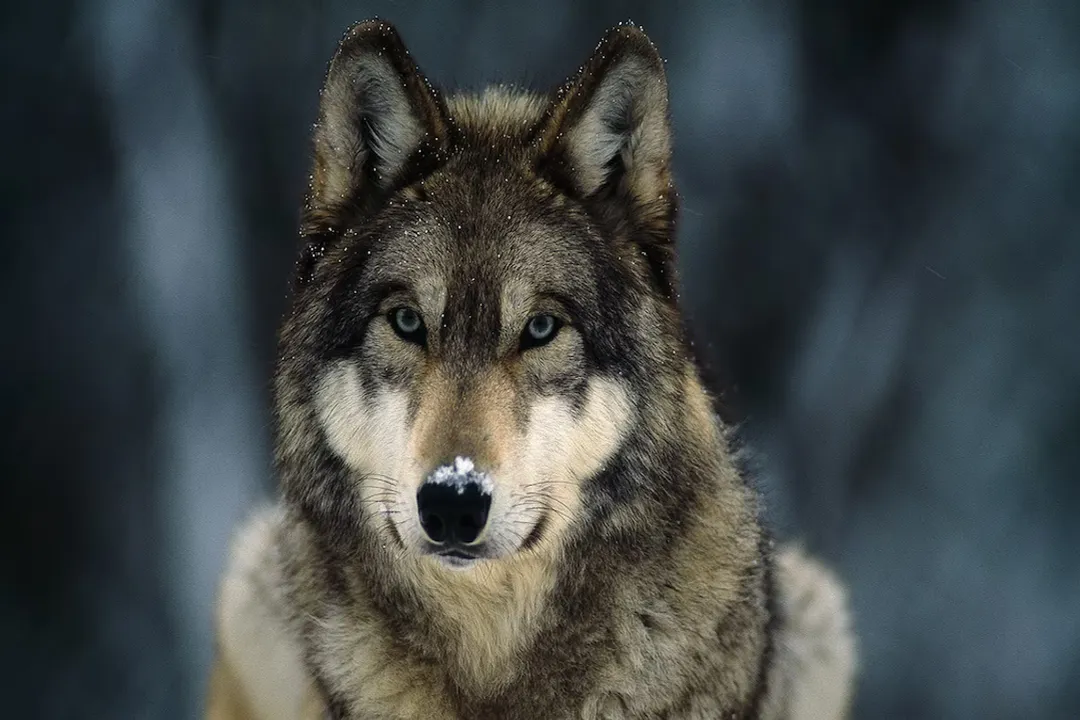
Howling serves as the primary means of long-distance communication for wolves. [4][5] It is a haunting sound that serves multiple, complex purposes. [4] Wolves use howls to assemble the pack, advertise their location to other packs, and warn intruders away from established territories. [1][4] Interestingly, wolves rarely howl when alone; the sound is fundamentally a social tool used to communicate with or locate other wolves. [4]
The chorus effect is noteworthy; when multiple wolves howl together, the sound often seems to come from more individuals than are actually present, a form of auditory intimidation or cohesion. [4] Beyond vocalization, wolves rely heavily on body language. Tail position, ear posture, facial expressions, and hackles raised are all part of their visual vocabulary, conveying submission, aggression, or playfulness. [4]
# Prey Selection
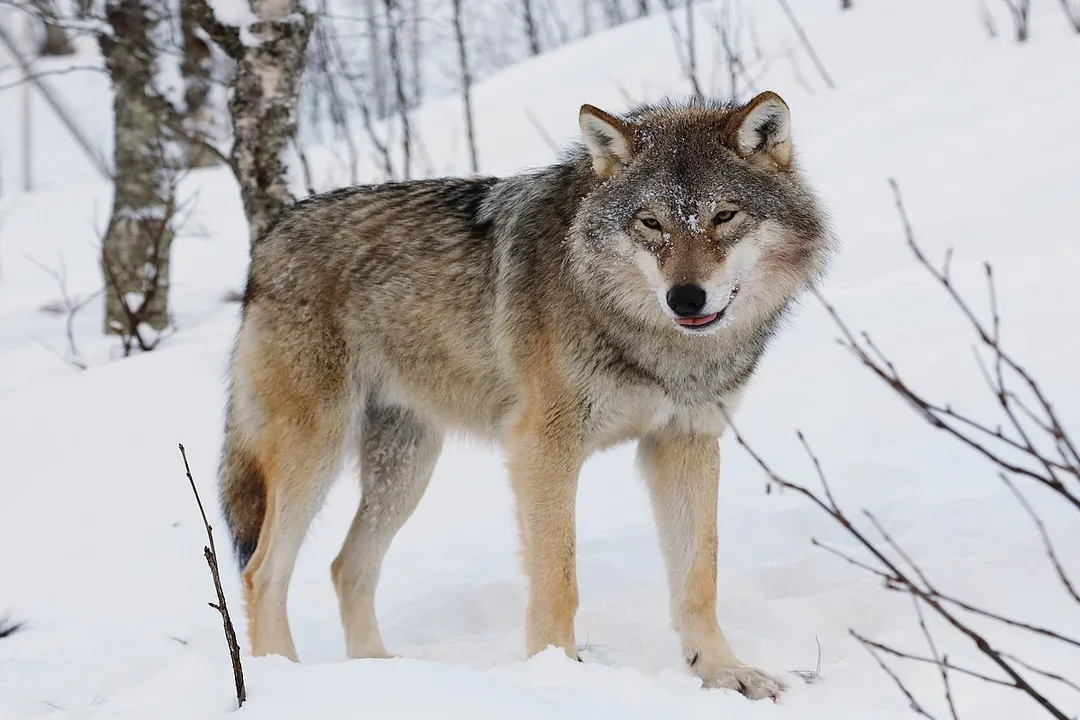
Wolves are carnivores, and their diet primarily consists of large ungulates—hoofed mammals—such as deer, elk, moose, and bison. [2][5][6] They are highly efficient hunters, but they are not always successful, with hunting success rates often hovering around 10% for elk hunts, showing that they are selective but must exert significant effort for sustenance. [6]
However, wolves are also opportunistic feeders. [2] They will readily consume smaller animals like beavers, rabbits, and rodents if larger prey is scarce. [2][5] Carrion—the remains of animals that died from other causes—also forms an important part of their diet, demonstrating that they are pragmatic survivors rather than purely specialized killers. [2] A pack’s ability to coordinate movement and endurance is what allows them to successfully track and bring down prey much larger than themselves. [6]
# Life Cycle
Reproduction in wolves is typically restricted to the dominant breeding pair within the pack. [3] Mating usually occurs in late winter, and after a gestation period of approximately two months, the female gives birth to a litter of four to six pups in the spring. [1][3]
The care of the young is a communal effort. All members of the pack participate in feeding, guarding, and grooming the blind and helpless newborns in the den. [1][3] The pups are completely dependent on the adults for milk and solid food, which the adults regurgitate. [3] A key difference between wolf and dog puppies is that wolf pups begin eating solid food much earlier, often starting around three weeks of age, thanks to the regurgitated meals provided by the pack. [1]
The lifespan of a wolf is considerably shorter in the wild than in captivity. [1][6] While wolves in managed environments can sometimes live for 15 to 16 years, those living free are more likely to survive only 6 to 8 years due to the dangers associated with hunting, territorial defense, and environmental pressures. [1][6]
# Dog Ancestry
The gray wolf is the direct ancestor of the domestic dog, Canis familiaris. [1][5][9] Domestication began thousands of years ago, leading to the vast diversity we see in dog breeds today. [1] Although closely related, wolves and dogs are not always able to interbreed successfully or produce fertile offspring, though hybridization can occur. [1]
There are distinct physical markers that often distinguish a pure wolf from a wolf-dog hybrid or a wolf-like dog breed. [1] Wolves generally have larger heads, longer legs relative to their body size, and a straighter tail carriage compared to most dogs. [1] Furthermore, wolf eyes are typically amber or yellow, rarely brown, and their eyes are often set slightly more obliquely than a dog's. [1]

# Conservation Status
Wolf populations have faced significant pressure throughout history due to persecution and habitat loss, though conservation efforts have seen success in certain regions. [2][7] In the United States, for instance, the gray wolf has been reintroduced to areas like the Northern Rocky Mountains, where they function as keystone species—meaning their presence significantly shapes the health and structure of the entire ecosystem. [2][6] When wolves control large herbivore populations, it can lead to better vegetation health and increased biodiversity for other species. [2][7]
Despite these recoveries, wolves still face dangers from trapping, poisoning, and vehicle collisions in areas where their ranges overlap closely with human activity. [7] Their status varies globally and even nationally, meaning what is true for a wolf population in Yellowstone National Park might not reflect the challenges facing wolves in Eastern Europe or Asia. [2][10] Responsible management, which often includes monitoring pack territories and ensuring sustainable management practices, is vital for their long-term survival in a human-dominated landscape. [7]
#Videos
What Do Wolves Really Do? Fascinating Wolf Facts! | Dr. Seuss
Related Questions
#Citations
Fun wolf facts for kids | International Wolf Center
15 fun & interesting grey wolf facts - IFAW
Wolf Facts | California Wolf Center
8 Incredible Gray Wolf Facts Everyone Should Know
Gray Wolf - Pictures, Facts, and Map | National Geographic Kids
Gray Wolf | National Wildlife Federation
15 Powerful Wolf Facts That Will Make You Howl for Conservation
What Do Wolves Really Do? Fascinating Wolf Facts! | Dr. Seuss
Wolf - Wikipedia
Wolf Facts & Information | Wolf Haven International