Are American eels harmless?
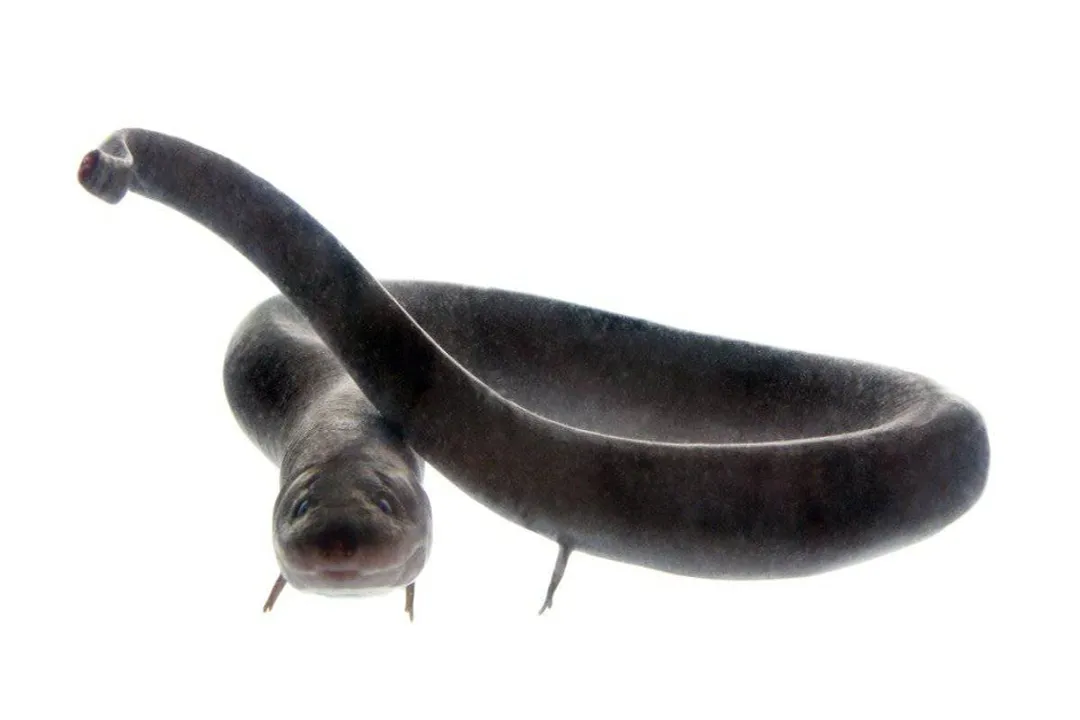
The American eel, Anguilla rostrata, is a creature shrouded in an almost mythical air, particularly across the eastern half of North America. Its serpentine form navigating rivers, lakes, and estuaries has long captivated observers, leading many to wonder about its nature, especially concerning its safety around people. These fish are not the aggressive sea serpents of old tales; rather, they are migratory wonders whose life history is one of the most remarkable in the aquatic world. [5] Understanding whether they pose a threat requires looking past the common slithery appearance and examining their biology, behavior, and typical interactions with humans. [1][2]
# Life Cycle
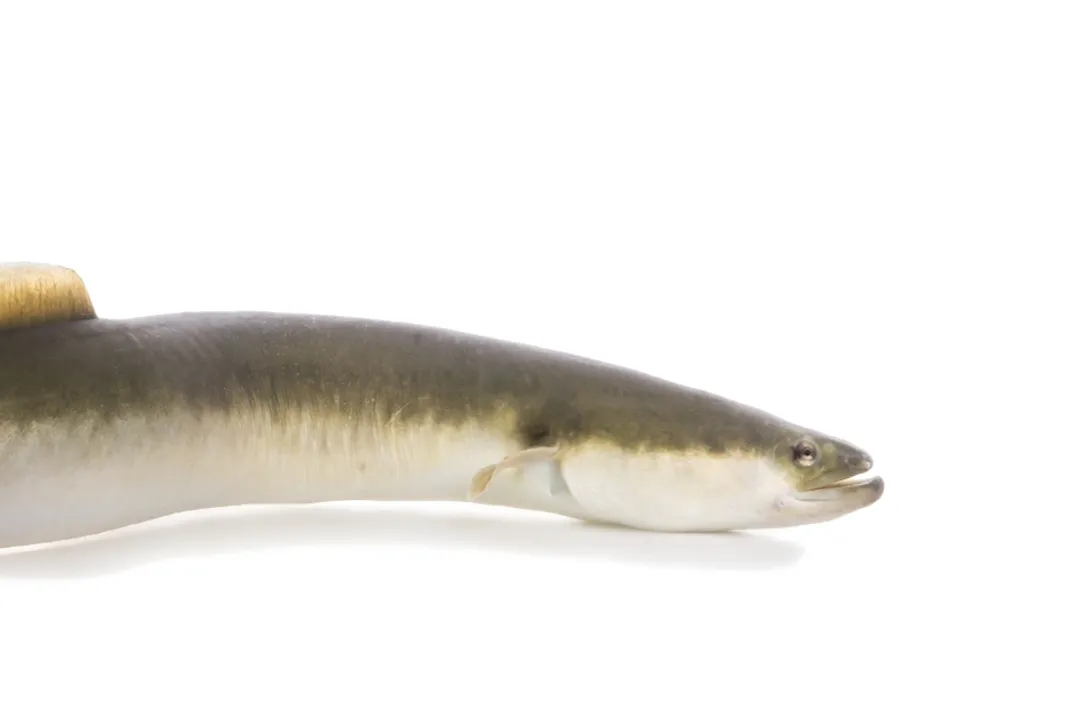
The existence of the American eel is defined by a dramatic, almost cyclical, journey between fresh and saltwater environments. Unlike many fish that spawn in freshwater and migrate to the sea, the American eel is catadromous—it matures in freshwater systems but must return to the ocean to reproduce. [1][5]
The life of an eel begins far out in the Atlantic Ocean, near the Sargasso Sea, where the adults spawn and perish. [1][5] The larvae that hatch are tiny, leaf-shaped creatures known as leptocephali. [1] These larvae drift with ocean currents for a considerable time before undergoing a transformation into the next stage: the "glass eel". [6] Glass eels are transparent and small, moving toward the coastlines of North America. [1][6]
Once they reach estuaries or freshwater entry points, usually between the spring and early summer, they settle and develop pigmentation, becoming "yellow eels". [1][6] This yellow eel stage is when they spend the bulk of their lives, often dwelling in freshwater rivers, lakes, and ponds, sometimes for many years, maturing slowly. [1][5] They can inhabit these freshwater environments far inland, even in places like Kentucky [7] or Iowa. [8] The exact duration they spend in this stage is variable, often depending on feeding conditions and population pressures. [1]
When conditions are right, typically as they reach maturity after many years, the yellow eels undergo their final metamorphosis into the "silver eel" stage. [1][6] This transformation involves physiological changes to prepare them for the long, arduous return migration to the Sargasso Sea to spawn. [1][5] The silver eels become darker on top, their bellies turn silvery, their eyes enlarge, and their digestive tracts atrophy as they prepare for a non-feeding ocean voyage. [1]
# Range Found

The distribution of the American eel is extensive, covering the Atlantic slope drainages from Labrador in Canada all the way down to the Gulf of Mexico. [1][6] As the only species of freshwater eel found in North America, its presence in inland waters is significant. [7] They are recognized inhabitants of various major river systems and their tributaries throughout the eastern United States. [1][8]
Their habitat preference during the yellow eel phase is quite flexible. While they are anadromous for reproduction, they thrive in brackish water estuaries, freshwater lakes, and rivers. [1][2][6] They demonstrate a remarkable ability to navigate obstructions and even travel overland for short distances if the path is moist, a trait that allows them to colonize waters perhaps not immediately connected to the main river channels. [5] It is worth noting that their presence in some inland waters, like those managed for recreation or fisheries, is a constant biological fact of those ecosystems. [4][8] Given their unique migratory needs and tolerance for varied water quality, an eel found far inland is often a yellow eel that has established residency for several years. [5]

# Eating Habits
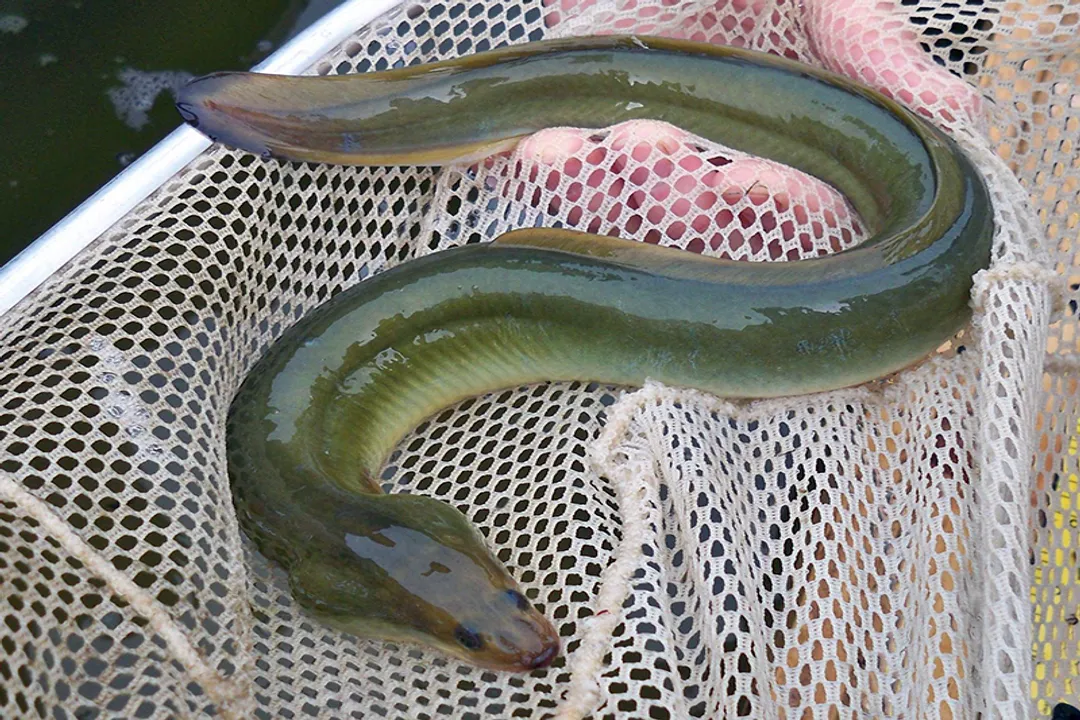
The diet of the American eel is opportunistic, reflecting their nature as generalist predators in the aquatic environment. [2] When in their yellow eel phase, they are primarily bottom-dwellers, scavenging and actively hunting a variety of food items. [2]
Their diet commonly includes:
- Invertebrates such as worms, insects, and crustaceans. [2]
- Small fish, which they may ambush or scavenge. [2]
- Amphibians and mollusks. [2]
This varied diet means they are an active part of the food web wherever they reside. For those considering them as a food source, they are recognized as edible, though they must be properly handled and cooked. [7][8] Historically, they have been a component of the diet in some regions, although perhaps not as widely targeted by modern recreational anglers compared to other species, as suggested by contemporary discussions among fishing enthusiasts. [3]
A practical consideration when thinking about their place in a lake's biology is their efficiency as predators. Because they consume a wide array of organisms, they can exert top-down pressure on smaller fish and invertebrate populations in a localized area. If a body of water has a very high density of yellow eels, their collective feeding impact could potentially thin out certain prey groups, although this is a natural ecological balance rather than a sign of being inherently destructive. [2]
# Interaction Risk
The fundamental question of whether American eels are "harmless" requires a nuanced answer rooted in wildlife interaction protocols. In the wild, they are certainly not pets; they are wild animals that will defend themselves if provoked or handled improperly. [4]
When it comes to aggression toward humans, freshwater eels, including the American eel, are generally not considered overtly aggressive. [9] They typically avoid confrontation. However, any creature with teeth, when cornered or grabbed, will bite as a defense mechanism. [4] The Maryland Department of Natural Resources notes that eels can bite if handled, suggesting that while they aren't actively hunting people, improper interaction carries a risk of being nipped. [4]
The danger here is less about predatory attack and more about accidental injury during attempts to catch, remove, or simply observe them closely. Their serpentine bodies can be surprisingly strong and slippery, making them difficult to hold securely. [2] Furthermore, while not mentioned in the provided sources regarding the American eel specifically, many eels possess a sticky, mucus-like slime coating their bodies, which is a natural defense against infection and drying out, but can make handling difficult and messy. [5]
If one were to compare them to other common freshwater game fish, an eel bite would likely be more of a sharp pinch than a severe laceration, given their mouth structure, but caution is always warranted with any wild animal. It is always best practice to admire them from a distance or use appropriate protective gear, such as gloves, if removal from a boat or structure is necessary. [4]

# Conservation View
The survival narrative of the American eel is currently facing challenges. Despite their wide distribution, populations have experienced declines in many areas, leading to various levels of conservation concern across their range. [1] They are listed as Endangered by the IUCN Red List, which highlights serious global threats to their survival. [1]
The primary threats center around their incredible migratory pathway. Obstacles such as dams and water control structures impede the necessary journey of both the glass eels moving upstream and the silver eels attempting to return to the Sargasso Sea to spawn. [1][6] Habitat degradation in both freshwater and marine environments also plays a role. [1]
Because so much of their life cycle depends on unimpeded access between the ocean and inland waters, the health of their populations serves as an indicator of the health of entire river systems connecting to the Atlantic. [6] While they are a resilient species, proven by their ability to exist in environments ranging from salt marshes to upland lakes, [8] their restricted reproductive cycle makes them particularly vulnerable to human-made barriers across their migratory routes. [1]
# Handling Insights
Considering the fact that eels are edible and yet not universally targeted by anglers, there's an interesting gap in how the general public interacts with them. [3][7] If you are in a jurisdiction where eel fishing is permitted, the primary initial hurdle isn't aggression, but the mechanics of capture and containment. Because of their long, muscular bodies and slippery skin, simply netting or grasping a large eel requires a different approach than handling a broad-bodied fish like a bass or a sunfish. A successful catch often necessitates specialized nets or tools designed to manage elongated, writhing fish, perhaps even a two-person effort—one to secure the head/gill area gently (while avoiding the mouth) and another to manage the tail. [4] This practical difficulty might explain, in part, why they are less frequently pursued in recreational settings compared to species that fit more easily into standard tackle boxes and landing nets. [3]
It's also instructive to consider the implications of their habitat flexibility. An eel found in a small, landlocked pond that sustains a population must have found a way to enter that water body, likely as a glass eel, and the entire population must somehow be sustained without constant replenishment from the ocean, suggesting these yellow eels can reach impressive ages and weights in stable environments. [5] This longevity in freshwater means that any local management decision—such as pesticide runoff or localized habitat destruction—can have a long-term impact on a mature population that has invested many years in that specific location. [4] This permanence in their feeding grounds makes them critical components of their immediate ecosystems, justifying careful consideration when considering any environmental changes in their established habitats. [8]
Related Questions
#Citations
American eel - Wikipedia
American Eel Fish Facts - Anguilla rostrata - A-Z Animals
Do US americans just absolutely not fish for eel? - Reddit
Maryland Fish Facts: American Eel
Do American Eels Hurt My Lake or Pond?
American Eel (Anguilla rostrata) | U.S. Fish & Wildlife Service
Eels in KY! The American Eel is the only species of freshwater eel ...
Fish Species - American Eel - Iowa DNR
Are freshwater eels aggressive? - Quora