Why do they call it a potato bug?
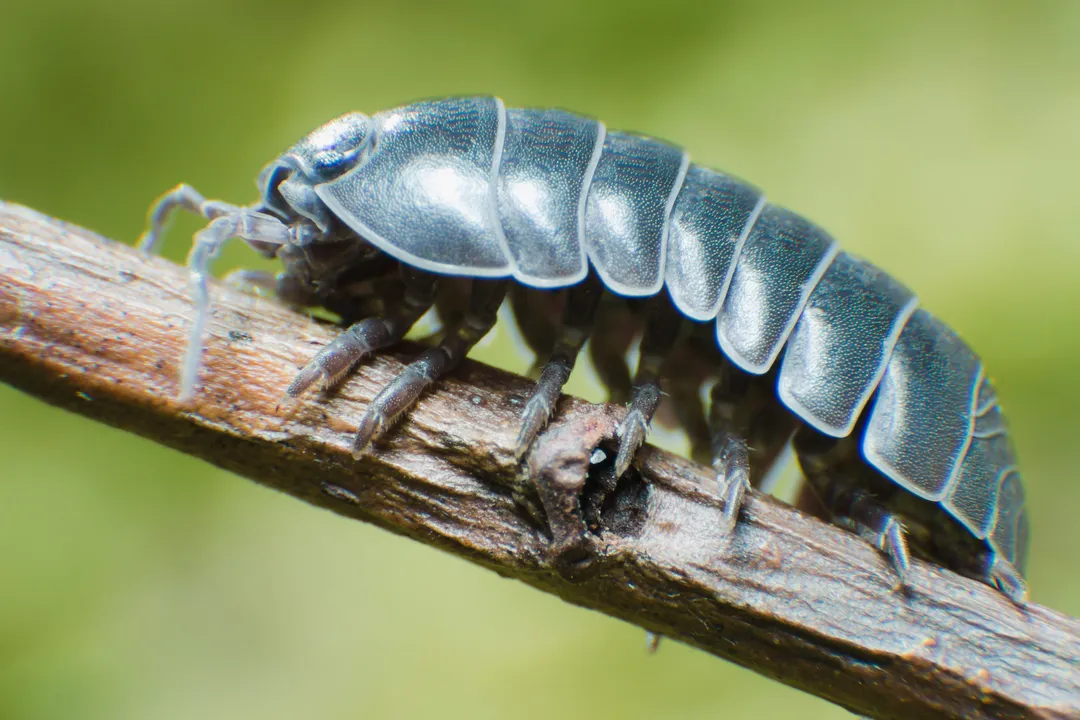
The creature that inspires a degree of fascination and perhaps a bit of revulsion across parts of the American West is frequently labeled the potato bug, a name that sounds descriptive but is fundamentally misleading. This common moniker often causes confusion because the insect in question is, scientifically speaking, neither related to potatoes in a significant way nor a true cricket. Instead, the large, wingless insect often encountered in soil is formally recognized as the Jerusalem cricket.
# Name Confusion
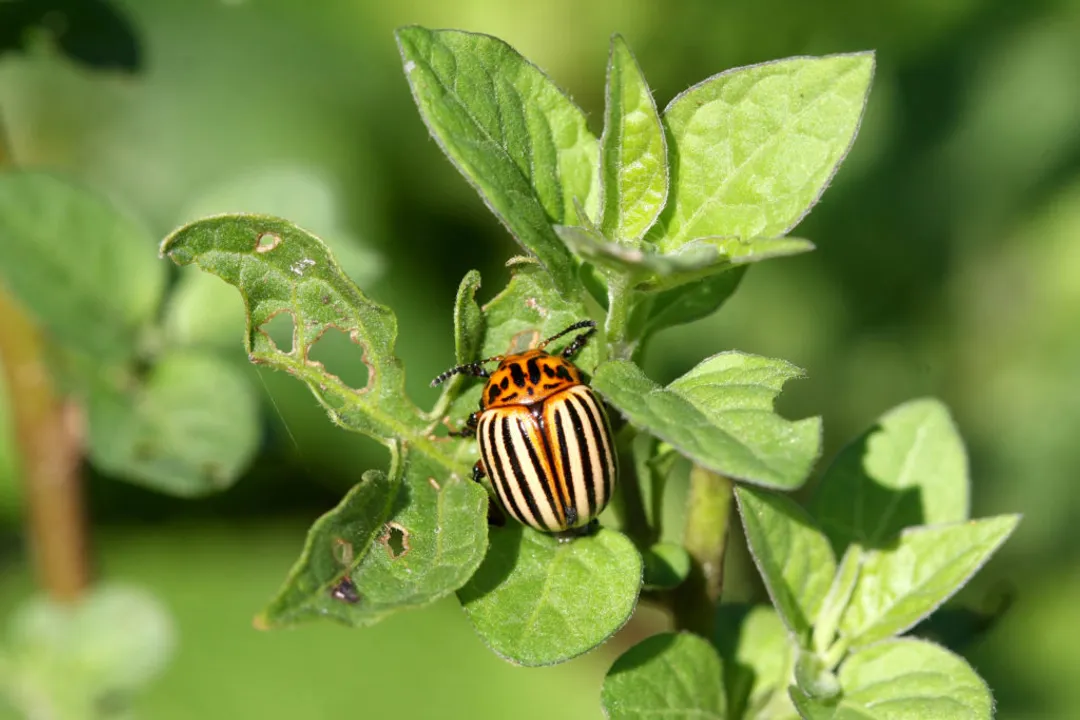
The prevalence of the name "potato bug" stems from how people describe what they see or how the insect impacts their immediate surroundings, often favoring descriptive nicknames over entomological accuracy. It is a classic example of vernacular nomenclature sticking despite scientific reality. For many, especially those who grew up in specific regions like parts of California, Nevada, or Utah, this insect is the potato bug, regardless of its classification.
This insect has accumulated a variety of regional names over time, demonstrating how localized observation shapes language around wildlife. Along with "potato bug," people know it as the Cara del Niño—Spanish for "face of the child"—a reference to its somewhat unsettling facial features. It is also sometimes called the "dreaded potato bug of our childhood," suggesting a long history of memorable, if unwelcome, encounters in gardens. However, the fact remains that this insect belongs to the genus Stenopelmatus and is not a true bug (Hemiptera) nor a member of the cricket family (Gryllidae). Its appearance, which some find grotesque, contributes to the dramatic, localized naming conventions.
# Why Potato Bug
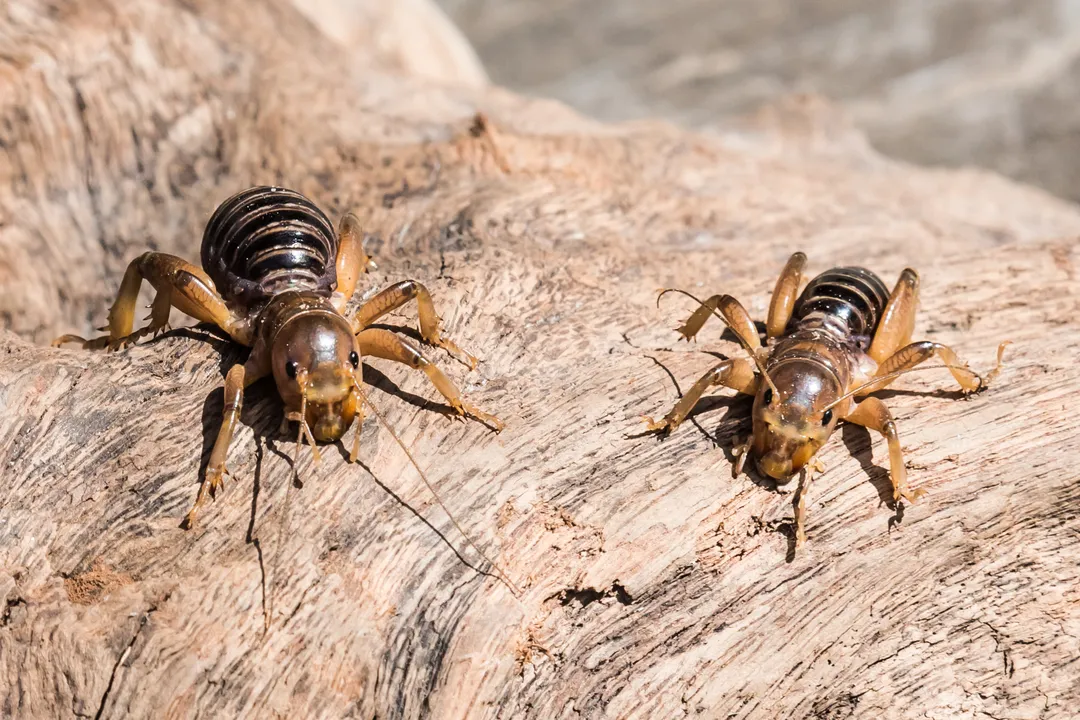
The most straightforward explanation for the widespread adoption of the "potato bug" name lies directly in its feeding habits and habitat. Jerusalem crickets spend the vast majority of their lives underground. Their diet consists primarily of what they find in the soil: roots, tubers, and bulbs. Given that potatoes are a common garden tuber, it becomes intuitive to blame the soil-dwelling insect that chews holes in them for the damage. If a gardener digs up a partially eaten potato, finding a large, pale insect nearby, labeling it the "potato bug" is a quick and logical conclusion based on immediate evidence.
It is worth noting that while potatoes are a preferred food source, their diet is broader. They consume various subterranean plant parts, making them pests to vegetable gardens in general, impacting onions, carrots, and other root vegetables. The name is likely a simplification based on the most frequently damaged, high-profile crop in the areas where these insects are numerous.
In many areas where these insects thrive, such as the western United States, garden produce is a significant part of the local diet and economy, meaning damage to potatoes is highly visible and memorable, cementing the insect's common name through agricultural experience. This contrasts sharply with urban settings where an insect found inside a house might earn a name based on its imposing appearance, like Cara del Niño, rather than its dietary habits.

# Insect Characteristics
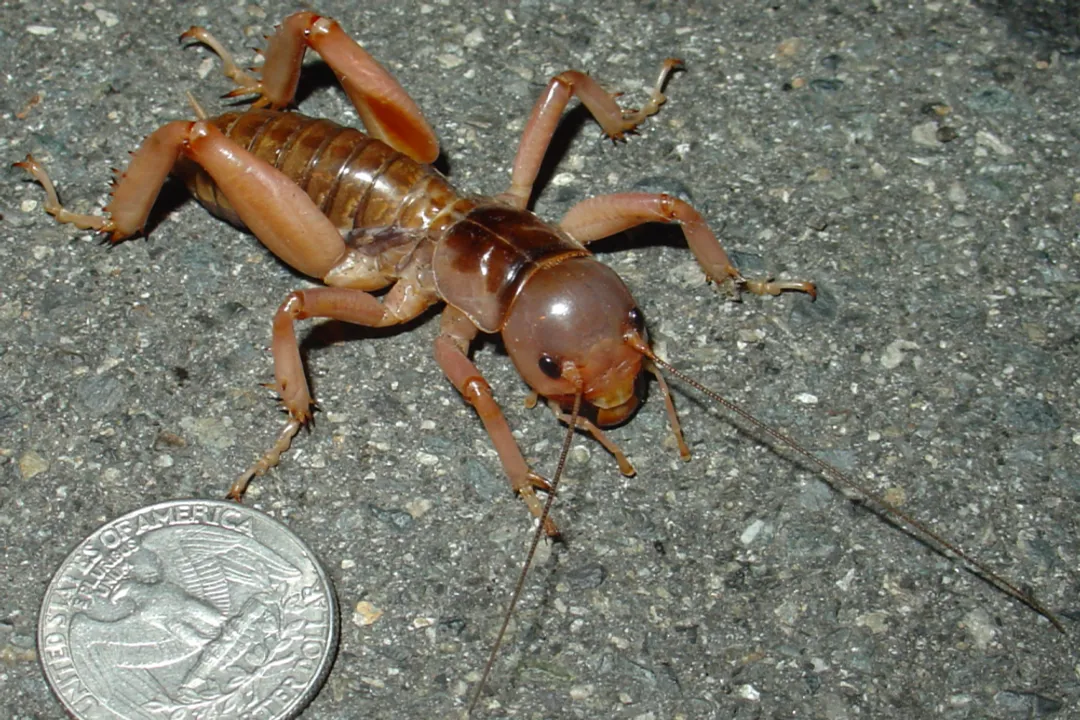
Understanding the true nature of the Jerusalem cricket explains why it is so distinct from the insects it is named after. These are ground-dwelling orthopterans, but they are flightless. They are quite large, described as formidable, and possess a very large head relative to their body size. They have short legs well-suited for burrowing through the soil rather than leaping like true crickets.
Their lifespan is another remarkable feature. Jerusalem crickets can live for an extended period, sometimes up to ten years underground. During the warmer months, they emerge primarily at night, as they are nocturnal creatures, which is why they are often only seen when they wander above ground or into human dwellings. They are generally solitary insects. While generally preferring soil-dwelling life, when they do appear above ground, they can be imposing due to their size and peculiar gait.
If handled, especially if they feel threatened, they may defend themselves. While they lack stingers or venom sacs, they possess strong mandibles and might bite if handled aggressively. For gardeners, their solitary nature means that finding one does not necessarily indicate a massive infestation, though their longevity means they can cause damage over multiple seasons if left unchecked.
# Regional Presence and Encounters
The contexts in which people encounter these insects often dictate the conversation around them. They are strongly associated with the dry, arid, and semi-arid regions of the Western United States, frequently being reported in California, Nevada, and Utah. This geographical specificity helps explain the concentration of anecdotes and localized naming conventions.
Encounters with the Jerusalem cricket typically fall into two categories: garden damage and accidental entry into homes.
In the garden, they are an active pest beneath the surface, creating tunnels and consuming those vital underground stores. This behavior makes them a recurring problem for those planting root vegetables.
The second major interaction occurs when the mature, winged (though they are flightless, meaning they crawl out to disperse or mate) or sub-adult individuals venture out, often after heavy rains or as they seek mates, leading them into basements, garages, or even bedrooms. Seeing one indoors is often what prompts people to seek identification, as its appearance is so distinct from common household pests. The fact that they wander into structures is a common theme in community alert groups online, showing the immediate concern when these large insects appear where they are not expected.
If we consider the density of reports across online forums and local social media groups, we can observe a pattern: the sheer size and unusual appearance of the Jerusalem cricket mean that a single sighting prompts significant local discussion, often overriding the more accurate, but less memorable, scientific name. This effect is amplified in areas like Utah, where online communities actively try to identify and share observations of these "potato bugs".

# Managing the Misnamed Pest
For those actively trying to cultivate a successful garden, the Jerusalem cricket needs to be managed as a root pest. Since they feed underground and emerge at night, control methods must target their subterranean activities.
One effective management principle, derived from understanding their preference for dark, moist soil, involves modifying the environment to be less hospitable. While they like moist soil, gardeners must balance the need for watering with the conditions that attract these pests. Knowing they feed on tubers, gardeners might consider physical barriers or barriers of rough, distasteful material around sensitive root crops, though the sources primarily point toward managing them as a general soil problem rather than through specific crop protection methods.
Given their tendency to crawl into homes, a simple preventative measure involves sealing common entry points around foundations and basement windows, particularly during periods when they are known to be active above ground after dark. Since they are largely nocturnal, ensuring outdoor lights are not attracting them towards open doors might also reduce accidental intrusions. A point of analysis here is that because these creatures live so long underground, simply removing one sighting does not solve a long-term presence; pest management requires understanding the long, multi-year lifecycle beneath the surface, which is often ignored when people only react to the brief above-ground appearances.
Ultimately, the name "potato bug" serves as a powerful, if inaccurate, descriptor rooted in direct experience. It tells a story of a large, mysterious subterranean insect that feasts on garden staples, leading to a common name that has persisted for generations across the arid landscapes of the West, even though the creature is neither a bug nor a cricket. It remains a prime example of descriptive common names winning out over scientific accuracy in everyday communication.
#Videos
Potato Bug Facts: the JERUSALEM Cricket Animal Fact Files
Related Questions
#Citations
The Formidable, and Misnamed, Potato Bug
Jerusalem cricket - UC IPM
What do y'all call these things? I grew up calling them Potato Bugs ...
Potato Bugs: What Are They, Really? - Green Pest Services
Jerusalem Crickets or Potato Bugs: Harmless but Creepy Insects
The Potato Bug, Or Jerusalem Cricket, Is Neither A ... - IFLScience
Potato Bug Facts: the JERUSALEM Cricket Animal Fact Files
What Are Potato Bugs And What To Do About Them
This is the dreaded “potato bug” of our childhood - Walkaboutstory