What is a Pug mix called?
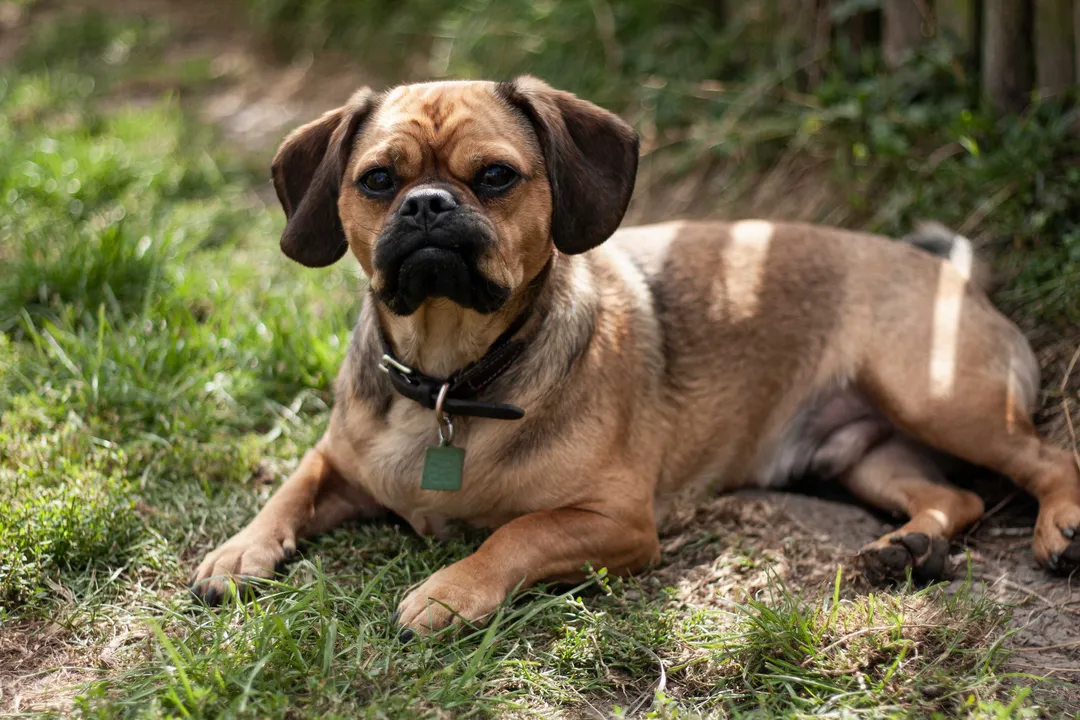
The allure of the Pug is undeniable—their expressive faces, affectionate nature, and status as ancient companions to royalty make them instantly recognizable and deeply loved. When this charming personality is crossed with another breed, the result is a hybrid that blends traits from two distinct genetic backgrounds, often resulting in unique appearances and sometimes, modified health profiles. Discovering what a Pug mix is called often depends entirely on which breed shares the parentage, leading to a delightful alphabet soup of designer dog names.
# Popular Names
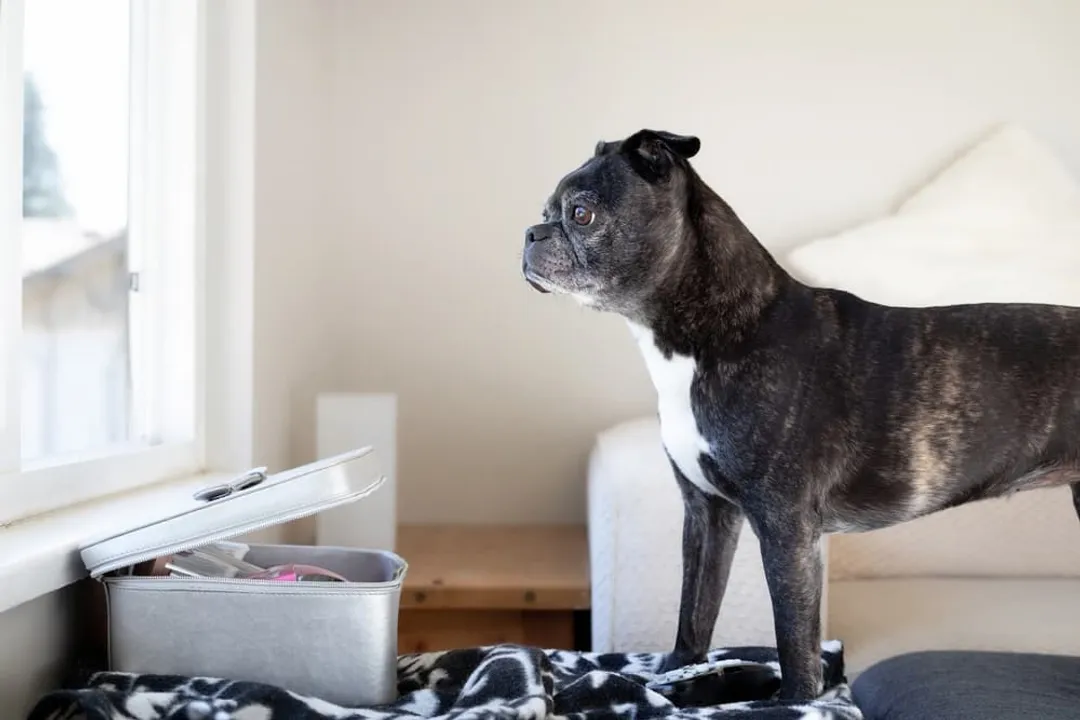
The world of mixed breeds relies heavily on portmanteau names—blends of the parent breeds' names—to identify these crosses. Some combinations are so popular they have become household terms themselves.
For instance, mixing a Pug with a Chihuahua yields the Chug, which is also sometimes known as a Pughuahua or a Pugwawa. If you encounter a Pug and Beagle mix, you are looking at a Puggle, often cited as one of the most common Pug crosses. Perhaps one of the most whimsically named is the Husky and Pug mix, affectionately termed the Hug.
These hybrid names offer a quick shorthand for prospective owners trying to gauge what traits they might see, though the variability inherent in a first-generation cross means the final dog is always a bit of a wonderful surprise.
# Toy Blends
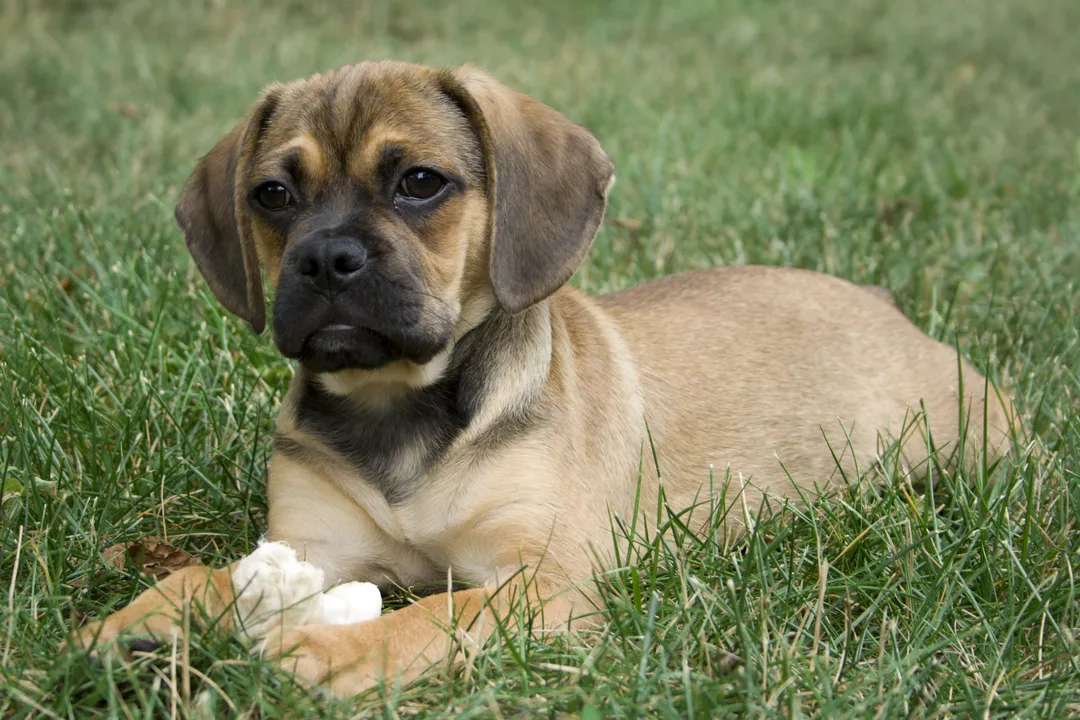
Because the Pug is a toy breed, many popular mixes involve other small companions, resulting in dogs perfectly suited for apartment living and lap time.
The Chug (Pug/Chihuahua) is one such example. This mix often inherits a large personality in a tiny, sturdy body, blending the demanding companionship needs of both parents. Chugs are known to be very affectionate and loyal, sometimes described as "velcro" dogs who hate being alone. Potential owners should be prepared for the potential stubborn streak inherited from the Chihuahua side, requiring consistent, positive training.
The Pugshire comes from crossing a Pug with a Yorkshire Terrier. Being a mix of two small breeds, the Pugshire remains very small. Owners should anticipate regular dental care needs, as both parent breeds are prone to dental issues. The Yorkshire Terrier influence may also lend a slightly more independent personality compared to the often-clingy Pug.
Another tiny contender is the Pom-A-Pug, the offspring of a Pomeranian and a Pug. Both parent breeds were historically bred for companionship, suggesting the Pom-A-Pug will also be a devoted lap dog needing relatively little rigorous exercise.

# Exploring Brachycephalic Heritage

The most recognizable feature of the Pug is its flat, pushed-in face, scientifically referred to as brachycephaly. This structure makes Pugs prone to breathing difficulties, difficulty regulating body temperature through panting, and skin fold dermatitis.
When a Pug is crossed with another brachycephalic breed, there is a distinct risk that the resulting mix will inherit or even amplify these respiratory challenges.
The Frug (Pug/French Bulldog mix) is a great example. French Bulldogs share the flat-faced structure, meaning Frugs are likely to be spunky, affectionate, and small, but they will also share the propensity for overheating and breathing struggles, requiring owners to strictly manage exercise in warm or humid weather.
On the other hand, some designer mixes aim to alleviate these issues. The Pugalier (Pug/Cavalier King Charles Spaniel mix) is sometimes bred specifically to lengthen the Pug’s snout, which could reduce respiratory problems while retaining a gentle, easygoing nature. Similarly, the Puggle (Pug/Beagle mix) often inherits the longer snout and floppy ears of the Beagle, which may offer some respiratory relief compared to a purebred Pug.
When considering a cross involving a naturally long-snouted breed like the Beagle, one might anticipate a dog with slightly better respiratory function than one crossed with another flat-faced breed like the French Bulldog. This difference in potential inherited structure highlights a key consideration for health-conscious crossbreed seekers. If you are specifically seeking to avoid extreme brachycephaly, seeking out mixes with parents possessing longer muzzles—like the Puggle—is a tangible strategy to pursue, even though genetics are never guaranteed.
# Energy and Drive Spectrum
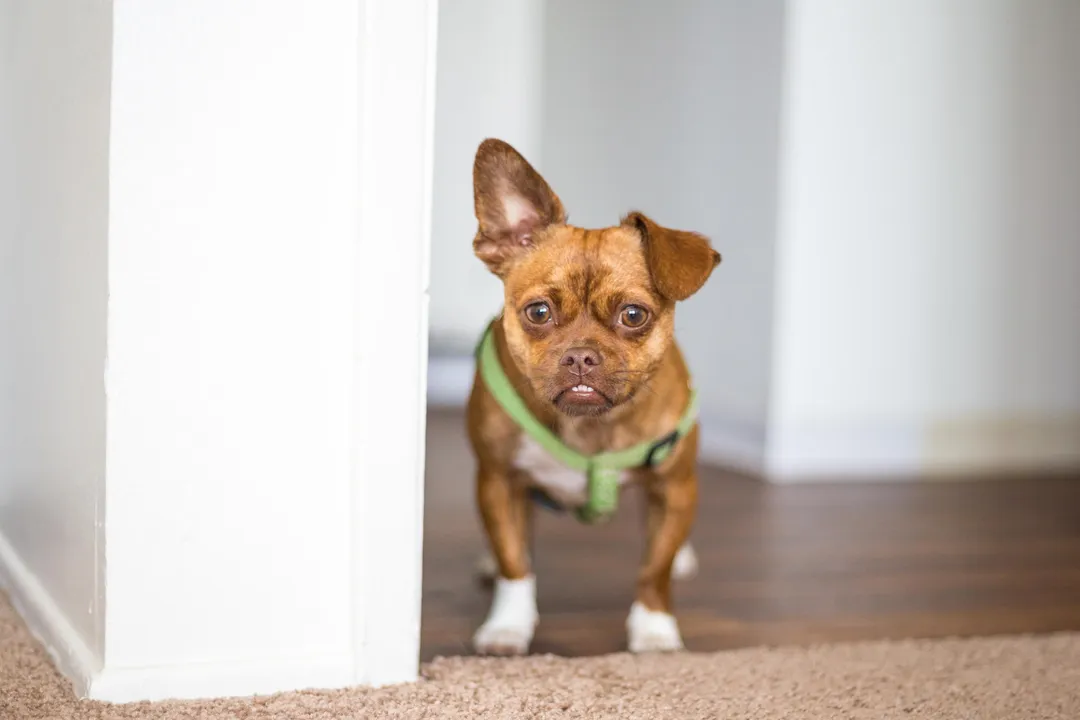
Pugs are generally known for loving a good nap as much as they love their people, though they require daily activity. However, when mixed with more active breeds, the energy level of the offspring can drastically increase.
The Puggle (Pug/Beagle) is noted for being significantly more energetic and requiring much more exercise than a standard Pug, driven by the Beagle’s inquisitive and energetic nature. Likewise, the Jug (Pug/Jack Russell Terrier mix) tends to be very energetic and playful, and the JRT's strong prey drive means early socialization is important if the household includes smaller pets.
The Hug (Pug/Husky mix) can also bring high energy to the home. Huskies are known for their stamina, so a Hug might need up to two hours of exercise daily, though their Pug side might lean toward sofa lounging on occasion. These intelligent dogs are not usually recommended for novice owners due to potential stubbornness inherited from the Husky lineage, combined with the Pug’s clinginess.
In contrast, the Pugapoo (Pug/Poodle mix) inherits intelligence from the Poodle but might balance the Pug’s low-key side. Owners should anticipate a need for regular grooming due to the Poodle coat and plenty of enrichment to keep them stimulated.
# The Naming Convention Analysis
It is worth noting the method used to name these crosses. Most are straightforward portmanteaus, like the Chug or the Puggle. Even the Husky cross, the Hug, is a short, memorable blend. However, some names are less predictable or rely on more obscure combinations. For example, the Dachshund and Pug mix is called the Daug, and the Jack Russell Terrier mix is simply the Jug. The proliferation of these names reflects the high demand for designer dogs, leading to creative, if sometimes confusing, nomenclature for mixes like the Porgi (Pug/Corgi mix) or the Pug-Zu (Pug/Shih Tzu mix). This rapid naming system, absent any governing kennel club standard for these hybrids, means owners must always verify the parentage through direct inquiry rather than relying solely on a popular name tag.
# Looking Beyond the Common Names
While the mixes above feature frequently, the possibilities are vast.
The American Pugabull is a mix with the American Bulldog, potentially resulting in a larger, sturdy dog that balances the Pug's playfulness with the Bulldog’s protective instincts. Similarly, the Pug Pit involves the American Pit Bull Terrier, likely producing a dog larger than a purebred Pug but still loyal and affectionate.
The Pugalier (Pug/Cavalier King Charles Spaniel) is often described as gentle and well-mannered, perfect for family settings. The Schnug (Pug/Miniature Schnauzer) inherits the Schnauzer's working-dog drive, meaning it will require significant physical activity and mental stimulation. Even crosses with ancient breeds like the Pekingese result in the Puginese, which may inherit the aloofness of the Pekingese alongside the Pug's affection, potentially compounding the flat-face health risks shared by both breeds.
# General Care and Original Considerations
Regardless of the name or the parent breeds, caring for any Pug mix requires a keen awareness of the Pug's inherited vulnerabilities, particularly those related to the respiratory system, weight, and dental health.
One critical aspect of ownership, often overlooked by those focusing only on aesthetics, is the management of environmental factors. Because Pugs are brachycephalic, they struggle with heat and cold, and their tendency to gain weight quickly exacerbates any breathing difficulties. If you live in an area with intense summers or harsh winters, you must be prepared to keep your Pug mix primarily indoors and climate-controlled. For instance, a Chug in Phoenix or Minneapolis faces a greater daily management hurdle than one in a temperate coastal city, necessitating dedicated indoor enrichment activities like puzzle toys or obedience drills on those days.
Another point of consistent concern across nearly all these mixes is dental health. Both Pugs and many toy breeds like Chihuahuas and Yorkies are highly prone to periodontal disease. This means that daily teeth brushing—not just providing dental chews—is a highly recommended proactive step for nearly every Pug mix owner to prevent painful extractions later on.
On the training front, many sources stress that despite their small size, these dogs should not be excused from obedience. The tendency to tolerate demanding or noisy behavior in small dogs leads to what is often called "small dog syndrome". Since many Pug mixes inherit a degree of stubbornness or a "terrier-like" self-importance, firm, consistent, positive reinforcement training from puppyhood is essential to maintain a well-mannered companion. Do not let a tiny dog get away with behaviors you would correct in a larger dog, as this inconsistency confuses them and encourages dominance.
Ultimately, while the name—be it Bugg, Porgi, or Chug—gives a starting point, the true identity of any Pug mix is found in its individual personality and the owner's commitment to managing the blend of traits it has inherited. They require a lifetime of attention, love, and mindful care, often spanning 10 to 16 years or more.
Related Questions
#Citations
17 Pug Mixes That Make the Perfect Furry Friends
Pug, Chug, what the fug?
Chug Dog Breed Health and Care
Husky Pug Mix: Meet The Amazing Hug Dog
Chihuahua Pug Mix Facts
Pug Mixes: What You Need to Know About These ...