Where are comet moths found?
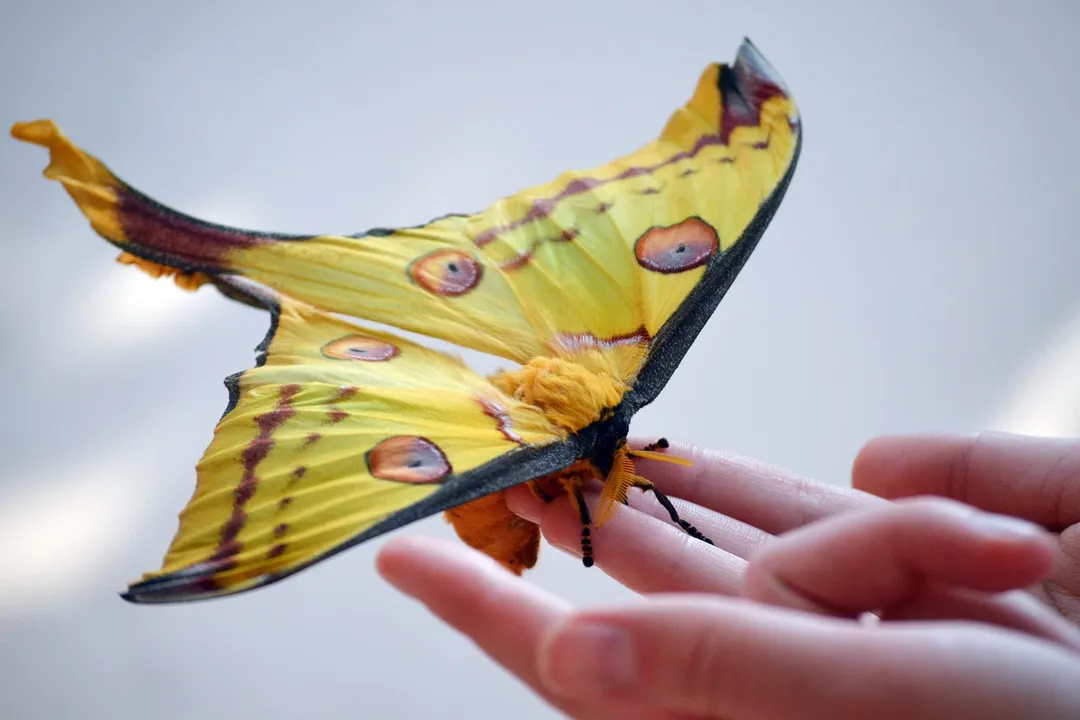
The comet moth, Argema mittrei, known for its spectacular size and astonishingly long, trailing hindwing tails, prompts a very specific geographical question regarding its presence on our planet. While its beauty might suggest a widespread distribution across tropical regions, the reality is far more exclusive: the comet moth is an organism strictly endemic to the island nation of Madagascar. This fact immediately sets the stage for understanding its ecology, as island endemism often implies specialized environmental needs and a vulnerability to external pressures.
# Madagascar Endemic
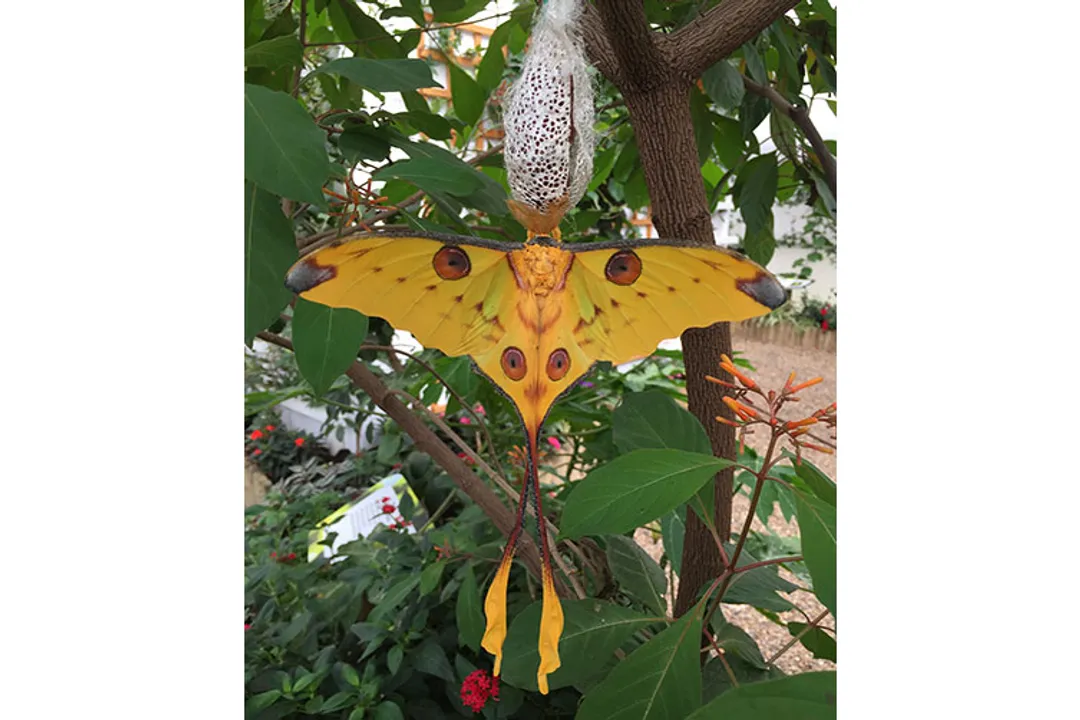
The scientific community and naturalists universally point to Madagascar as the sole natural home of this giant silk moth. Sometimes referred to as the Madagascan Moon Moth, the name itself reinforces its exclusive geographic origin. Being endemic means that you will not find this species naturally occurring in the wild on the African mainland, in Asia, or anywhere else across the globe.
This uniqueness is characteristic of many species found on Madagascar, which boasts an exceptionally high rate of endemism due to its long geological isolation from other landmasses. For the comet moth, this means its survival is intricately tied to the specific ecological conditions present only on that large island off the southeastern coast of Africa. While the provided information focuses heavily on its location rather than detailed habitat specifics, the implication of being an island endemic suggests a requirement for a stable, biodiverse environment—likely the rainforests or woodlands where its host plants thrive.
When considering conservation, understanding this strict geographic boundary is critical. If the native forests of Madagascar face environmental degradation, the entire global population of Argema mittrei is at risk simply because there are no established wild populations elsewhere to act as a genetic reservoir.
# Global Captivity
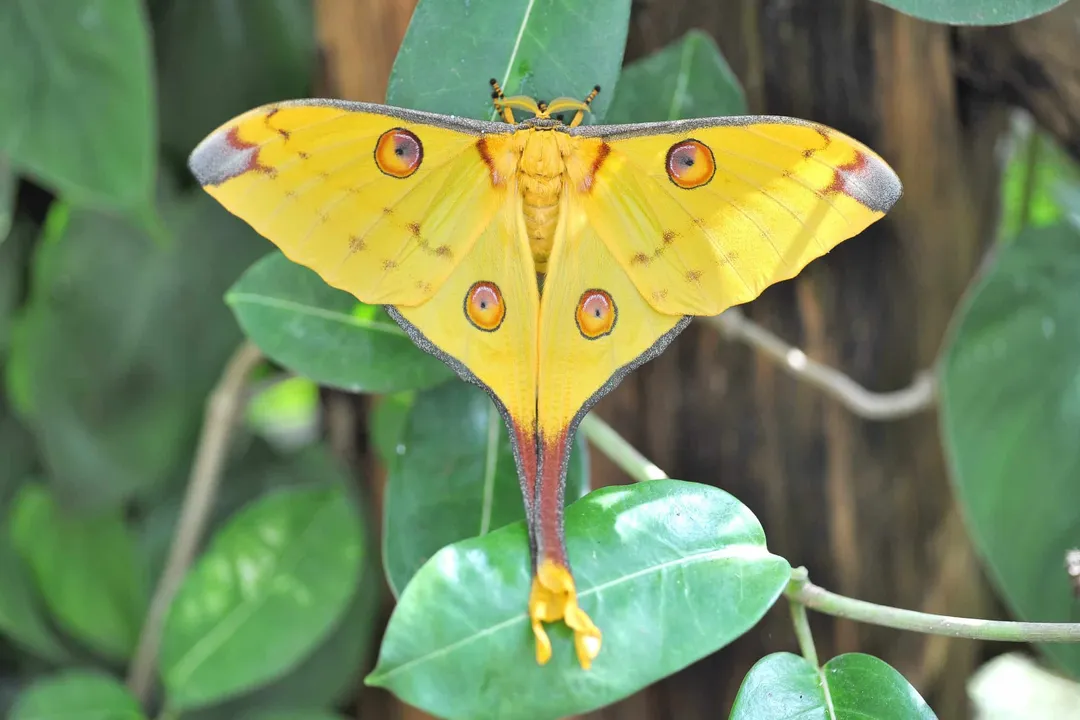
While its wild range is confined to a single island, the incredible visual appeal of the comet moth ensures it can be observed outside of Madagascar in specialized, controlled settings around the world. This secondary distribution is entirely anthropogenic, meaning it results from human efforts, whether for scientific study, education, or exhibition.
A notable example of its presence outside its native range occurred when a specimen emerged from its cocoon at the Peggy Notebaert Nature Museum in Chicago, Illinois, USA, in 2018. This emergence highlights the dedication of entomologists and specialized institutions to rear these magnificent insects in captivity. Such events often generate public interest precisely because the moth is so rare and geographically restricted in the wild.
Institutions that successfully breed or display Argema mittrei must replicate the necessary environmental factors crucial for its survival, often including specific temperature ranges and humidity levels, alongside providing the correct foliage for the larval stage. These captive populations, though small compared to a hypothetical wild one, offer invaluable opportunities for study that would be difficult to conduct in the remote field conditions of Madagascar. For instance, researchers can more reliably observe and document aspects of its life cycle, such as the precise duration of its pupal stage or the exact conditions that trigger eclosion, as seen in efforts documented by specialized breeding sites.
If one were to catalogue every known location of the comet moth, the list would be dominated by forest edges in Madagascar, punctuated by dots on the global map representing science centers and lepidopterist collections.
# Distribution Nuances
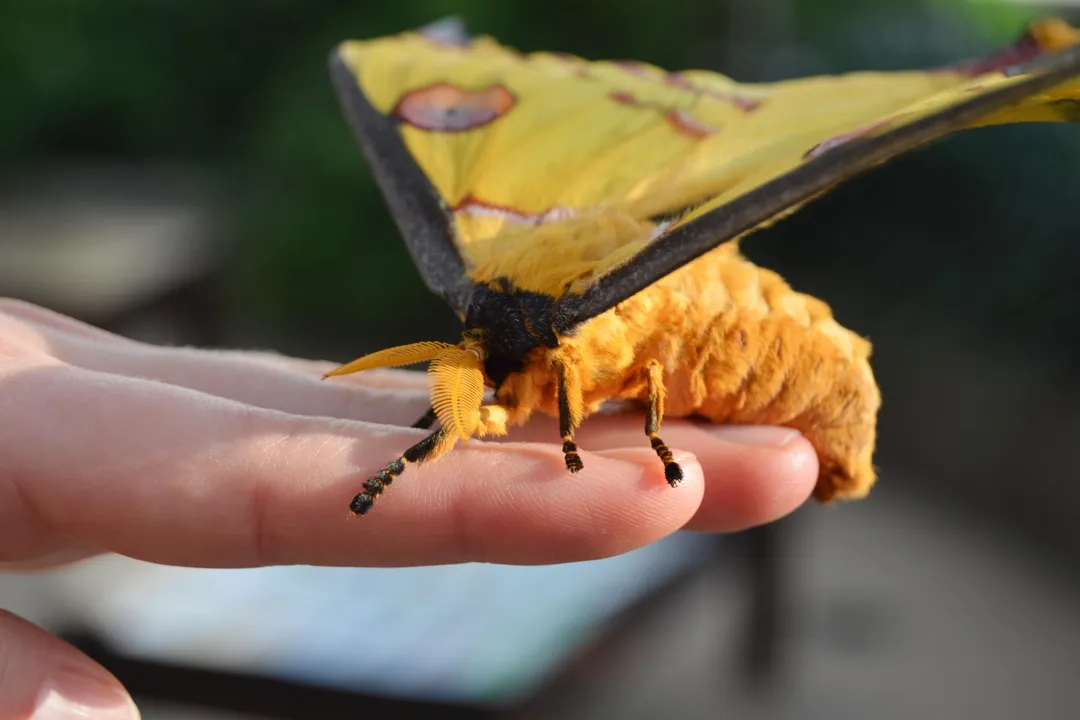
The contrast between the moth’s natural home and its temporary exhibition sites points to an important ecological reality. In its native environment, the adult comet moth has an extremely short lifespan, sometimes lasting only about one week, as it lacks functional mouthparts and cannot feed. This brevity means that sighting one in the wild requires considerable luck and precise timing relative to its emergence from the pupal stage.
Because of this fleeting adult stage, the observations made in places like the Chicago museum offer extended viewing windows that are simply unavailable in nature. An observer in Chicago can spend days studying its physical characteristics, such as the remarkable tails, which can measure up to 15 centimeters in length. Contrast this with Madagascar, where the window for an uninitiated visitor to potentially see a wild adult is narrow, depending on seasonal emergence patterns—a factor that heavily influences when and where researchers might set up traps or conduct surveys.
It is interesting to consider the selective pressure that must exist in Madagascar favoring such dramatic wing extensions. While we know where they are found, contemplating why they are only found there suggests an evolutionary history perfectly matched to Madagascan flora and fauna, perhaps related to specific predator evasion techniques or mate attraction rituals unique to that environment. The tail structures, while visually striking, must serve a clear purpose that has been maintained over millennia in isolation.
# Rearing Challenges
For those interested in the species beyond simple observation, the logistics of maintaining a comet moth population outside Madagascar reveal the difficulty of replicating its specific locale. Replicating the conditions for rearing Argema mittrei demands meticulous attention to detail regarding its larval diet. Successful breeding programs must source or simulate the appropriate native host plants—the specific leaves the caterpillars must consume to gather the necessary resources for that short but spectacular adult life.
Imagine a scenario where a researcher is trying to establish a small captive colony in, say, a European conservatory. If the local oak or maple species is substituted for the correct Madagascan species the larvae evolved to process, the resulting moths may fail to develop or emerge severely underdeveloped, perhaps lacking the signature long tails that characterize the species. This dependency on very specific, localized vegetation further explains why the moth has not easily adapted to non-native ecosystems, reinforcing its strict attachment to its island origin.
Therefore, when you see a picture of this massive moth, the location is almost certainly one of two places: the remote, biodiverse forests of Madagascar, or a highly controlled facility elsewhere dedicated to preserving its image and genetics. The world’s population of these moths is essentially partitioned between the natural environment it evolved in and the handful of human-managed spaces that mimic it.
Related Questions
#Citations
Comet moth - Wikipedia
Comet Moth Insect Facts - Argema mittrei - A-Z Animals
Spotlight: the Madagascan moon moth - Natural History Museum
Rare Comet Moth Emerges From Cocoon at Notebaert Nature ...
The comet moth or Madagascan moon moth (Argema mittrei) is a ...
The comet moth or Madagascan moon moth (Argema mittrei)] is a ...
Argema mittrei, the stunning Madagascan moon moth. - TimeToBreed
Anatrachyntis badia (Hodges, 1962) - Florida Pink Scavenger Moth
The Comet Moth (Argema mittrei), or Madagascan moon ... - Tumblr