Why is a gray fox not a true fox?
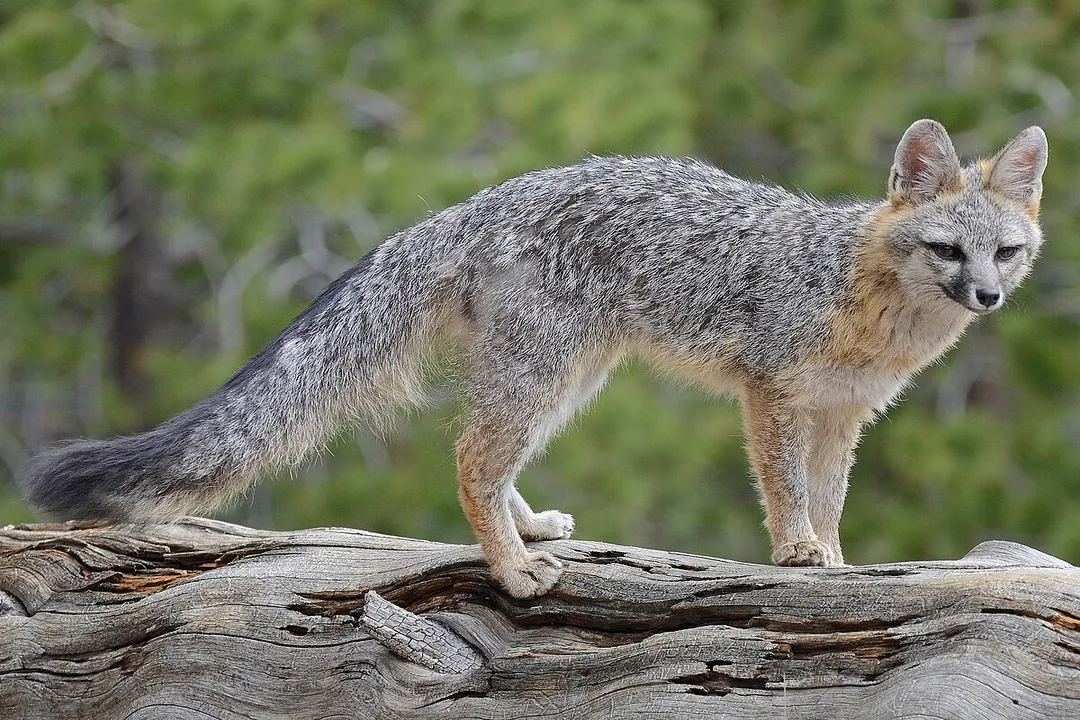
The gray fox, often encountered in wooded landscapes across North America, carries a name that suggests a straightforward membership in the canine family's fox clan. However, a closer look at its evolutionary lineage reveals a fascinating divergence: scientifically speaking, the gray fox is not considered a true fox when compared to its more widely known relatives like the red fox. [2] This distinction isn't merely semantic; it reflects deep genetic and anatomical differences that set the gray fox apart from the dogs, wolves, and the specific group traditionally labeled as "true foxes."
# Taxonomic Divide
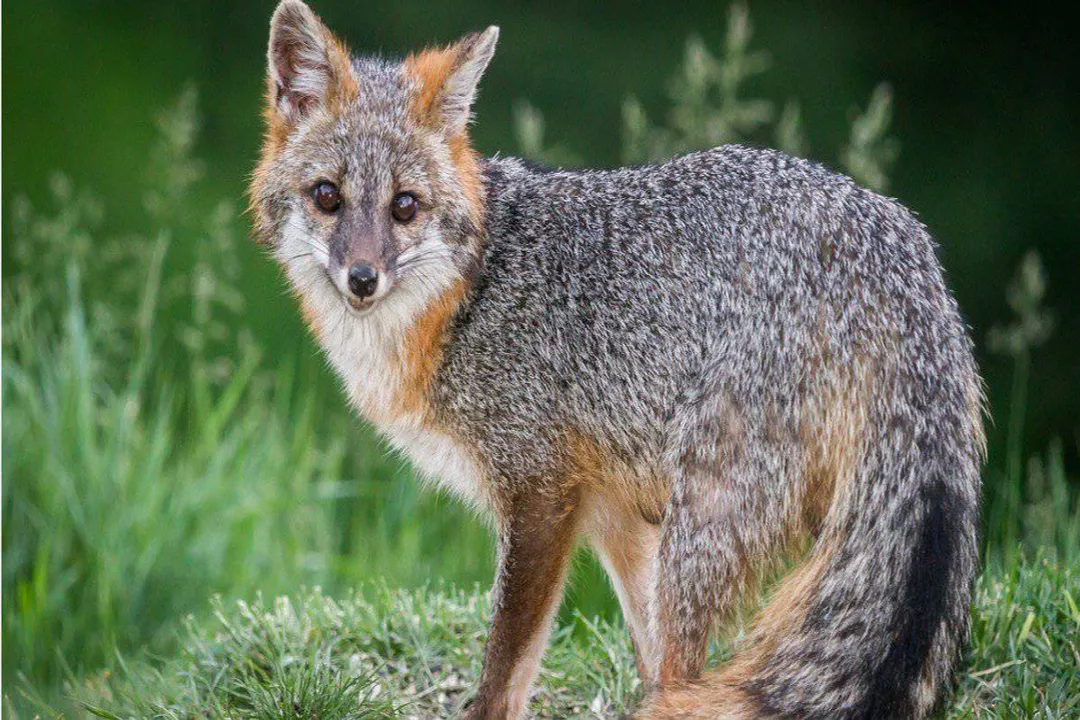
The primary reason for this classification difference lies in taxonomy, the science of naming and grouping organisms. [2] Most of the animals we commonly call foxes—including the swift fox, the European red fox, and the arctic fox—belong to the genus Vulpes. [2] These Vulpes species share a relatively recent common ancestor and possess characteristics that define the "true fox" lineage. [2]
The gray fox (Urocyon cinereoargenteus), however, occupies its own distinct genus: Urocyon. [1][2] This separation is significant because it places the gray fox on a different branch of the Canidae evolutionary tree. [2] While they are both canids and share the general "fox" body plan—a slender build, bushy tail, and pointy muzzle—the genetic distance between Urocyon and Vulpes is substantial enough to warrant separate genera. [1][2] In essence, if the true foxes are a specific family branch, the gray fox is a cousin that split off much earlier in canine history. [1]
One common point of confusion stems from the fact that the gray fox is often contrasted with the red fox (Vulpes vulpes), which is a Vulpes species. [6] In North America, the gray fox coexists with the red fox, but their placement in different genera underscores that while both are vulpines in the broad sense, only one belongs to the Vulpes group. [2][6] The gray fox's unique genus status suggests it is an older, perhaps more basal member of the New World canids compared to the Vulpes members that colonized the continent. [1]
# Unique Anatomy
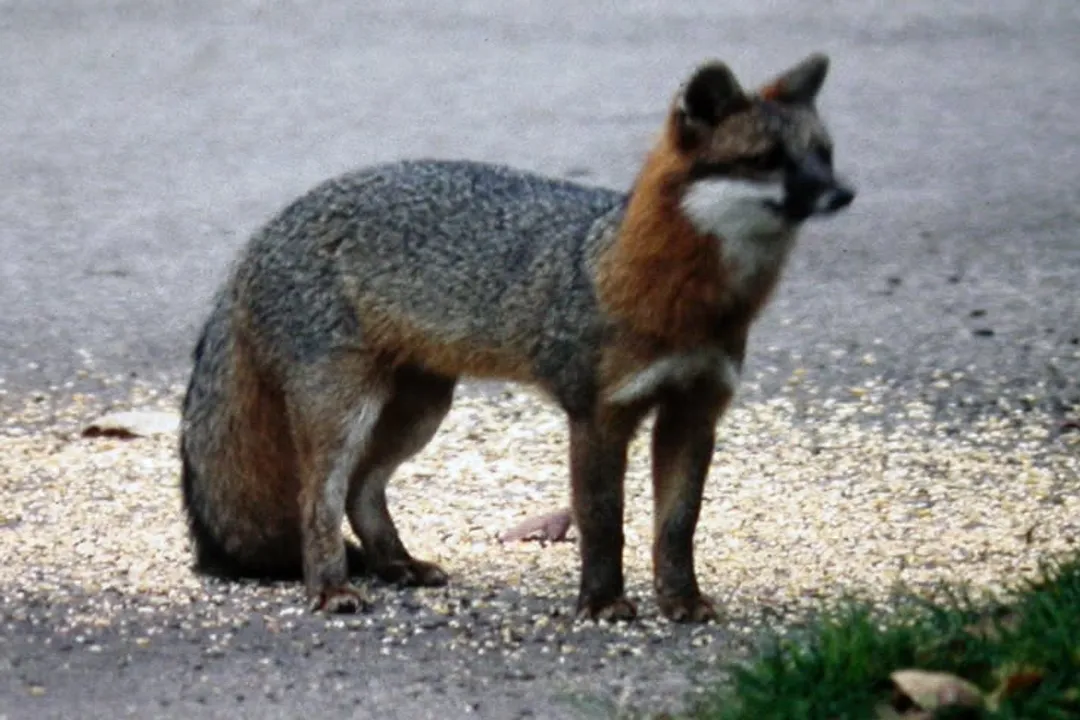
This deeper evolutionary split is reflected in tangible physical traits. The gray fox exhibits several characteristics that distinguish it physically from its Vulpes counterparts. [2][6]
For instance, while both foxes are medium-sized canids, the gray fox often appears stockier than the lean red fox. [6] More telling are the cranial and dental structures, which often provide strong evidence for generic separation in taxonomy, though detailed comparisons are not always readily available to the general public. [1] Perhaps the most striking and behaviorally relevant physical difference involves their feet and legs.
# Climbing Prowess
A trait almost unique among canids, and certainly rare among foxes, is the gray fox's remarkable ability to climb trees. [2][5][7] This skill is a critical adaptation for survival, allowing them to escape larger predators like coyotes or great horned owls. [7] They are able to ascend trees by gripping the bark with their semi-retractable claws, moving almost like a squirrel. [2][5] This climbing behavior is not a trait commonly observed or documented in the Vulpes foxes. [2] This specialized adaptation in Urocyon points directly to an evolutionary path divergent from the ground-dwelling habits of the Vulpes group. [1]
# Ecological Niche
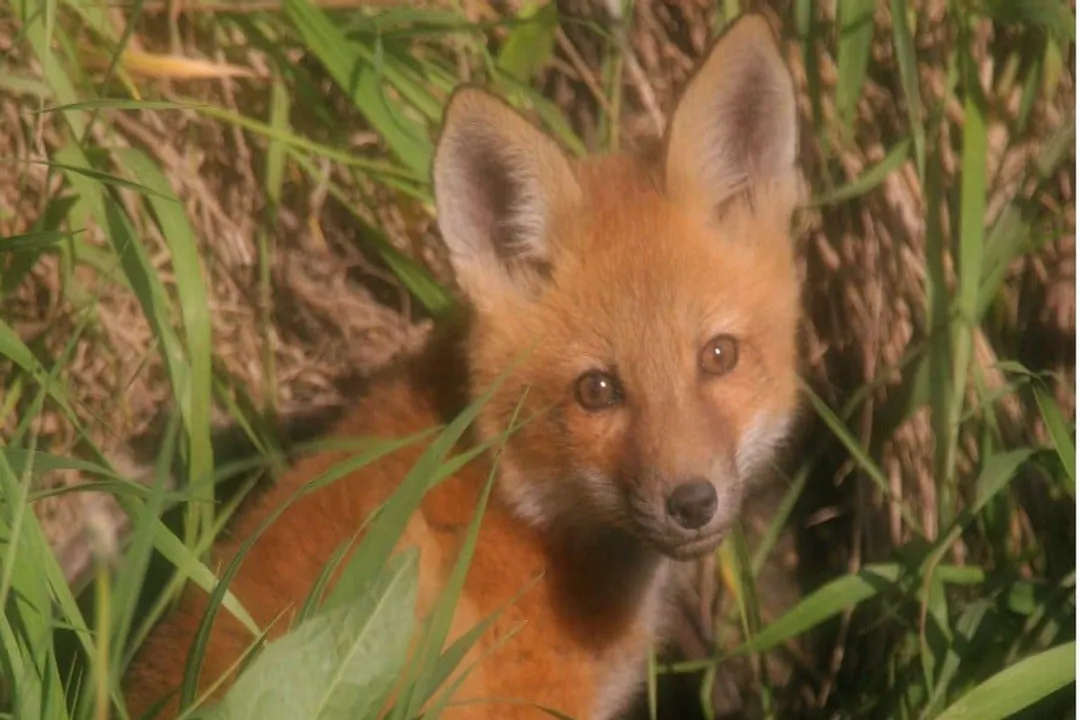
The differing evolutionary paths have also cemented the gray fox into a specific ecological role, especially within its native North American range. [7] They are generally found in brushy, wooded habitats, preferring areas with dense cover that offer protection for denning and escape routes, which aligns perfectly with their climbing abilities. [7]
In contrast, the red fox, especially the introduced European variety, often thrives in more open environments, although it is highly adaptable. [8] This habitat preference difference can sometimes influence population dynamics. In areas where the larger, more dominant red fox has expanded its range, the smaller, more woodland-dependent gray fox can sometimes be displaced from prime areas. [8] Understanding this niche partitioning helps explain why one species might be more prevalent than the other in a given location, even if both share the "fox" moniker. [8]
The gray fox is one of only two fox species in the world belonging to the Urocyon genus; the other is the island fox (Urocyon littoralis), found only on the Channel Islands off the coast of California. [2] The island fox is essentially a miniature, specialized descendant of the mainland gray fox. [2] This close genetic tie within the Urocyon genus further solidifies the gray fox's unique standing, separate from the Vulpes family which contains a much larger global diversity of species. [2]
# Distinguishing Physical Features
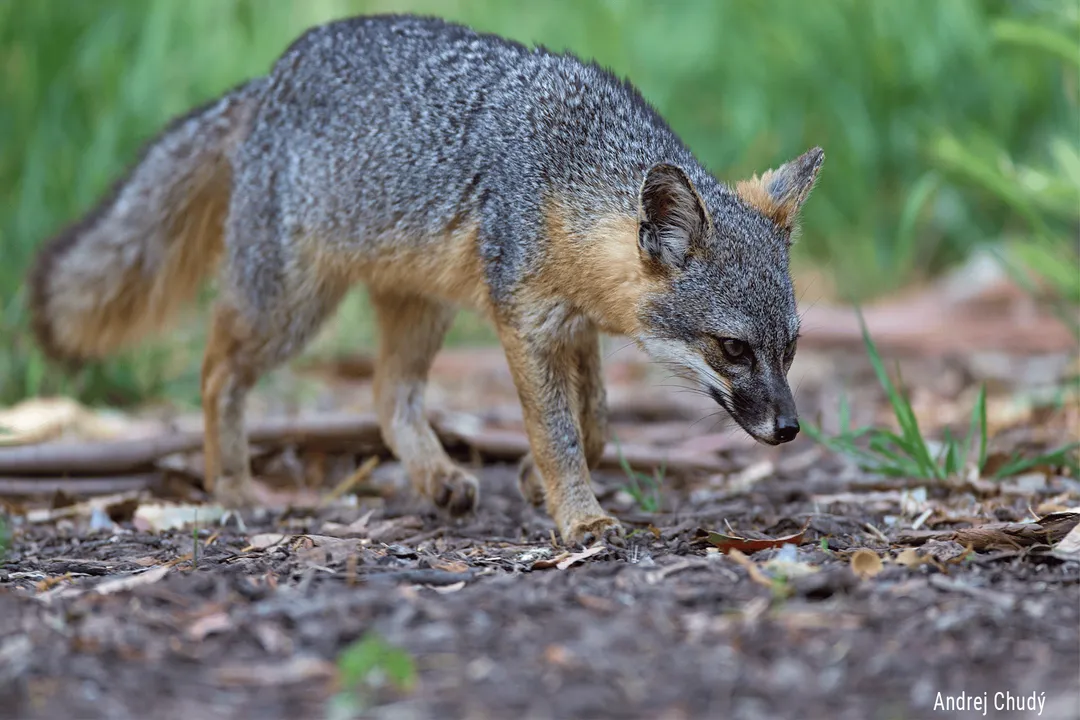
Beyond genus, several surface-level features help differentiate the gray fox from its Vulpes cousins, particularly the red fox, which is its most common visual comparison. [6]
| Feature | Gray Fox (Urocyon) | Red Fox (Vulpes) |
|---|---|---|
| Coloration | Salt-and-pepper gray coat, black stripe down the back and tail tip [6][7] | Bright reddish-orange coat, white-tipped tail [6] |
| Tail | Bushy, distinct black stripe, black tip [6] | Bushy, white tip (though variations exist) [6] |
| Size | Generally smaller and stockier [6] | Generally larger and leaner [6] |
| Unique Trait | Excellent climber [2][7] | Primarily terrestrial |
The tail tip is a surprisingly reliable field mark. The gray fox consistently sports a black tail tip, whereas the red fox typically has a white tail tip. [6] While coloration can sometimes be misleading or vary slightly, the underlying structural differences confirmed by genetic analysis are absolute in determining the genus placement. [2]
When observing a gray fox, note the way its coat appears visually mixed—a blending of black, white, and rust tones, leading to that characteristic grizzled or "salt-and-pepper" appearance, as opposed to the vibrant red wash of Vulpes vulpes. [7] Furthermore, the gray fox often has a more solid black line running along the top of its back. [6]
# Deeper Evolutionary Insights
The placement of the gray fox in Urocyon suggests it survived a major diversification event within the Canidae family that the Vulpes lineage passed through differently. [1] Thinking about canine family trees, the Urocyon genus is sometimes suggested to be an early offshoot from the common ancestor of modern canids, predating the radiation of the true foxes. [1] This makes studying the gray fox akin to looking at a living fossil that retains primitive traits absent in the more derived Vulpes group. [1] For example, some analyses suggest Urocyon species possess a different number of chromosomes than Vulpes species, a fundamental genetic difference that prohibits them from interbreeding and confirms their status as distinct genera. [1]
Considering the long history of the Urocyon lineage, it is fascinating to consider how this ancient canid adapted to the New World environment while retaining its primitive climbing ability, a trait that has proven incredibly beneficial for avoiding direct competition with newer arrivals like the red fox. [8] If the gray fox had evolved purely on the ground like its Vulpes relatives, it might have been outcompeted entirely when red foxes expanded their territory northward. [8] Its retention of this specialized physical feature provided a buffer against extinction or range contraction that might otherwise have occurred.
# Practical Considerations for Wildlife Enthusiasts
For those interested in local wildlife, recognizing the gray fox’s unique nature changes how you might approach observation or conservation efforts. Since their primary defense is vertical escape, spotting one might involve looking up into trees rather than just watching the ground. [7] When local wildlife agencies manage populations or study fox behavior, they must account for the gray fox’s specialized denning habits, which might include rock crevices or tree hollows in addition to traditional burrows. [7]
If one were to map the distribution of Urocyon versus Vulpes across North America, a pattern might emerge showing the gray fox holding onto forested regions where the red fox may struggle with thick undergrowth or heavy canopy cover, while the red fox dominates agricultural fields and open plains. [8] This geographical segregation, driven by both habitat needs and interspecies competition, is a direct consequence of their differing evolutionary paths and physical capabilities. [8] Observing a healthy population of both species coexisting locally is often a sign of a balanced, intact ecosystem that provides diverse habitat structures, including both open areas and dense woodland refuge. [7] This subtle ecological balance is far more complex than just having two "foxes" sharing a territory.
# A Closer Look at Lineage
To further illustrate the separation, consider the phylogenetic relationship among canids. The family Canidae includes wolves, dogs, coyotes, jackals, and foxes. [2] Within the foxes, we see the Vulpes genus alongside Urocyon, and sometimes other minor genera depending on the classification system used. [2] The fact that the gray fox belongs to the older, separate Urocyon genus means that the common ancestor it shared with the Vulpes foxes lived much further back in time than the common ancestor shared between, say, the red fox and the swift fox (both Vulpes). [1]
This ancient separation is the definitive scientific answer to why it is "not a true fox" in the restricted sense of the term used by many zoologists who reserve "true fox" for the Vulpes group. [2] It is a case where common naming conventions lag behind modern genetic understanding. Much like how pandas are sometimes called bears but possess unique traits, the gray fox carries the common name but is structurally and genetically distinct from the Vulpes assemblage. [1] Its survival over millions of years, largely unchanged in its core characteristics, makes it a remarkable survivor in the Canidae family. [1]
The very specific adaptations, like that tree-climbing ability, which have allowed the Urocyon lineage to persist in North America even as other canids have evolved, highlight why maintaining the separate genus is important for scientific accuracy. [2][7] It acknowledges a unique evolutionary history that differs significantly from the more widespread and recently diversified Vulpes group. [2] Therefore, while every gray fox is a fox in everyday conversation, it represents a different chapter in the story of canid evolution than its Vulpes relatives. [1] This fascinating split between Urocyon and Vulpes offers a window into the deep history of carnivore diversification on the continent. [7]
This understanding of taxonomy is crucial for anyone seeking accuracy when discussing North American wildlife. [1] The gray fox is an evolutionary success story, carving out its own specialized niche through anatomical distinctions that place it outside the widely recognized "true fox" category defined by the Vulpes genus. [2][7]
#Videos
Not All Foxes Are Foxes - YouTube
Related Questions
#Citations
Is grey fox really a fox? : r/askscience - Reddit
Gray fox - Wikipedia
Gray foxes are older than red foxes - Facebook
Fox Profile - Project Coyote
Not All Foxes Are Foxes - YouTube
Gray Fox vs Red Fox: What Are The Differences? - A-Z Animals
DNR: Fish & Wildlife: Gray Fox - IN.gov
Why are red foxes more common than gray foxes in North America?
When is a fox not a 'fox'? - Spaces, Places and Beings