Where are fox snakes found?
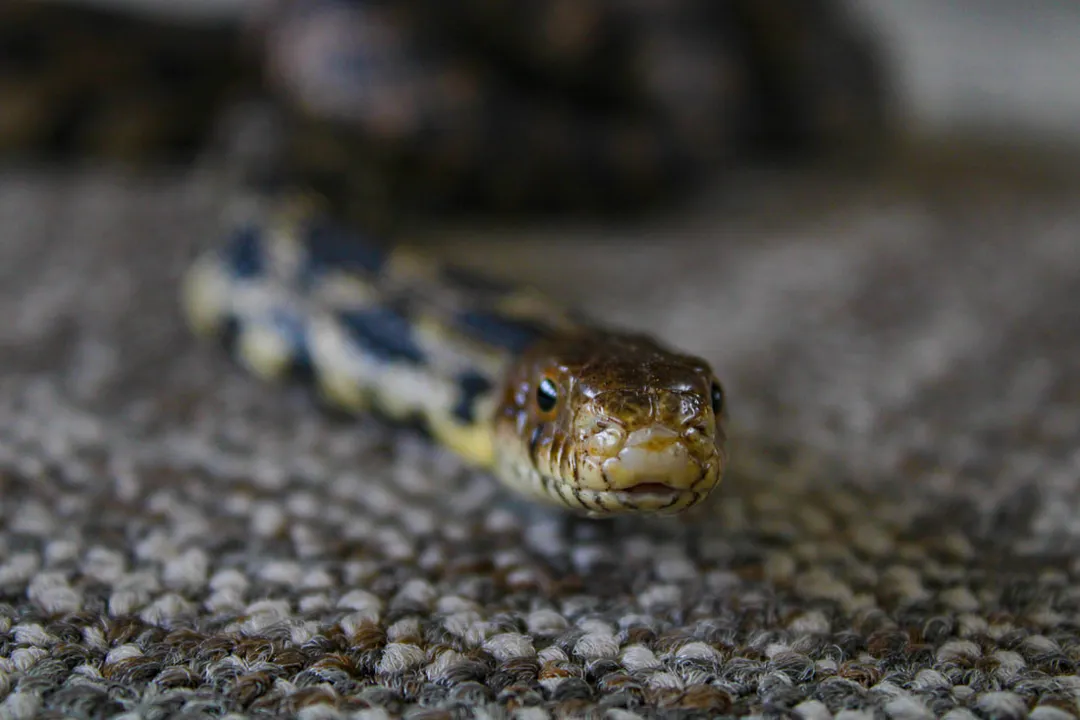
The distribution of fox snakes is a fascinating study in regional herpetology, primarily involving two closely related species whose ranges overlap and abut across the upper Midwestern United States and into Canada. Pinpointing exactly where to find them requires understanding the specific territories claimed by the Western Fox Snake (Pantherophis vulpinus) and the Eastern Fox Snake (Pantherophis gloydi), as their boundaries are often defined by state lines and specific geographical pockets. [2][8]
# Species Geography
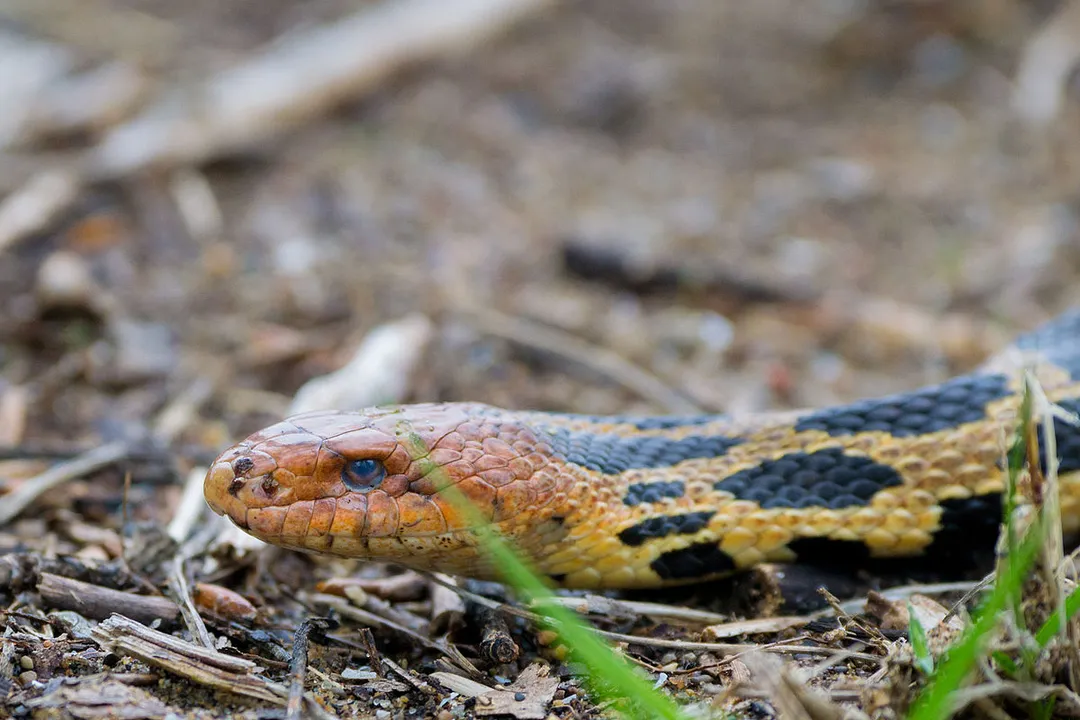
Fox snakes, in general, are associated with the Great Lakes region and adjacent inland areas, but precise location depends entirely on which species you are seeking. [3] While both are large, non-venomous snakes, their geographical segregation is quite distinct, leading to different conservation focuses across the states they inhabit. [4][9] For instance, in Minnesota, the situation is particularly interesting because one species is extant while the other is considered locally extinct. [3] Understanding the territory of the Western Fox Snake versus the Eastern Fox Snake is key to correctly mapping their presence. [2][6]
# Western Range
The Western Fox Snake (Pantherophis vulpinus) tends to occupy a more westerly slice of the region defined by the Great Lakes basin. [6] Its established territory includes parts of Wisconsin, Iowa, and Illinois. [6][7]
In Wisconsin, for example, the Western Fox Snake is the only species of fox snake currently recognized, and it is generally found in the eastern half of the state. [9] Historical data suggests that its range might have been broader across Wisconsin previously, but current observations place it more reliably in the eastern regions. [9] This species also makes its home in southern Wisconsin, often near grasslands or open woodlands. [9]
Moving southwest, the Western Fox Snake is documented in eastern Iowa. [6] Similarly, in Illinois, P. vulpinus is known to inhabit the northern parts of the state, specifically mentioned as being found in northern Illinois. [6]
| State | Primary Fox Snake Species | Key Range Descriptor |
|---|---|---|
| Wisconsin | P. vulpinus (Western) | Generally eastern half [9] |
| Iowa | P. vulpinus (Western) | Southern part of the state [6] |
| Illinois | P. vulpinus (Western) & P. gloydi (Eastern) | Overlap/Specific counties [4][6] |
# Eastern Territory
The Eastern Fox Snake (Pantherophis gloydi) occupies a more confined, eastern distribution, reaching into Canada. [8] This species is found in the extreme southeastern corner of Minnesota. [2][3] In Minnesota, where both species were once considered, only the Eastern Fox Snake currently maintains a stable presence, as the Western Fox Snake is believed to be extirpated, meaning it has been locally wiped out. [3]
The range continues south and east into Illinois, where the Eastern Fox Snake is specifically located in the northeastern portion of the state, often noted as being present in the northern two counties or the northeastern quadrant generally. [4] It is important to note that Illinois appears to be a shared state, meaning P. gloydi is found alongside P. vulpinus, requiring closer examination of specific counties for accurate identification. [4][6]
Perhaps the most easterly documented population of the Eastern Fox Snake is found across the border in Canada, specifically restricted to the southern tip of Ontario. [8] This tight clustering in southeastern Minnesota, northeastern Illinois, and southern Ontario suggests that this species prefers very specific environmental conditions or that its range has been heavily fragmented over time. [2][4][8]
# Range Intersections
The geographical relationship between these two species presents an interesting case study in biogeography within the Upper Midwest. The area encompassing northern Illinois, southern Wisconsin, and eastern Iowa effectively forms a shared zone, though the precise boundaries between where P. vulpinus dominates and where P. gloydi exists are very sharp. [4][6][7] For example, while P. vulpinus covers much of southern Wisconsin, P. gloydi's presence is confined to the extreme southeast of Minnesota and specific parts of Illinois. [3][8] This pattern suggests a historical barrier or differing environmental niche preference that has kept their full distributions separate, save for the area in Illinois where both are potentially found. [4][6] If you are observing a fox snake in the northern Illinois region, careful examination is necessary, as you could be looking at either P. vulpinus or P. gloydi depending on the specific county or habitat type. [4][6]
When considering conservation efforts, these distinct boundaries are critically important. A resident in a region confirmed to host the Western Fox Snake, like central Wisconsin, might focus their local protective measures on habitats typical for P. vulpinus. [9] Conversely, anyone in the narrow band along the Mississippi River in southeastern Minnesota should understand they are looking for P. gloydi, a species with an exceptionally limited range in that state, making every sighting significant. [2][3] This localized focus means that habitat loss in one county could mean the complete disappearance of a species from an entire state, as evidenced by the Western Fox Snake's extirpated status in Minnesota. [3] Recognizing these specific county or regional restrictions, rather than just a broad state range, is vital for local ecological monitoring.
The fact that the Eastern Fox Snake's range seems to tightly hug the Great Lakes shoreline or influence zones—from Ontario down through Illinois and into Minnesota—while the Western Fox Snake extends slightly further west into Iowa, hints at a potential adaptation to specific moisture levels or historical glacial formations that shaped the landscape differently across that narrow East-West divide. [6][8] For those interested in finding these beautiful snakes, targeting areas near the known boundaries, like the edges of southeastern Minnesota or the northernmost Illinois counties, might offer the best chance to observe the rarer or more restricted species, provided one is aware of the exact species endemic to that micro-region. [2][4] Simply knowing you are in a "fox snake state" is not enough; knowing which fox snake inhabits your specific patch of prairie or woodland is where the real identification challenge begins. [3][9]
Related Questions
#Citations
Pantherophis vulpinus - Wikipedia
Pantherophis gloydi (Eastern fox snake)
Western Fox Snake | Minnesota DNR
eastern foxsnake - Illinois Department of Natural Resources
The Fox Snake Is Essential for the Great Lakes Region
WESTERN FOX SNAKE - Hartman Reserve Nature Center
Western Fox Snake Fact Sheet | racinezoo.org
Pantherophis gloydi (eastern fox snake) - Animal Diversity Web
Eastern Foxsnake | Pantherophis vulpinus - Wisconsin DNR