Where are marble foxes?
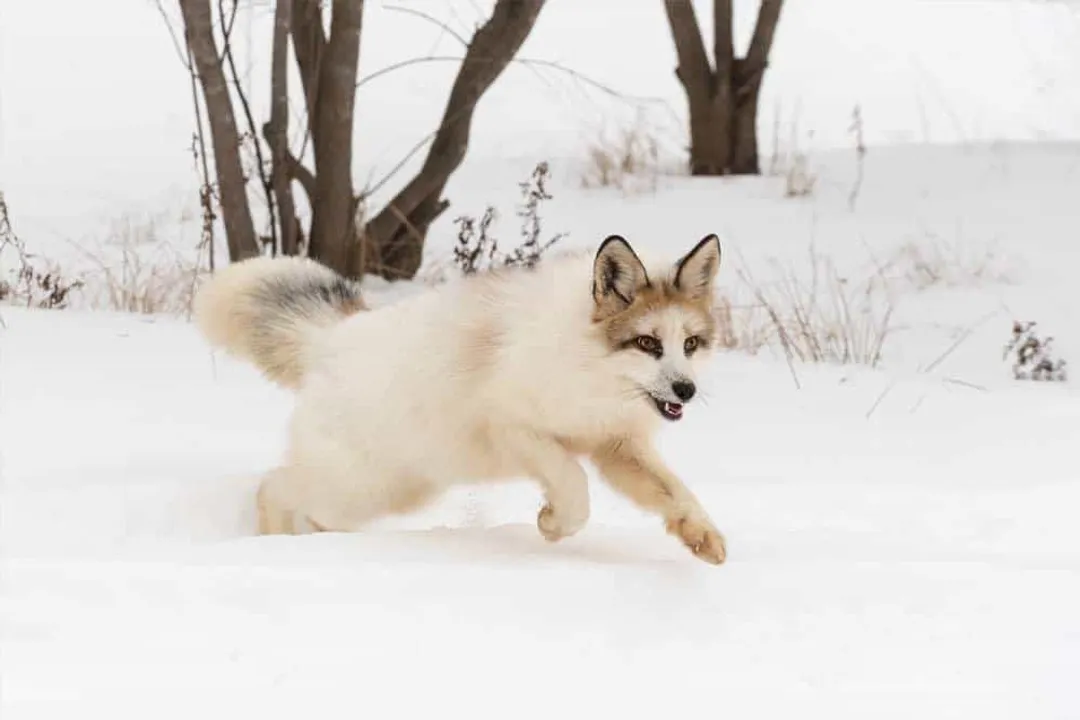
The term "marble fox" often conjures images of a strikingly beautiful, uniquely patterned creature, but its actual geographical location is a bit more nuanced than a simple map pin suggests. These foxes are not a separate species; rather, they are recognized primarily as a color morph of other fox species, most commonly the Red Fox (Vulpes vulpes). This specific coloration—the marbled effect—is a result of a recessive gene. While frequently called the "Canadian Marble Fox," implying a specific native habitat in Canada, this name is often more a marketing term than a strict biological descriptor of an endemic subspecies.
# Coloration Genetics
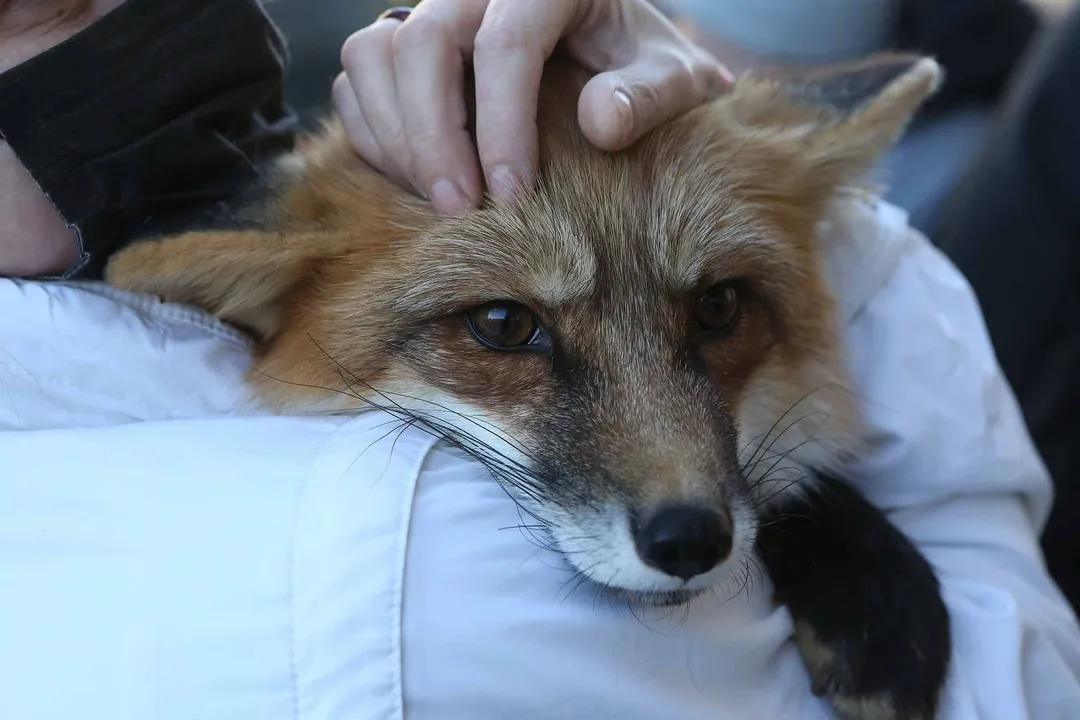
The striking appearance that gives the marble fox its name is defined by its coat. The "marble" pattern involves a mix of colors that swirl or streak across the fur, often featuring shades of white, silver, grey, and sometimes touches of gold or cream. This is distinct from the typical solid red, silver, or cross phases of the Red Fox. When discussing the coloration, it is important to recognize that the trait is carried recessively. This means that for a fox to display this specific pattern, it must inherit the gene for it from both parents.
It is worth noting that while the Red Fox is the most common source for the marble pattern in commercial contexts, confusion sometimes arises with the Arctic Fox (Vulpes lagopus). One source explicitly points out that despite the common moniker, the "Arctic Marble Fox isn't Arctic". This highlights a key issue in identifying these animals: the popular name often misrepresents their true genetic lineage or geographic origin. In essence, you are looking at a genetically unique presentation of a widespread species, not a localized wild population with a fixed home range.
# Geographic Misconceptions
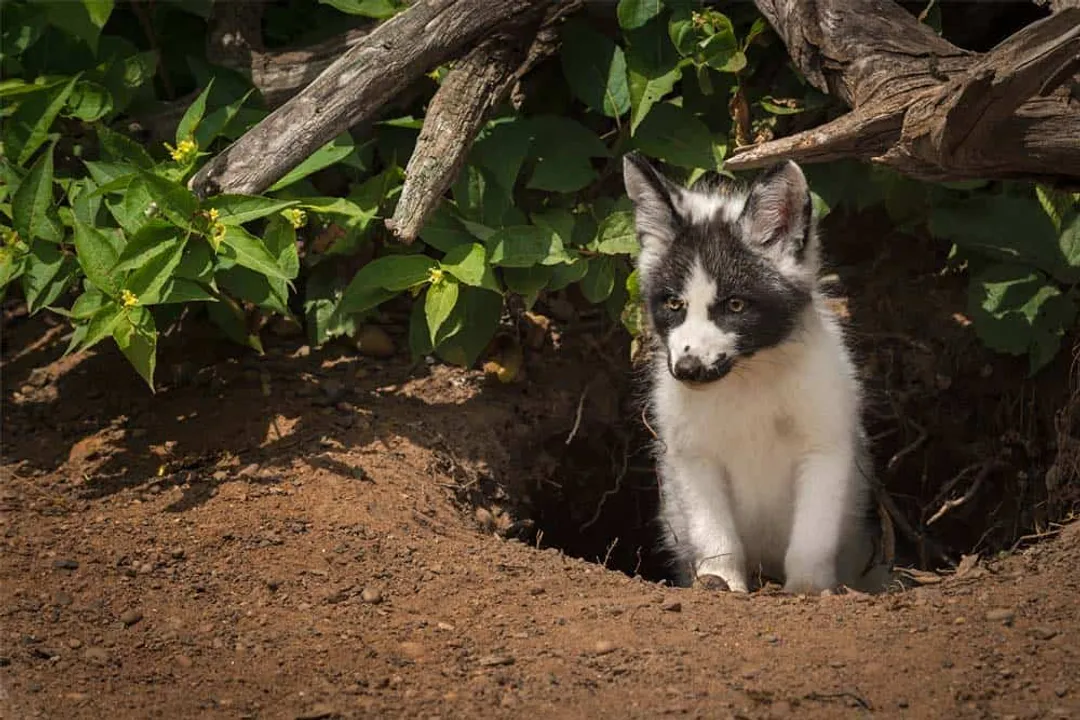
When searching for where these beautiful animals reside in the wild, the information becomes less straightforward due to the aforementioned naming conventions. The association with Canada, as in the "Canadian Marble Fox," suggests North America as a natural range. However, the species that carries the recessive gene, the Red Fox, has one of the widest distributions of any terrestrial mammal, found across the entire Northern Hemisphere. Therefore, if a wild fox displayed this rare coloring, it could theoretically appear anywhere Red Foxes exist, though it would remain exceptionally rare due to the recessive nature of the trait.
The naming convention appears to have originated, at least partially, from breeders marketing captive-bred animals. For instance, some sources associate the term with a specific breeding program, rather than a wild population endemic to a specific Canadian region.
This branding creates an interesting disconnect: while the Red Fox is truly cosmopolitan, the marble coloration is primarily an artifact of selective breeding in captivity, even if the genetic potential exists naturally. The true "where" question often leads to places where these animals are intentionally raised, such as specialized farms or as exotic pets, rather than specific wild territories.
To illustrate this branding impact, consider the difference: a truly native Arctic Fox exhibits seasonal color change, typically turning white in winter. A marble fox, regardless of the geographical name attached, is defined by its pattern, which is what breeders isolate and propagate. This suggests that if you are looking for marble foxes, your search is better focused on captive populations managed for specific traits rather than tracking migratory patterns of a distinct wild group.

# Domestic Environments
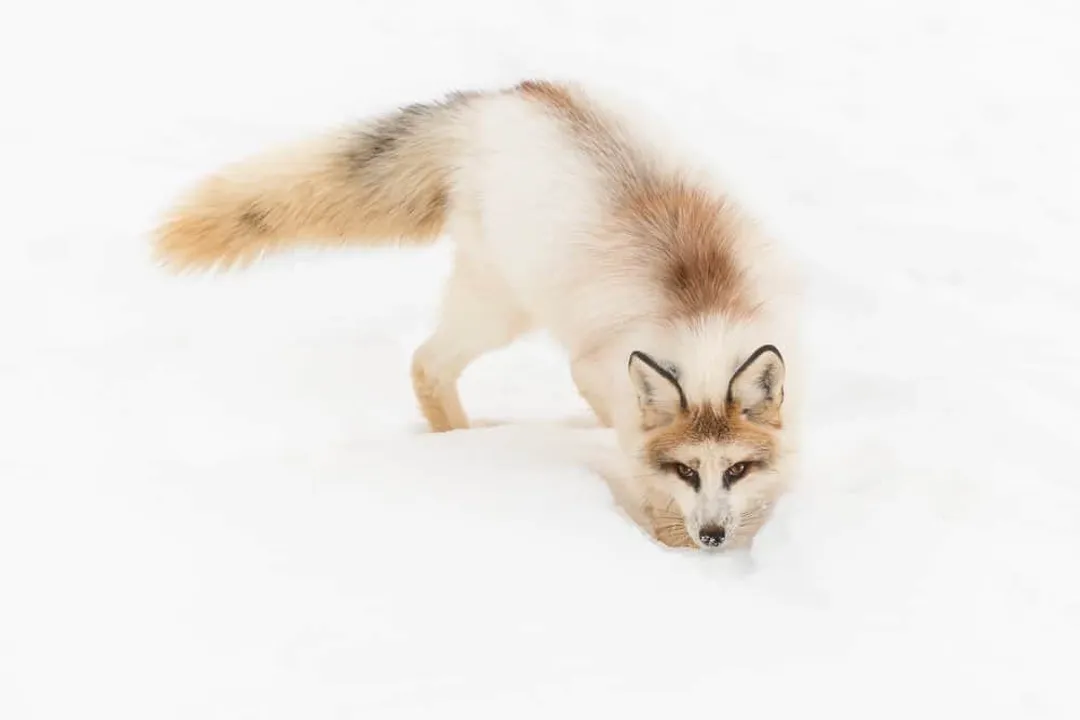
A significant part of the marble fox narrative involves their status as companion animals. Information suggests that some marble foxes are bred specifically for the pet trade, sometimes being offered as "exotic companions". This reality means that many of these animals are found not in the wild, but in private homes or specialized sanctuaries.
If someone is considering acquiring one, the location shifts to the owner’s property, which brings forward critical considerations beyond geography. They are not domesticated in the way a dog or cat is; they retain many wild instincts. Successful ownership often requires understanding the specific needs associated with their lineage. For example, while they are often described as elegant or beautiful, their care involves managing high energy levels and unique behavioral patterns inherent to wild canids.
When looking at the requirements for keeping them, there's a noticeable emphasis on containment and specialized environments. A potential owner needs to be aware of local laws, as exotic pet ownership is heavily regulated or outright banned in many jurisdictions. A useful checklist for anyone encountering these foxes in a non-wild setting would involve verifying the legitimacy of the breeder or seller—ensuring they adhere to ethical breeding practices rather than simply maximizing profit on a rare look—and confirming local exotic animal ordinances before any commitment is made. This vetting process is crucial because the supply chain for these animals is not standardized like that for common domestic pets.
For those interested in conservation or rescue efforts, finding marble foxes often means looking toward wildlife centers that take in surrendered exotic pets. These sanctuaries become the secondary, and often more permanent, "home range" for animals that cannot thrive in traditional domestic settings.
# Distinguishing Fox Types

To better pinpoint where a marble fox isn't found, it helps to compare its description with other foxes that might be mistaken for it or share a similar environment. The Red Fox, Vulpes vulpes, has a vast global reach. Its cross fox and silver fox variants are simply other color phases, sometimes appearing alongside the marble morph in breeding programs, which further complicates the geographic labeling.
In contrast, the Arctic Fox is strongly tied to the tundra and colder climates, with its appearance changing seasonally to aid camouflage. While the Arctic Fox is famous for its white winter coat, the marble coloration, when seen on an Arctic Fox line (though less common commercially than the Red Fox variant), would not necessarily indicate an Arctic habitat if that specific color was achieved via captive breeding, which is suggested by the source material questioning the "Arctic Marble Fox" designation.
Here is a comparison focusing on identification versus location:
| Feature | Red Fox (Common Source) | Arctic Fox | Marble Fox (Color Morph) |
|---|---|---|---|
| Species | Vulpes vulpes | Vulpes lagopus | Typically V. vulpes variant |
| Natural Range | Widespread across Northern Hemisphere | Arctic, tundra regions | Wild occurrence is rare; bred in captivity |
| Defining Trait | Red/orange coat, white underside | White in winter, brown/grey in summer | Swirling, streaked pattern of various colors |
An interesting analysis emerges when contrasting the romanticized name with the biology: the existence of the "Canadian Marble Fox" suggests a powerful cultural association linking unique beauty with a specific North American wild identity. However, the reality is that the vast majority of these patterned animals owe their existence to breeders who isolate a rare recessive gene present in the widely distributed Vulpes vulpes, meaning their current location is largely dependent on human decision-making rather than natural selection in a specific biome.
# Finding Them in Media and Sanctuaries
Because wild sightings are exceedingly uncommon, the next most likely place to "find" marble foxes is through media and rescue organizations. Video content, for example, often showcases the temperament and unique movement of these animals, which helps potential owners or enthusiasts understand their nature. These videos, frequently showcasing captive animals, become the primary source of visual information for the general public about the animal's appearance and energy.
Furthermore, organizations dedicated to the care of exotic canids or rescued foxes often house animals that fall under this description. These sanctuaries serve as crucial points of reference, offering insights into long-term health management and the complexities of caring for an animal bred for appearance rather than survival in the wild. If one seeks to see a marble fox in a setting where its welfare is prioritized above breeding or sale, these rescue centers are often the best locations to investigate, understanding that access may be limited to tours or adoption application processes.
Ultimately, the location of the marble fox is less about latitude and longitude and more about genetics and commerce. They are a product of recessive inheritance within the widespread Red Fox population, geographically localized by the efforts of breeders and subsequently found in domestic settings or specialized care facilities across various regions where their ownership is permitted. The "wild" location remains theoretical, constrained by the rarity of the necessary recessive gene combination occurring naturally and surviving to maturity.
#Videos
What is the Canadian Marble Fox? Everything You Need To Know!
Related Questions
#Citations
This is the CANADIAN MARBLE FOX - Winter's Most Elegant Fox ...
Canadian Marble Fox: What You Need to Know - A-Z Animals
The Canadian marble fox or just marble fox are foxes that are found ...
What is the Canadian Marble Fox? - Dan's Pet Care
What is the Canadian Marble Fox? Everything You Need To Know!
The Arctic Marble Fox Isn't Arctic! - For Fox Sake Wildlife Rescue
Canadian Marble Fox | Nature's Beauty | by Animal Learns - Medium
5 Canadian Marble Fox Facts - Fact Animal