Is a jackal a dog or a fox?
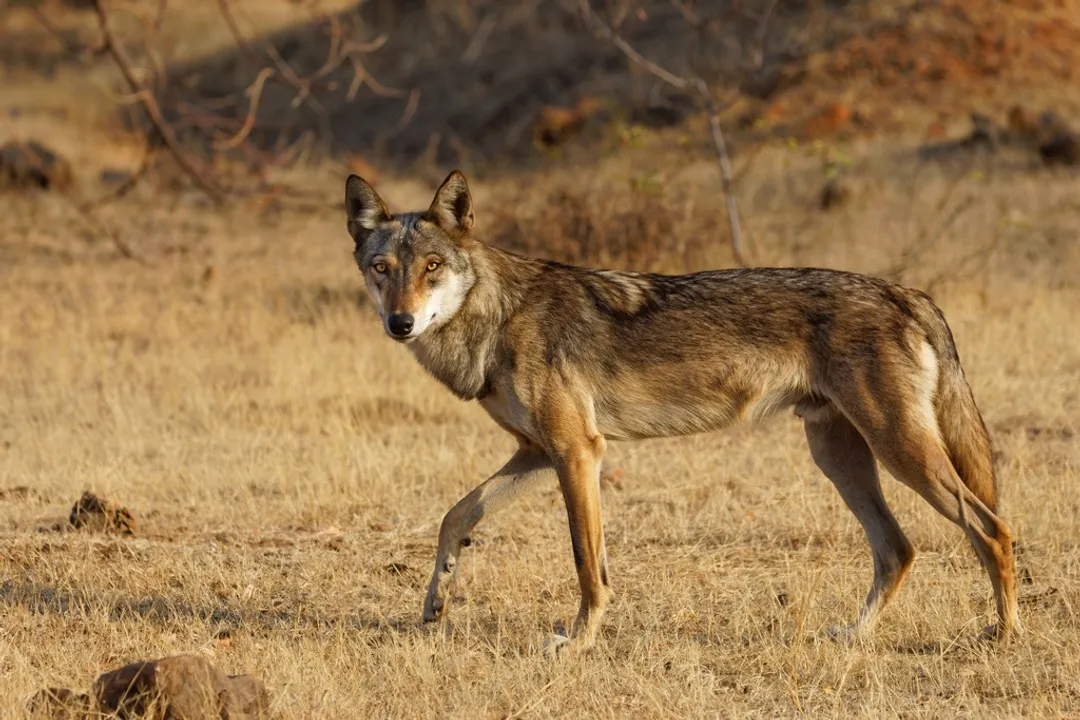
The very name "jackal" often conjures up an image somewhere between the cunning fox of European folklore and the loyal, yet wild, canine of the savanna. Trying to pin down whether a jackal aligns more closely with a dog or a fox plunges us straight into the complexities of mammalian taxonomy. These animals certainly look like a blend of both—possessing the slender build and cunning reputation sometimes associated with foxes, yet belonging squarely within the larger Canidae family, the same group that includes domestic dogs, wolves, and coyotes. [1][7]
# Family Tree Placement
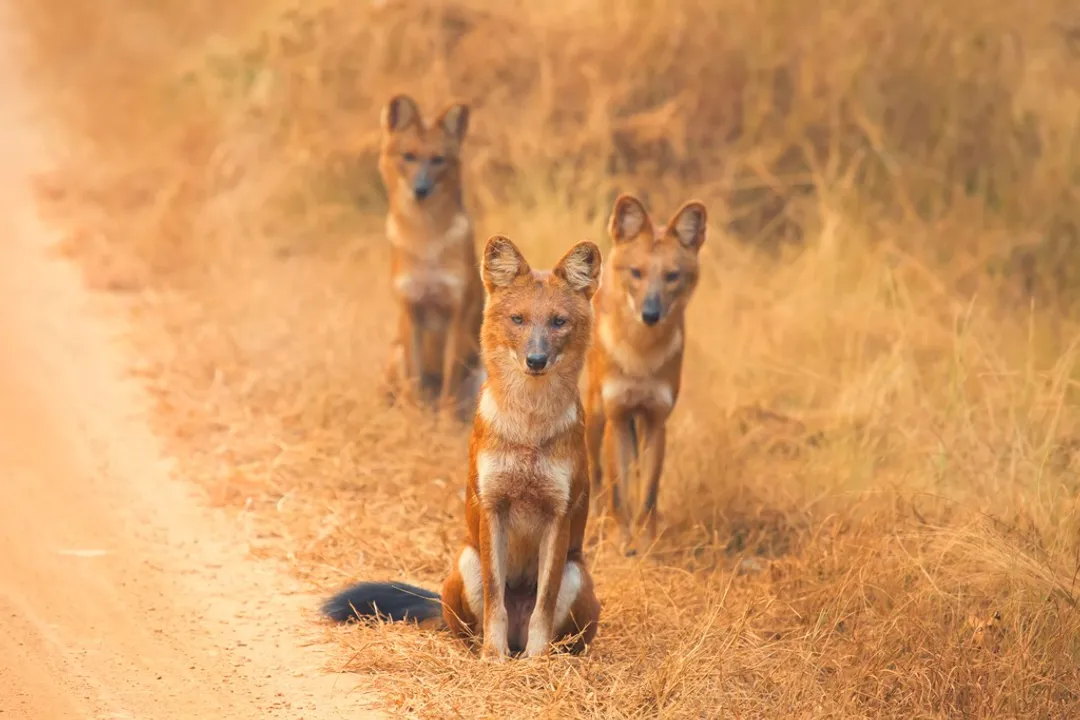
To answer the core question, we need to look at their scientific classification. Both jackals and foxes belong to the Canidae family, which also encompasses dogs and wolves. [1][7] However, the deeper we look, the more separation we find. Within the Canidae family, canids are organized into tribes. Foxes generally fall into the tribe Vulpini—the "true foxes"—whereas wolves, domestic dogs, and jackals are grouped in the tribe Canini. [5] This immediately suggests that taxonomically, the jackal has closer genetic relatives among the dogs and wolves than it does with the true foxes. [5][7]
# Species Reclassification Shifts
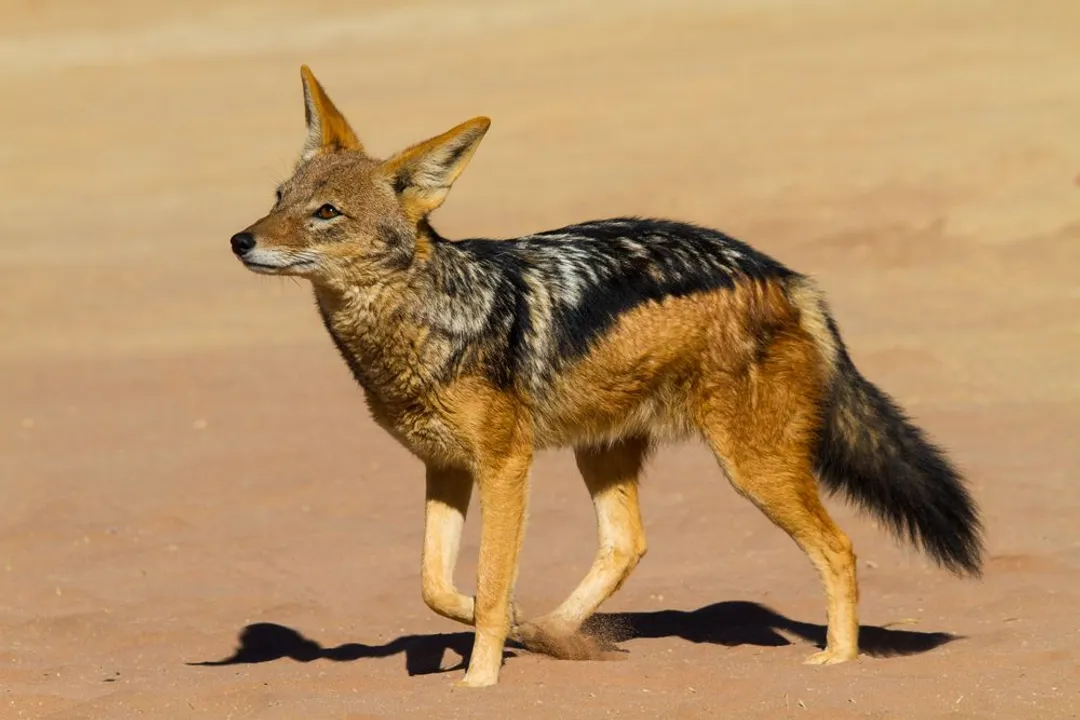
The traditional understanding of "jackal" has been significantly updated by modern genetics, which is crucial for this discussion. Historically, four species were recognized: the black-backed, side-striped, golden, and the extinct European golden jackal. [1] Current scientific consensus has refined this grouping. The black-backed jackal (Lupulella mesomelas) and the side-striped jackal (Lupulella adusta) are now often placed in the genus Lupulella. [1] More dramatically, the golden jackal, once widely distributed across Africa and Eurasia, has been identified through DNA analysis as being genetically closer to wolves and dogs than to the other jackal species. [1] In fact, many taxonomists now classify the golden jackal as Canis lupaster, the golden wolf. [1] This reclassification solidifies the argument that at least one of the animals historically called a jackal is genetically much closer to the dog lineage (Canis) than to the fox lineage (Vulpes or similar genera). [5]
# Physical Traits Compared
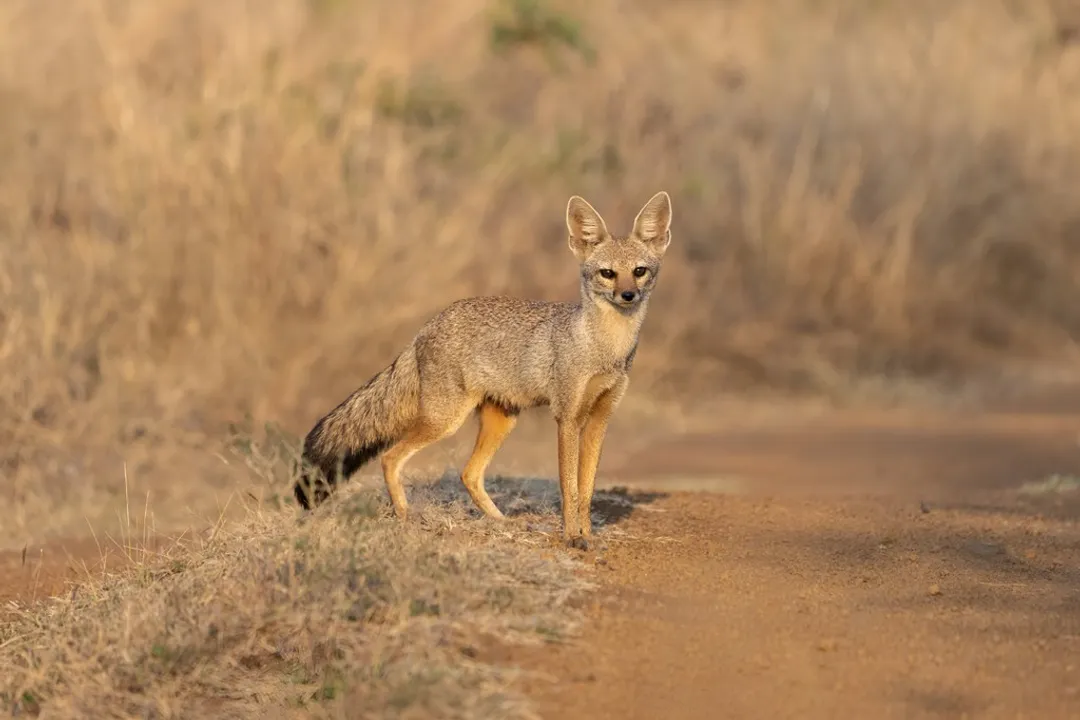
When observing these animals in the field, visual cues can be helpful, though they can also be misleading due to convergent evolution—where unrelated species evolve similar traits to adapt to similar environments. [2]
In general comparisons between jackals and foxes:
- Size and Build: Jackals tend to be sturdier and more robust than many fox species. [2] For example, the black-backed jackal is solidly built, though still relatively lean compared to a wolf. [7] Foxes, such as the red fox, are often described as having a more slender build. [2]
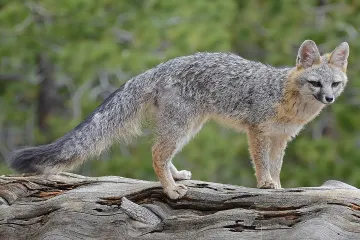
- Snout and Ears: Foxes often possess a distinctly pointed, sharp muzzle and larger, more prominent ears relative to their head size compared to jackals. [2][9]
- Tail: Foxes are famous for their extremely bushy, often long tails that they use for balance and warmth, sometimes described as being as long as their body. [2][9] While jackals do have bushy tails, they are generally less voluminous than those seen on many fox species. [2]
A practical field observation: if you are viewing a canid that looks remarkably like a small wolf, it is more likely to be a jackal (or a golden wolf) than a true fox, given the jackal’s closer relationship to the Canis genus. [5]
# Social Structures Contrasted
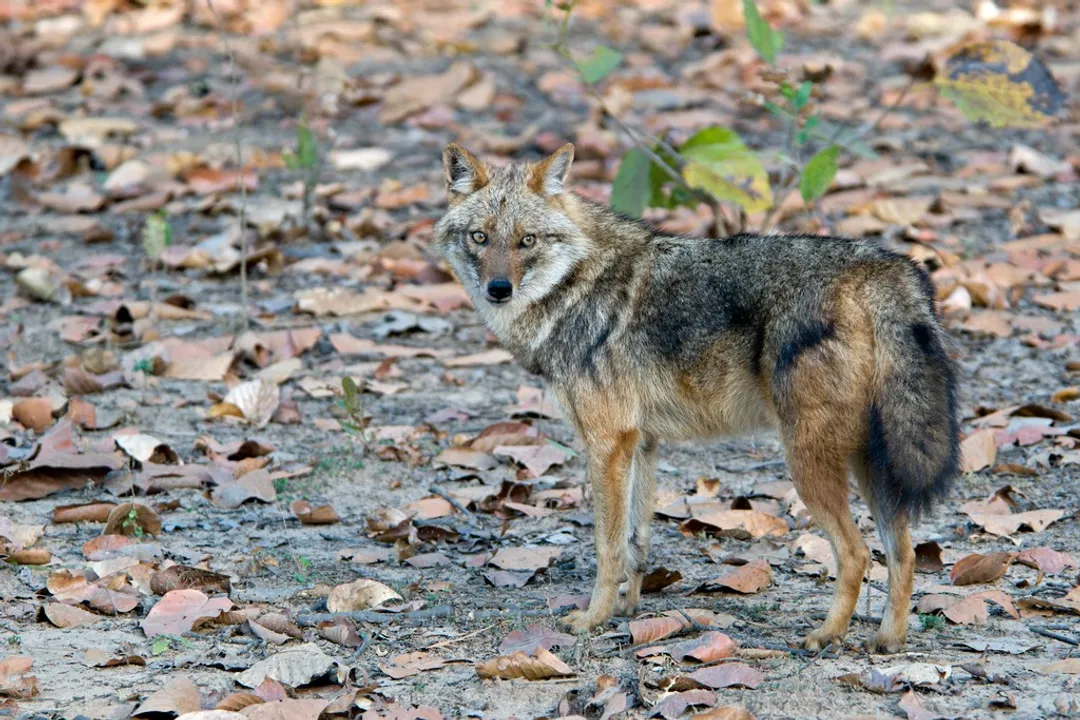
One of the most significant behavioral differences between jackals and foxes lies in their social organization, which often mirrors the divide between the social Canini (dogs/wolves/jackals) and the generally more solitary Vulpini (foxes). [3][7]
- Jackals: Jackals typically live in monogamous pairs that mate for life, or in small family units that may include the parents and their recent offspring. [3][7] They often hunt and defend territory together as a unit. [7] This pair-bonding and cooperative raising of young is highly characteristic of the Canis lineage.
- Foxes: Most fox species, like the well-known red fox, are predominantly solitary hunters, coming together mainly for mating. [2][9] While they may maintain dens or temporary family groups with kits, their day-to-day foraging and existence tend to be more independent than that of a jackal pair. [2]
If you observe two canids consistently moving, hunting, and resting together, you are likely witnessing a jackal pair, a behavior less common among true foxes. [7]

# Dietary Habits and Adaptability
Both groups are remarkably adaptable omnivores, showcasing why they thrive across diverse landscapes from deserts to forests. [3] Jackals are known scavengers, preying on small animals like rodents, birds, and reptiles, and also consuming fruits and insects when necessary. [3][7] This opportunistic diet is what allows them to persist even when larger prey is scarce.
Foxes share this opportunistic approach. A fox will readily take advantage of whatever food source is available, whether it's berries, carrion, or small mammals. [2] In urban environments, both can adapt to feeding on human refuse, though perhaps in slightly different manners based on their typical social structures—a jackal pair might work together to exploit a steady food source, whereas a fox might become more cautious and secretive. [3]
# Ecological Roles in Africa
In the African ecosystems where many jackal species are found, their role is distinct from local wild dogs or foxes. In Southern Africa, for instance, the jackal often occupies a niche slightly different from that of the African wild dog (Lycaon pictus), which hunts cooperatively in large packs, or the few fox species present, like the bat-eared fox, which specializes heavily on insects. [8] The jackal often acts as a mid-sized opportunistic predator and scavenger, cleaning up leftovers from kills made by lions or leopards, or taking down vulnerable young or sick prey. [6][8]
Considering the sheer diversity of canids across the globe, it is important to recognize that the term "jackal" itself is somewhat of a historical umbrella term that lumps together animals that are now known to be genetically distant from one another. [1] This is where analyzing an animal's geographic location becomes informative for the observer. If an animal identified as a jackal is found in Africa, it is most likely a black-backed or side-striped jackal, both of which are now classified outside the Canis genus, making them distinct from true dogs/wolves, yet still within the larger Canini tribe and evolutionarily separate from true foxes. [1]
When you see a jackal, you are observing a canid that has evolved successfully using a mixed strategy: the social bonding inherited from its wolf-like ancestry, combined with the smaller size and high adaptability characteristic of many terrestrial carnivores. [5][7] This combination allows them to fill niches that are too small for wolves but require more teamwork than a solitary fox typically employs. For instance, watching a jackal pair rapidly dismantle a large carcass by quickly pulling off small pieces—a process that would take a solitary fox much longer or require them to abandon the site due to risk from larger predators—demonstrates this behavioral advantage derived from their inherited social capacity. [3] The species has carved out its own evolutionary path, fitting neatly between the highly social, large pack hunters (like wolves/dogs) and the generally solitary, small-prey specialists (like many foxes). [2][5]

# Distinguishing Jackals from Wild Dogs
While jackals are technically related to dogs, they are certainly not the same as the domestic dog (Canis familiaris) or even other wild canids often called "wild dogs," like the African wild dog (Lycaon pictus) or the dhole (Cuon alpinus). [5]
The key distinctions here are largely in size, dentition, and overall social structure:
- Size and Stature: Jackals are substantially smaller than most dog breeds or wolves. [5]
- Packs vs. Pairs: As noted, jackals typically form pairs, whereas true wild dogs (like the African wild dog) operate in large, highly organized packs with a strict social hierarchy. [5]
- Dentition: Differences in skull structure and tooth shape exist between the genera. For example, the jaw structure and tooth arrangement of a jackal are adapted for a slightly different diet and biting force than those optimized for the larger prey taken by wolves or large wild dog packs. [5]
If we consider the evolutionary timeline, the jackal lineage diverged from the ancestors of wolves and domestic dogs a long time ago, even though they remain in the same tribe (Canini). [5] They are cousins, not siblings, in the canid family structure when compared to the Canis group that includes wolves and domestic dogs. [1][5]
# A Comparison Table of Key Features
To synthesize the primary distinctions between the three groups—the dog lineage (represented by the wolf/domestic dog), the fox lineage, and the jackal lineage—a direct comparison is helpful:
| Feature | Jackal (e.g., Black-backed) | True Fox (e.g., Red Fox) | Dog/Wolf Lineage (e.g., Wolf) |
|---|---|---|---|
| Tribe | Canini [5] | Vulpini [5] | Canini [5] |
| Primary Social Unit | Monogamous Pairs/Small Families [3][7] | Solitary Hunter [2][9] | Large, structured Packs [5] |
| Build | Medium, lean, somewhat robust [2] | Slender, delicate [2] | Robust, variable by species [5] |
| Tail | Bushy, but shorter relative to body [2] | Very bushy, long [2][9] | Variable, generally less bushy than fox [5] |
| Taxonomic Closeness | Closer to Dogs/Wolves [5] | More distant cousin [5] | Closest to Golden Jackal (C. lupaster) [1] |
# Reading the Landscape: Local Context for Identification
For anyone observing wildlife in areas like the East African bush or parts of Asia, correctly identifying the canid present helps in understanding local ecological dynamics. For instance, if you are tracking movements in a Kenyan conservancy, knowing you are observing a side-striped jackal means you are looking at an animal that relies heavily on dense cover and often stays near riverine vegetation, unlike the more open-country black-backed jackal. [6] This preference is a subtle behavioral adaptation influencing where you might search for them. Similarly, understanding that the local "jackal" might actually be a golden wolf (Canis lupaster) means you are witnessing an animal with a genetic profile closer to the global dog heritage, perhaps exhibiting slightly different pack structures or territory sizes than the Lupulella species. [1] Relying solely on the common name "jackal" risks missing the subtle but important evolutionary splits that influence their behavior and impact on the ecosystem. [1][6]
In essence, a jackal is not a dog, nor is it a fox. It is its own unique group of highly successful canids that share characteristics with both—the social tenacity of the dog lineage and the adaptable, opportunistic survival skills seen in many fox species—while occupying a distinct evolutionary space forged over millennia of specialized existence. [5][7]
Related Questions
#Citations
Jackal - Wikipedia
Jackal vs Fox: What are their differences? - A-Z Animals
Facts About Jackals | Live Science
Jackals are a type of canine, animals that - Facebook
How to differentiate between Wolf, Jackal, Wild Dog (Dhole) and Fox
Is a Jackal a Dog or a Fox? - Kenya Wild Parks
Jackal | African, Canine & Nocturnal | Britannica
Jackal & Fox Facts | Southern Africa Wildlife Guide
What are the differences between a fox and a jackal? - Quora