How many marble foxes are left?
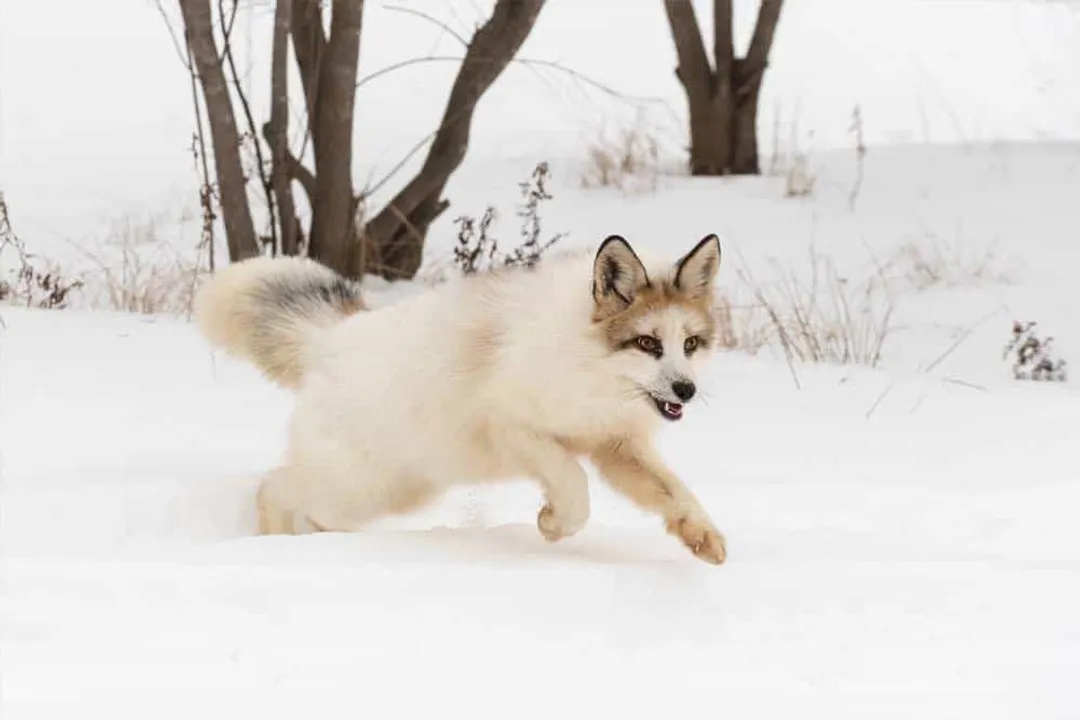
Red Fox Morph
The inquiry into the exact number of marble foxes remaining is complicated, largely because a "marble fox" is not a separate species requiring its own global census. Instead, these striking animals are recognized primarily as a specific color variation, or morph, of the Red Fox (Vulpes vulpes). This distinction is key: while the Red Fox species as a whole is widespread and thriving, the marble coloration exists as a unique pattern within that population. Consequently, there is no central database tracking the total number of individuals displaying this specific coat trait in the wild, making a precise count effectively impossible to determine from conservation reports.
# Coloration Identity
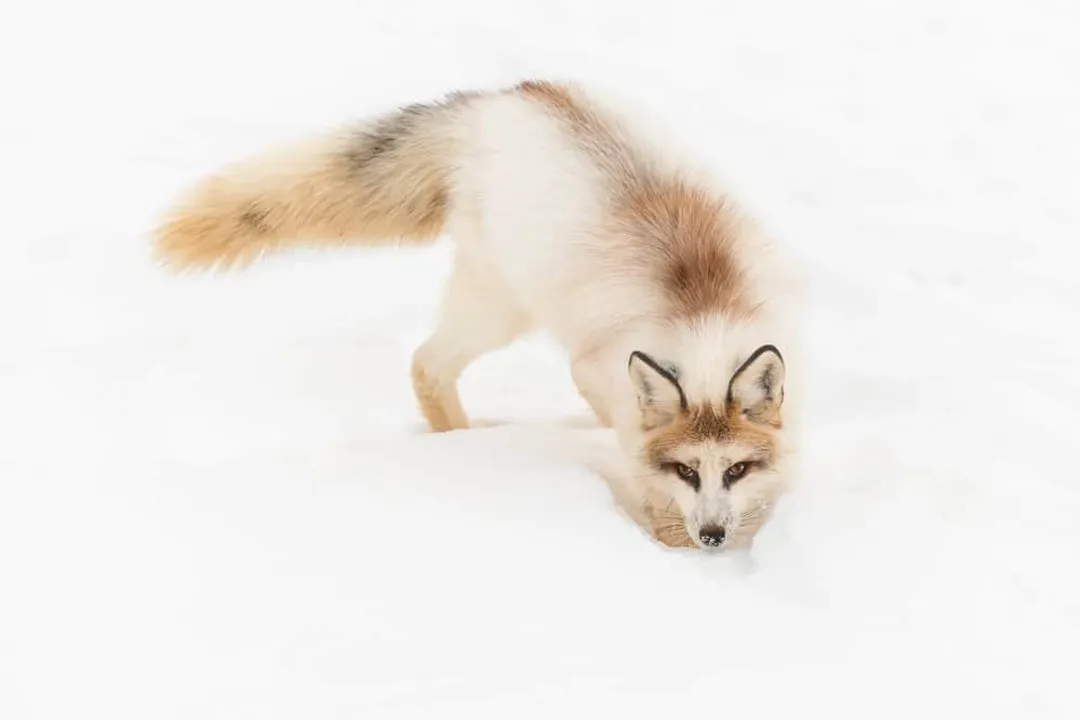
Marble foxes are often specifically referred to as the Canadian marble fox in some contexts. Their defining characteristic is their fur, which presents a distinct, swirling pattern that sets them apart from the common solid red, silver, or cross fox patterns. The silver fox, for example, is sometimes grouped with the marble variations because they share the same underlying genetics as the red fox, simply expressed differently. This phenomenon is one of nature’s ways of showing variation within a single species, similar to how a dog breed can have vastly different coat colors. The visual appeal of this unique patterning is precisely what draws attention to them, particularly in circles interested in exotic pets.
# Captive Trade Focus

Because precise wild counts are unattainable, much of the available discussion surrounding marble foxes relates to their status in the exotic pet trade. Their allure stems from their appearance, making them highly sought after companions for those looking for an animal outside the typical domestic pet sphere. This demand has driven interest in captive breeding programs. When considering acquiring one of these animals, potential owners must weigh several serious factors beyond the initial attraction of their appearance.
For instance, owning an exotic pet like a marble fox requires specialized knowledge regarding diet, enclosure needs, and temperament, which differs significantly from caring for a standard dog or cat. While some sources touch upon their general characteristics, information often circles back to the responsibilities of ownership rather than population viability. The ongoing presence of social media posts showcasing these foxes—often from breeders or owners—suggests that captive populations are being maintained, though the scale of this breeding effort remains unclear.
# Conservation Status Gap
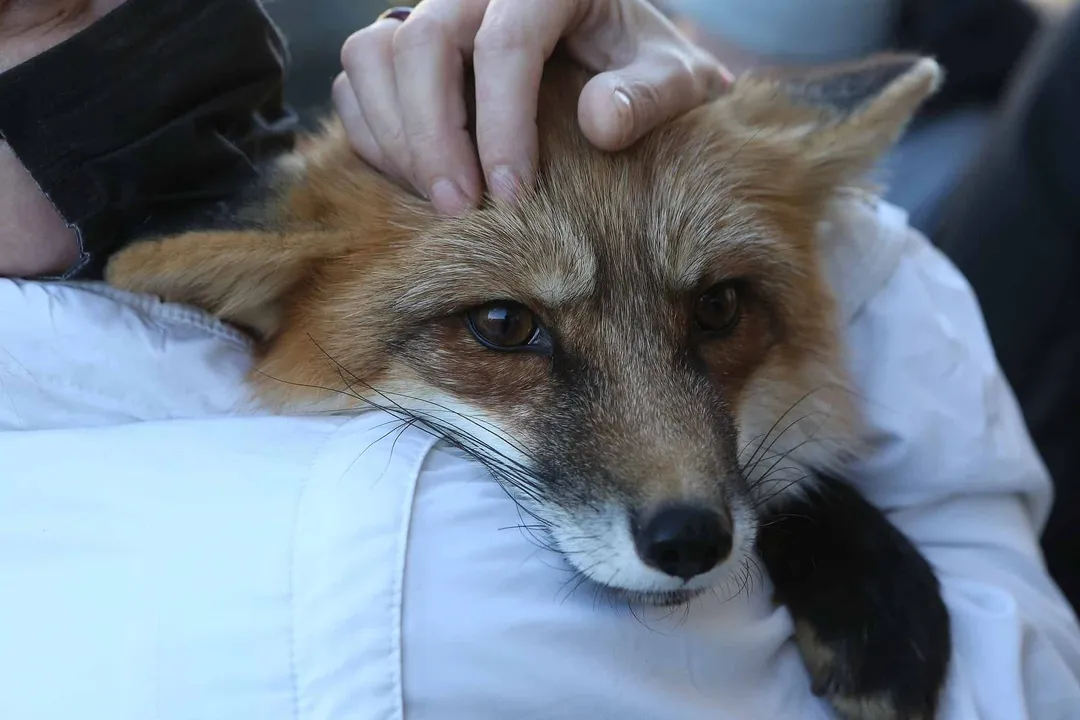
It is important to distinguish between the conservation status of the Red Fox and the status of the marble color morph. The Red Fox is globally classified as Least Concern by major conservation bodies due to its wide distribution and large numbers. However, this broad classification offers no reassurance regarding the specific survival of the marble pattern in a natural setting, nor does it account for the number of animals selectively bred in captivity. There is a gap in knowledge here: we know the species is common, but we do not know how often this specific, genetically recessive or dominant trait appears naturally versus how often it is produced intentionally in controlled breeding environments.
This situation presents an interesting parallel to other color morphs in the animal kingdom; while the species persists, the frequency of rare, aesthetically pleasing variations can be heavily skewed by human intervention, either through selection pressure in the wild or, more commonly, through dedicated breeding. If a population of marble foxes were entirely reliant on natural genetic expression, their numbers would likely fluctuate dramatically based on localized breeding success and predator avoidance.
# Special Considerations
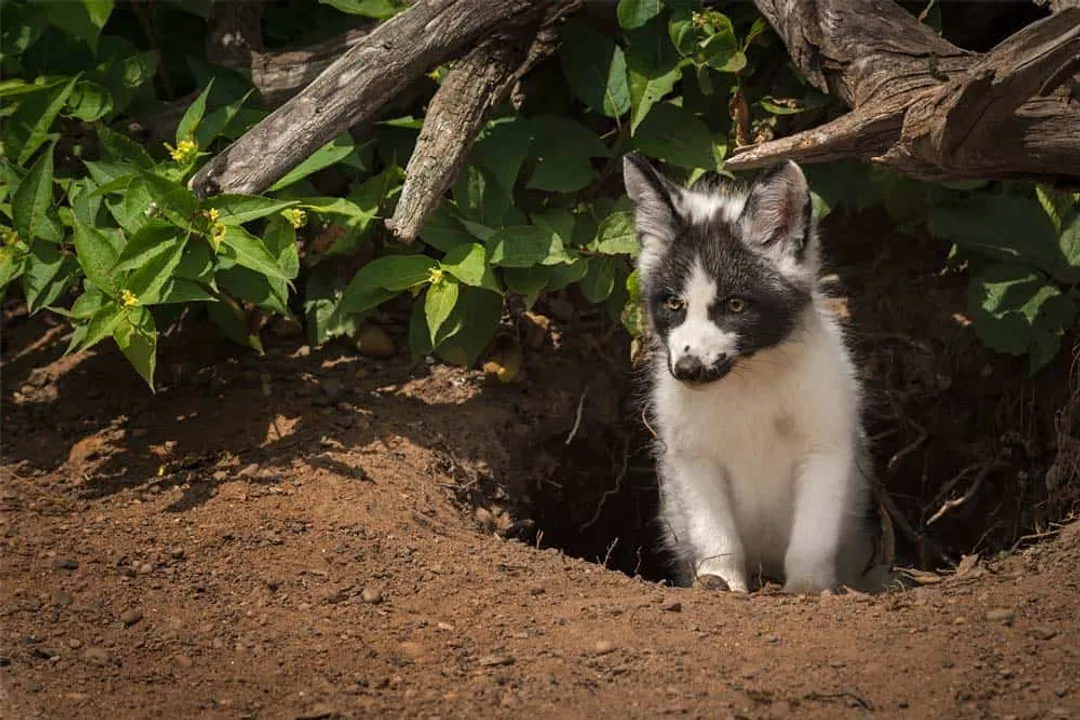
For anyone engaging with the topic of marble foxes, whether through conservation interest or potential ownership, understanding their classification as a Red Fox variant is critical for accurate research. If you are researching ethical sourcing, for example, it becomes necessary to look into breeders who specialize in Vulpes vulpes color variations rather than searching for a separate "marble fox sanctuary" listing. A useful preliminary step for anyone interested in supporting the continuation of these unique coats, regardless of location, would be to research local regulations regarding captive exotic or native wildlife ownership, as these laws govern the legality of keeping foxes as pets and heavily influence the captive population size. Furthermore, recognizing that video content often showcases the most striking examples—the perfectly patterned foxes—means that the perceived prevalence online may vastly overstate their actual frequency in any given geographic area.
# Population Tracking Challenges
Attempting to quantify the marble fox population requires looking at multiple, disconnected data points. You have the general species data (abundant), anecdotal evidence from online communities and breeders (suggesting active captive interest), and the lack of official, dedicated surveys for a color morph. This fragmented picture means that the final number is obscured by its own classification. Unlike endangered species listed under international agreements, the marble fox’s existence is intertwined with the successful management and breeding of its parent species, the Red Fox. The story of the marble fox, therefore, isn't about counting remaining individuals in a threatened population, but rather understanding the frequency of a beautiful genetic expression maintained both by chance and by choice in the world of specialized animal husbandry.
#Videos
You've been lied to about "Canadian Marble Foxes" - YouTube
Related Questions
#Citations
Canadian marble fox facts and habitat - Facebook
The Canadian Marble Fox! (this is the actual fox and not the plushie)
5 Canadian Marble Fox Facts - Fact Animal
Canadian Marble Fox: What You Need to Know - A-Z Animals
You've been lied to about "Canadian Marble Foxes" - YouTube
Because they're not a natural wild population, marble foxes rely ...
How AI-Generated Articles Are Hurting Marble Foxes