Are fox snakes active during the day?
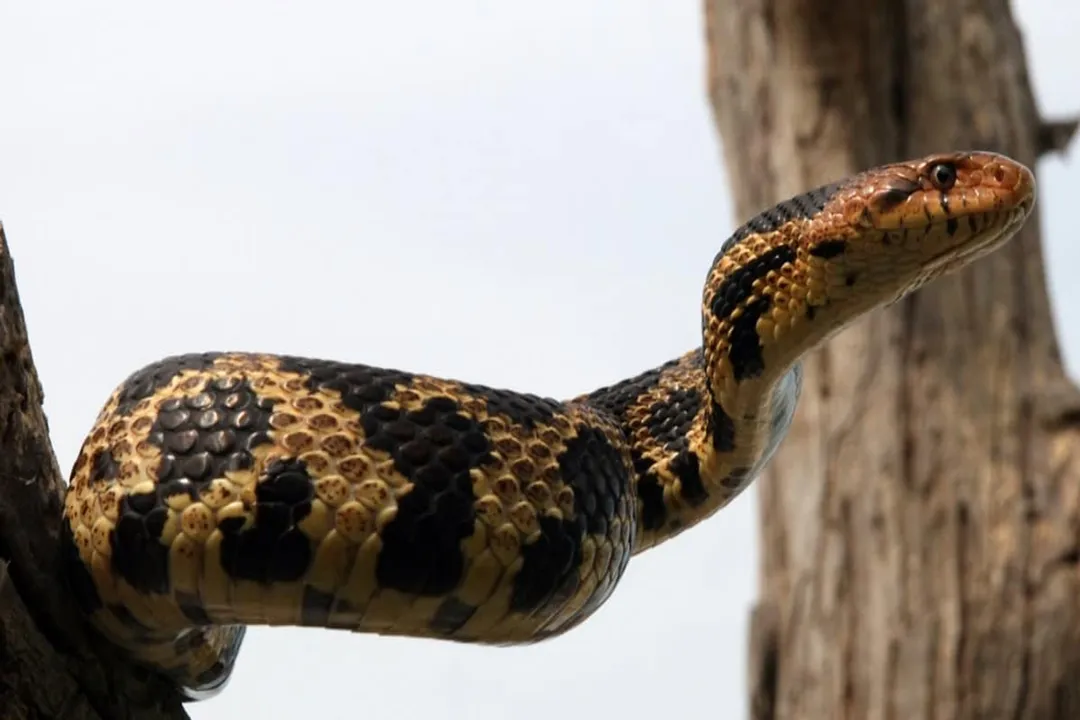
When considering the whereabouts of a fox snake during the day, the short answer is that they are generally diurnal, meaning they are active during daylight hours. [1][2][5] This pattern is typical for many reptiles whose body temperature regulation relies heavily on external heat sources. For observers in areas like Minnesota, Iowa, or Missouri, encountering a fox snake while out hiking or working in fields is most likely to happen when the sun is up. [1][4]
# Daytime Activity
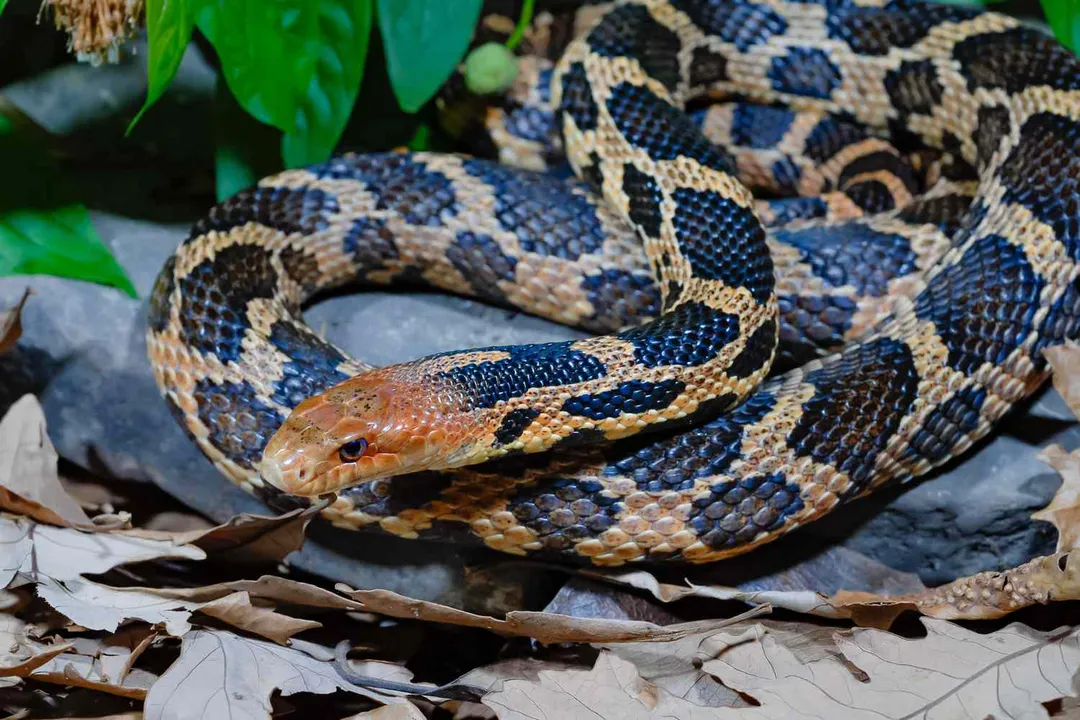
Fox snakes, which include species like the Eastern Fox Snake (Pantherophis gloydi) and the Western Fox Snake (Pantherophis ramspotti), [9][4] utilize the daytime to conduct necessary life functions. Their primary daytime activity often involves basking. You will frequently find them stretched out on objects that absorb and retain heat well, such as roads, rocks, or logs. [1][5] This behavior isn't just about getting warm; it’s a fundamental requirement for them to reach optimal operating temperatures for hunting, moving, and digestion. [1]
For the Western Fox Snake specifically, activity is centered around the day, allowing them to hunt and forage when conditions are suitable. [4] Similarly, the Eastern Fox Snake is categorized as primarily diurnal. [9] This contrasts with some other species that become almost entirely nocturnal as summer progresses, though the fox snake does show some flexibility. [4]
# Temperature Influence
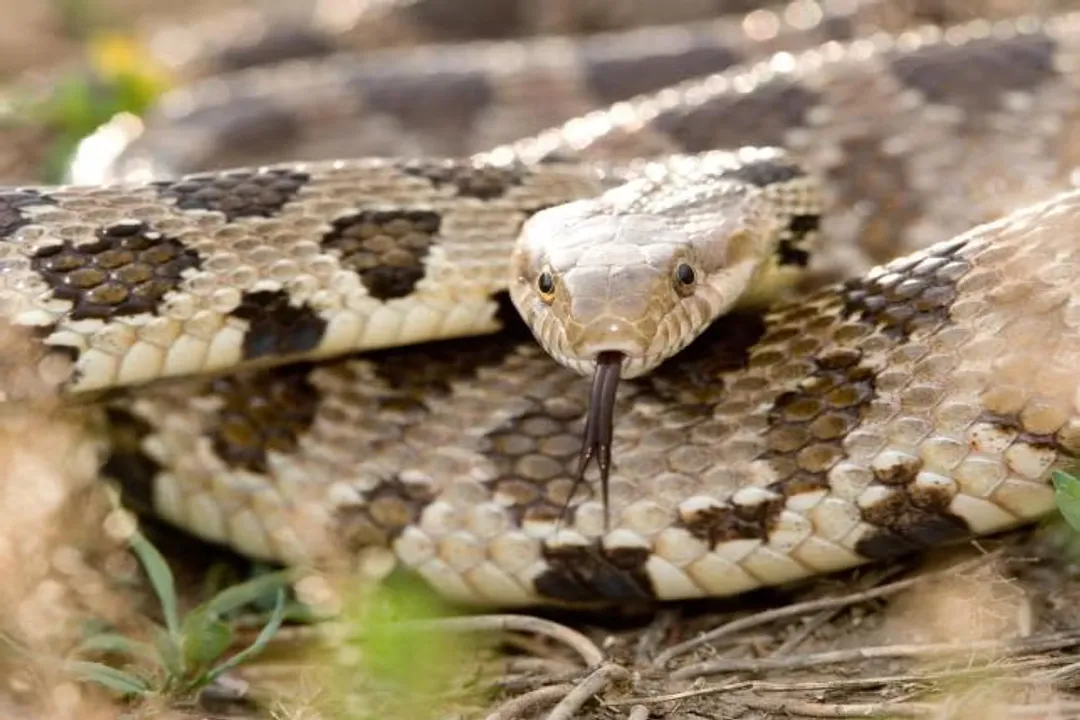
The rhythm of the fox snake is dictated by the thermometer. While they favor the day, their activity is not a rigid, 24-hour commitment; it is conditional upon the ambient temperature. [1] If the morning starts cool, they will actively seek out sunny spots to raise their core temperature to an active state. Once they have absorbed enough heat, they begin moving about to hunt rodents, their primary food source. [1]
However, the midday sun in mid-summer can sometimes push things too far. When temperatures become excessively high—often exceeding the ideal thermal range for active movement—fox snakes will retreat to cooler, shaded microhabitats. [1] This shift avoids overheating and reduces the risk of desiccation. Therefore, the hottest part of a summer afternoon might actually be the quietest time for spotting one, even though they are technically diurnal creatures. [1]
# Species Variations
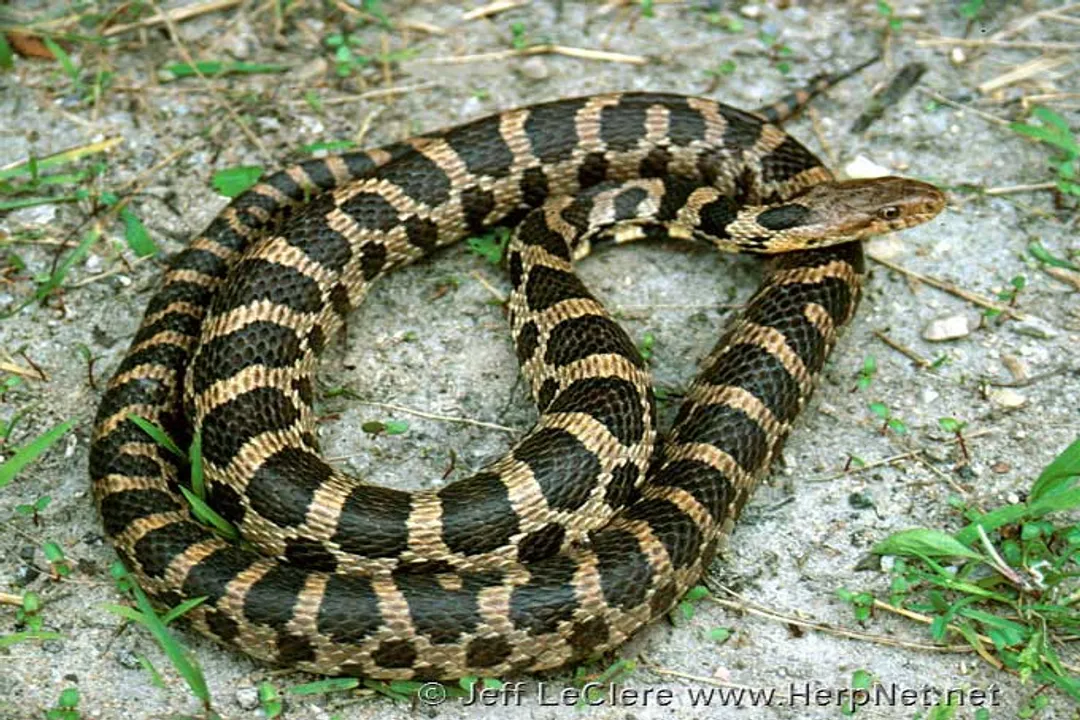
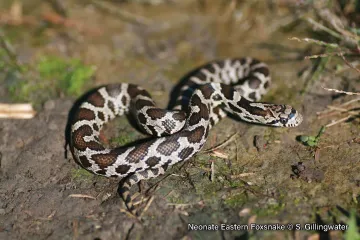
It is interesting to note that while the general rule is daytime activity, the specific behavior can vary slightly depending on which species you are observing, though the underlying principle remains temperature control. [4][9]
For instance, sources describing the Eastern Fox Snake confirm its diurnal nature. [9] The Western Fox Snake also adheres to this pattern, being generally active during the day. [4] What makes the observation potentially tricky is that as summer heat intensifies, some populations of fox snakes demonstrate a behavioral switch, moving from strictly diurnal to becoming more nocturnal to avoid the scorching peak temperatures. [4] This transition means that if you are searching for them during a scorching heatwave in July or August, your best chances might shift to the early morning or the evening twilight hours, rather than high noon. [4]
Here is a brief comparison of expected activity based on typical seasonal patterns:
| Season/Time | Typical Fox Snake Activity | Rationale |
|---|---|---|
| Spring/Early Summer Morning | Active, Basking | Seeking optimal temperature for digestion and movement. [1] |
| Mid-Summer Midday (Mild) | Active Foraging | Ideal temperature range for hunting. [1] |
| Mid-Summer Midday (Extreme Heat) | Inactive, Seeking Shade | Avoiding overheating and water loss. [1][4] |
| Evening/Night (Hot Spells) | Potential Nocturnal Activity | Shift to cooler air after sunset. [4] |
A key piece of context often missed is that the diurnal habit is often prolonged after a large meal. A substantial meal, like a large rodent, requires a significant energy investment for digestion, and that process works most efficiently when the snake is basking and maintaining a high internal temperature for hours on end. [1] This means you might see a particularly sluggish, sun-warmed snake in a good basking spot for an extended period, not just moving around but actively processing its food. [1]
# Habitat Sightings
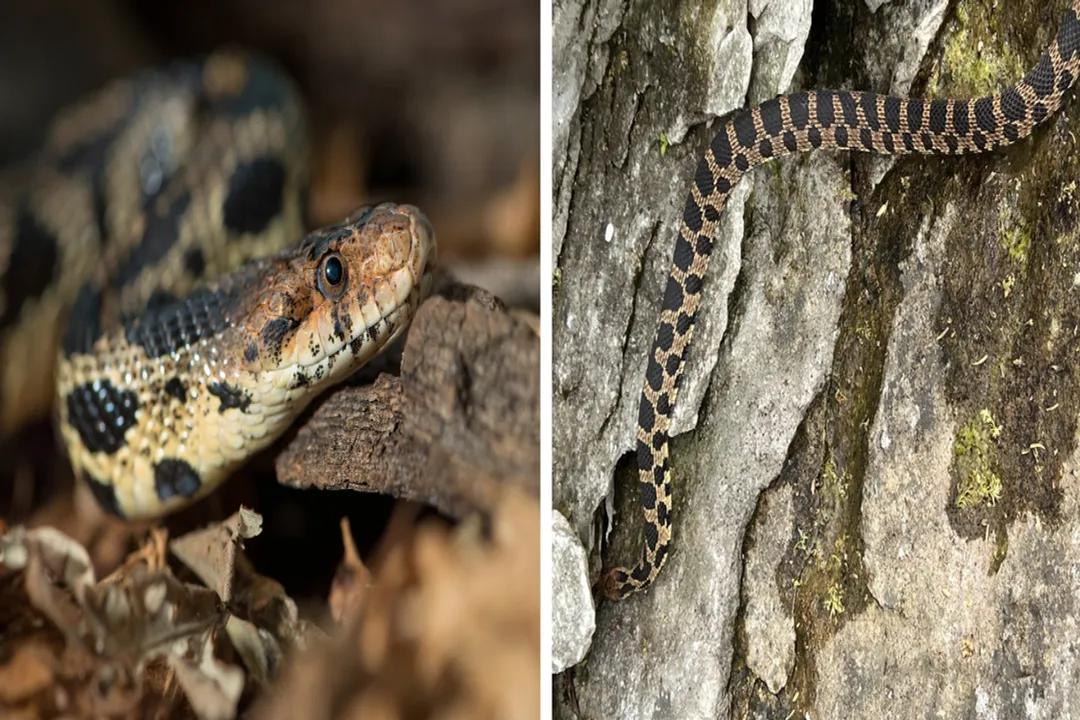
Knowing when they are active is only half the battle; knowing where to look during those active periods significantly increases the odds of an encounter. [1] Fox snakes are not typically found deep within dark forests; they prefer open areas that provide both easy access to the sun and proximity to their prey base, which consists mainly of small mammals. [3]
Look for them near marsh edges, in grasslands, fields, and in brushy areas. [1] In agricultural regions, they are often found near barns or sheds, as these structures provide rodents and retained heat. [1] In areas where they are present, such as parts of Long Point in Ontario, they favor open habitats where they can easily move between dense cover and open basking sites. [3] If you spot a known good basking location—a wide, flat rock that has been absorbing the sun's rays all morning, or the edge of a grassy field bordering a woodlot—that is where a diurnal fox snake is most likely to be found between 9 AM and 4 PM during the milder parts of the warm season. [1][3]
# Safety in Observation
When you do find a fox snake active during the day, remember that they are non-venomous, though they can be defensive when startled. [2][5] They rely on mimicry, often vibrating their tail rapidly against leaf litter to sound like a rattlesnake, a behavior that is more commonly noted when they feel threatened. [2] If you observe one behaving defensively, the best action is to give it space. Since they are active during the day, this defensive display is often a direct response to being nearly stepped on or surprised while basking. [5] Respecting their space ensures the snake can either retreat to safety or continue its necessary daytime thermal regulation and foraging without stress. [1]
# Behavior Patterns
The entire diurnal pattern revolves around managing energy. Snakes, being ectotherms, have an energy budget that is highly sensitive to temperature. Being active in the day allows them to maximize the solar energy captured, which translates directly into more efficient hunting and defense capabilities. [1] If temperatures are too low, they cannot effectively digest prey, wasting the energy expended on the catch. If temperatures are too high, they risk immediate danger from overheating. Therefore, the fox snake’s commitment to daylight hours is a finely tuned compromise, striking a balance between maximizing heat gain and minimizing heat stress across the various months of their active season. [1]
Related Questions
#Citations
Western Fox Snake | Minnesota DNR
Fascinating Fox Snake Facts - ThoughtCo
Eastern Foxsnake - Long Point Basin Land Trust
Western Fox Snake (Pantherophis ramspotti) - HerpNet.net
The Fox Snake Is Essential for the Great Lakes Region
Fox Snake | Knoch Knolls Nature Center - Naperville Park District
Western Foxsnake - Missouri Department of Conservation
Fox Snakes Animal Facts - P. vulpinus and P. ramspotti
[PDF] Pantherophis gloydi Conant eastern fox snake