Are forest cobras true cobras?
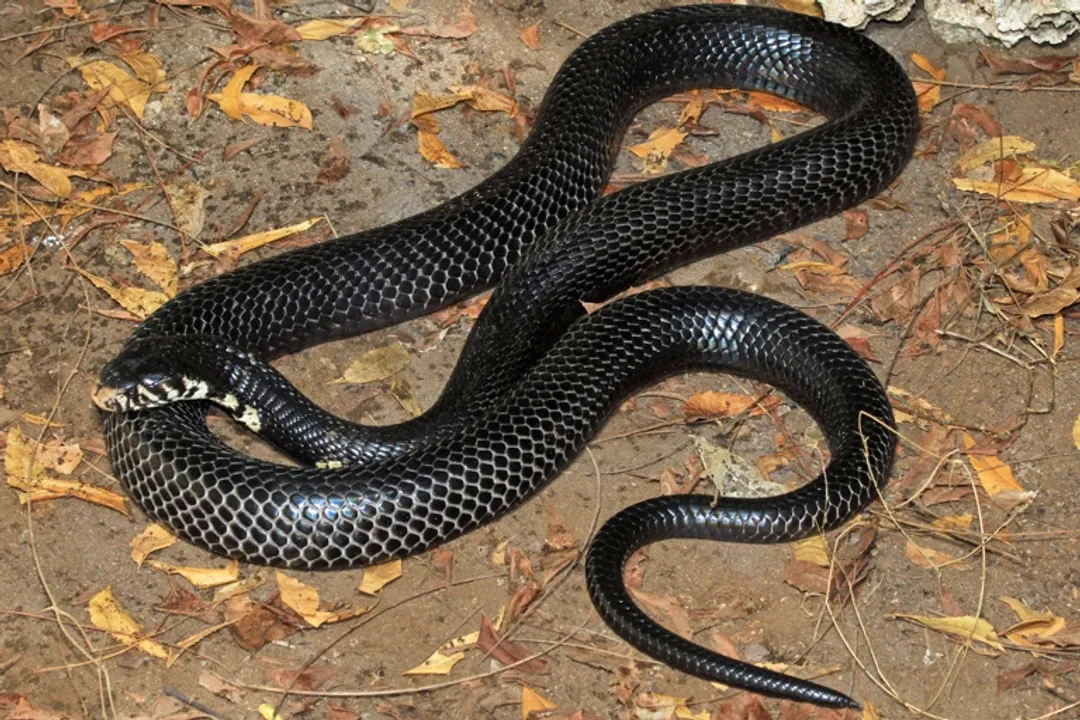
The identity of the forest cobra, often known by its scientific designation Naja melanoleuca when referencing the historical grouping, is intrinsically linked to its classification as a true cobra. To understand this, one must look past the common name and examine its placement within the Elapidae family, specifically the genus Naja. These snakes are certainly members of the group commonly referred to as "true cobras," which encompasses the African and Asian cobras that all share the defining characteristic of spreading a hood when threatened. This places them in direct contrast with the King Cobra, which, despite its imposing nature, belongs to a different genus, Ophiophagus. The forest cobra, in its historical understanding, was recognized as the largest species within the Naja genus.
# True Cobra Status

The label "true cobra" is essentially a common term used to separate the spitting and hood-spreading cobras of the genus Naja from other similarly named but genetically distinct snakes, most notably the King Cobra. The forest cobra unequivocally falls on the Naja side of this distinction. They possess the characteristic ability to flatten their necks into a wide hood when they feel cornered or provoked, a behavior that sets them apart from many other venomous snakes.
However, the modern understanding of what constitutes the forest cobra is far more nuanced than a single species designation. Research published in 2018 introduced a significant revision to the taxonomy of the African snakes previously lumped under Naja melanoleuca. This finding revealed that what was once considered Africa’s single largest cobra is, in fact, a complex comprising five distinct species. This taxonomic split is vital because while all five are Naja species, their specific distributions and ecological roles may differ now that they have been recognized as separate entities. For anyone seeking to accurately identify a cobra in the wild across Africa, knowing that the old unified species name has been retired in favor of five new ones is crucial for both herpetological accuracy and potential safety assessment.
# Five Species
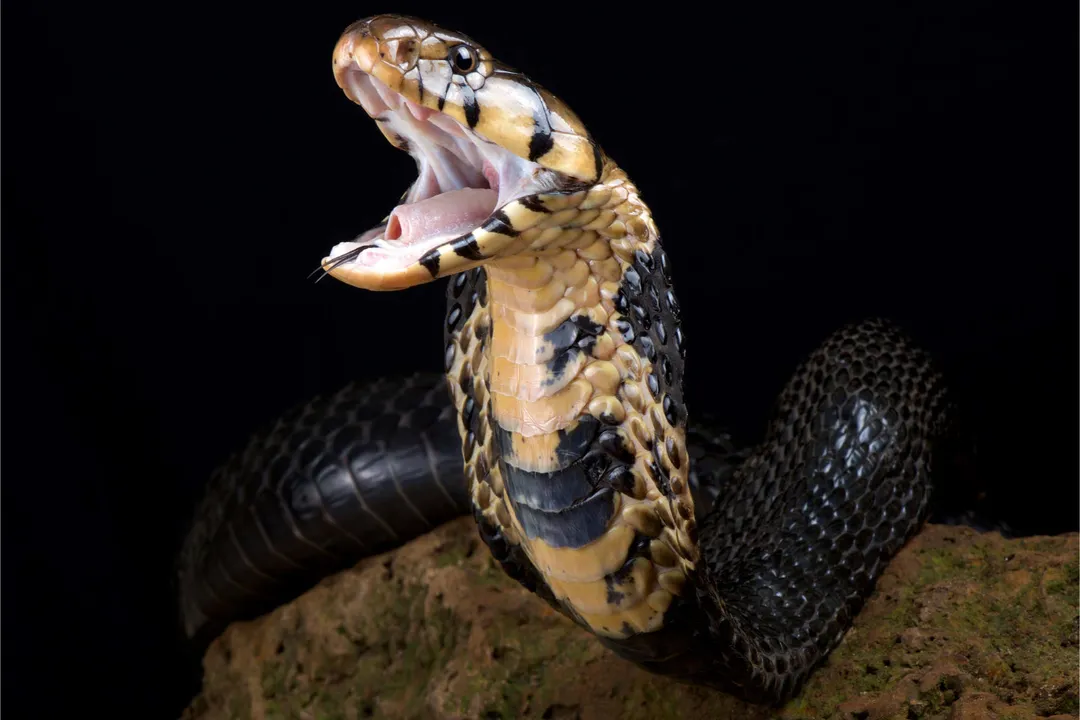
The realization that the large forest cobra complex was actually five separate species necessitates a shift in perspective. Before this revision, Naja melanoleuca was universally accepted as the primary large forest cobra found across wide swaths of sub-Saharan Africa. Now, scientists recognize distinct evolutionary lineages that warrant individual species status. While the exact names of all five resulting species might not be immediately familiar to the general public, the implication is clear: several distinct types of large, powerful cobras exist where only one was previously acknowledged.
This genetic revision offers a fascinating, if complex, point of reference when discussing the "true cobra." It suggests that the evolutionary pressures leading to the classic cobra morphology—the hood, the potent venom, the general body shape—have occurred multiple times within the Naja genus, leading to closely related but genetically separate populations adapting to different environments across the continent. The common characteristics—being Naja—remain the defining factor for being a "true cobra," but the diversity within that definition is now understood to be much greater.
# Striking Appearance
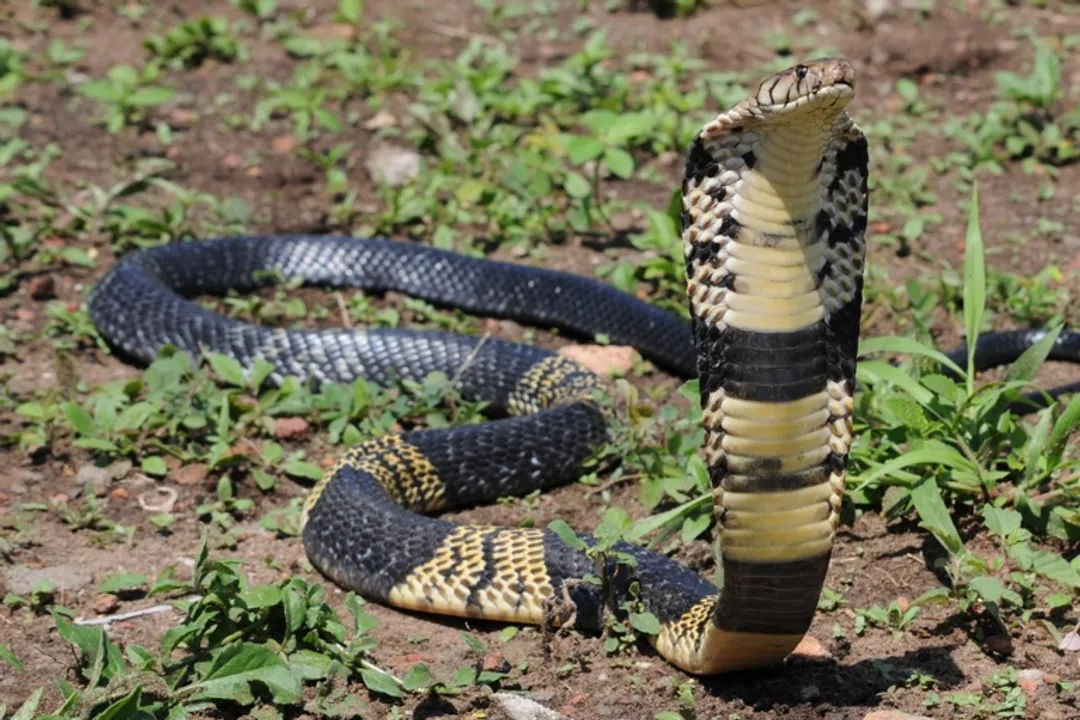
Regardless of which of the five recognized species one encounters, they are renowned for their impressive size and often striking coloration. The forest cobra is frequently cited as being among the longest venomous snakes in Africa. Some records indicate that these snakes can exceed lengths of 10 feet. This immense size certainly sets them apart, even within the ranks of other African cobras. When discussing size, it is important to note the sheer difference in bulk compared to many smaller Naja species; a 10-foot specimen possesses significantly more venom yield potential and physical presence than a typical meter-long forest cobra counterpart would suggest.
Visually, they are often described by their dark coloration, leading to common identifiers such as the Black Forest Cobra. While typically dark—ranging from glossy black to very dark brown—some specimens can exhibit patterns or lighter banding, especially as juveniles. The general appearance is sleek and powerful, built for both terrestrial movement and, notably, an aptitude for climbing, which aids in their varied diet.
# African Habitats
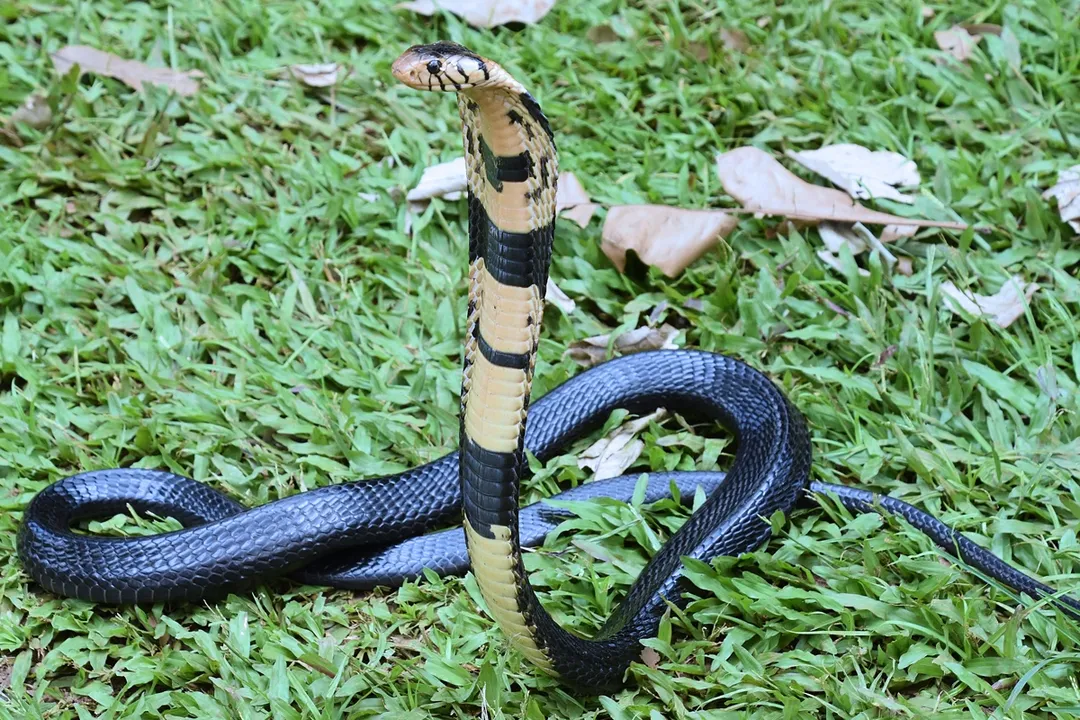
The range historically attributed to the Naja melanoleuca complex spans a substantial portion of tropical Africa. These snakes show a preference for well-watered areas, often found in dense forests, woodlands, and sometimes near agricultural or settled areas where cover is abundant. The term "forest" in their name reflects this habitat preference, suggesting they thrive where there is ample vegetation and moisture, unlike some desert-adapted or savanna-dwelling cobras.
Their ability to inhabit diverse environments, provided the forest canopy or sufficient cover is present, speaks to their adaptability. Given the recent split into five species, it is highly likely that the geographic ranges of these five are not continuous, but rather represent distinct populations that have evolved in relative isolation across West, Central, and East Africa. For instance, a specimen found in the Congo Basin might belong to a genetically distinct species compared to one found in a specific West African forest reserve, even if they appear superficially similar.
# Naja Grouping
Returning to the initial question—are they true cobras—the answer, based on current taxonomy, remains a firm yes, because they belong to the genus Naja. The Naja genus is the definitive group for the "true cobras" of Africa and Asia. This classification is based on shared morphological features, venom composition profiles, and, increasingly, genetic markers.
The most crucial differentiator, as noted earlier, is the separation from the King Cobra (Ophiophagus genus). While both are large, highly venomous elapids, their evolutionary paths diverged long ago. The forest cobra, in all its newly recognized species forms, shares the core genetic makeup that defines Naja, ensuring its status as a Naja cobra, despite its impressive size and distinct ecological niche. This adherence to genus classification confirms that structurally and genetically, they are indeed part of the core cobra lineage.
# Size Comparison
When one considers the various members of the Naja genus, the forest cobra stands out due to its potential maximum length. In general, African cobras vary widely in size, but the forest cobra (and its closely related species counterparts) consistently ranks at the top. If we were to categorize the various Naja species based on adult length alone, the forest cobra complex would occupy the maximum end of the scale, whereas species like the Egyptian Cobra might be considered mid-to-large, and some dwarf cobras sit at the lower end. This difference in scale means that field identification based on size alone, while useful, must be tempered by geographic location, especially now that the complex has been split into five different, though all large, entities. The conservation status and local danger assessment for one of these five species might differ from another, even if they all share the intimidating presence of a true, large Naja cobra.
Related Questions
#Citations
The Forest Cobra | Critter Science
1️⃣ Black Forest cobras primarily hunt at night, making them ...
Africa's biggest cobra is five species, not one, study finds
What is the difference between a king cobra and a forest cobra?
Forest Cobra - Naja melanoleuca - Bestiary - Tapatalk
The cobras of southern Africa - African Snakebite Institute
Forest cobra (Naja Melanoleuca). The largest species of true cobra ...
Forest Cobra - Naja melanoleuca - A-Z Animals